Samsung Galaxy Watch9 Review: Refinement Over Revolution in the Wearable Market

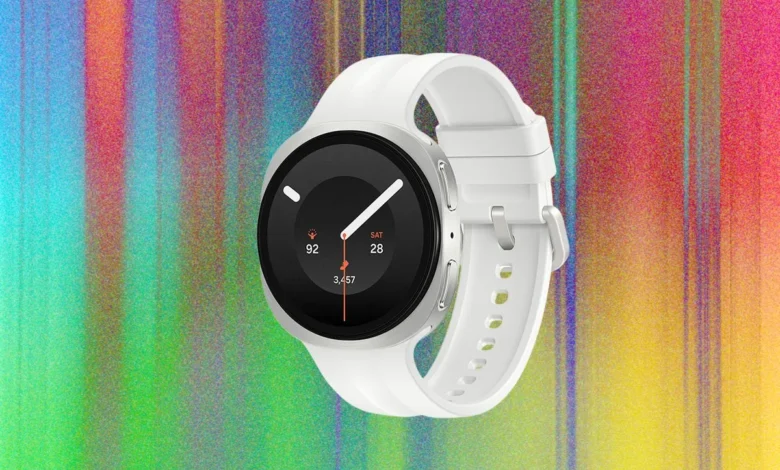
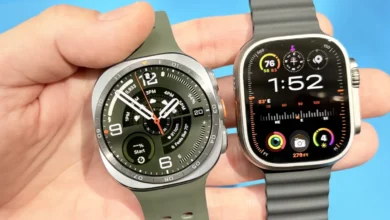
Samsung Electronics has officially expanded its wearable portfolio with the release of the Galaxy Watch9, a device that arrives alongside the rugged, adventure-focused Galaxy Watch Ultra2. Positioned as the company’s flagship everyday wearable, the Watch9 arrives at a critical juncture in the smartwatch market, where consumer demand is shifting toward deeper health integration and seamless ecosystem interoperability. While the device maintains the familiar aesthetic language of its predecessors, it introduces a significant internal overhaul aimed at maintaining Samsung’s competitive edge against rival platforms like the Google Pixel Watch and the Apple Watch Series.
Chronology of the Galaxy Watch Evolution
To understand the position of the Watch9, one must examine the progression of Samsung’s wearable strategy. The transition from the Tizen-based OS to the Wear OS partnership with Google, beginning with the Galaxy Watch4, marked a pivotal shift in performance and app accessibility. Following the Watch5’s emphasis on health sensors and the Watch6’s refined display, the Watch8 (released last year) served to solidify the "squircle" design language that has become synonymous with the brand. The Watch9 represents the next logical step in this iterative process, focusing on processing power and software integration rather than radical industrial redesign.
The launch event this past summer served as a showcase for Samsung’s broader AI-driven health initiative. By unveiling the Watch9 alongside the Watch Ultra2, Samsung signaled a bifurcated market strategy: providing a sleek, lifestyle-oriented device for the mass market while offering a durable, high-performance alternative for specialized outdoor athletes.
Technical Specifications and Performance Metrics
At the heart of the Galaxy Watch9 lies the Qualcomm Snapdragon Wear Elite platform. This chipset represents a departure from previous iterations, designed specifically to address the power-to-performance ratio that has historically challenged Wear OS devices. Benchmarks and real-world testing indicate a tangible improvement in interface fluidity. Navigating complex menus, switching between concurrent applications, and managing dense notification streams are executed with a responsiveness that distinguishes the Watch9 from its predecessors.
The display remains a cornerstone of the user experience, utilizing the established circular interface paired with a high-resolution AMOLED panel. While the external dimensions—40-mm and 44-mm—remain consistent with previous generations, the integration of Wear OS 7 allows for a more modular approach to the user interface. Users now have access to a broader suite of customizable widgets, which can be configured to provide live data streams from third-party applications.
Battery Capacity and Power Management Dynamics
One of the most debated aspects of the Galaxy Watch9 is its battery performance. Samsung has increased the physical capacity of the cells across both models: the 40-mm variant now houses a 390-mAh battery, up from 325 mAh, while the 44-mm version features a 445-mAh cell, compared to the 435 mAh found in the previous model.
However, objective analysis reveals that this hardware boost is largely offset by the increased energy demands of the expanded wellness suite. The device consistently reports an average battery life of approximately 25 hours with the Always-On Display (AOD) enabled. While Samsung estimates a maximum of 30 hours under optimal conditions, the practical usage patterns of a modern smartwatch—which include continuous heart rate monitoring, blood oxygen tracking, and intermittent GPS usage—result in a daily charging requirement.
Furthermore, the charging speed remains a point of contention. A full charge cycle averages approximately 100 minutes. When compared to the competition—specifically the Google Pixel Watch 5, which achieves a full charge in roughly 45 minutes—the Galaxy Watch9’s charging infrastructure appears dated. For users who prioritize sleep tracking, the inability to quickly charge the device during morning routines or evening downtime remains a significant operational hurdle.
The AI Integration: Gemini and Wear OS 7
A major highlight of the Watch9’s software suite is the integration of "raise-to-talk" functionality for Google’s Gemini AI. This feature represents a strategic alignment between Samsung and Google, aiming to turn the wrist-worn device into a primary portal for artificial intelligence. By lifting the watch to the mouth, the user can bypass the need for physical interaction to trigger the voice assistant.
While this technology is new to the Galaxy Watch line, it has been a staple of the Pixel Watch ecosystem for two generations. Its inclusion in the Watch9 signifies Samsung’s effort to harmonize its software experience with the broader Android ecosystem, ensuring that Galaxy users are not left behind as AI becomes a central pillar of mobile interaction. The efficacy of this feature relies heavily on the watch’s internal microphones and noise-cancellation algorithms, which have been tuned to filter out ambient background noise during voice input.
Health and Wellness: Beyond Basic Tracking
The Galaxy Watch9 is marketed as a comprehensive health tracker. It expands upon the biometric suite established in the Watch8, incorporating more granular metrics for recovery, sleep quality, and cardiovascular strain. The device utilizes a multi-sensor array to monitor heart rate variability (HRV), skin temperature, and blood oxygen levels.
Samsung’s health platform continues to emphasize "Wellness Scores," which synthesize multiple data points to provide users with a daily readiness metric. While these features are sophisticated, they are primarily aimed at the health-conscious consumer rather than the elite athlete, for whom the Watch Ultra2 is explicitly reserved. The Watch9’s strength lies in its ability to present complex physiological data in an accessible, actionable format.
Market Positioning and Consumer Analysis
For the average consumer, the choice to upgrade from a Watch8 to a Watch9 is not immediately compelling. The incremental nature of the upgrades—a faster processor and modest battery capacity adjustments—does not fundamentally alter the daily utility of the watch. However, for users operating on a two-to-three-year upgrade cycle, coming from an older device like the Galaxy Watch4 or Watch5, the Watch9 offers a substantial leap in performance, battery efficiency, and software support.
The pricing strategy, starting at $80, positions the device as an accessible entry point into the premium smartwatch market. Available in colorways including cream, graphite, and silver, the device is clearly designed to complement the aesthetic of the current Samsung Galaxy smartphone lineup.
Broader Implications for the Wearable Industry
The launch of the Galaxy Watch9 underscores several trends within the consumer electronics sector. First, the industry has reached a plateau in hardware innovation, leading manufacturers to prioritize AI software integration as the primary differentiator. Second, the focus on "ecosystem lock-in" is intensifying; Samsung’s specific health features and Gemini integration are designed to create a sticky user experience that encourages customers to remain within the Galaxy ecosystem.
Industry analysts note that while the Watch9 is an excellent device, its success will depend on how effectively Samsung can communicate the value of its new wellness metrics. As the line between smartwatches and medical-grade diagnostic tools continues to blur, regulatory scrutiny and the demand for data privacy will likely increase. Samsung has maintained that all health data is encrypted and stored locally where possible, a critical factor for privacy-conscious users.
Conclusion
The Samsung Galaxy Watch9 is a refined, capable, and highly polished piece of technology. It does not reinvent the category, but it successfully addresses the primary requirements of the modern user: speed, connectivity, and health tracking. While the charging speeds and battery longevity are areas that leave room for future improvement, the integration of the Snapdragon Wear Elite platform and the inclusion of Gemini AI ensure that the device remains at the forefront of the Wear OS landscape. For those currently invested in the Samsung ecosystem, it stands as the definitive choice for a daily-wear smartwatch, balancing utility with a sophisticated, professional design. As the wearable market continues to mature, the Watch9 serves as a testament to the power of iterative refinement in maintaining market relevance.