Ford Retires the F-150 Lightning as It Prepares for the $30,000 Fathom EV and a 700-Mile EREV Future


The landscape of the American electric vehicle market is undergoing a profound and rapid transformation, driven by shifting consumer demands, persistent profitability hurdles, and changing economic realities. Ford Motor Company has officially retired the F-150 Lightning, the vehicle that once held the crown as America’s best-selling electric pickup truck. With its web pages transitioning to inform visitors that the Lightning is undergoing a generational shift, the automaker is officially clearing the runway for its next wave of electrified utility vehicles.
In place of the pioneering full-sized electric truck, Ford is pivoting toward two distinct strategies designed to capture both budget-conscious urban and suburban buyers, as well as utility-seeking long-distance drivers. The first is the highly anticipated Fathom EV, a compact-to-midsize electric pickup truck slated for a starting price of $28,350. The second is an innovative extended-range electric vehicle (EREV) platform designed to solve the perennial consumer pain point of range anxiety. As the legacy automaker prepares for production to kick off in early 2027 at its Louisville Assembly plant, the automotive industry is closely watching whether Ford’s strategic gamble will achieve the elusive profitability that has long plagued the mass-market EV sector.
The Demise of a Trailblazer: Looking Back at the F-150 Lightning
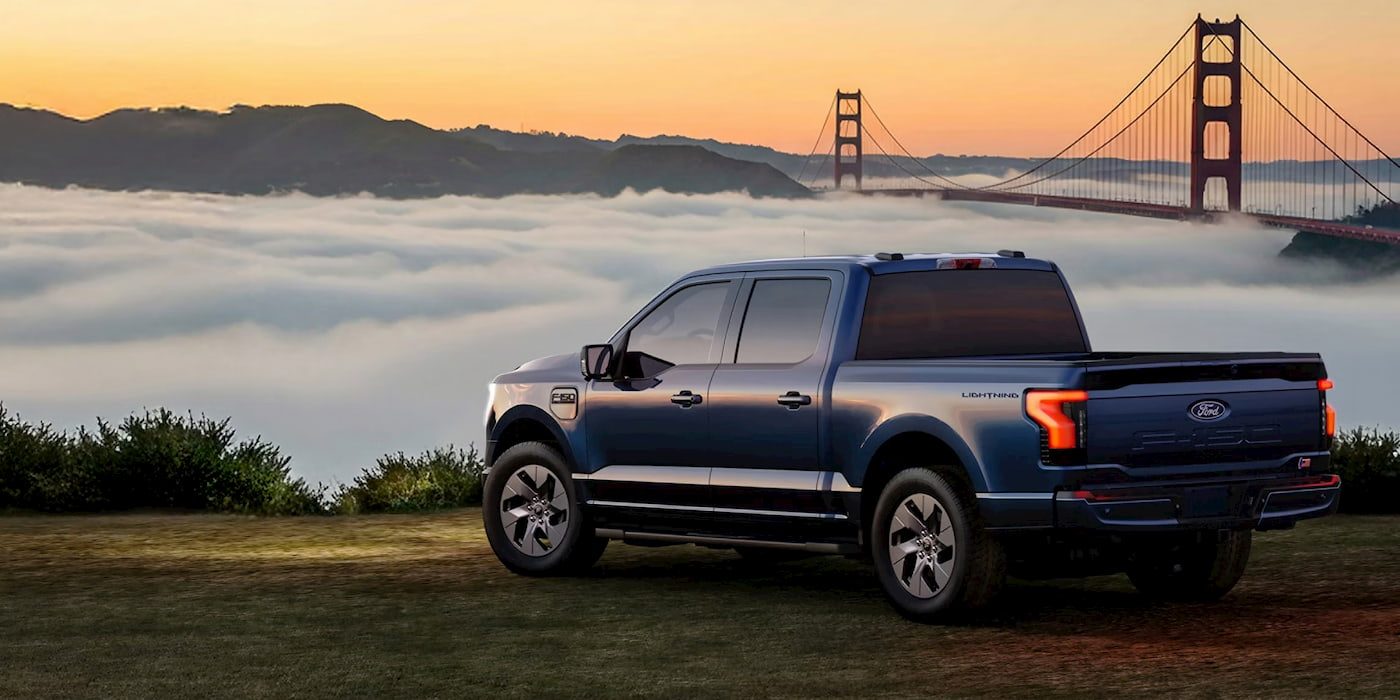
When Ford first introduced the F-150 Lightning to the market, it was hailed as a watershed moment for the automotive industry. By taking America’s best-selling internal combustion engine vehicle for decades and converting it into a battery-electric powerhouse, Ford demonstrated that utilitarian work trucks could benefit from instant torque, silent operation, and innovative features like Intelligent Backup Power. For a brief period, the Lightning enjoyed robust demand, capturing significant market share and redefining public perceptions of what a battery-powered truck could accomplish.
However, the macroeconomic climate surrounding electric vehicles shifted dramatically between 2023 and 2025. High interest rates, inflationary pressures on raw battery materials, and a slowing adoption curve among mainstream buyers created severe financial headwinds. During a December interview with CNBC, Ford Chief Executive Officer Jim Farley candidly addressed the underlying market dynamics that forced the company’s hand. Farley pointed out that high-end electric vehicles—specifically those priced between $50,000 and $80,000—simply were not moving off dealership lots at the volume required to sustain healthy profit margins.
The high cost of large battery packs, combined with consumer hesitation regarding public charging infrastructure and long-distance towing degradation, led to mounting financial losses for legacy automakers producing expensive pure-EV models. Consequently, Ford made the tough strategic decision in December to sunset the current generation of the F-150 Lightning. While the vehicle remained visible on dealership lots and the corporate website for a few months to clear out remaining inventory, the official configurator has now been scrubbed. Ford has assured current owners that it will maintain full operational support, providing ongoing software updates, specialized maintenance, parts, and live customer service to protect the investment of early adopters.
Enter the Fathom: Ford’s $30,000 Mass-Market EV Solution
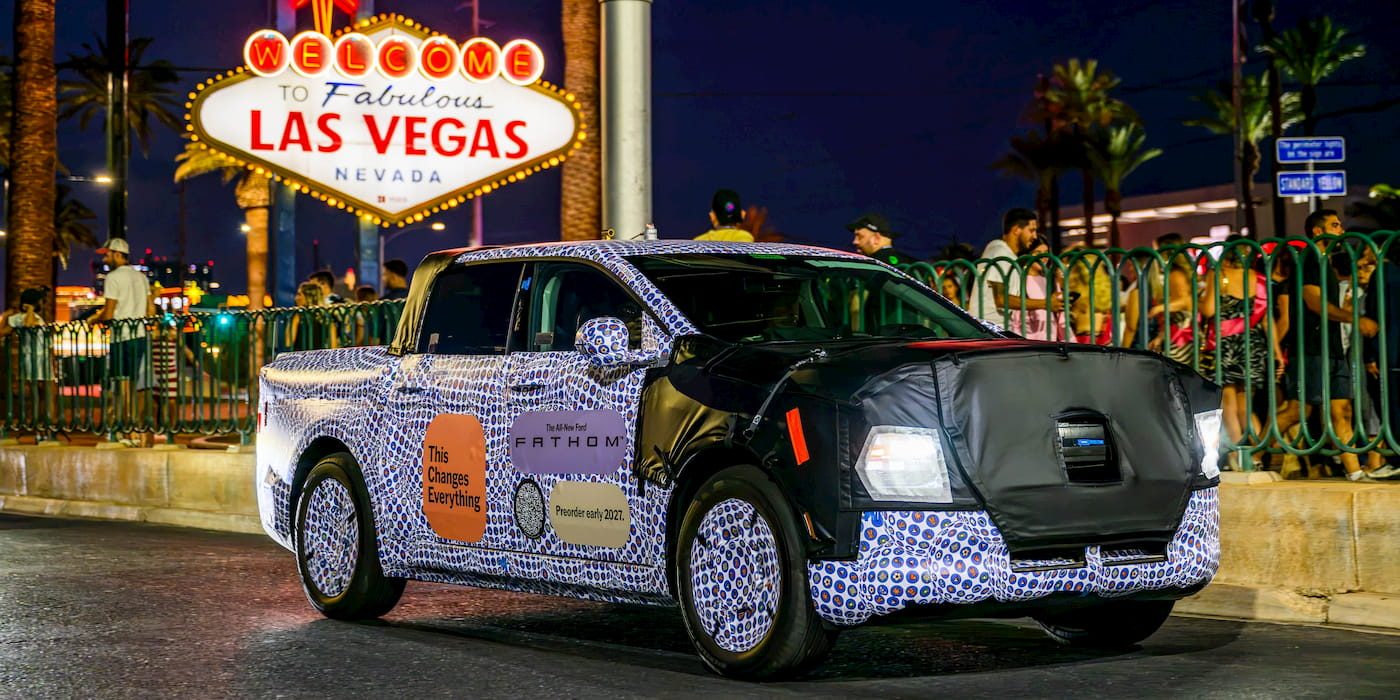
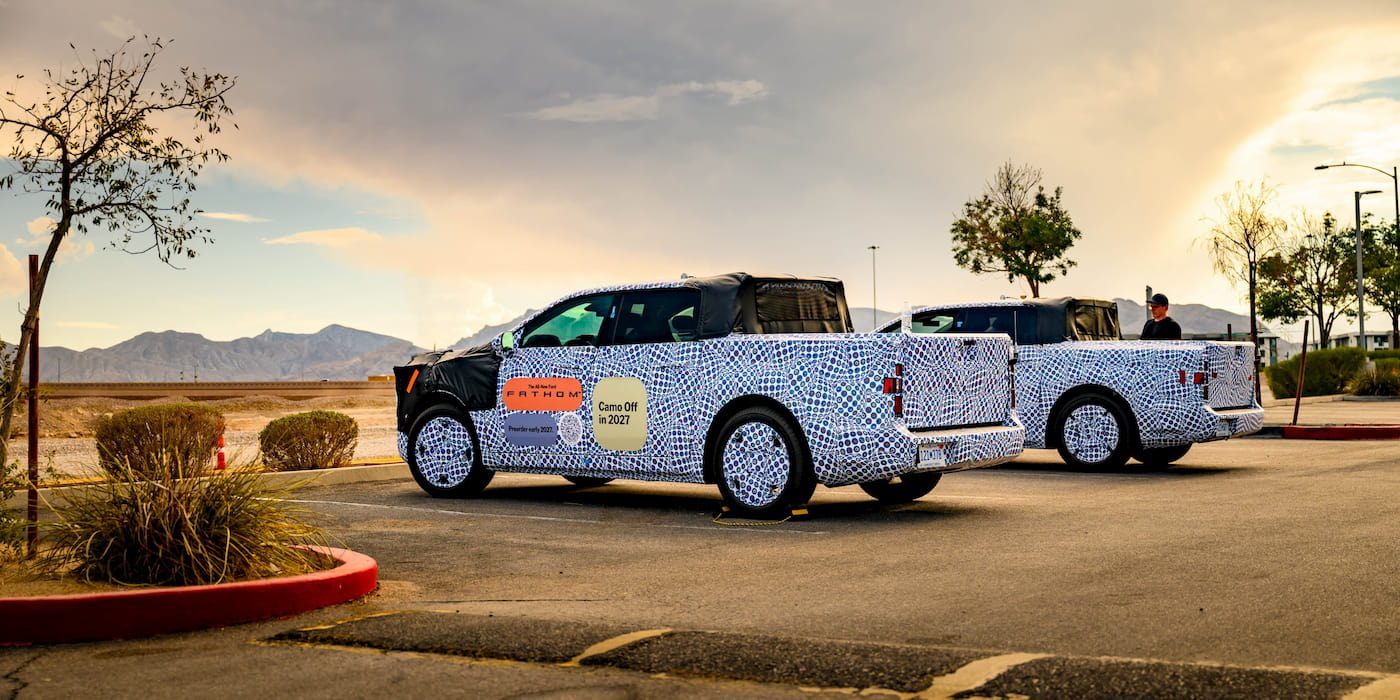
To capture a broader demographic of buyers who have been priced out of the current EV market, Ford is pinning its hopes on the newly minted Fathom. First revealed by the automaker in August, the Fathom represents a radical departure from the massive, heavy, and expensive full-sized trucks of the previous era. Positioned as an affordable, highly efficient midsize or compact electric pickup, the standard-range Fathom will carry a base MSRP of $28,350, excluding a $1,595 destination and delivery fee. Even with shipping factored in, the vehicle comfortably achieves Ford’s stated goal of delivering a true sub-$30,000 electric truck.
The Fathom will serve as the premier showcase vehicle for Ford’s groundbreaking Universal Electric Vehicle (UEV) platform. Developed from a clean-sheet design, the UEV architecture is engineered specifically to maximize manufacturing efficiency, drastically reduce component complexity, and lower production costs. According to engineering briefings shared by Ford executives, the UEV platform will deliver a massive step-change in energy efficiency compared to the legacy framework utilized by the F-150 Lightning.
Despite its smaller footprint, Ford promises that the Fathom will not skimp on utility or cabin comfort. Early specifications indicate that the interior packaging will offer more usable passenger space than popular compact crossovers like the Toyota RAV4, cleverly utilizing the front trunk (frunk) and lack of a traditional transmission tunnel to maximize interior volume. Furthermore, the Fathom will break new ground in software integration as the first automotive product to feature native, directly integrated Apple Maps embedded squarely into its core navigation system, bypassing the need for phone mirroring for Apple ecosystem users.
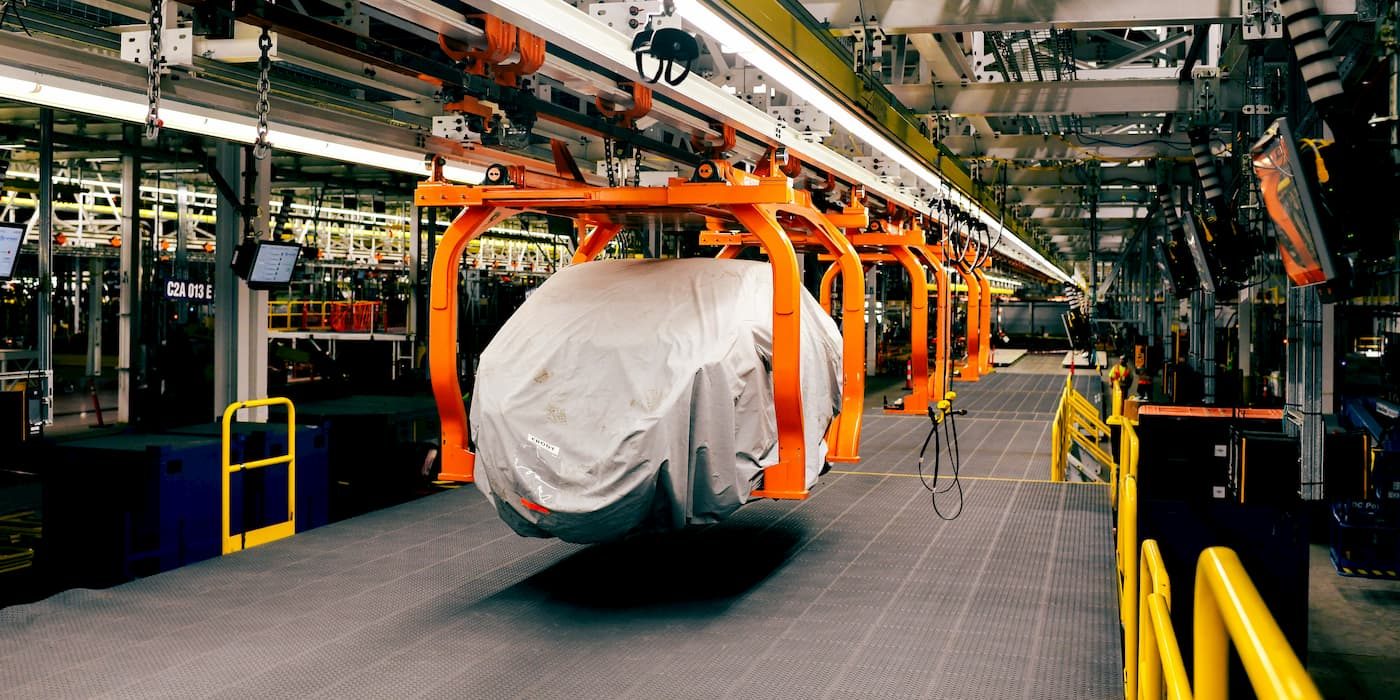
CEO Jim Farley offered enthusiasts and investors an exclusive preliminary look at a prototype of the Fathom during a video broadcast earlier this month, showcasing its modern exterior lines and aerodynamic silhouette. Production of the Fathom is scheduled to begin officially in early 2027 at the company’s historic Louisville Assembly plant in Kentucky, a facility currently undergoing retooling to accommodate the advanced UEV production lines.
Bridging the Gap: The Rise of the Extended-Range Electric Vehicle (EREV)
While the Fathom addresses the affordable, smaller end of the utility spectrum, Ford recognizes that a significant portion of truck buyers—particularly contractors, rural residents, and long-distance haulers—require capabilities that a small battery-electric pickup simply cannot deliver efficiently. To fill this void, Ford is bypassing a direct successor to the full-size Lightning in favor of an advanced Extended-Range Electric Vehicle (EREV) architecture.
Unlike a traditional plug-in hybrid that relies primarily on an internal combustion engine with electric assistance, an EREV functions fundamentally as an electric vehicle. The wheels are driven entirely by electric motors, providing the instantaneous torque and smooth power delivery that drivers expect from an EV. However, unlike a pure battery-electric vehicle, an EREV incorporates a dedicated, highly efficient on-board gas generator.
During his December appearance on CNBC, Jim Farley championed the EREV concept as a vastly superior pragmatic solution for the current state of infrastructure and consumer demand. Farley noted that internal testing and market research indicate the EREV configuration solves the anxiety of long-distance driving while maintaining the environmental and operational benefits of electrification. According to Ford’s preliminary performance projections, the upcoming EREV truck will offer a staggering total driving range exceeding 700 miles on a single tank of gas and a full battery charge. More importantly for daily commuting and local utility, the vehicle is expected to operate on pure, zero-emission electricity for approximately 90 percent of typical driving routines.
This dual-pronged product strategy allows Ford to hedge its bets against the unpredictable scaling of public fast-charging networks, particularly in rural and remote regions of North America. By offering a vehicle that can plug in for daily local use but seamlessly switch to liquid fuel for cross-country journeys or heavy towing tasks, Ford hopes to win over skeptical truck loyalists who have resisted pure battery adoption.
Timeline and Strategic Implications for the Automotive Industry
Ford’s aggressive pivot highlights a broader recalibration happening across the global automotive sector. The era of unbridled, capital-intensive optimism surrounding pure-battery portfolios has given way to a more pragmatic, margin-focused reality. Automakers are learning that forcing consumers to adopt expensive, heavy, long-range pure EVs in the absence of robust charging infrastructure and government subsidies is economically unsustainable.
The current timeline outlines a pivotal transition period for Ford:

- December: Ford officially halts production of the first-generation F-150 Lightning, retiring the nameplate from active sales configurations while guaranteeing ongoing software and service support for existing fleet and retail owners.
- August: Ford publicly announces the Fathom nameplate and sets a baseline target price of $28,350 for its upcoming affordable EV platform.
- September: CEO Jim Farley showcases early prototype footage of the Fathom during public broadcasts, building anticipation for its market rollout.
- Early 2027: Official commercial production of the Fathom EV is slated to commence at the Louisville Assembly plant, marking the commercial debut of the UEV platform.
- 2027 and Beyond: Rollout of the extended-range electric vehicle (EREV) truck lineup, aiming to deliver over 700 miles of combined range and targeted profitability for Ford’s commercial and retail truck divisions.
Industry analysts are viewing Ford’s pivot as a calculated and necessary course correction. By shedding low-margin, high-cost electric models and replacing them with hyper-efficient platforms like the UEV-based Fathom and versatile EREV powertrains, Ford is positioning itself to weather the transitional phase of the energy transition without destabilizing its core business finances.
As the official launch dates for both the Fathom and the EREV truck draw closer, consumers and industry observers await final data regarding payload capacity, towing metrics, battery chemistry, and exact specifications. Until then, Ford’s high-stakes gamble serves as a clear indicator that the future of American trucking will not be a one-size-fits-all electric dream, but rather a carefully calibrated mix of affordability, efficiency, and range-extended versatility.