Sonos Beam Ultra review: A transformative leap in compact spatial audio

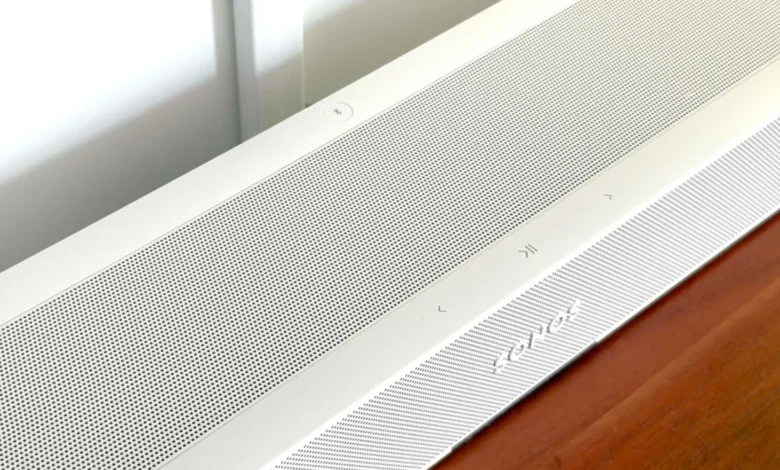
The home audio landscape has long struggled to reconcile the demand for cinematic, immersive sound with the physical constraints of modern living environments. For years, the original Sonos Beam and its successor, the Beam Gen 2, stood as the industry benchmark for "real-world" audio—delivering high-fidelity performance without requiring the dedicated floor space of a traditional home theater system. Today, Sonos continues this trajectory with the launch of the Sonos Beam Ultra, a $699 soundbar that integrates true upward-firing drivers and advanced computational audio to redefine the capabilities of a compact unit.
Architectural Evolution and Technical Specifications
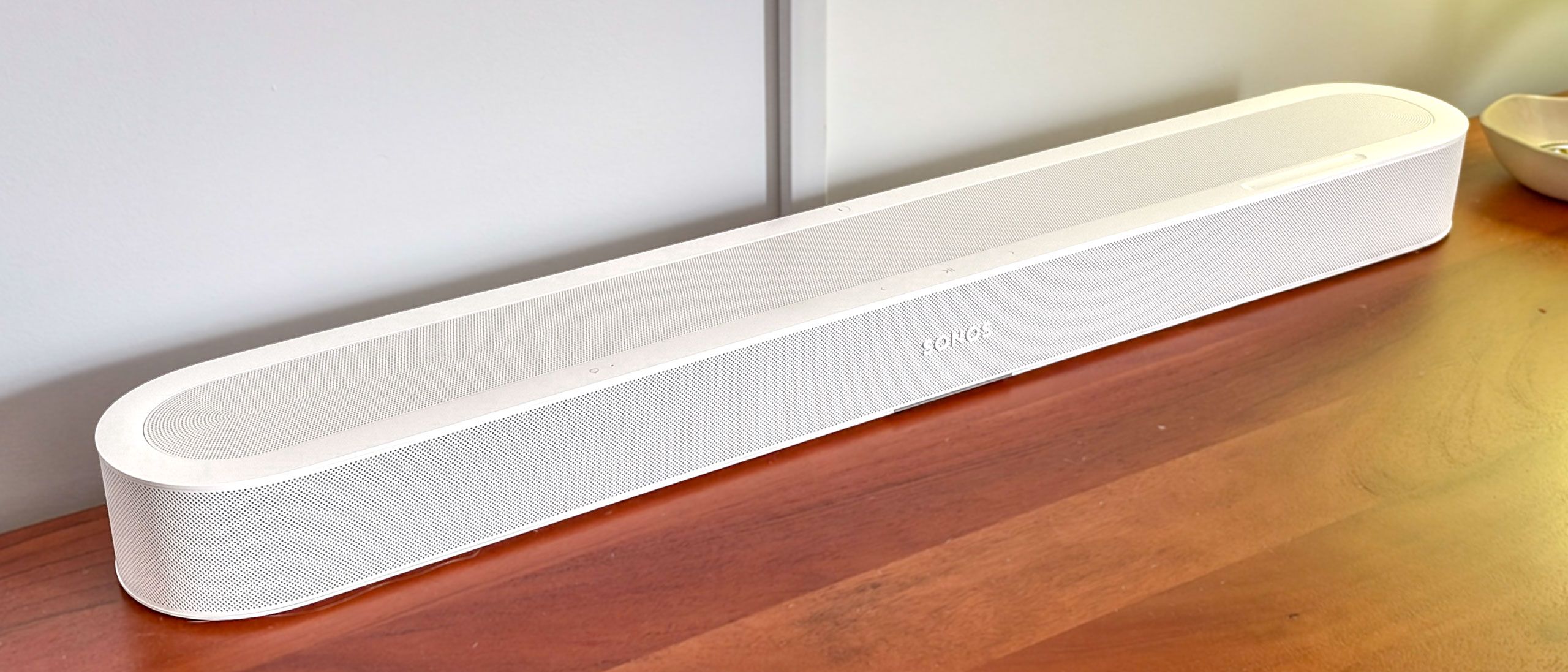
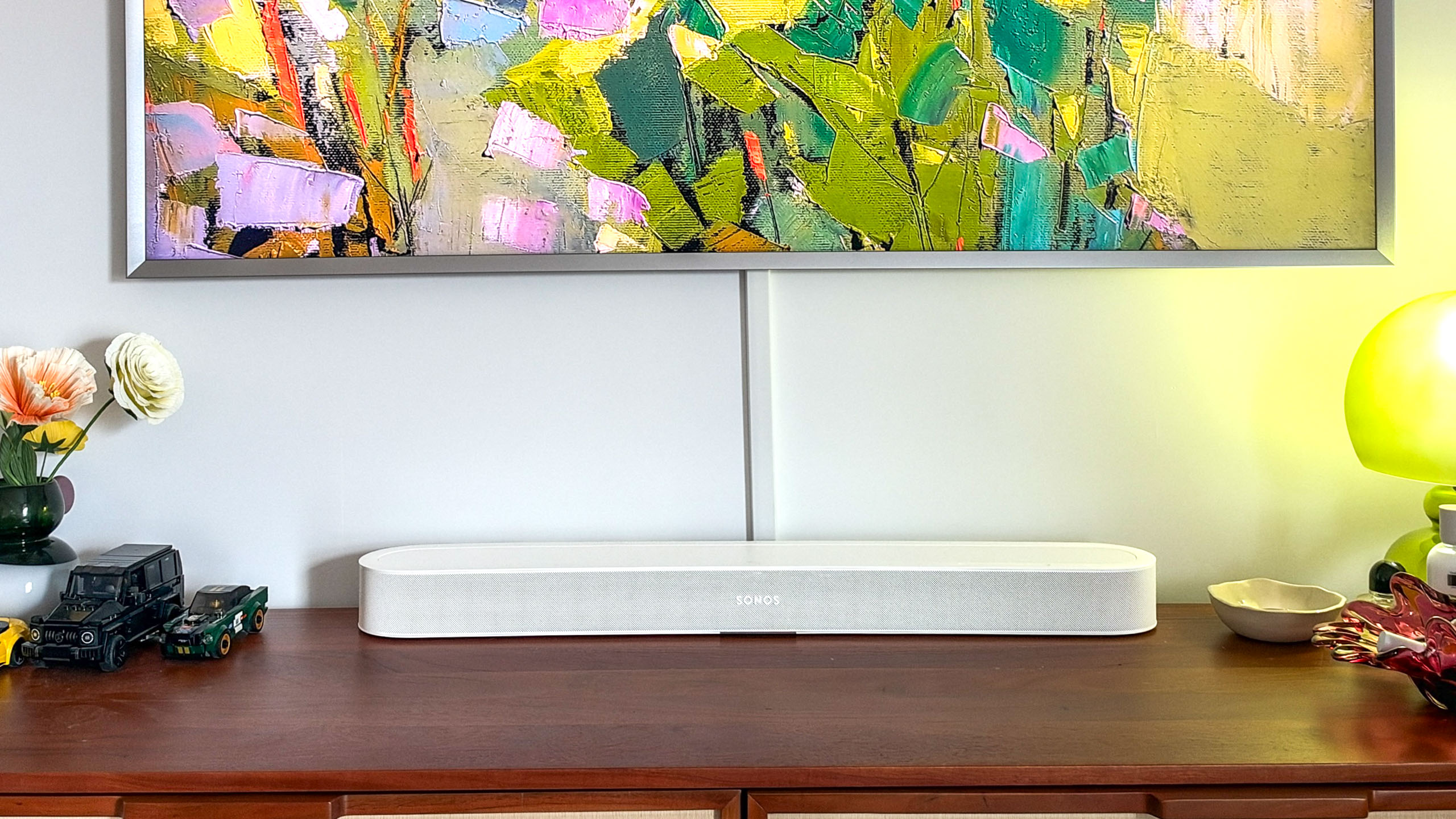
The Sonos Beam Ultra represents a significant departure from the acoustic design of its predecessors. While the Beam Gen 2 relied heavily on software-simulated Dolby Atmos—a process that uses psychoacoustic tricks to mimic height—the Beam Ultra introduces a genuine hardware-based solution. The unit features an array of nine Class-D amplifiers powering a sophisticated driver configuration: five tweeters, including two precisely angled to bounce sound off the ceiling, and four custom-engineered woofers.
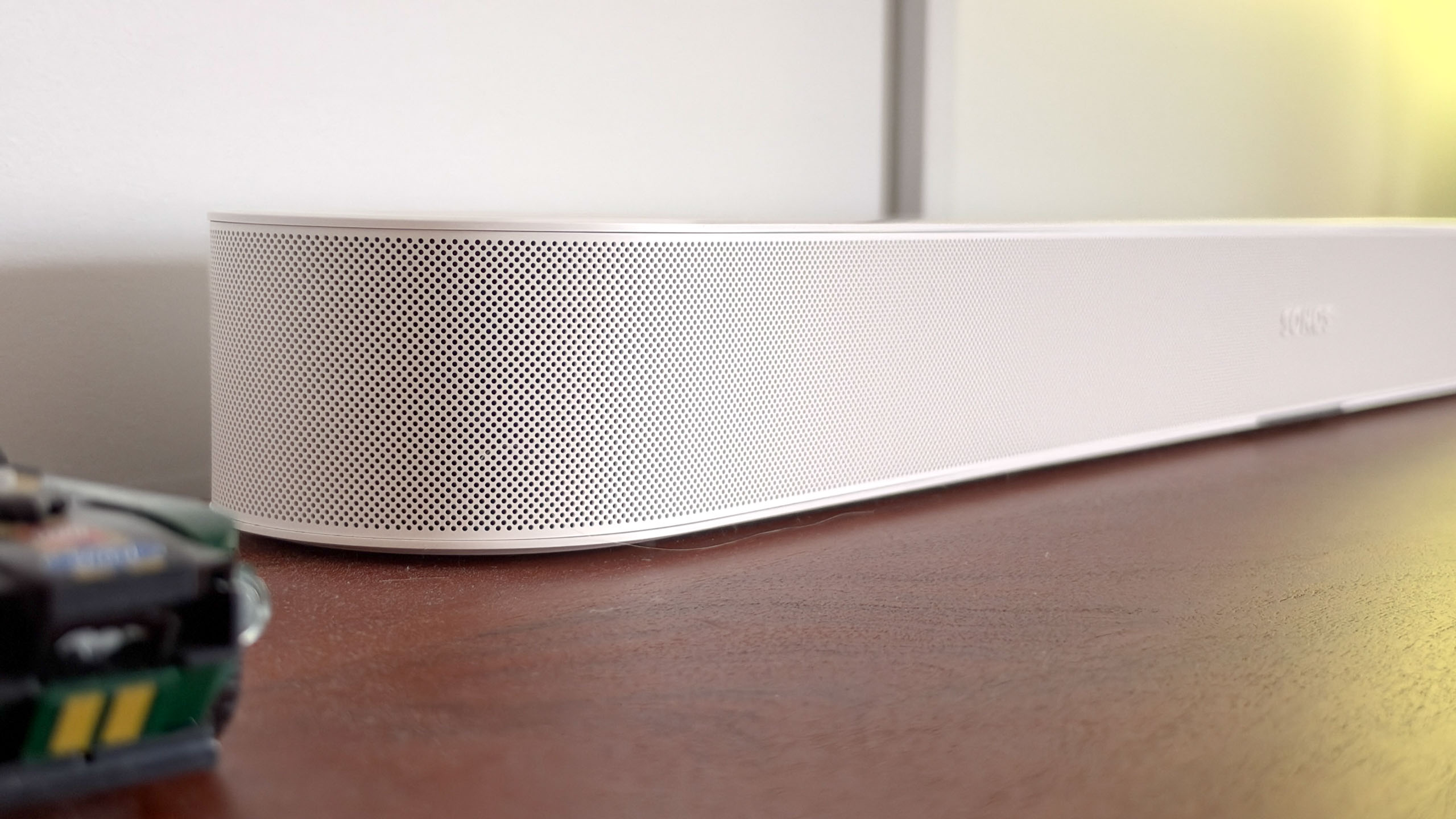
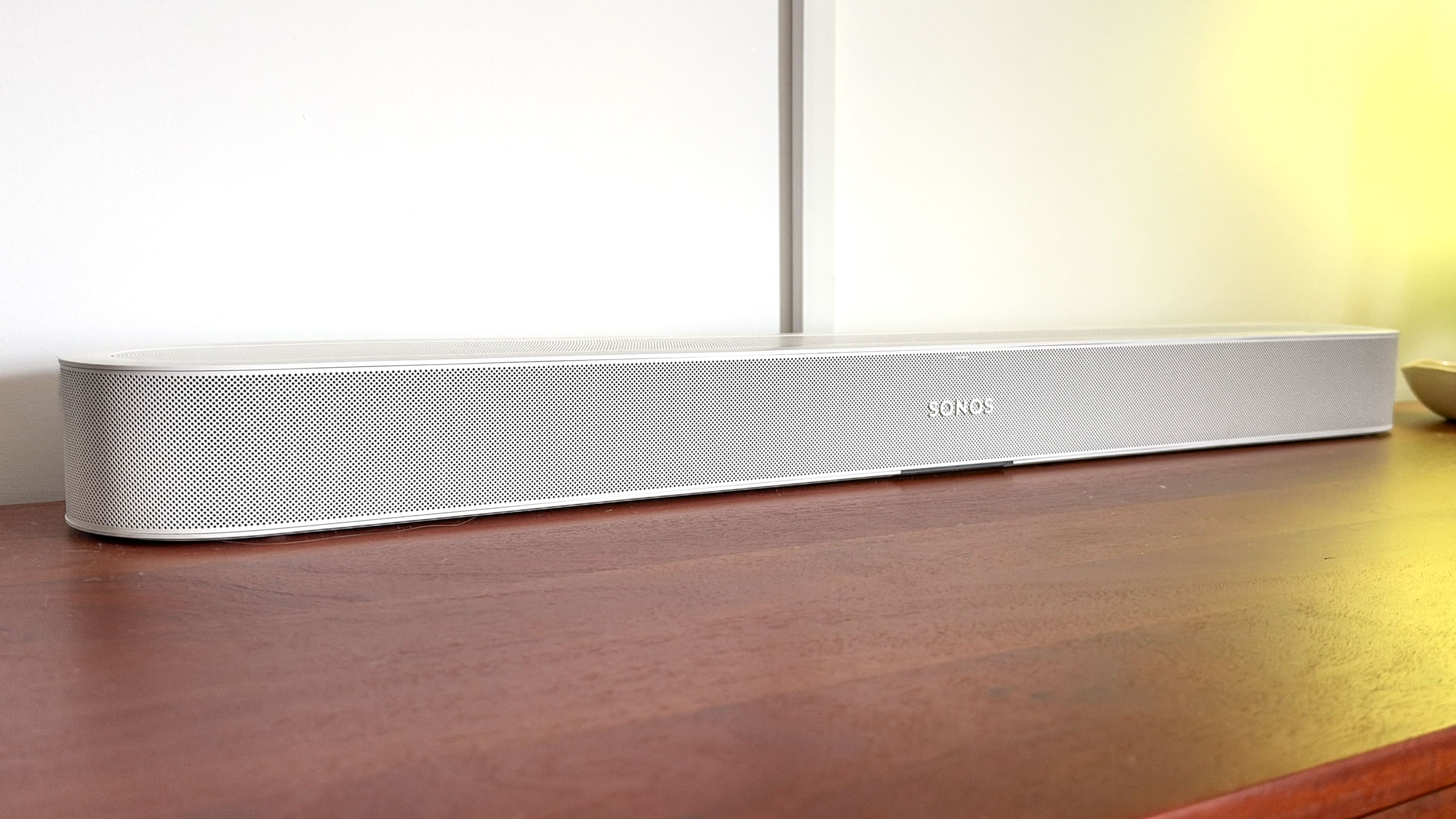
This 7.2.1-channel architecture allows for a discrete, three-dimensional soundstage. By utilizing physical vertical channels, the soundbar creates a tangible sense of overhead movement, a critical component of the Dolby Atmos experience that virtual processing often fails to achieve with precision. At 2.5 inches in height and a width designed to complement 55-inch and 65-inch television displays, the unit maintains the minimalist, low-profile aesthetic that has become a hallmark of the Sonos brand.
Chronology of Development and Market Positioning
Sonos’s journey toward the Beam Ultra has been characterized by a strategic focus on the "connected home." Following the release of the Beam Gen 2, industry analysts noted a growing consumer preference for modular home theater setups. Sonos responded by diversifying its ecosystem, enabling users to pair soundbars with portable speakers and subwoofers wirelessly.
The development of the Beam Ultra occurred alongside the rollout of Sonos 27, the company’s most significant operating system overhaul to date. Following a challenging 2024, during which the company faced public criticism regarding its app performance and stability, Sonos 27 was engineered to address these concerns directly. The new OS introduces improved latency management for multiroom audio and enhanced AI-driven room calibration, a feature that utilizes the soundbar’s integrated far-field microphones to adjust acoustics in under 30 seconds.
Comparative Analysis and Market Impact
When compared to its siblings and competitors, the Beam Ultra occupies a specific niche. The flagship Sonos Arc Ultra is tailored for larger living rooms and high-end home theaters, utilizing "Sound Motion" technology for deep bass extension that might overwhelm smaller rooms. Conversely, the Beam Gen 2 remains a viable entry-point for smaller spaces, though it lacks the vertical sound imaging of the new model.
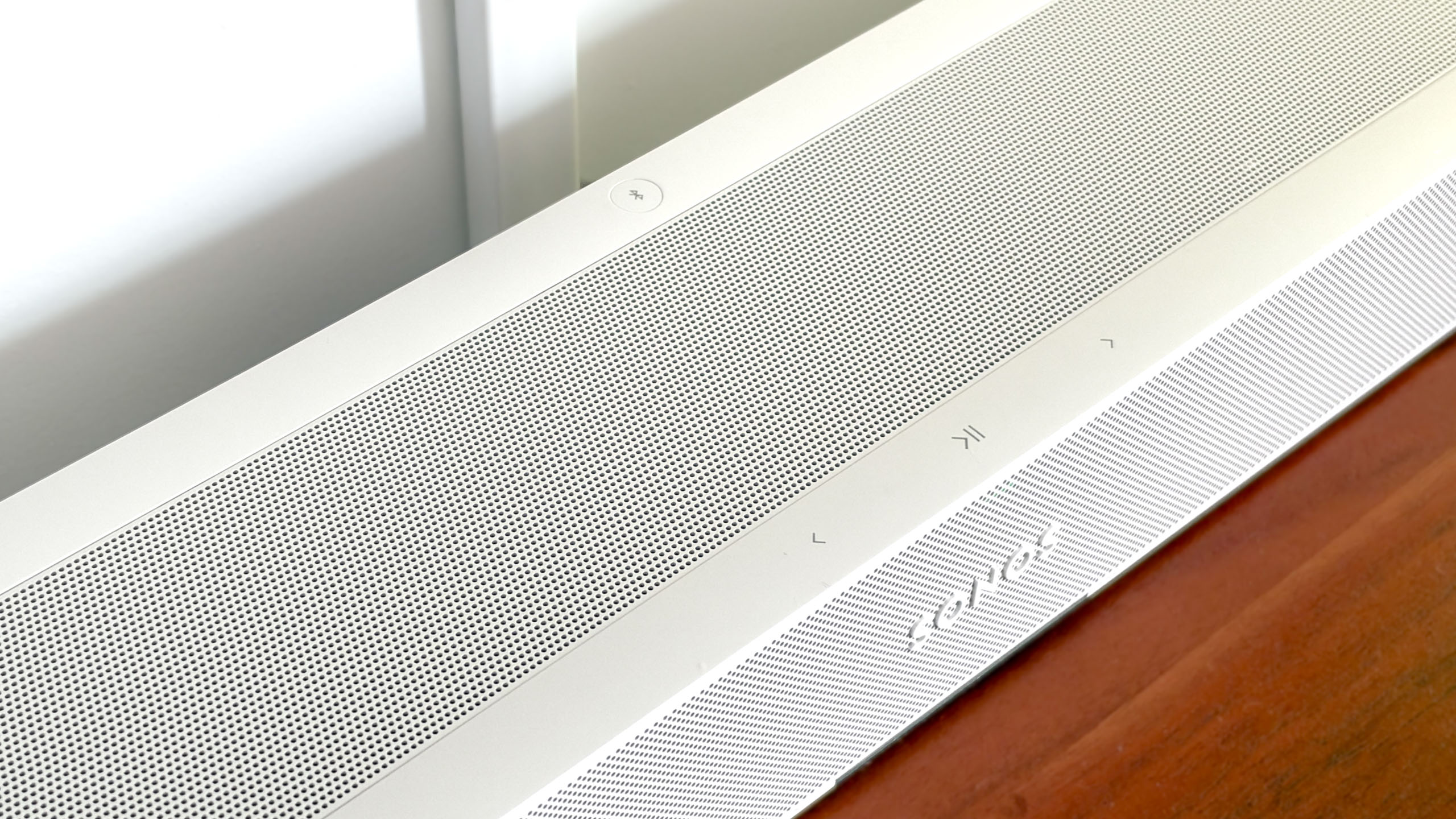
In the broader market, the Beam Ultra competes with the Bose Smart Soundbar 600 and the Sony BRAVIA Theater Bar 7. While the Bose offering provides physical up-firing drivers at a lower price point, it lacks the expansive, software-driven ecosystem advantages of the Sonos platform. The Sony alternative is often favored by gamers due to its dedicated HDMI 2.1 passthrough, a feature notably absent on the Beam Ultra. Sonos has chosen to prioritize a minimalist, eARC-only connection, forcing all audio signals through the television. This design choice implies a focus on simplicity and ease of use, though it may necessitate the use of an HDMI switch for users with multiple high-bandwidth gaming consoles.
Performance in Real-World Scenarios
Subjective testing during intensive media playback, such as high-octane action sequences, reveals a marked improvement in sound dispersion. During testing, the Beam Ultra’s ability to project audio effects onto the ceiling and walls provided a level of immersion that effectively widened the soundstage beyond the physical dimensions of the bar.
Equally important is the integration of an AI-assisted speech enhancement algorithm. As home media becomes more complex, featuring layered orchestral scores and intricate sound design, dialogue clarity often suffers. The Beam Ultra’s processing power allows for the isolation of vocal frequencies, ensuring that dialogue remains crisp and centered even during chaotic scenes. This technology places Sonos in direct competition with Sony’s proprietary dialogue processing, which has long been considered the industry gold standard.
Ecosystem Integration and Multiroom Utility
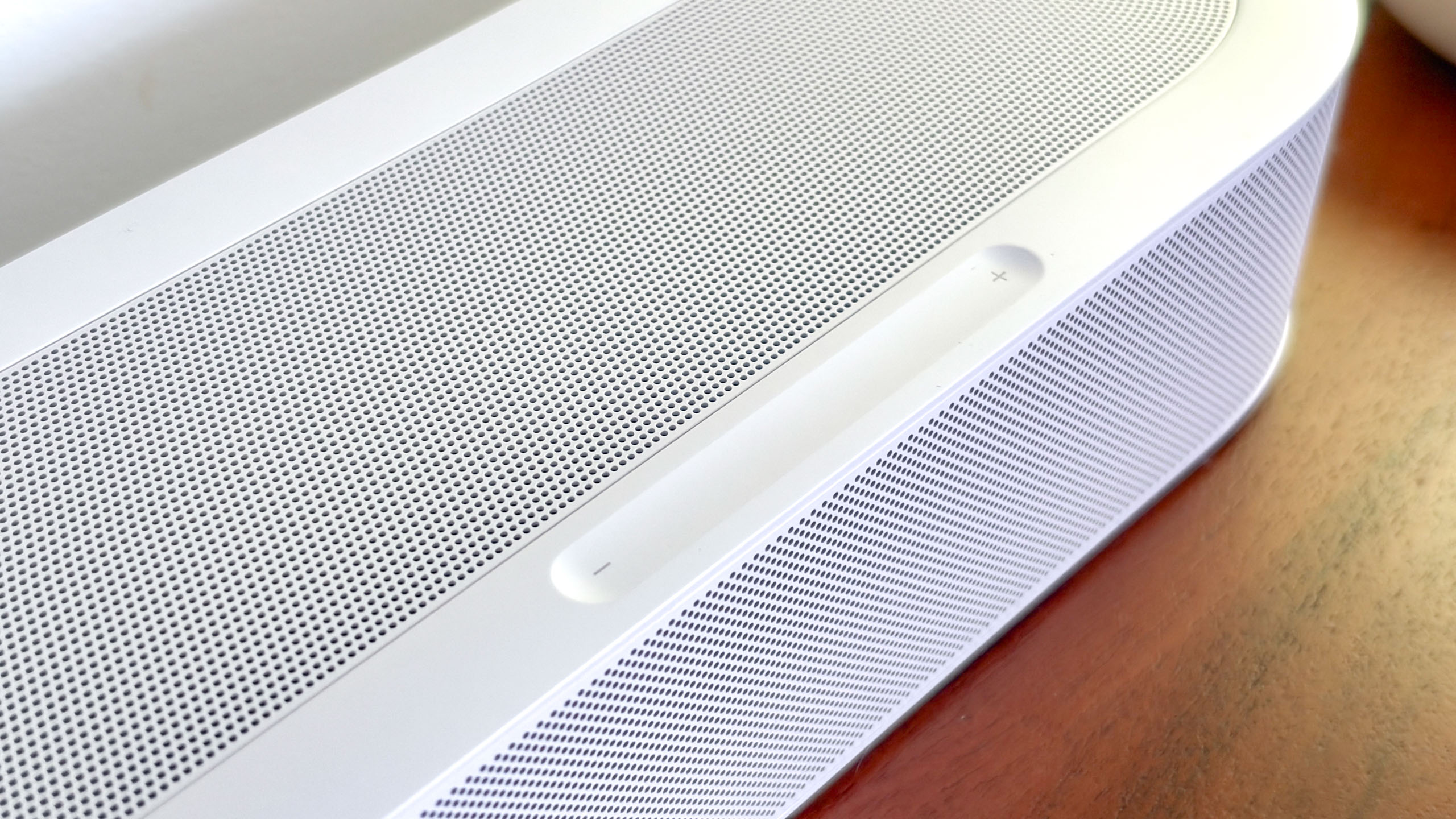
The true value proposition of the Beam Ultra lies in its connectivity within the wider Sonos network. The system’s ability to pair with portable speakers—such as the Sonos Move or Roam—to act as temporary rear channels allows for a highly flexible, modular cinema experience. This setup is particularly effective for users in apartments or bedrooms who cannot run permanent cables for surround sound.
Furthermore, the integration with the Sonos Ace headphones represents a new frontier for private listening. With a simple tap in the Sonos app, users can hand off audio from the TV to their headphones without navigating complex Bluetooth menus, a seamless transition that minimizes latency and ensures high-fidelity playback.
Broader Implications and Strategic Challenges
The release of the Beam Ultra occurs at a critical juncture for Sonos. The company is currently in a phase of "rebuilding trust" with its user base following the 2024 software controversy. By tying the hardware release of the Beam Ultra to the launch of the refined Sonos 27 OS, the company is attempting to signal a return to its roots: high-quality hardware bolstered by a seamless, reliable software experience.
From an economic perspective, the $699 price point places the Beam Ultra in the premium tier for compact soundbars. Whether the average consumer perceives the jump from the Beam Gen 2 to the Ultra as significant enough to justify the price delta will be the primary factor in the product’s long-term success. However, for those already invested in the Sonos ecosystem, the cumulative benefits—the new acoustic architecture, the improved OS, and the modularity of the multiroom setup—present a compelling case for an upgrade.
Conclusion and Future Outlook
The Sonos Beam Ultra serves as a definitive statement on the current state of home audio technology. It demonstrates that with the right combination of physical drivers and intelligent software, a compact device can deliver a performance that approaches that of a full-scale, dedicated theater system.
While the lack of HDMI passthrough may be a limitation for some enthusiast gamers, the product’s core strengths—specifically its vertical sound dispersion, superior dialogue clarity, and seamless multiroom ecosystem—position it as a leader in its category. As consumers continue to prioritize high-quality audio in smaller, more versatile spaces, the Beam Ultra is poised to become a staple in the mid-sized home theater market. Moving forward, the company’s success will likely depend on its ability to maintain the stability of the Sonos 27 platform while continuing to innovate in the increasingly competitive space of smart, connected audio.