Sir Patrick Stewart, Legendary Stage and Screen Icon Known for Star Trek and X-Men, Passes Away at 86

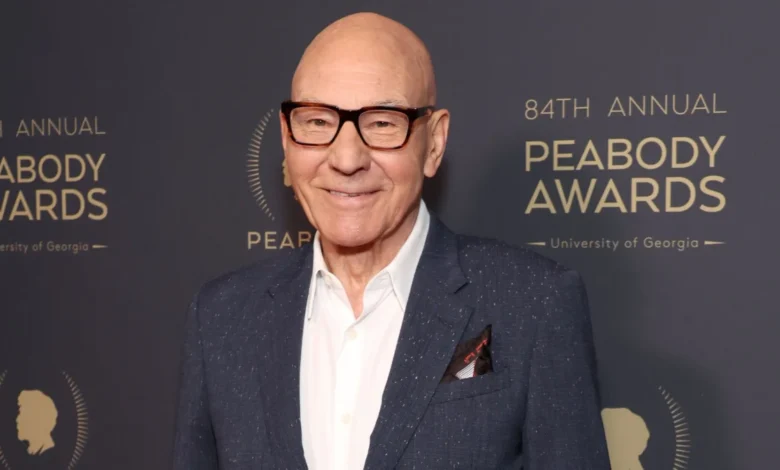
Sir Patrick Stewart, whose towering presence on stage and screen defined generations of science fiction, fantasy, and classical drama, has died at the age of 86. His passing, announced via a statement on his official X (formerly Twitter) account, followed what family described as a brief and poignant journey with Alzheimer’s Disease and Lewy Body Dementia. Over a career spanning more than six decades, Stewart transformed from a gritty Yorkshire-born theater apprentice into a universally recognized cultural titan, leaving an indelible mark on British theater, Hollywood blockbuster franchises, television history, and the gaming medium.
The announcement of his death has sent shockwaves through the entertainment industry, prompting widespread tributes from former co-stars, directors, cultural institutions, and millions of fans worldwide who found solace and inspiration in his dignified performances. According to the family’s statement, Stewart spent his final moments surrounded by the warm embrace of loved ones, enveloped in live music, prayer, tears, and laughter. He leaves behind a legacy defined by intellectual rigor, emotional resonance, and an unyielding commitment to his craft.
A Theatrical Genesis: From Yorkshire Roots to the Royal Shakespeare Company
Born Patrick Stewart on July 13, 1940, in Mirfield, West Yorkshire, England, his early life was marked by poverty and domestic hardship, elements he would later credit with driving his fierce ambition. Finding an early escape in acting, he joined a local drama group at the age of 12. By 15, he had left school to work as a junior reporter for a local newspaper, though he was eventually nudged out by an editor who recognized that the young Stewart spent more time skipping work to rehearse plays than reporting the news.
Stewart soon committed fully to the dramatic arts, training at the Bristol Old Vic Theatre School. His professional theatrical debut came in 1959 at the Malvern Theatre, playing Peaseblossom in A Midsummer Night’s Dream. In 1966, he achieved a major milestone by joining the prestigious Royal Shakespeare Company (RSC). Over the next two decades, Stewart established himself as one of the preeminent classical stage actors of his generation, commanding audiences with his booming, resonant baritone, razor-sharp diction, and intense emotional gravity. His time with the RSC took him around the globe, cementing his reputation as a master interpreter of Shakespearean tragedy and comedy alike.
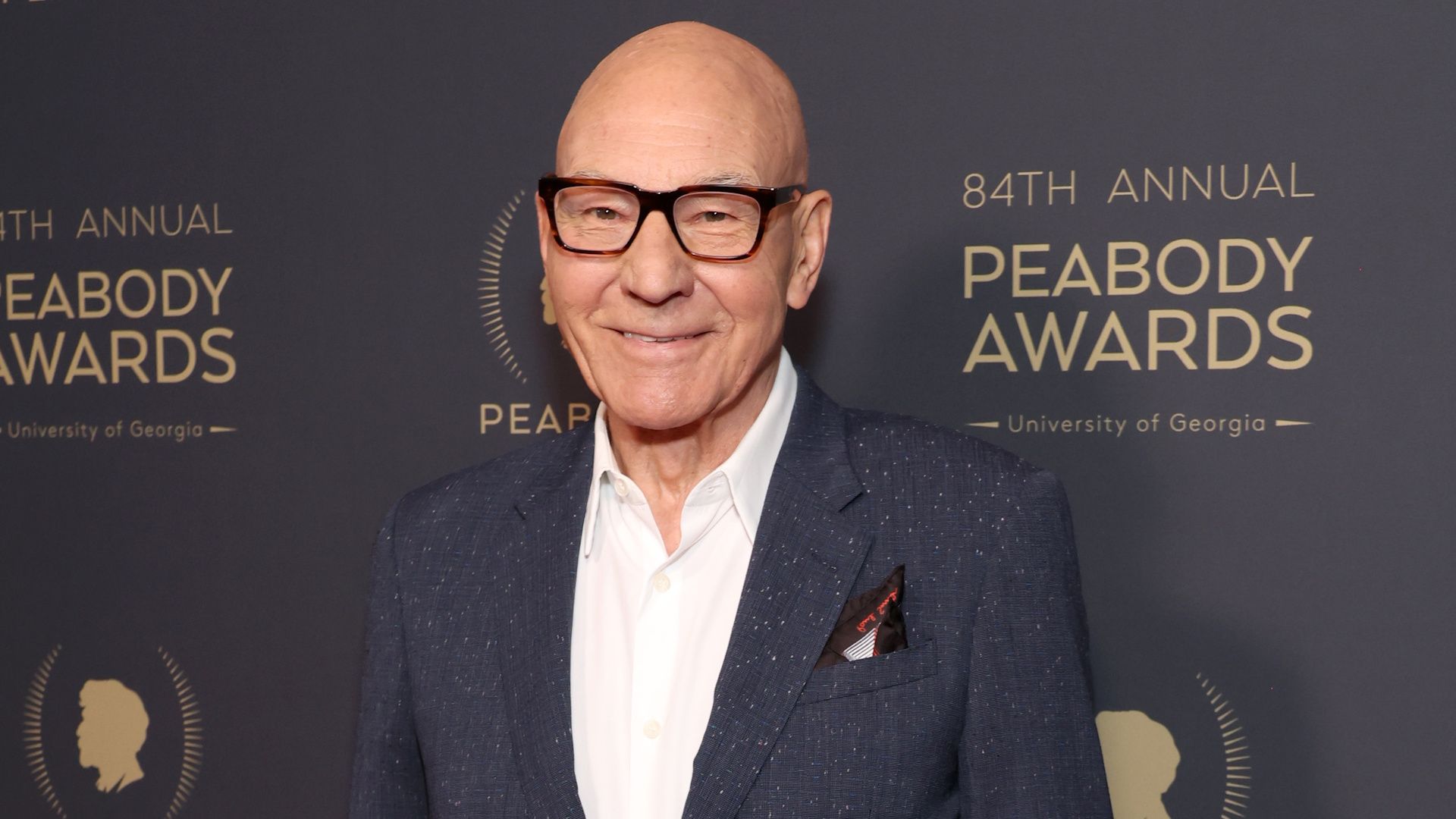
Transitioning to television and film in the late 1960s and 1970s, Stewart made his small-screen debut in an episode of the long-running British soap opera Coronation Street in 1967. He made his Broadway debut in 1971 in Peter Brook’s legendary, minimalist production of A Midsummer Night’s Dream. Throughout the 1970s and 1980s, he built a solid reputation as a reliable character actor in British television dramas and high-profile cinematic adaptations, including roles in John Boorman’s Arthurian epic Excalibur (1981) as King Leodegrance and David Lynch’s science fiction classic Dune (1984) as Gurney Halleck. However, global superstardom remained just out of reach until a fateful casting call in 1987.
The Captain’s Chair: Defining Star Trek: The Next Generation
When television producer Gene Roddenberry set out to revive the dormant Star Trek franchise with a new series in the mid-1980s, the idea of casting a bald, middle-aged British Shakespearean actor to lead a major American sci-fi show was considered risky by network executives. Stewart initially believed the job would last a few weeks at best, allowing him to return to the London stage. Instead, Star Trek: The Next Generation (TNG), which premiered in September 1987, ran for seven critically acclaimed seasons comprising 178 episodes, spawning four feature films and an entirely new era of television syndication.
As Captain Jean-Luc Picard, Stewart fundamentally altered the archetype of the sci-fi action hero. In contrast to Captain James T. Kirk’s swashbuckling, impulsive demeanor portrayed by William Shatner in the original 1960s series, Picard was intellectual, deeply moral, deeply read in history and literature, and fiercely diplomatic. He approached conflicts with a negotiator’s patience and a philosopher’s wisdom, yet possessed an unyielding inner steel when the situation demanded action.
Picard became a cultural touchstone. The character’s catchphrases—most notably "Make it so" and "Engage"—entered the cultural lexicon, while his complex morality episodes addressed racism, artificial intelligence, bodily autonomy, and diplomacy in ways that resonated deeply with viewers. Stewart reprised the role multiple times on the big screen in films such as Star Trek: Generations (1994) and Star Trek: First Contact (1996), and later returned to lead the Paramount+ streaming series Star Trek: Picard (2020–2023), which offered a poignant, autumnal meditation on aging, legacy, and redemption.
Entering the Mutant Universe as Professor X
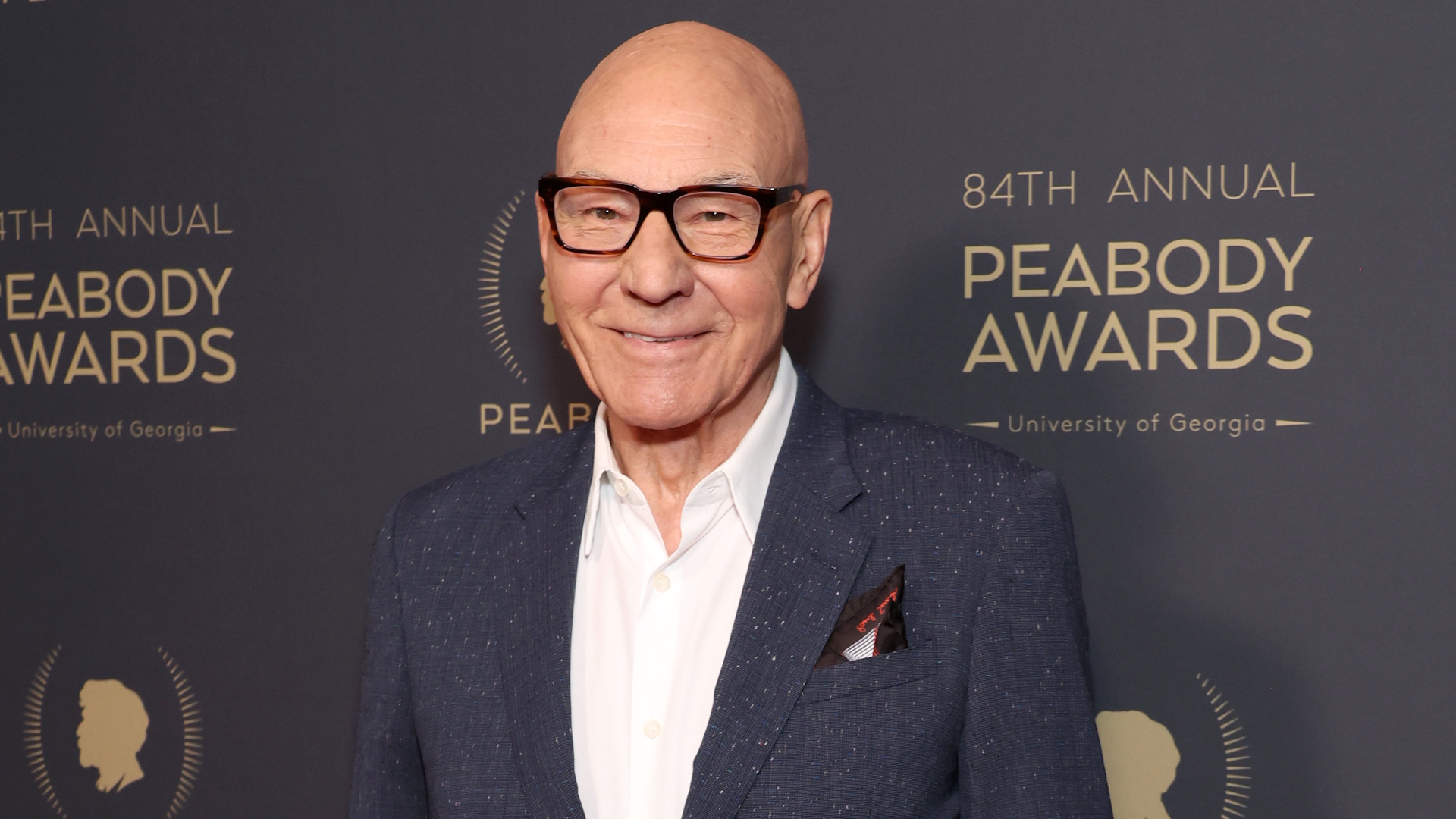
Even as his association with Star Trek cemented his place in pop culture history, Stewart embarked on a second iconic franchise in the year 2000, bringing depth and gravitas to the superhero genre. Director Bryan Singer cast Stewart as Professor Charles Xavier, the wheelchair-bound, telepathic leader of the X-Men, in the groundbreaking 2000 film adaptation.
Playing Professor X allowed Stewart to explore themes of civil rights, persecution, and mentorship. Alongside Sir Ian McKellen, who played his ideological foil and close friend Magneto, Stewart formed one of the greatest cinematic duos of the 21st century. Their interplay anchored a sprawling cinematic franchise that helped launch the modern superhero movie boom. Stewart reprised the role across multiple sequels, including X2: X-Men United (2003), X-Men: The Last Stand (2006), The Wolverine (2013), X-Men: Days of Future Past (2014), and delivering a harrowing, heartbreaking swan song in James Mangold’s gritty 2017 masterpiece Logan. He later made a surprise cameo appearance in the Marvel Cinematic Universe film Doctor Strange in the Multiverse of Madness (2022), delighting fans across generations.
A Storied Voice and Gaming Legacy
Beyond live-action film and television, Stewart’s distinctive, sonorous voice became one of the most recognizable instruments in entertainment. He lent his vocal talents to numerous animated projects, audiobooks, and video games.
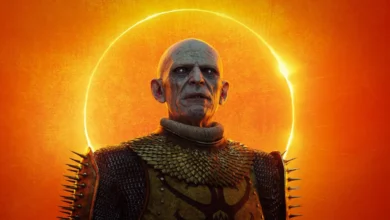
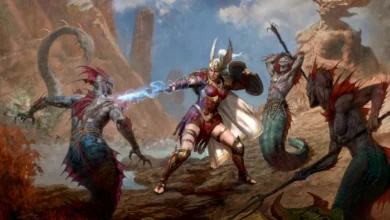
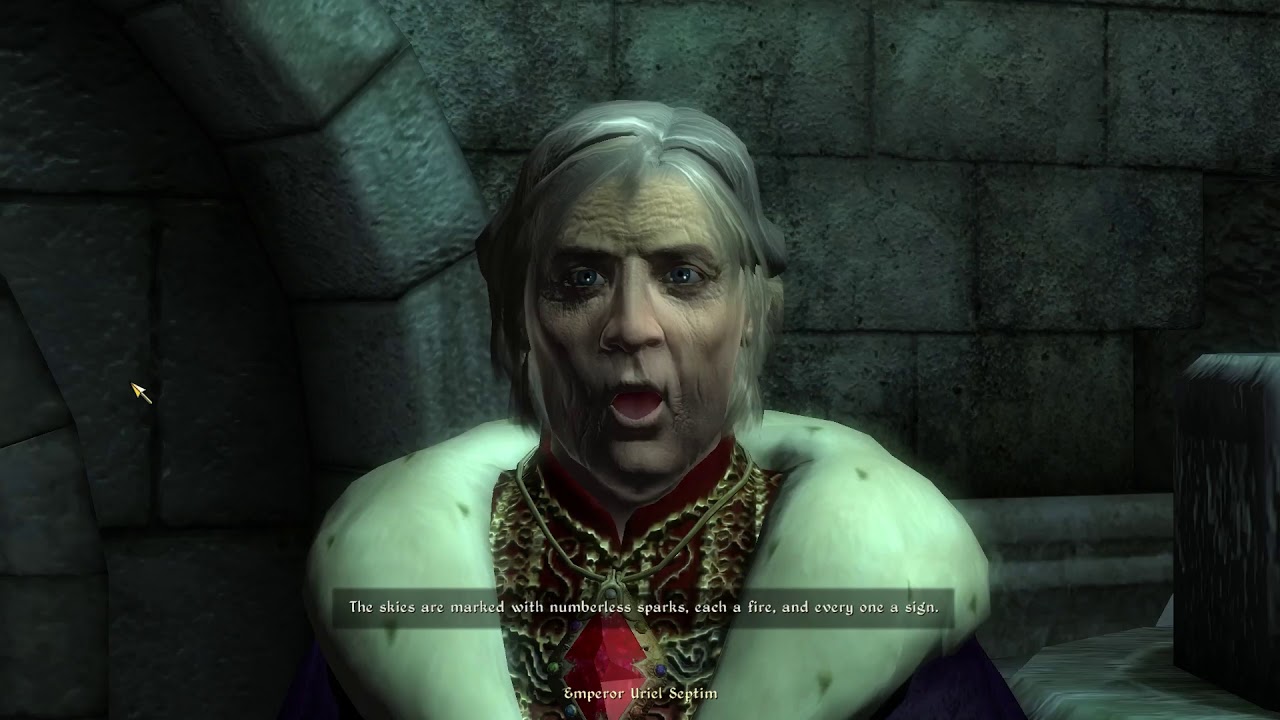
In the gaming world, Stewart’s contributions are legendary. He narrated the classic 1993 PC role-playing game Lands of Lore: The Throne of Chaos, voiced the ancient wizard Khelben Arunsun in Forgotten Realms: Demon Stone (2004), and provided voice work for various Star Trek and X-Men titles. However, his most enduring contribution to gaming history came in 2006, when he voiced Emperor Uriel Septim VII in Bethesda Game Studios’ critically acclaimed masterpiece, The Elder Scrolls IV: Oblivion. The opening sequence of Oblivion, featuring Stewart’s majestic voice warning the player of impending doom before his tragic assassination, remains one of the most iconic moments in video game history, replayed by millions of players over nearly two decades.
Recognition and Knighthood
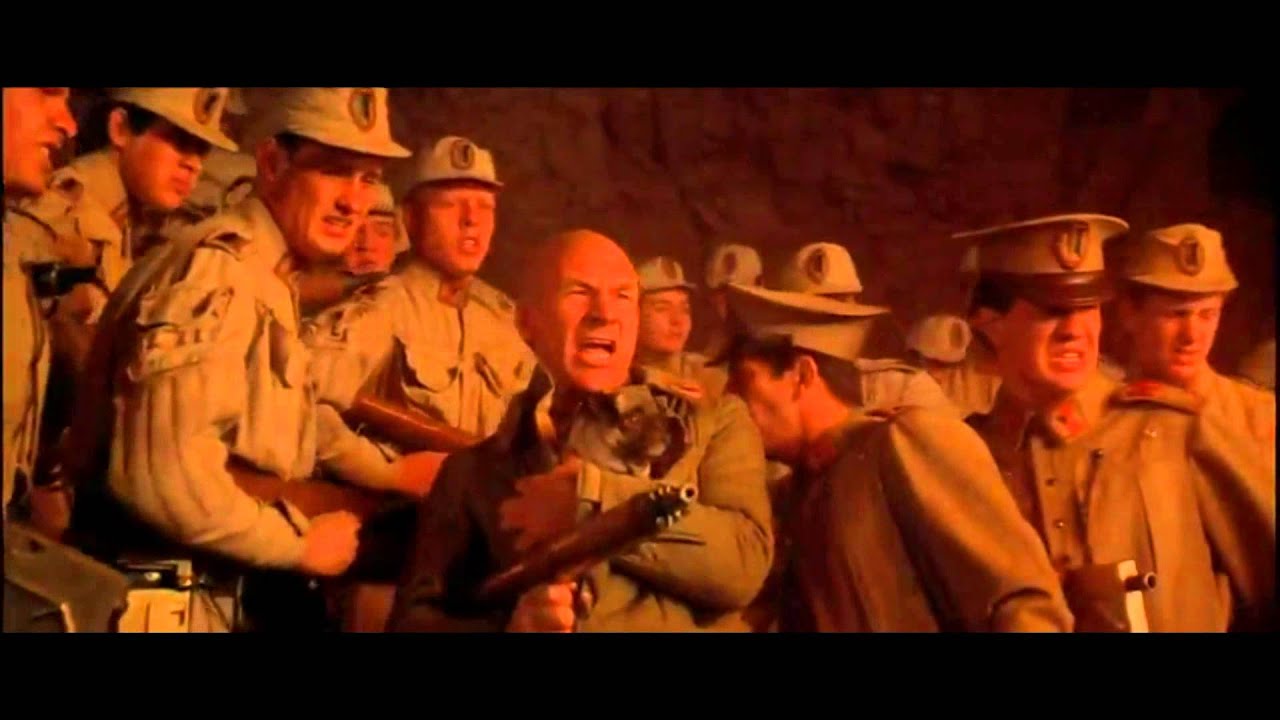
Stewart’s contributions to the arts did not go unnoticed by the establishment. In the 2001 New Year Honours, he was appointed an Officer of the Order of the British Empire (OBE) for services to drama. Nearly a decade later, in the 2010 Queen’s Birthday Honours, he was made a Knight Bachelor by Queen Elizabeth II, officially becoming Sir Patrick Stewart.
Upon receiving his knighthood at Buckingham Palace, Stewart expressed profound humility, describing the honor as "an unlooked-for honour" that belonged as much to the collaborative teams of actors, writers, and directors he worked with throughout his life as it did to him individually. In addition to his knighthood, he received numerous accolades over his lifetime, including Laurence Olivier Awards, Grammy nominations, Emmy nominations, and a star on the Hollywood Walk of Fame.
Global Tributes and Official Responses
News of Stewart’s passing prompted an immediate outpouring of grief and admiration from colleagues, public figures, and international organizations. William Shatner, his longtime contemporary across the Star Trek frontier, shared an emotional tribute on X.
"What a heartbreaking week it has been. Sir Patrick Stewart was a friend, a colleague, and a magnificent actor," Shatner wrote. "From the stage to the bridge of the Enterprise, he brought intelligence, grace, and a deep sense of humanity to everything he did. Captain Picard stood for the best of us, and so did the man who played him. I was filled with affection and admiration for him and his work. My heart goes out to Sunny and his family. He will be deeply missed."
Other co-stars from Star Trek: The Next Generation, X-Men, and his theatrical endeavors shared memories of his professionalism, sharp wit, and deep kindness behind the scenes. Fans organized impromptu memorials outside entertainment landmarks and shared favorite quotes, clips, and tributes across social media platforms, highlighting the profound personal impact his characters had on their lives.
In their official statement, the family requested that in lieu of flowers, memorial contributions be made to research and caregiver support organizations addressing the conditions that marked his final years: the Johns Hopkins Alzheimer’s Disease Research Center Fund and the Alzheimer’s Foundation of America Caregiver Resources.
Implications and Cultural Legacy
Sir Patrick Stewart’s death marks the conclusion of a remarkable chapter in cultural history. He belonged to a rare cadre of classically trained British actors who successfully bridged the gap between high-culture theater and mass-market pop culture, bringing artistic credibility to genres that had previously been dismissed by traditional critics as mere escapism.
By treating science fiction and fantasy with the same dramatic gravity and emotional truth as Shakespearean tragedy, Stewart elevated the material, proving that stories about space exploration and mutant superheroes could explore the deepest questions of human morality, empathy, and dignity. As generations of fans continue to watch his performances on screens large and small, Sir Patrick Stewart’s legacy remains secure—not merely as a captain of starships or a leader of mutants, but as a master artist who reminded the world of the transformative power of grace, intellect, and humanity.