LiberNovo Maxis Review: A High-End Ergonomic Office Chair Built for Big and Tall Professionals

The modern professional workspace has undergone a profound evolution over the past decade, driven largely by the shift toward hybrid working models and extended periods spent at executive desks. Consequently, the market for high-end ergonomic office furniture has experienced a surge in demand, with manufacturers competing to offer advanced wellness features, robust support systems, and premium aesthetic designs. Among the latest entries to challenge legacy titans like Herman Miller and Steelcase is the LiberNovo Maxis, a specialized seating solution engineered specifically for larger and taller users. Retailing in a premium price bracket, the Maxis attempts to justify its cost through an array of sophisticated features, including motorized lumbar support, built-in massage functionality, and active climate control.
Product Overview and Market Positioning
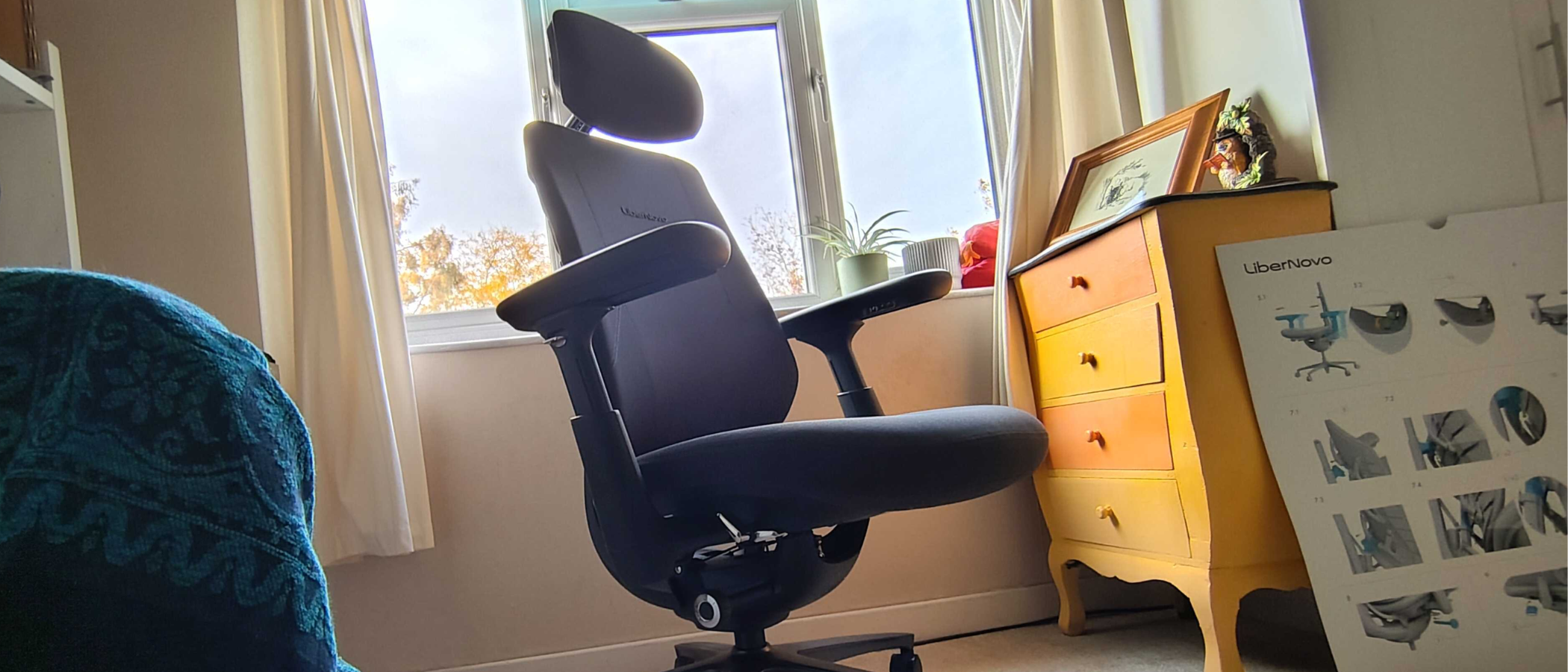
Positioned firmly at the apex of LiberNovo’s office furniture lineup, the Maxis series targets corporate executives, long-hour remote workers, and gaming enthusiasts who require substantial structural support without sacrificing modern stylistic sensibilities. Unlike conventional office chairs that often rely on excessive foam padding or generic mesh configurations, the Maxis utilizes a weight-bearing aluminum exoskeleton design reminiscent of high-end industrial architecture.
The product is available in multiple tiers, beginning with a manual adjustment base model and extending to advanced variants such as the Maxis Electric and the flagship Maxis Airflow. In the United States, the base model carries a list price of $1,299, while the UK market sees an equivalent entry price of £1,099. The feature-rich Maxis Airflow configuration reviewed here commands a higher baseline of $1,859 in the US and £1,699 in the UK, though promotional discounting frequently reduces these figures. Consumers can also select from various bundling options, including standard packages that incorporate matching footrests and premium kits providing auxiliary rechargeable batteries for the chair’s motorized components.
Specifications and Physical Dimensions
The LiberNovo Maxis is built to accommodate individuals requiring generous spatial dimensions and high weight thresholds. Industry testing and manufacturer specifications indicate the chair is structurally optimized for users ranging from 5 feet 10 inches to 6 feet 7 inches in height, with a certified weight capacity of up to 399 pounds (approximately 181 kilograms).
Key dimensional metrics include:
- Seat Depth: 20.47 inches (52 cm)
- Backrest Shoulder Span: 16.93 inches (43 cm)
- Backrest Waist Span: 20.47 inches (52 cm)
- Headrest Vertical Adjustment Range: 5.51 inches (14 cm)
- Headrest Horizontal Adjustment Range: 4.72 inches (12 cm)
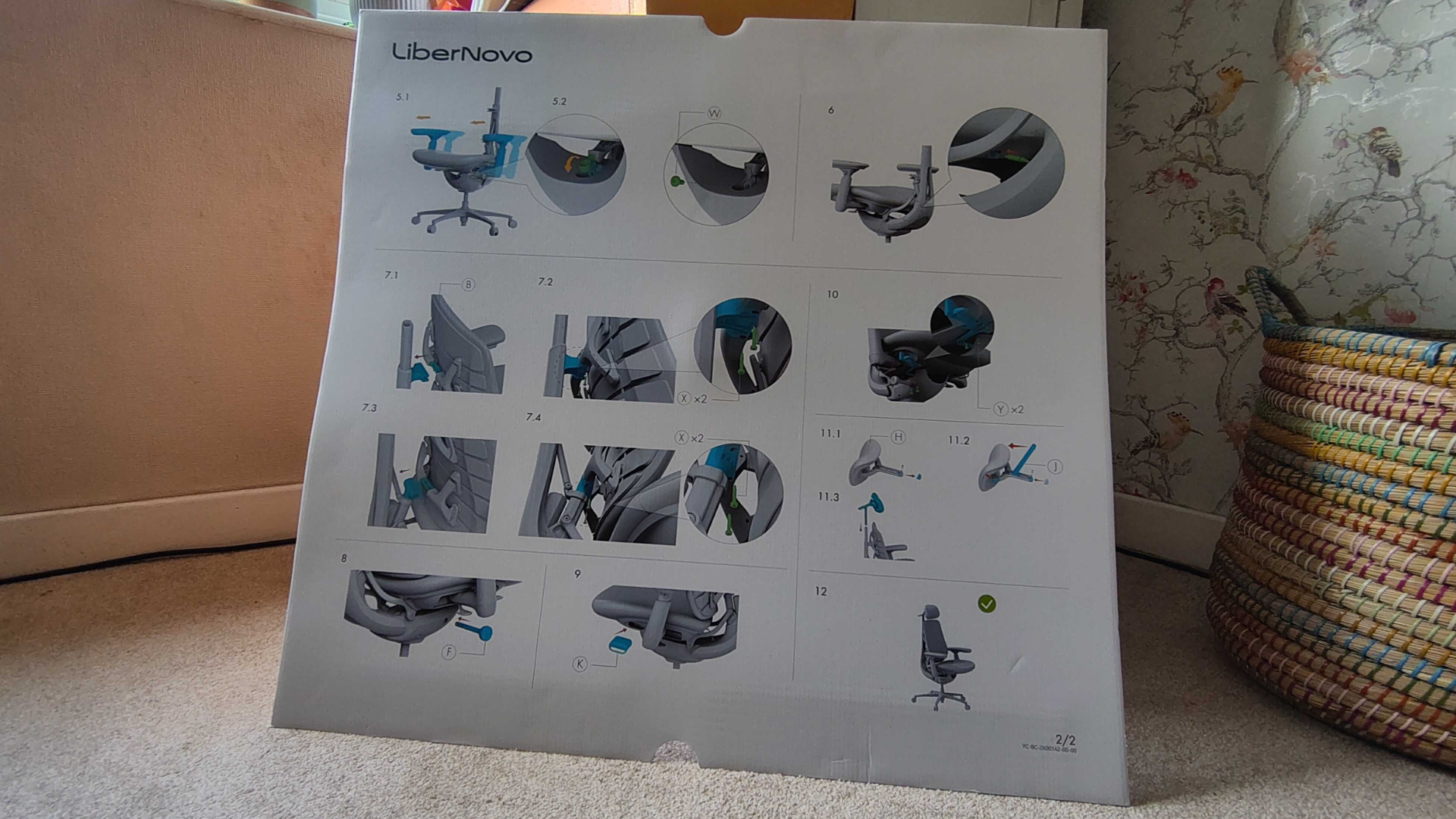
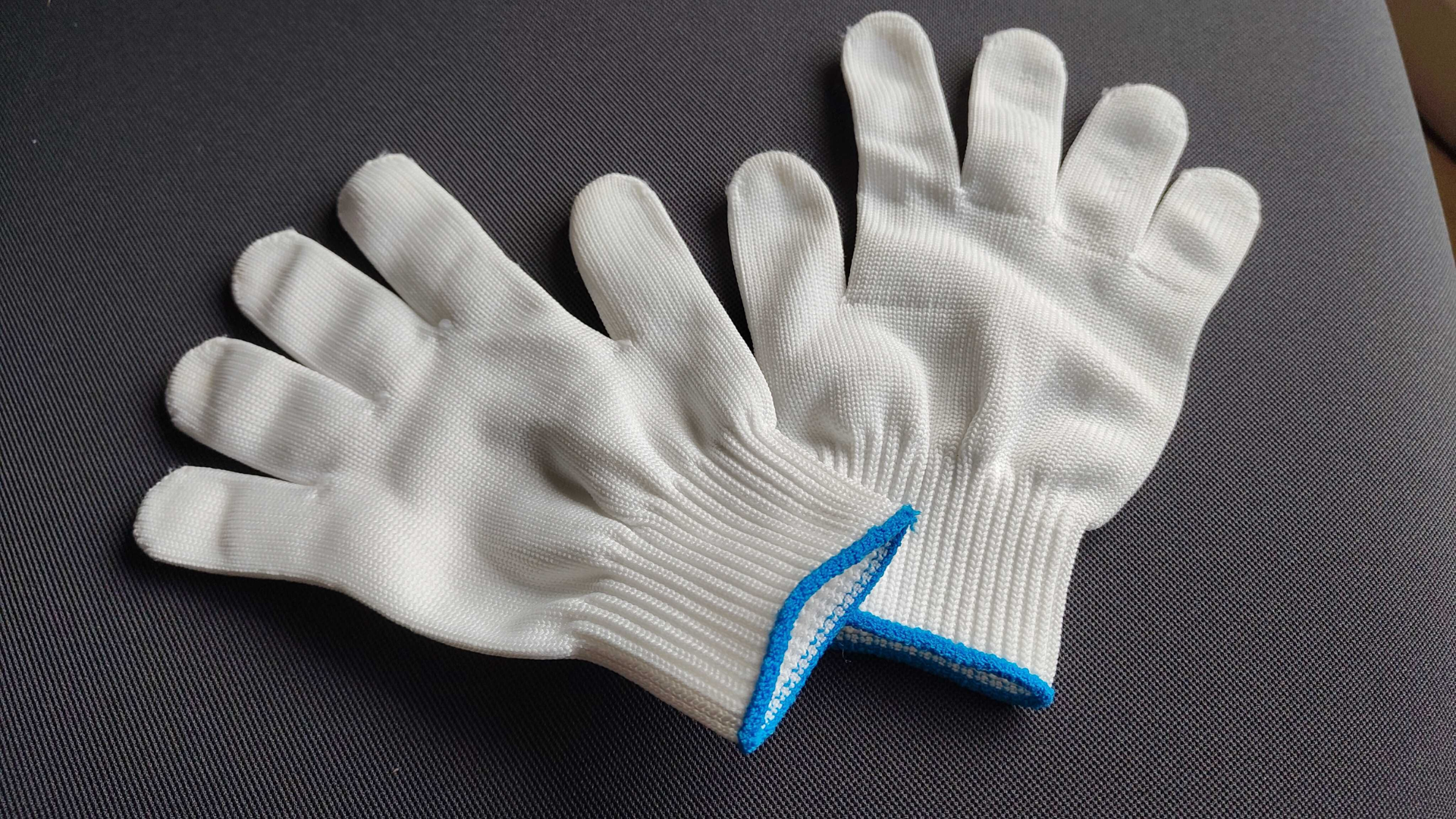
The substantial physical footprint of the chair translates to considerable weight, requiring delivery in multiple heavy-duty shipping containers. Assembly typically requires approximately 40 minutes, aided by large pictorial instruction diagrams rather than traditional text-heavy manuals. Notably, the inclusion of handling accessories—such as white gloves provided in the unboxing kit—highlights the manufacturer’s emphasis on a luxury consumer experience.
Ergonomic Engineering and Design Philosophy
The structural integrity of the LiberNovo Maxis relies on a wide, single-piece aluminum base that ensures stability during heavy usage, pivoting, and reclining maneuvers. Observers have noted the distinctive aesthetic of the backrest, which features a tapering, structural exoskeleton that departs from standard corporate office chair designs.
Ergonomically, the chair addresses common pitfalls associated with big-and-tall furniture by avoiding the tendency to sag or lose firmness over time. The fixed seat depth of 52 centimeters caters directly to longer legs, providing adequate thigh support and mitigating pressure points that often lead to fatigue during prolonged sitting sessions. However, analysts note that users falling below the 5-foot-10-inch threshold may find the spatial dimensions oversized, requiring them to utilize the absolute minimum settings on armrest and headrest adjustments to achieve a secure posture.
Advanced Features: Motorized Adjustments, Climate Control, and Massage Technology
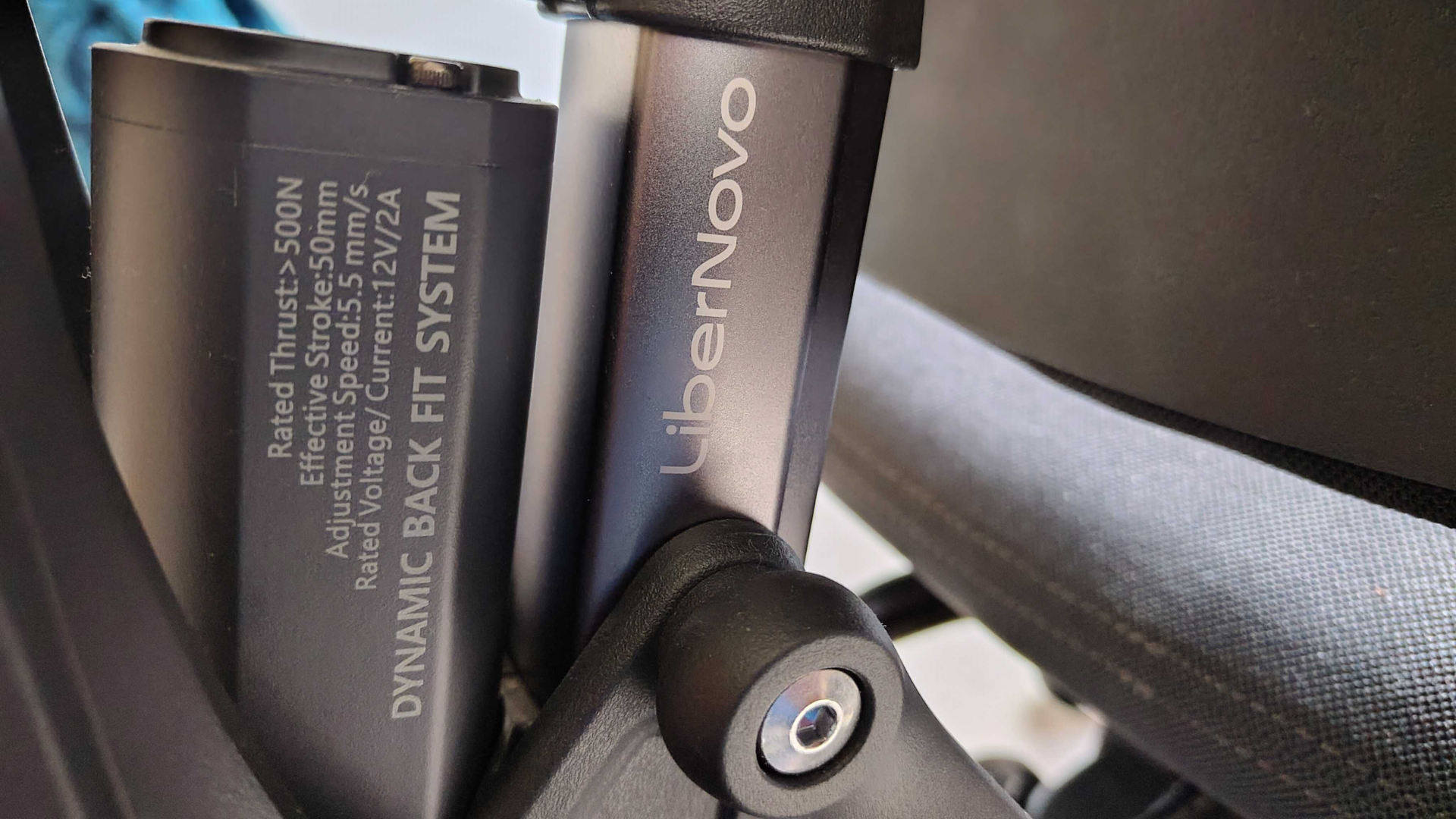
What sets the LiberNovo Maxis apart from traditional ergonomic competitors is its integration of electronic and mechanical wellness systems powered by rechargeable battery packs.
Motorized Lumbar Support
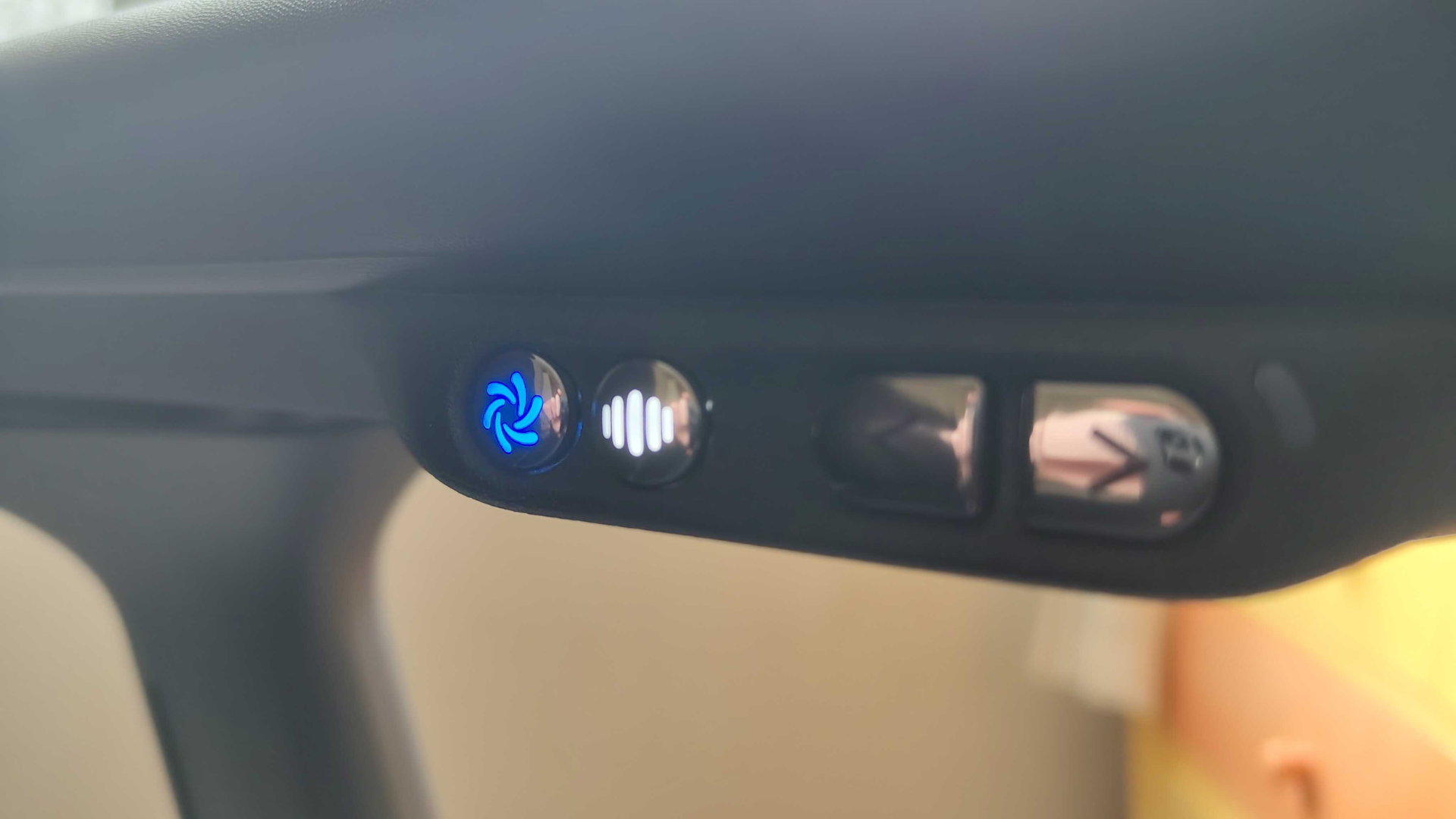
Positioned conveniently beneath the left armrest, electronic control buttons allow users to fine-tune the lower back support dynamically. This system eliminates the need for awkward manual reaching or twisting while seated, enabling real-time posture correction throughout the workday.
OmniStretch Decompression System
The Maxis Airflow model incorporates a back-massage and decompression feature branded as OmniStretch. Rather than relying solely on vibration, the mechanism is designed to provide targeted lower-back stimulation coupled with rapid, gentle backrest oscillations. Operating on preset five-minute intervals activated via an integrated control switch, this function serves to alleviate muscular tension associated with sedentary work routines.
Active Climate Control
To combat the heat retention typical of fabric and foam executive seating, the Airflow edition includes a two-speed cooling fan integrated directly into the seat cushion. This active ventilation system assists in regulating body temperature during extended periods of continuous occupancy, addressing a primary grievance of users who run warm in traditional leather or heavy-padded chairs.
Recline Mechanics and Dynamic Support
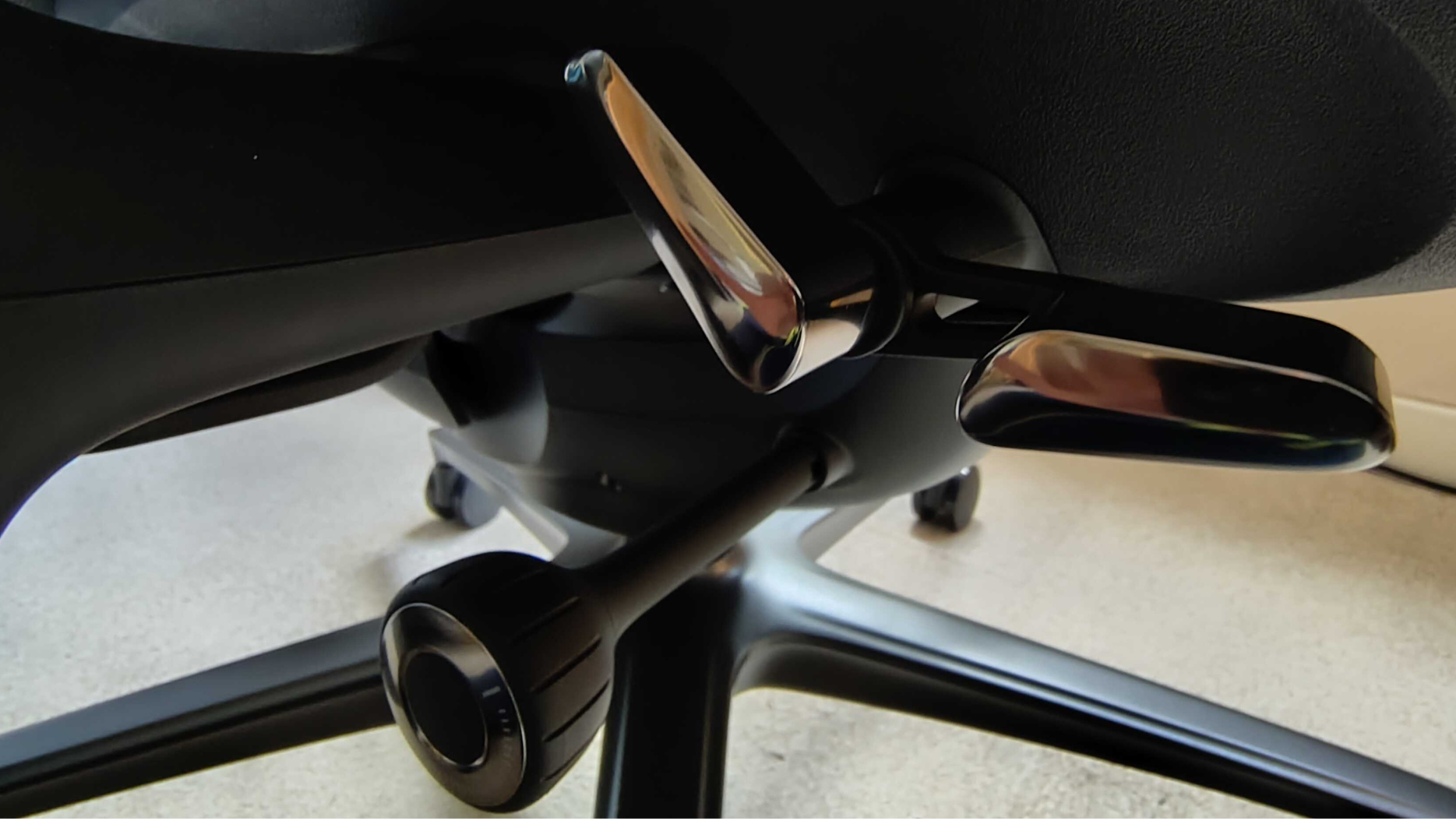
The recline architecture of the Maxis utilizes a synchronized weight-sensing tension mechanism. When the user leans backward, the seat base remains stable while the armrests drop proportionally to maintain continuous upper-body alignment. Recline resistance can be manually modulated via an under-seat adjustment knob, and the backrest can be locked into discrete angular positions depending on the user’s preference for active typing or relaxed reading.
Despite these advanced adjustments, reviewers have noted minor limitations. The armrests are fully directional—capable of lateral movement and pivoting without structural locks—which provides flexibility for dynamic movement but may frustrate users who prefer stationary arm positioning during focused, multi-hour tasks. Furthermore, the reliance on rechargeable batteries for the lumbar motors, cooling fans, and massager introduces an ongoing maintenance requirement that traditional non-electric chairs avoid.
Broader Industry Implications and Consumer Verdict
The introduction of the LiberNovo Maxis reflects a broader commercial trend toward lifestyle integration in office furniture. As remote and hybrid work environments blur the boundaries between professional productivity and domestic comfort, manufacturers are increasingly incorporating wellness technology—such as active cooling and motorized lumbar systems—into task seating.
However, these enhancements come at a distinct financial cost. Priciated in the upper echelon of the market alongside established heavyweights like Herman Miller and Steelcase, the Maxis demands a significant capital investment. Industry analysts suggest that while the chair delivers exceptional build quality, robust weight capacity, and genuine ergonomic relief for larger professionals, its specialized feature set makes it an impractical expenditure for casual or part-time desk workers.
Ultimately, the LiberNovo Maxis stands as a specialized pro-tier option. For taller and heavier professionals who spend upwards of eight hours a day at a desk and wish to invest in premium workplace wellness, the chair offers a comprehensive, albeit costly, solution. Conversely, users of more modest statures or those requiring basic ergonomic support without motorized enhancements will find more cost-effective alternatives elsewhere in the market.