The Legend of Zelda Live-Action Movie Unveils First Glimpses of Link’s Iconic Attire and Potential Logo Elements

With principal photography now concluded for the highly anticipated live-action adaptation of The Legend of Zelda, emerging details from the production are beginning to surface, offering fans their first tangible clues about the film’s visual direction. A recently shared clapperboard, reportedly from the film’s set, has ignited significant discussion by showcasing concept art of the hero, Link, clad in his quintessential green tunic and cap, and wielding the legendary Master Sword. This imagery strongly suggests a deliberate nod to the franchise’s classic aesthetic, potentially bridging the gap between its earliest iterations and its modern incarnations.
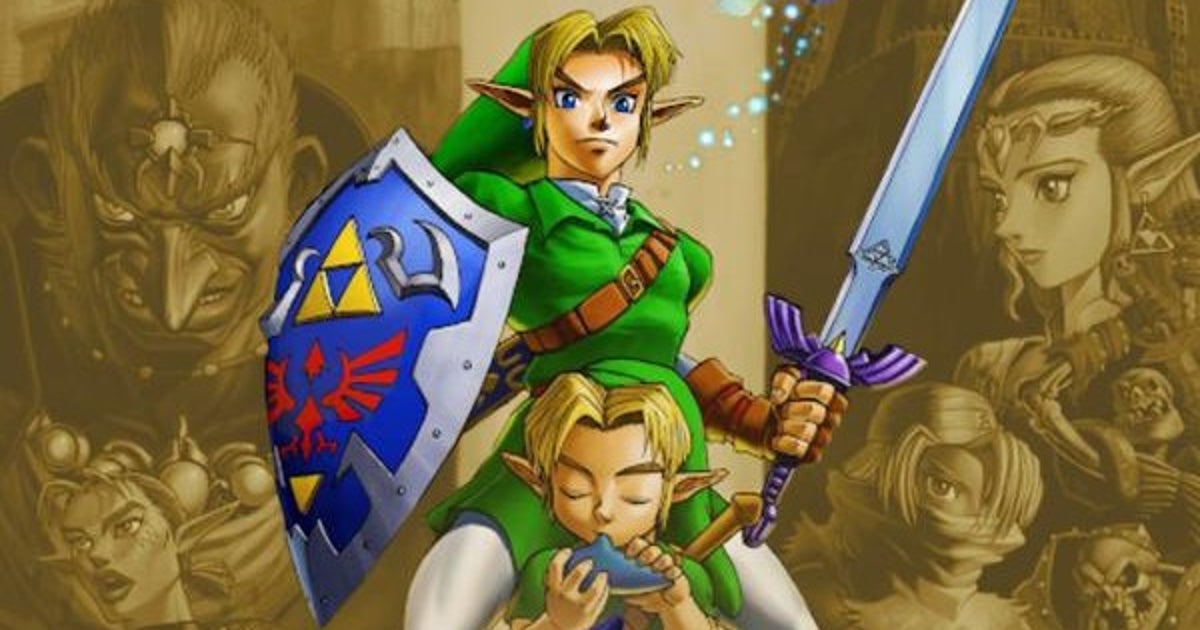
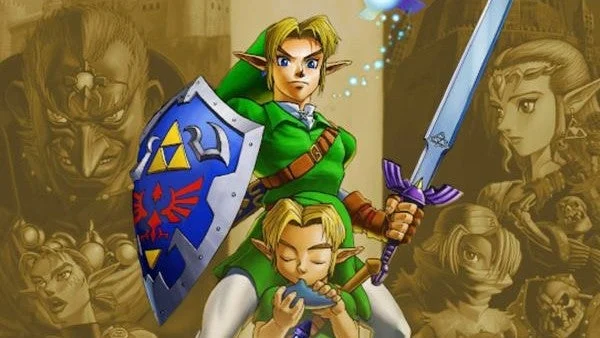
The disclosure originated from Gyula Pados, the director of photography for the film, who is said to have posted the image on his Instagram account. The clapperboard, a crucial piece of equipment used to synchronize audio and video during filming, featured not only the film’s title and scene information but also a striking piece of concept art. This artwork depicts Link in his iconic green tunic, a staple of his appearance in many beloved entries of the Zelda series, most notably in The Legend of Zelda: Ocarina of Time. He is also shown with his signature pointed cap and holding the Master Sword, with a shield – strongly presumed to be the Hylian Shield – strapped to his back. This visual confirmation has sent ripples of excitement through the fanbase, many of whom have long advocated for a faithful representation of Link’s classic look in a live-action format.
Tracing the Visual Evolution of Link
This reveal marks a significant development, particularly in contrast to earlier official glimpses of the film’s cast. Nintendo had previously released images of actors Bo Bragason as Princess Zelda and Benjamin Evan Ainsworth as Link. However, these initial portrayals did not fully showcase their character’s attire. Notably, Evan Ainsworth’s Link was depicted without his iconic cap, and he was not seen holding the Master Sword. This absence had led to speculation about the narrative’s approach to Link’s iconic weaponry and attire. The presence of the Master Sword and cap in the clapperboard’s concept art suggests that these elements will indeed play a prominent role, potentially indicating that a significant portion of the film’s plot might involve Link’s quest to obtain or re-acquire these legendary items within the sprawling world of Hyrule.

The inclusion of the green tunic also prompts reflection on the broader visual history of the Zelda franchise. While The Legend of Zelda: Ocarina of Time and Twilight Princess are renowned for Link’s classic green ensemble, more recent critically acclaimed titles such as The Legend of Zelda: Breath of the Wild and its sequel, Tears of the Kingdom, primarily featured Link in blue tunics. This stylistic shift in the games has been a topic of discussion among fans. The film’s apparent commitment to the green tunic, as seen on the clapperboard and potentially in earlier concept art, could signal a conscious effort by the filmmakers to draw inspiration from the series’ foundational games, aiming to resonate with both long-time fans and new audiences by embracing a widely recognized and beloved aesthetic.
Unveiling Potential Logo Elements and Symbolism
Beyond the depiction of Link, another intriguing detail has emerged: what appears to be the official logo for the upcoming Legend of Zelda film. This logo was reportedly shared by a member of the film’s stunt department on social media. The logo features the series’ iconic sword slicing through the letter "Z" in "Zelda," a design element that has been a consistent motif in the franchise’s branding. However, what has particularly captured attention is the presence of a blooming flower to the side of the "Z." This floral silhouette bears a striking resemblance to the Silent Princess flower, a significant and recurring symbol in the more recent Zelda titles, Breath of the Wild and Tears of the Kingdom.

The Silent Princess is a delicate, rare bloom, often depicted in shades of blue and white. Its association with Princess Zelda herself is profound, with many fans interpreting it as a potent symbol of her resilience, personal growth, and enduring spirit. Its inclusion in the film’s logo could indicate that the narrative will incorporate themes and character arcs reminiscent of those explored in the latest games, focusing on Zelda’s journey and inner strength. This potential connection to the Silent Princess suggests that the film might not solely rely on the established lore of the earliest games but could also weave in the narrative depth and character development that have characterized the franchise’s more recent, expansive chapters.
Production Milestones and Release Outlook
The news of the film wrapping production in New Zealand marks a significant milestone. New Zealand, renowned for its breathtaking landscapes, has served as a filming location for numerous high-profile productions, including Peter Jackson’s The Lord of the Rings trilogy, which itself was a benchmark for fantasy film adaptations. The choice of location for The Legend of Zelda film underscores the ambition to create a visually epic and immersive cinematic experience.

The live-action Legend of Zelda movie is slated for a theatrical release on May 7, 2027. Following its theatrical run, the film will be available for streaming on Netflix. This dual release strategy aims to maximize reach, catering to both audiences who prefer the traditional cinema experience and those who opt for home viewing. The partnership with Netflix, a global streaming giant, suggests a wide international distribution and a substantial marketing push to accompany the film’s debut.
Future Prospects for the Zelda Franchise
The development of the live-action film is occurring against a backdrop of continued success and innovation within the video game franchise itself. Nintendo has a robust pipeline of Zelda titles, with recent reports suggesting that a remake of The Legend of Zelda: Ocarina of Time is reportedly in development for the upcoming Switch 2 console. This potential remake is rumored to be scheduled for release around the holiday season, potentially filling a perceived gap in Nintendo’s release schedule for a major 3D Mario game. The enduring popularity of Ocarina of Time, often cited as one of the greatest video games ever made, makes a remake a highly anticipated prospect for fans eager to revisit this seminal adventure with modern graphical fidelity and gameplay enhancements.

The live-action adaptation, coupled with potential remakes of beloved classic titles, indicates a strategic effort by Nintendo to leverage its most iconic intellectual property across multiple entertainment mediums. This multi-faceted approach aims to engage both existing fans who hold deep nostalgic connections to the franchise and to attract new generations of players and viewers who may be introduced to the world of Hyrule through these diverse avenues. The careful integration of classic iconography with elements from newer titles suggests a nuanced approach to adaptation, one that seeks to honor the franchise’s rich history while embracing its evolving narrative and aesthetic. The success of this cinematic venture could pave the way for further expansions of the Zelda universe into film and television, solidifying its status as a cornerstone of modern popular culture.
Related posts: