Critical Reception and Industry Implications Surrounding the Launch of Insomniac Games’ Marvel’s Wolverine on PlayStation 5


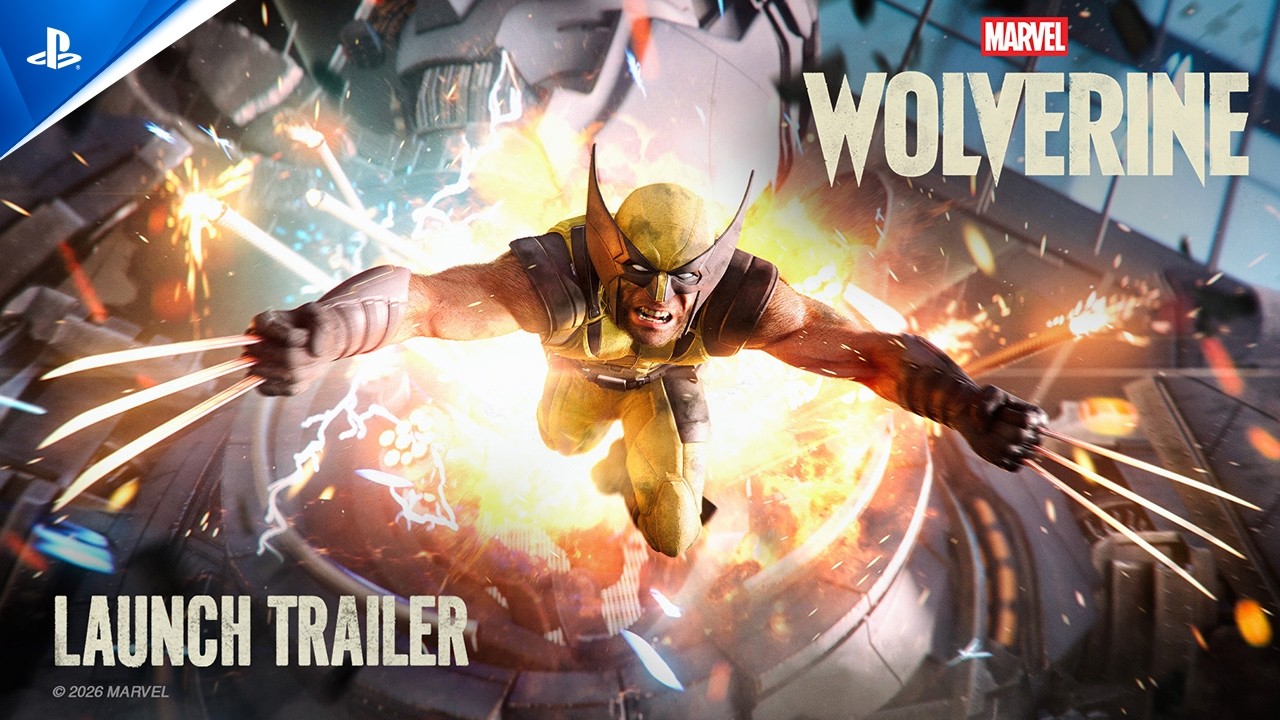
The release of Insomniac Games’ highly anticipated title, Marvel’s Wolverine, marks a crucial milestone for Sony Interactive Entertainment and its flagship PlayStation 5 ecosystem. Positioned as one of the platform’s primary tentpole console exclusives for the hardware generation, the title arrived amid heightened expectations from both consumers and industry analysts. However, early critical consensus reveals a divided landscape: while the game has received widespread praise for its narrative ambition, character depth, and faithful adaptation of the iconic Marvel mutant, its core gameplay mechanics, level design, and long-term engagement have drawn substantive criticism.
This mixed commercial and critical entry arrives at a delicate juncture for Sony’s broader gaming strategy. Over the past several years, the corporation has faced mounting operational and public relations hurdles, including strategic adjustments to its live-service game portfolio, high-profile friction with creative partners such as Hideo Kojima, and contentious decisions regarding hardware and media preservation. Consequently, the performance of Marvel’s Wolverine carries significance that extends well beyond its individual sales figures or review scores, serving as a barometer for the current health and trajectory of PlayStation’s first-party development pipeline.

Chronological Context and Development Background
The journey toward the release of Marvel’s Wolverine spans several years of high-profile development and strategic positioning within Sony’s internal studios. Insomniac Games, which established a stellar reputation for superhero adaptations through its critically acclaimed Marvel’s Spider-Man series (Marvel’s Spider-Man, Marvel’s Spider-Man: Miles Morales, and Marvel’s Spider-Man 2), officially announced the Wolverine project in September 2021 during a PlayStation Showcase event.
From its inception, the project was envisioned as a darker, more mature counterpart to the studio’s web-slinging franchise. Unlike the open-world fluidity and acrobatic traversal of New York City seen in Spider-Man, Wolverine was crafted to offer a more focused, globe-trotting, and visceral experience. However, the title’s development cycle faced normal industry pressures alongside unexpected challenges, including massive industry-wide leaks in late 2023 that exposed early-stage build footage, internal documents, and release timelines. Despite these disruptions, Insomniac Games pressed forward, culminating in a commercial launch that invited intense scrutiny from global gaming publications.
Critical Overview: Strengths in Narrative and Characterization
Across global reviews, critics consistently lauded the studio’s narrative achievements and its nuanced portrayal of Logan. Liam McIntyre’s performance as the titular hero received widespread acclaim for bridging the character’s dual nature as a tragic, trauma-laden survivor and a lethal force of nature. Reviewers noted that the game successfully navigates the complex psychological burden of the character’s centuries-long history, offering a poignant look at mutant resilience, loss, and the eternal struggle between human compassion and primal animal instinct.

Shacknews, which awarded the title an 8/10, highlighted that the game "does an excellent job adapting the iconic mutant" through "some excellent character moments in what is otherwise a fairly standard comic book story." Similarly, DualShockers praised the project with an 8.5/10 rating, emphasizing its "deeply personal story that explores what it means to live with trauma, loss, and regret." Game Informer echoed these sentiments, awarding an 8.5/10 and praising the "relentless momentum" of the narrative pacing.
Production values, cinematic presentation, and the brutal, unfiltered depiction of Logan’s combat style also earned strong marks. TechRadar, which rated the game 4/5, described the experience as a "set-piece-packed, cinema-rivaling spectacle" that places players directly behind the character’s trademark claws with unprecedented fidelity.
Gameplay Limitations and Structural Criticism
Despite the high praise directed at its story and voice acting, the critical consensus soured when evaluating the game’s long-term mechanical depth and structural variety. A recurring critique among major outlets was that the combat loop and level design grew monotonous as the campaign progressed.

GamesRadar, which scored the title 3/5, pointed out that outside of a lively mid-game phase, "the rest of the game feels thin, and largely consists of boxy corridors that top and tail Tokyo with shallow combat luges broken up by cutscene checkpoints and little else." IGN, awarding a 6/10, noted that while Logan’s character work is commendable, the actual gameplay "wears thin well before the conclusion."
Similar sentiments were echoed by Eurogamer and The Guardian, both of which assigned 3/5 ratings. Eurogamer criticized the repetitive cadence of enemy encounters, noting that fighting wave after wave of identical foes using identical tactics eventually drains the impact from the action. The Guardian observed that despite the inclusion of bloodied combat and numerous combos, the mechanics lack the visceral impact of the Batman: Arkham series or the dynamic grace of Spider-Man, ultimately making the gameplay feel like a chore in its latter stages.
Lower-tier reviews, such as Giant Bomb’s 2.5/5 rating, argued that attempting to adapt the structural template of Spider-Man—a franchise built around open-world exploration and dynamic verticality—to a character with vastly different narrative and spatial requirements resulted in a mechanical mismatch. Polygon went further, labeling the game as one of the most significant disappointments of the current hardware generation.
Broader Implications for PlayStation’s First-Party Strategy
The divided reception of Marvel’s Wolverine arrives at a precarious time for Sony Interactive Entertainment. The company has recently navigated several high-profile strategic missteps that have strained public relations and raised questions regarding its long-term publishing roadmap.
Foremost among these challenges has been the turbulent pivot toward live-service multiplayer games. Sony’s aggressive expansion into the live-service sector resulted in numerous internal project cancellations, severe turbulence for its acquisition target Bungie—including downsizing and efforts to sublease its expansive headquarters—and broader industry fallout regarding the viability of these ongoing revenue models.
Furthermore, recent friction with external creative partners has impacted Sony’s brand positioning. The highly publicized breakdown in relations between PlayStation and legendary game director Hideo Kojima regarding the stealth-action project Physint—which ultimately led to Microsoft’s Xbox division stepping in to publish the title—represented a notable public relations setback. Sony defended its decisions based on budget oversight and missed production milestones, but the loss of a major exclusive alienated segments of the core enthusiast community.

Additional discontent has brewed around hardware and preservation policies. Sony’s stated trajectory toward phasing out physical disc production by 2028 has drawn sharp rebukes from gaming preservation organizations and consumers alike, who argue that the shift toward a purely digital ecosystem curtails consumer choice and historical access.
Market Outlook and Future Prospects
As Marvel’s Wolverine establishes its place in the market, its performance will be closely analyzed by industry observers to determine whether narrative strength can successfully carry a title through mechanical friction. For Insomniac Games, the project demonstrates the studio’s continued capability to deliver high-fidelity storytelling and cinematic polish, even if the gameplay design warrants refinement in future installments.
For Sony, the mixed reception underscores the rising stakes of first-party exclusivity in a maturing console generation. As development budgets escalate and consumer expectations shift, the margin for error on multi-year, high-budget exclusives has narrowed significantly. Moving forward, PlayStation management will likely need to balance its pursuit of cinematic prestige with deeper mechanical innovation to maintain its competitive advantage in the global gaming market.
Related posts: