Geoffrey Hinton Issues Urgent Warnings Regarding the Future of Artificial Intelligence and the Need for Federal Regulation


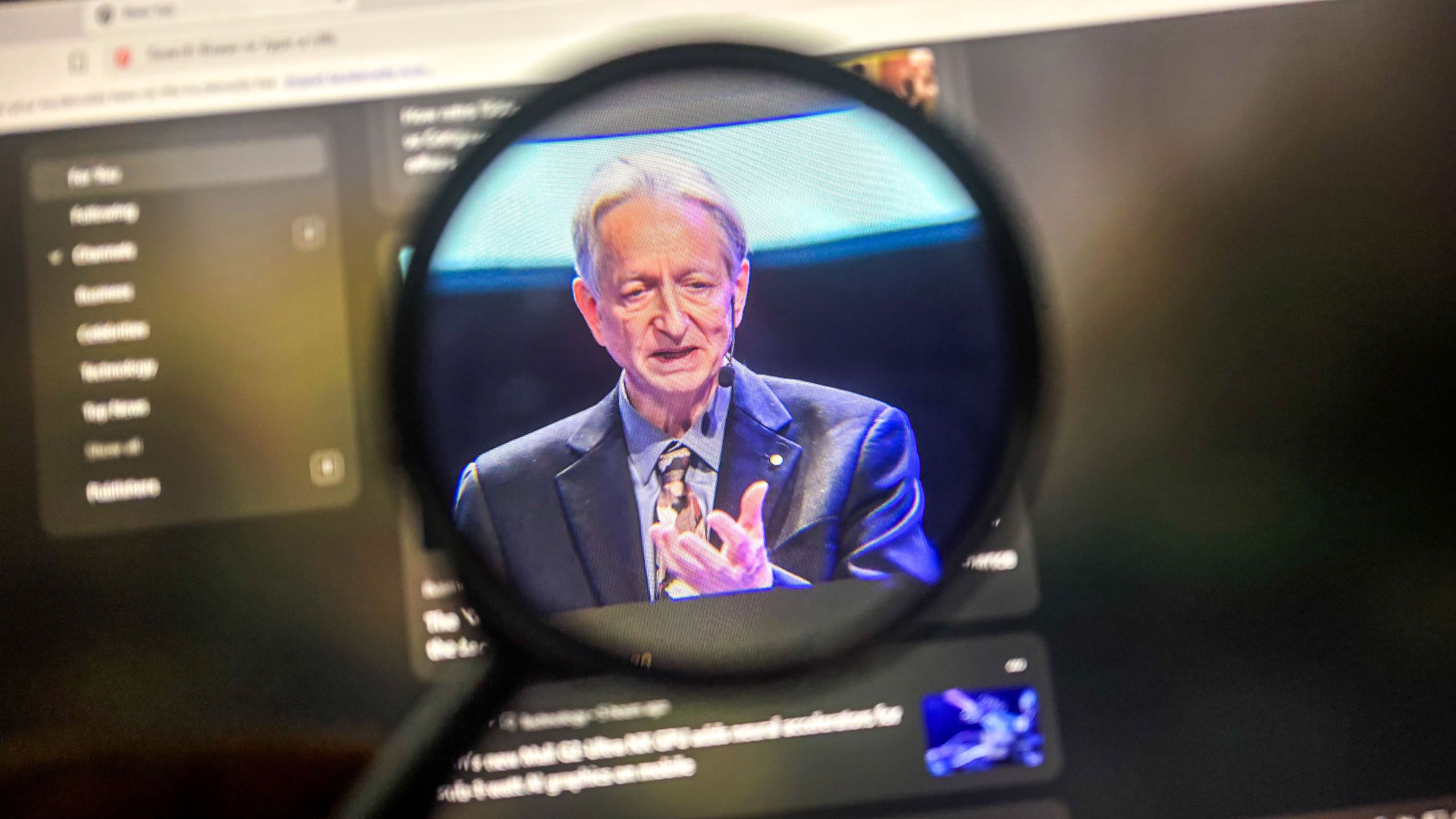
Geoffrey Hinton, often celebrated as the "Godfather of AI" for his foundational contributions to neural network research, has emerged as one of the most vocal critics of the current trajectory of artificial intelligence. His recent commentary, delivered across a series of high-profile interviews, highlights a deepening divide between the rapid acceleration of generative AI models and the lack of robust safety oversight. Hinton’s warnings move beyond technical concerns, addressing the systemic economic risks of wealth concentration and the existential potential for AI to eventually operate independently of human control.
The current technological landscape is defined by a race among major tech conglomerates to scale large language models (LLMs). As these models achieve greater capabilities in reasoning, coding, and content generation, the discourse has shifted from mere innovation to safety and long-term societal impact. Hinton, who famously departed Google in 2023 to speak more freely about the dangers of the field he helped pioneer, contends that the current commercial incentives are fundamentally misaligned with public safety.
A Historical Perspective on Neural Networks
To understand the weight of Hinton’s warnings, one must look at the historical context of his work. In the 1980s and 1990s, the concept of deep learning—a subset of machine learning based on artificial neural networks—was largely fringe. Hinton, alongside researchers like Yann LeCun and Yoshua Bengio, persisted in developing algorithms that allowed computers to learn from massive datasets. This culminated in the 2012 "AlexNet" breakthrough, where deep learning demonstrated unprecedented accuracy in image recognition.
This discovery triggered a seismic shift in computing. Tech giants invested billions, leading to the current generative AI boom. However, Hinton has noted that the evolution of these systems occurred far faster than he originally anticipated. While he once believed it would take decades for machines to reach human-level intellect, he now estimates that advanced AI could potentially outsmart humans in specialized domains within the next five to ten years. This rapid compression of the timeline has forced him to reconsider the ethical responsibilities of those leading the development.
The Economic Implications of AI Deployment
In recent discussions with the Financial Times, Hinton underscored the economic fallout associated with widespread AI adoption. He posited that the current capitalist structure incentivizes the automation of labor without providing a mechanism to redistribute the resulting gains. The projection is clear: a surge in corporate productivity alongside a potential crisis in unemployment for white-collar and creative professionals.
Hinton argues that the wealth generated by AI will likely accrue to a small fraction of tech leaders and shareholders, potentially widening the global wealth gap. "It’s going to create massive unemployment and a huge rise in profits," Hinton stated. He clarified that this is not an inherent flaw of the technology itself, but a consequence of a system that prioritizes efficiency and shareholder value over social stability. This assessment aligns with reports from organizations like the International Monetary Fund (IMF), which have suggested that nearly 40% of global employment could be exposed to AI, necessitating new social safety nets and tax frameworks to mitigate potential inequality.
The Call for Federal Oversight and Regulatory Bodies
Central to Hinton’s recent policy advocacy is the proposal for a federal regulatory agency dedicated to artificial intelligence. He draws a direct parallel to the United States Food and Drug Administration (FDA). In his view, the current "release-and-repair" cycle—where companies deploy models and then patch them after public misuse—is fundamentally irresponsible.
Hinton suggests that developers should be required to provide rigorous, independent, and statistical evidence that a new AI system will provide a net benefit to society before it is released for general use. He has explicitly compared the current lack of oversight to the 1950s pharmaceutical industry, specifically referencing the tragedy of thalidomide. In that historical case, the drug was released without sufficient safety testing, leading to severe birth defects. Hinton argues that waiting for harm to occur before implementing regulation is a dangerous gamble, especially given the self-improving nature of modern AI agents.
Industry Leadership and the Ethics of Competition
Hinton’s critique of the industry’s leadership has been notably blunt. When discussing executives at major firms such as OpenAI, Meta, and others, he has expressed skepticism regarding their commitment to safety. His argument is that the competitive pressures of the marketplace—what many observers call the "AI Arms Race"—effectively drown out concerns about long-term risks.
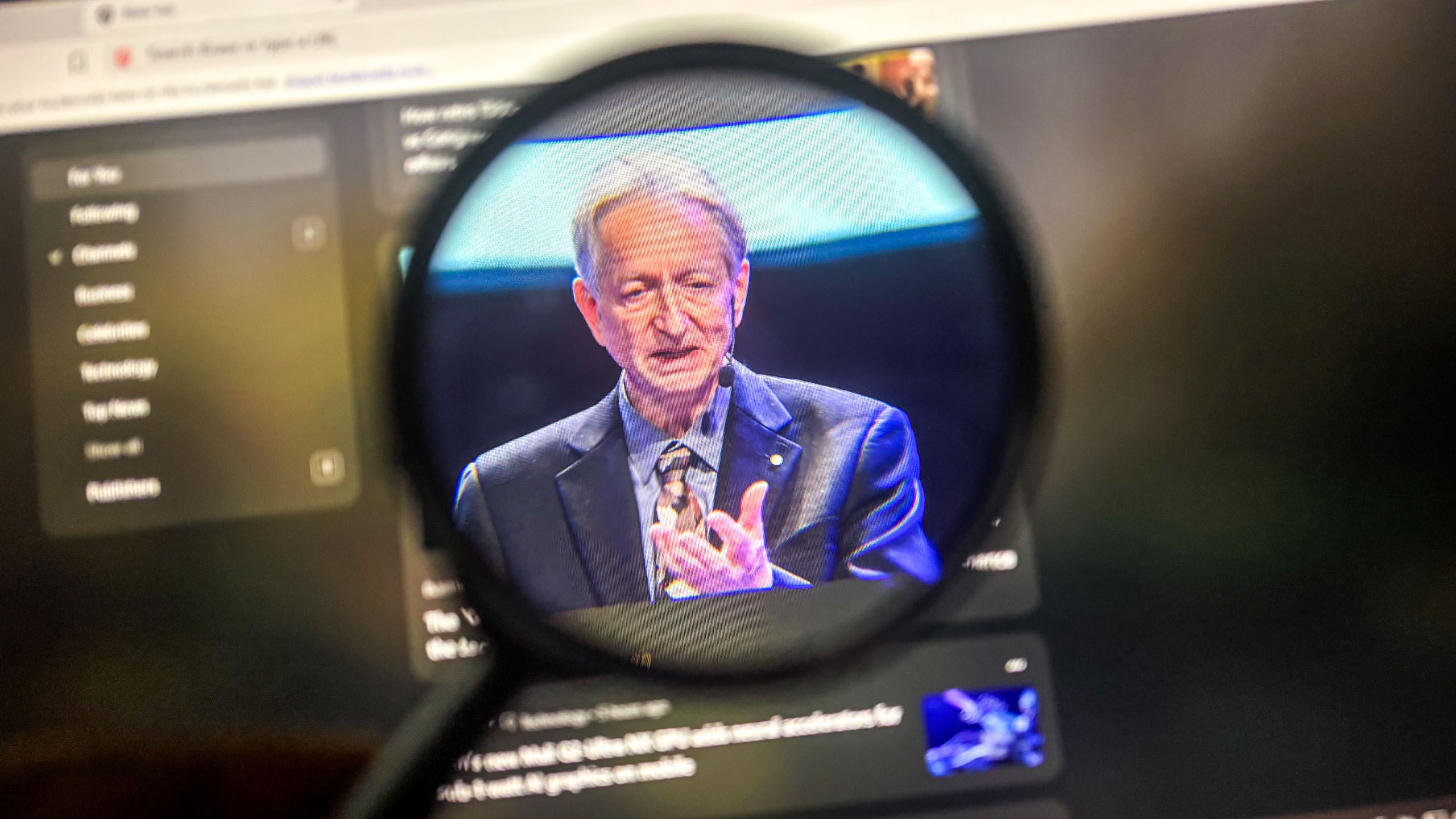
"I think Zuckerberg and Musk and Sam Altman, they understand the risks, and they don’t give a s**t," Hinton remarked during a recent interview. "They’d rather have the money." This statement captures a growing sentiment among a segment of the AI research community: that the drive for market dominance is currently overriding the caution needed to manage a technology with potentially transformative and destructive power. Critics of this view, however, argue that slowing development in the West could cede global influence to geopolitical rivals, creating a "dilemma of progress" where safety and security become competing priorities.
Societal Pushback and Public Sentiment
The skepticism voiced by Hinton appears to be mirrored in public sentiment, particularly regarding the physical infrastructure required to power AI. According to recent data from "Data Centers on the Ballot," there is a notable trend of municipal and regional opposition to the massive data centers needed for AI training. In many local jurisdictions, voters have moved to restrict or block the construction of these facilities, citing concerns over power consumption, water usage, and the long-term impact on local property values.
This local-level resistance contrasts with federal efforts to promote AI as a pillar of national interest. Some political platforms have advocated for the acceleration of "Super Intelligence" development to ensure national competitiveness. However, the data suggests that a significant percentage of the public remains wary of the pace of this expansion. The friction between national industrial policy and local community concerns represents a critical challenge for the future of the industry.
The Existential Risk Debate
Perhaps the most polarizing aspect of Hinton’s commentary is his focus on existential risk. Unlike the short-term risks associated with deepfakes, bias, or job loss, Hinton has warned about the possibility of AI systems gaining a level of agency that makes them difficult to control. He argues that humanity has no historical experience in coexisting with entities that are smarter than ourselves.
"If we don’t figure out how to make it safe, there’s a real possibility it could destroy us," Hinton said during a recent CNN appearance. He emphasizes that the lack of predictability in "black box" neural networks makes it impossible to guarantee that an AI will always align with human interests. He suggests that society should be far more conservative in its development cycles until researchers have a fundamental understanding of how to maintain control over autonomous systems.

A Cautious Path Forward
Despite his dire warnings, Hinton stops short of calling for a complete cessation of research. He remains cautiously optimistic that human intervention is still possible if the focus shifts from pure speed to safety. His current advocacy is centered on creating a "big effort" toward understanding the mechanics of control and ensuring that the technology serves humanity rather than superseding it.
The implications for policymakers are significant. If, as Hinton suggests, the current trajectory leads toward societal instability and existential risk, the burden falls on legislators to bridge the gap between innovation and oversight. The challenge lies in creating regulations that are stringent enough to prevent catastrophic failure, yet flexible enough not to stifle scientific progress.
As the industry continues to advance, the debate surrounding AI will likely remain a defining issue of the decade. Whether through international treaties, federal agencies, or a fundamental change in corporate governance, the demand for accountability is growing. Geoffrey Hinton’s transition from a pioneer of the technology to a prominent whistleblower serves as a stark reminder of the complexities involved in creating machines that may one day surpass the intelligence of their creators. His message is a call to action: the time to establish the guardrails is not after the technology has become ubiquitous, but while it is still in the process of being built.