Razer Hammerhead V3 HyperSpeed Review: Balancing Ultra-Low Latency with Performance Compromises

The Razer Hammerhead V3 HyperSpeed gaming earbuds represent the latest attempt by the lifestyle gaming brand to bridge the gap between high-fidelity audio and the ultra-low-latency requirements of competitive play. Positioned as a mid-range solution for mobile and console gamers, the V3 HyperSpeed enters a crowded market where performance often clashes with price. While the device introduces cutting-edge connectivity standards, such as Bluetooth 6.0, it faces significant challenges in design, sound versatility, and active noise cancellation (ANC) when compared to established rivals like the SteelSeries Arctis GameBuds and the Sony Inzone Buds.
The Evolution of the Razer Hammerhead Series
The Razer Hammerhead line has undergone several iterations since its inception as a wired in-ear monitor (IEM) series. Over the last decade, Razer has pivoted the brand toward the True Wireless Stereo (TWS) market to keep pace with the rise of mobile gaming and the removal of headphone jacks from flagship smartphones. The V3 HyperSpeed is the spiritual successor to the Hammerhead Pro and the previous HyperSpeed models, aiming to offer a more accessible entry point into the company’s proprietary wireless ecosystem.
Historically, Razer’s "HyperSpeed" branding has been reserved for its top-tier peripherals, utilizing a 2.4GHz wireless connection via a USB-C dongle to bypass the inherent lag of standard Bluetooth. The V3 HyperSpeed continues this trend but adds a significant technical milestone by being one of the first consumer gaming headsets to support the Bluetooth 6.0 standard. This inclusion is intended to future-proof the device for the next generation of mobile hardware, promising even lower latency and improved power efficiency for smartphone users.
Technical Specifications and Connectivity
At the heart of the Razer Hammerhead V3 HyperSpeed is the dual-mode connectivity suite. The inclusion of a 2.4GHz Razer HyperSpeed Wireless dongle remains the primary selling point for PC and console users. This compact USB-C transmitter allows for near-instantaneous audio transmission, which is critical in fast-paced titles where spatial awareness and reaction times are paramount.
The earbuds are compatible with a wide array of platforms, including PC, PlayStation 5, and mobile devices. Notably, the device has been tested for compatibility with handheld consoles, including the Nintendo Switch and emerging hardware expected in the coming years. On the software side, the earbuds are supported by the Razer Audio mobile app and Razer Synapse on PC. A significant value-add for PC users is the inclusion of a THX Spatial Audio license, which provides a simulated 360-degree soundstage, enhancing immersion in cinematic gaming environments.
Design and Ergonomics: A Departure from Premium Aesthetics
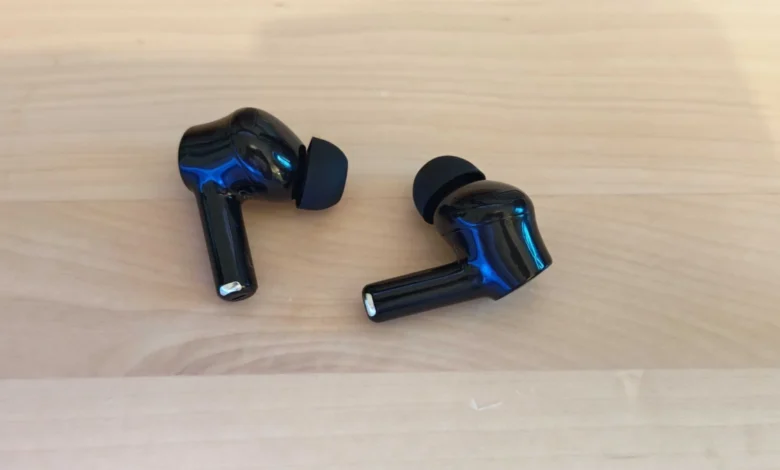
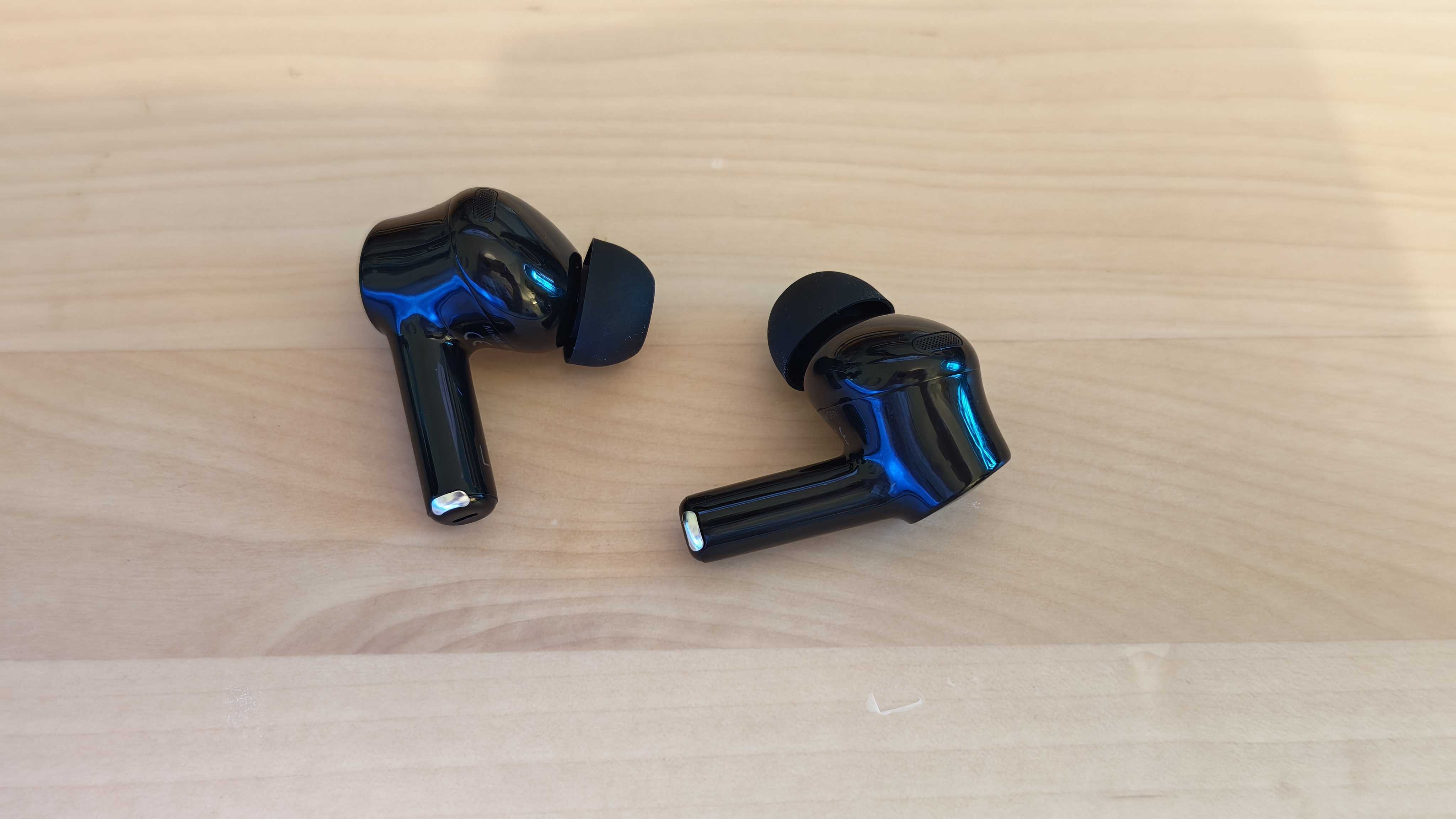
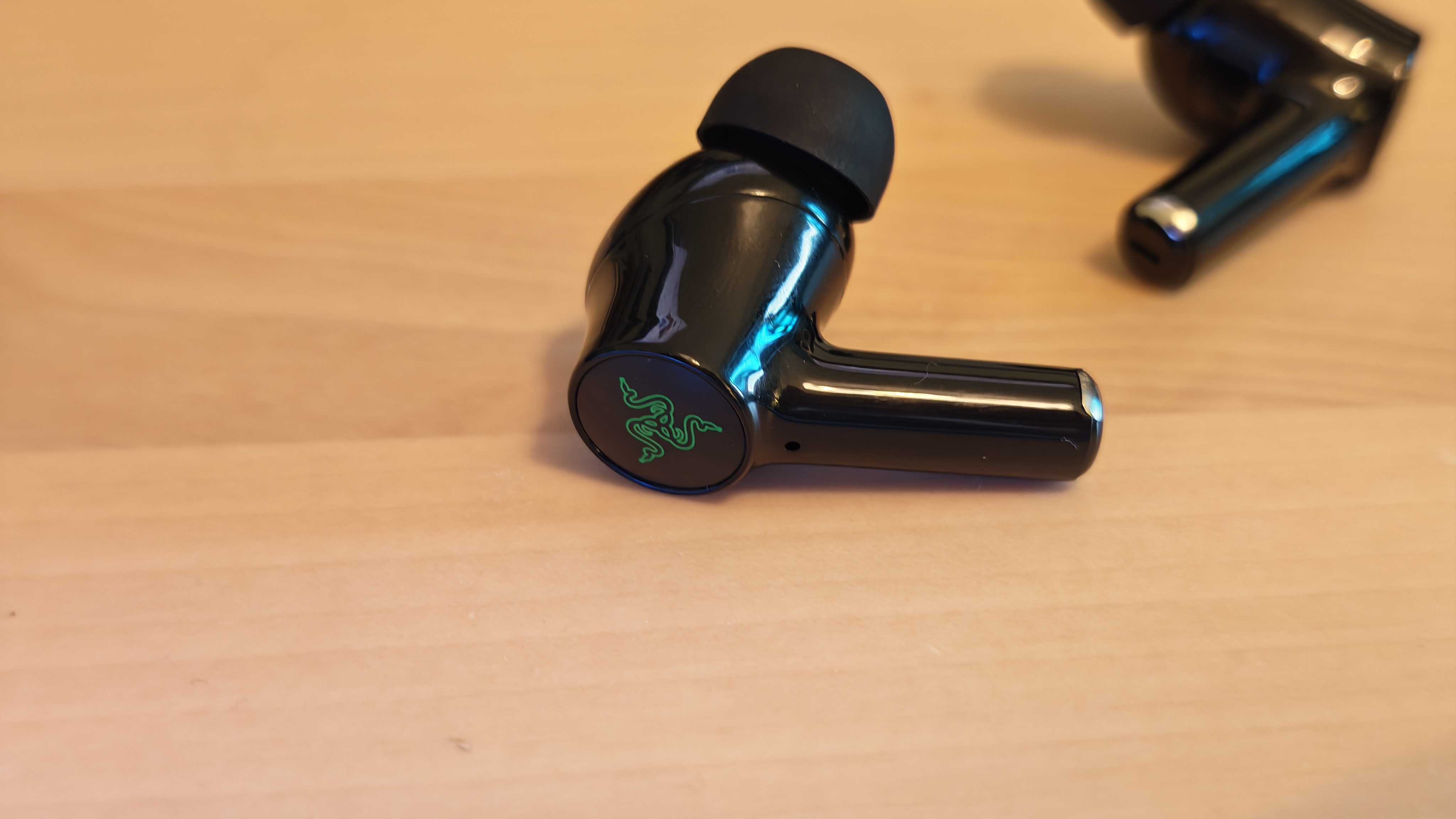
Despite the advanced internal hardware, the external design of the Hammerhead V3 HyperSpeed has drawn criticism for its aesthetic choices and material quality. The earbuds utilize a stemmed in-ear design, but the body is noticeably more bulbous than previous models. Constructed from a high-gloss black plastic, the units have been described as appearing less premium than their $129.99 price tag suggests.
Furthermore, the iconic Razer logo on the exterior of the buds is a static green decal rather than a functional RGB element. This is a surprising omission for a brand synonymous with Chroma RGB lighting. While the earbuds remain comfortable for extended gaming sessions due to their lightweight 5.6g per-bud construction, they lack the sleek, low-profile silhouette found in competitors like the SteelSeries Arctis GameBuds.
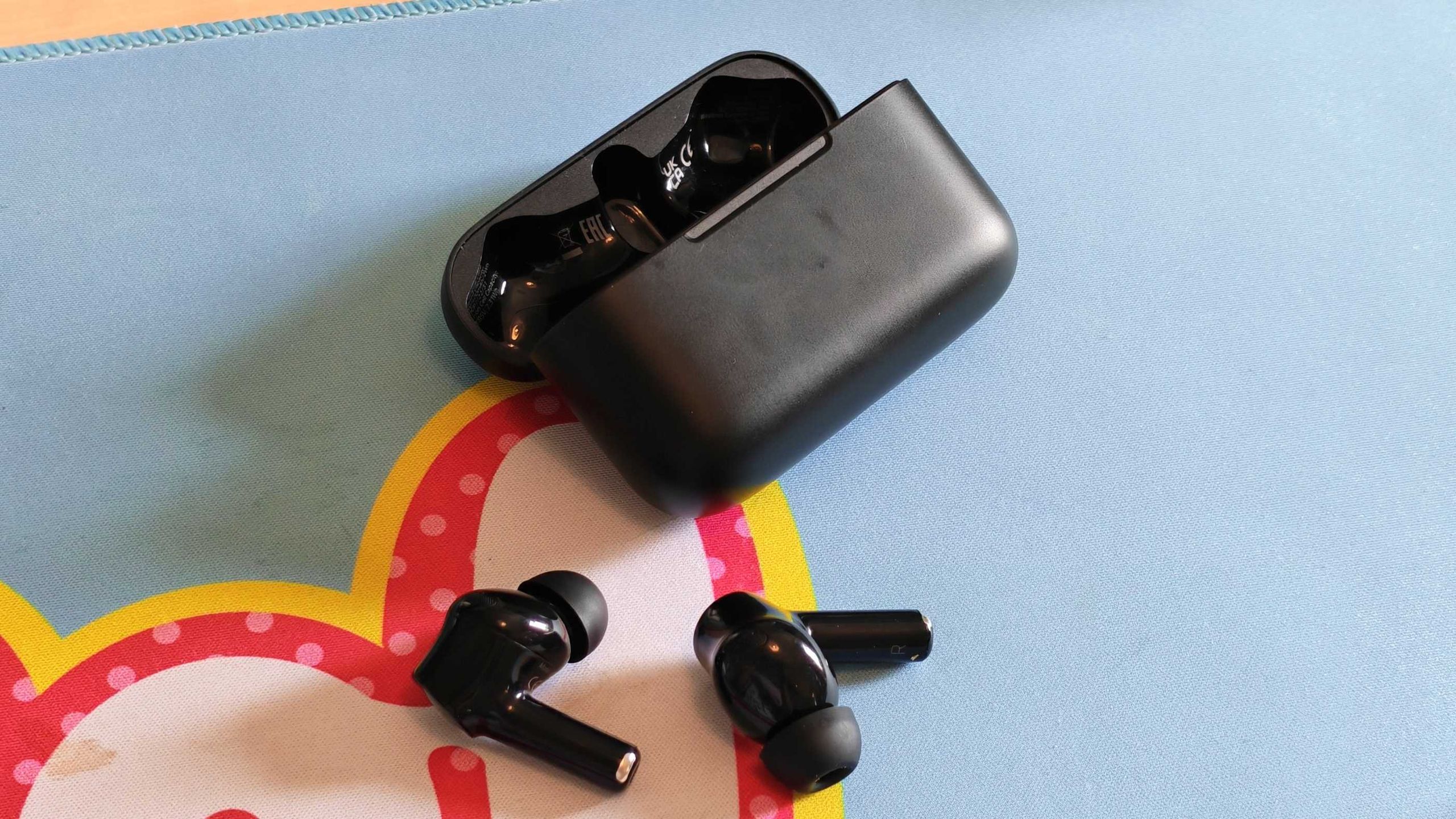
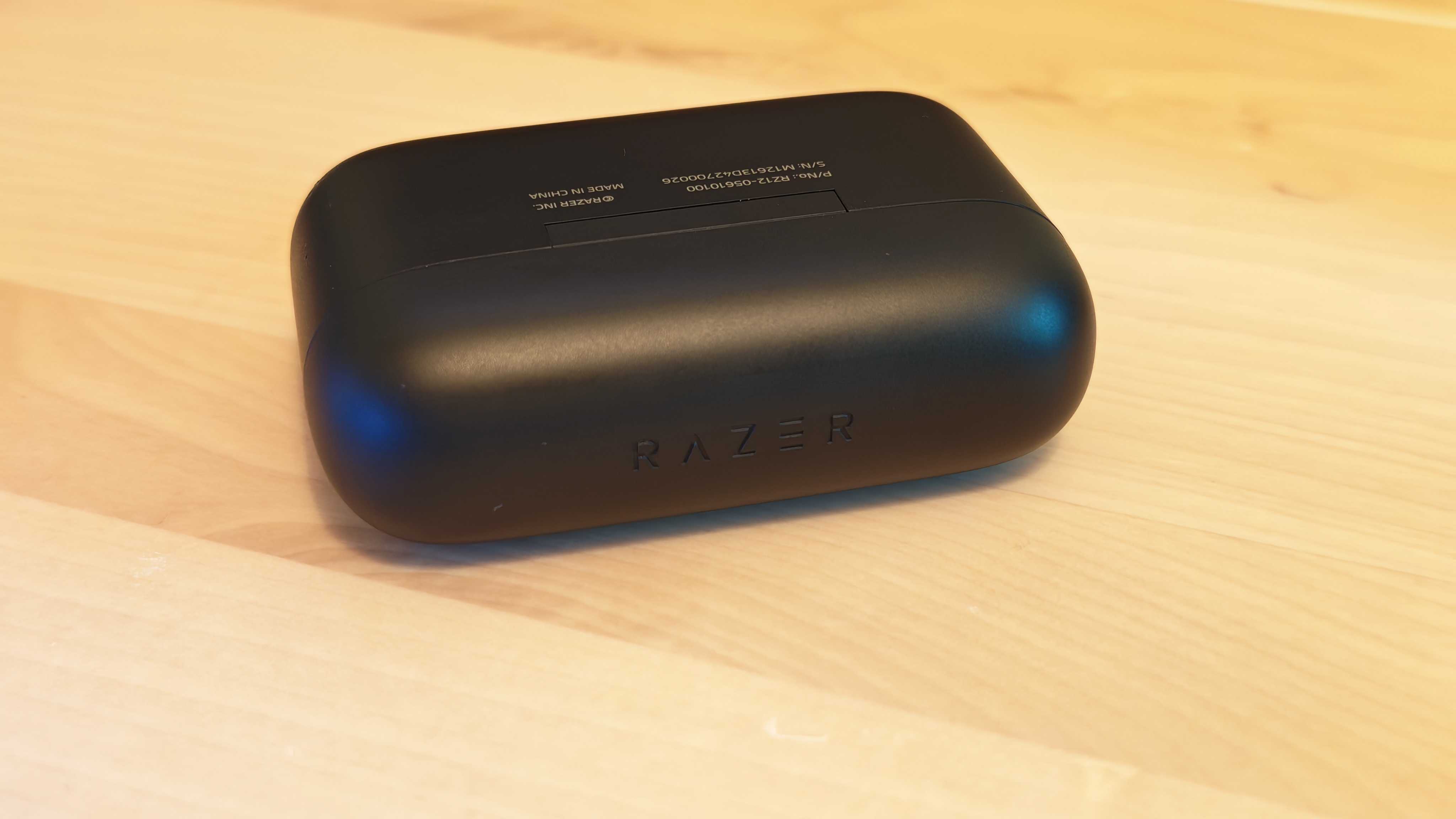
Conversely, the charging case has received praise for its functional design. It features a matte texture that resists fingerprints and a robust magnetic hinge. The case also incorporates a functional RGB LED strip that provides visual cues for pairing, battery life, and charging status. A standout feature is the "dongle passthrough" system; the USB-C dongle can be stored inside the case and connected directly to a machine through the case itself, simplifying the pairing process and reducing the risk of losing the small transmitter.
Audio Performance: Gaming Utility vs. Musical Fidelity
The audio profile of the Hammerhead V3 HyperSpeed is heavily tuned toward a traditional "gaming" sound signature. This results in a punchy, emphasized bass response that makes explosions and gunfire feel impactful. However, this focus on the low end comes at the expense of clarity in the mid and high frequencies. In competitive shooters like Counter-Strike 2 or Call of Duty: Black Ops 7, the earbuds perform adequately for tracking footsteps, but they struggle with the nuanced soundscapes of narrative-driven RPGs.
When transitioned to music or movie consumption, the limitations of the drivers become more apparent. The default "Music" EQ setting has been noted for significantly hollowing out the sound, leading to a flat and uninspiring experience. Even with manual adjustments through the Razer Audio app, the earbuds fail to match the versatility of the SteelSeries Arctis GameBuds, which offer over 100 customizable EQ profiles designed by professional audio engineers.
Active Noise Cancellation and Microphone Reliability
The Active Noise Cancellation (ANC) on the Hammerhead V3 HyperSpeed is positioned as a secondary feature rather than a primary strength. In real-world testing, the ANC struggled to mitigate consistent low-frequency sounds, such as the hum of a desk fan or the ambient noise of an office. For travelers or commuters looking to drown out the roar of an airplane engine or subway train, the V3 HyperSpeed offers inferior isolation compared to the Sony Inzone Buds or high-end lifestyle earbuds like the AirPods Pro.
The microphone array also presents a mixed bag for users. While sufficient for casual voice chat in quiet environments, the microphones lack advanced background noise rejection. In environments with significant ambient noise, voice clarity drops, often forcing users to switch to a dedicated desktop microphone for serious competitive play or professional calls.
Battery Life and Practical Endurance
One area where the Hammerhead V3 HyperSpeed excels is its battery performance. Razer claims a total battery life of approximately 40 hours when factoring in the charging case. Individual charges typically last between 7 and 8 hours, depending on whether ANC and high-performance wireless modes are active. This endurance puts the Hammerhead V3 in the upper echelon of gaming earbuds, ensuring that players can get through a full day of gaming or commuting without needing to tether to a power outlet.
Market Positioning and Comparative Analysis
The Razer Hammerhead V3 HyperSpeed enters the market at a suggested retail price of $129.99 (£129.99 / AU$229.95). In this price bracket, it competes directly with several high-performance alternatives:
- SteelSeries Arctis GameBuds: Often found at a similar price point due to frequent discounts, the GameBuds offer a more refined aesthetic, superior software integration, and vastly better audio quality for music.
- Sony Inzone Buds: Known for their industry-leading battery life and ANC technology derived from Sony’s flagship 1000X series, these remain a favorite for PlayStation 5 and PC enthusiasts.
- PlayStation Pulse Explore: Utilizing planar magnetic drivers, these earbuds offer a level of audio detail that traditional dynamic drivers in the Hammerhead cannot replicate, though they come at a higher price of $199.99.
Broader Impact and Industry Implications
The release of the Hammerhead V3 HyperSpeed highlights a growing trend in the gaming industry: the shift toward "platform-agnostic" peripherals. As gamers move seamlessly between PC, console, and mobile, the demand for a single audio solution that handles all three is increasing. Razer’s early adoption of Bluetooth 6.0 suggests that the company is betting on the continued growth of high-fidelity mobile gaming, particularly with the rise of powerful handhelds and cloud gaming services.
However, the mixed reception of the V3 HyperSpeed serves as a reminder that technical specifications—such as latency numbers and Bluetooth versions—cannot entirely compensate for fundamental audio engineering and industrial design. While the low-latency performance is a boon for the competitive mobile gaming community, the lack of musical versatility and effective ANC may limit its appeal to a broader audience of general consumers.
Final Summary of Findings
The Razer Hammerhead V3 HyperSpeed is a specialized tool that performs its primary function—low-latency wireless audio—with commendable efficiency. Its innovative case design and future-proof connectivity make it a viable option for a specific subset of the gaming population. However, for the average user seeking a versatile pair of earbuds for both gaming and daily life, the compromises in sound quality, ANC, and aesthetic appeal make it a difficult recommendation over more well-rounded competitors. As the market for gaming earbuds continues to mature, the expectation for high-performance audio in all categories remains the standard that Razer must strive to meet in future iterations.