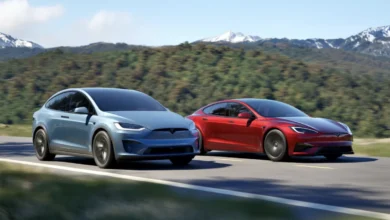
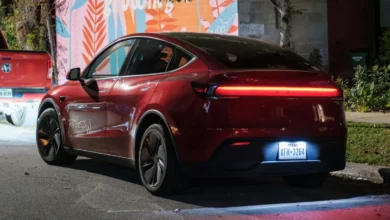
The Best EV Deals for June 2026: Manufacturer Rebates Help Overcome Negative Equity and High Gas Prices.

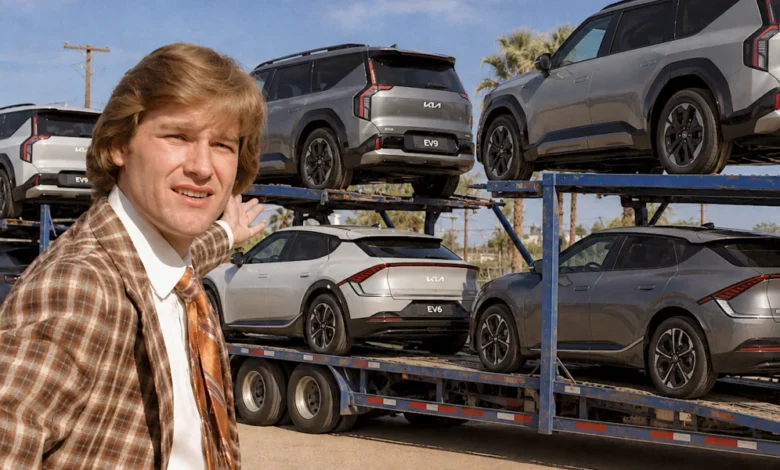
The transition to electric mobility in the United States has reached a critical juncture in mid-2026. While consumer interest in sustainable transportation remains high, the primary hurdle for many prospective buyers has shifted from "range anxiety" to a more immediate financial concern: negative equity. As the automotive market adjusts to post-pandemic pricing corrections, many vehicle owners find themselves "underwater" on their current internal combustion engine (ICE) loans, owing more than their vehicles are worth in a softening used-car market. To combat this and maintain the momentum of the electric vehicle (EV) transition, major manufacturers have introduced aggressive "cash on the hood" incentives. These rebates, often exceeding $10,000, are designed to bridge the gap for consumers burdened by negative equity and high interest rates, making the switch to an electric ride more financially viable than at any point in the last five years.

The Macroeconomic Landscape of the 2026 EV Market
The current surge in manufacturer incentives is not merely a sign of sluggish sales, as some industry skeptics suggest. Rather, it is a strategic response to a complex set of economic variables. By June 2026, the cost of lithium-ion battery packs has continued its downward trajectory, falling below the $100/kWh threshold for several major OEMs. This reduction in production costs has provided manufacturers with the "margin cushion" necessary to offer substantial rebates without compromising long-term profitability.
Furthermore, the "early adopter" phase of EV ownership has largely concluded. The "early majority" of the mass market is more price-sensitive and more likely to be trading in a 3-to-5-year-old gasoline vehicle. With gasoline prices experiencing seasonal volatility and hovering near record highs in several coastal regions, the total cost of ownership (TCO) for EVs has become the central marketing pillar for brands like Ford, Kia, and Mercedes-Benz.
Chronology of the 2024–2026 Inventory Shift
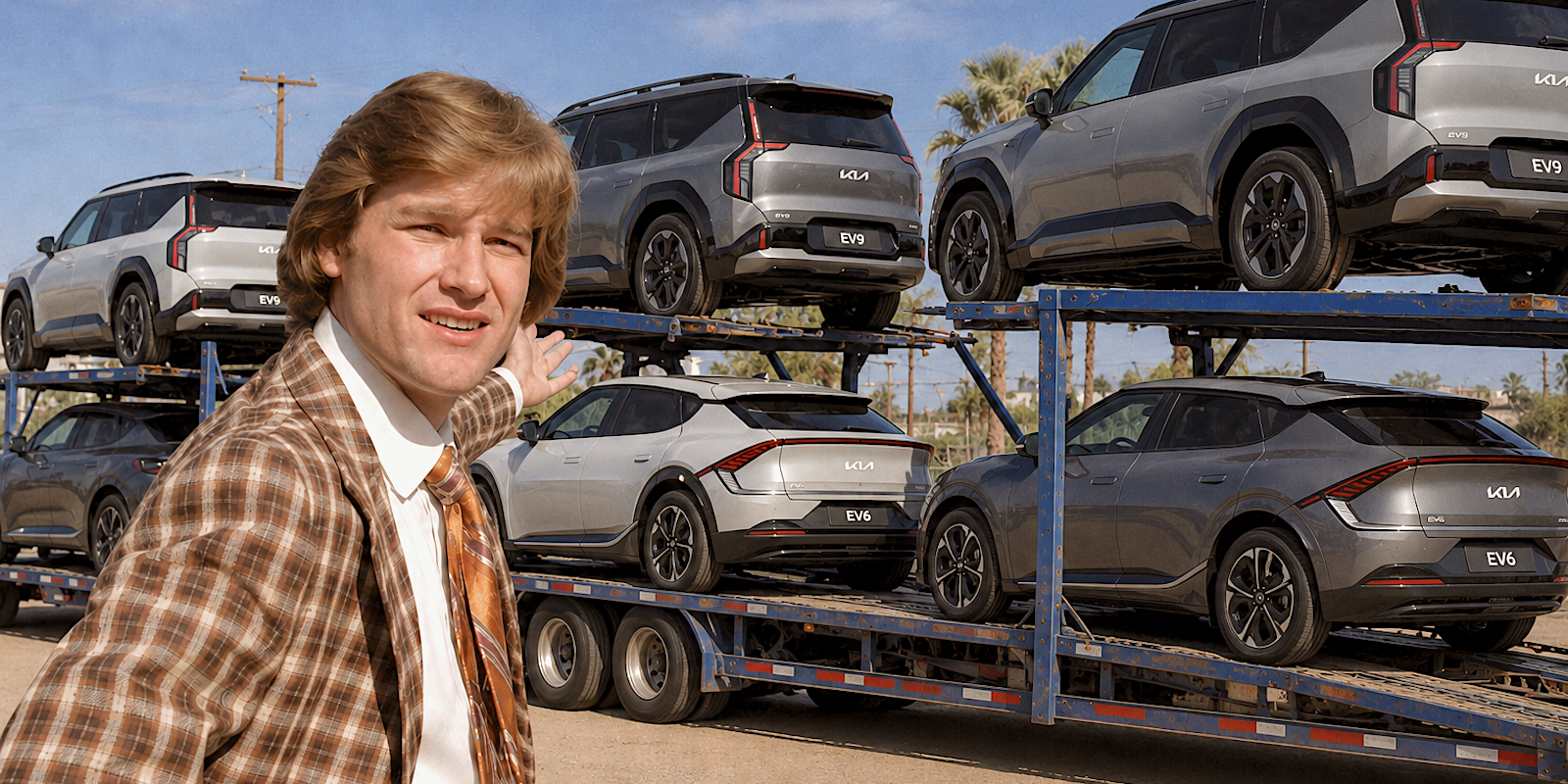
To understand the scale of current incentives, one must look at the timeline of the previous 24 months. In 2024, many automakers faced a surplus of inventory as production capacity finally outpaced the initial wave of demand. By 2025, several brands, including Honda and Volvo, faced software-related delays that temporarily dampened consumer confidence.
Entering 2026, the industry has reached a "stabilization phase." Software "gremlins" that plagued early-decade launches have been largely resolved via over-the-air (OTA) updates and factory-level hardware revisions. Consequently, the massive rebates seen this June are a concerted effort to clear remaining 2025 and early 2026 model-year stock to make room for the 2027 refreshes, which are expected to feature NACS (North American Charging Standard) native ports across nearly all brands.
Detailed Analysis of June 2026 Incentives by Model
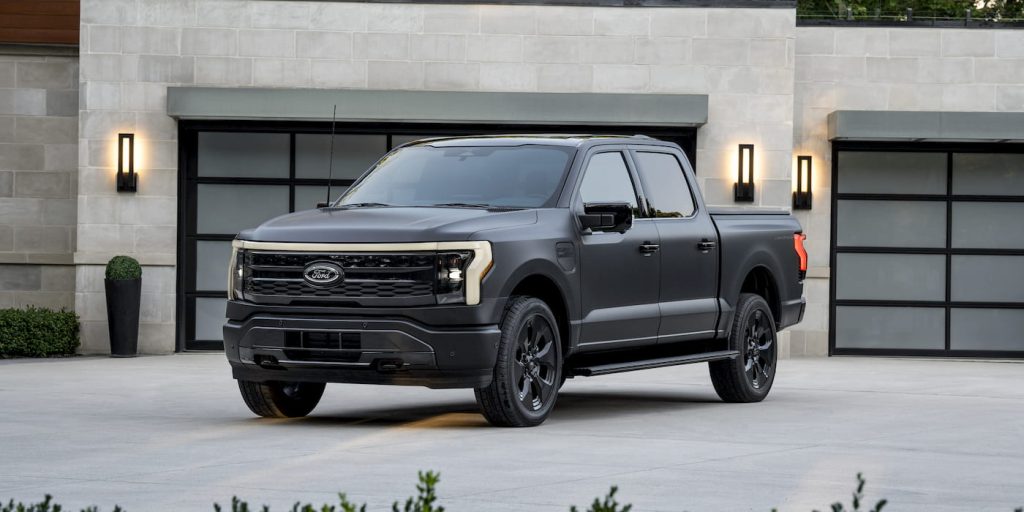
Ford F-150 Lightning: The Workhorse Discount
The Ford F-150 Lightning remains a cornerstone of the American electric transition. Despite its proven capabilities in Vehicle-to-Home (V2H) and Vehicle-to-Everything (V2X) power delivery, Ford is currently offering $9,000 in Retail Incentive cash. This move is intended to counteract the cooling of the full-size pickup market as interest rates remain elevated.
For the average consumer trading in a late-model ICE F-150 with $5,000 of negative equity, this $9,000 rebate effectively wipes out the debt and provides a $4,000 down payment. Industry analysts note that Ford’s strategy is aimed at securing market share before the full-scale rollout of competing electric trucks from secondary players later this year.
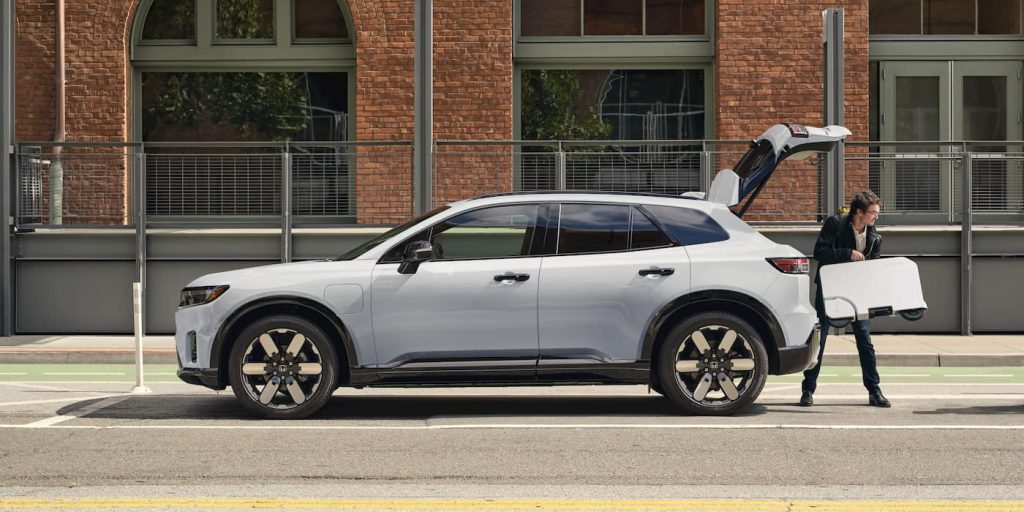
The Honda Prologue and the "Perception Gap"
The Honda Prologue, built on General Motors’ Ultium platform, has faced a unique challenge. In early 2026, news regarding Honda’s shifting EV strategy led to public confusion, with some consumers erroneously believing the Prologue was being discontinued. To correct this narrative, Honda has introduced a $7,500 Sales Credit, which can be stacked with $2,000 in Loyalty or Conquest cash—totaling $9,500 in potential savings.
With a range of up to 308 miles on a single charge and an 85 kWh battery, the Prologue remains a highly competitive mid-size crossover. The current incentive package makes it one of the most affordable entries in its segment, particularly for current Honda owners looking to upgrade.
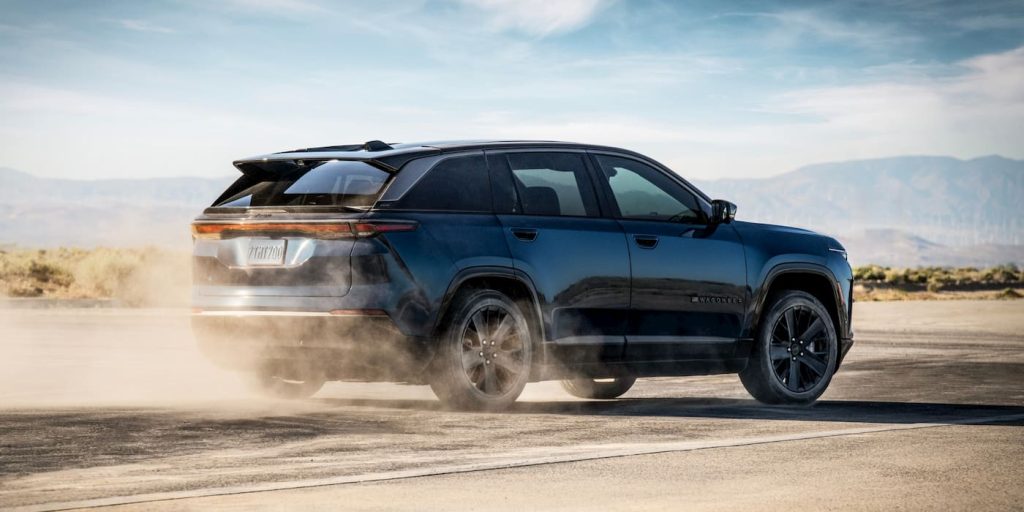
Jeep Wagoneer S: Premium Performance at a Discount
Stellantis has entered the fray with the Jeep Wagoneer S, a high-performance crossover that emphasizes luxury and off-road capability. Jeep is currently offering up to $8,250 in Total Bonus Cash Allowances on remaining 2025 models. This is a significant move for a brand that historically maintained high MSRPs with minimal discounting. The Wagoneer S, utilizing the STLA Large platform, offers rapid on-road performance and a refined interior that rivals European luxury brands, making the $8,250 discount a powerful tool for dealers to "conquest" buyers from the premium SUV segment.
Kia EV9: The Three-Row Leader’s Aggressive Play
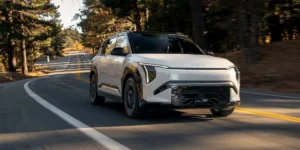
The Kia EV9 has been a resounding success for the South Korean automaker, yet Kia is not resting on its laurels. To maintain its dominance in the three-row electric SUV market, Kia has introduced some of the most aggressive incentives in the industry: $14,100 in lease cash or $10,000 in customer cash for conventional financing.

This strategy is clearly designed to undercut the Rivian R1S and the Tesla Model X. By offering five-figure discounts, Kia is ensuring that the EV9 remains a common sight in suburban driveways, effectively using price as a weapon to maintain high-volume production at its West Point, Georgia, assembly plant.
Mercedes-Benz: Commercial and Luxury Extremes
Mercedes-Benz is utilizing rebates to address two very different market segments: the commercial van sector and the ultra-luxury sedan market.
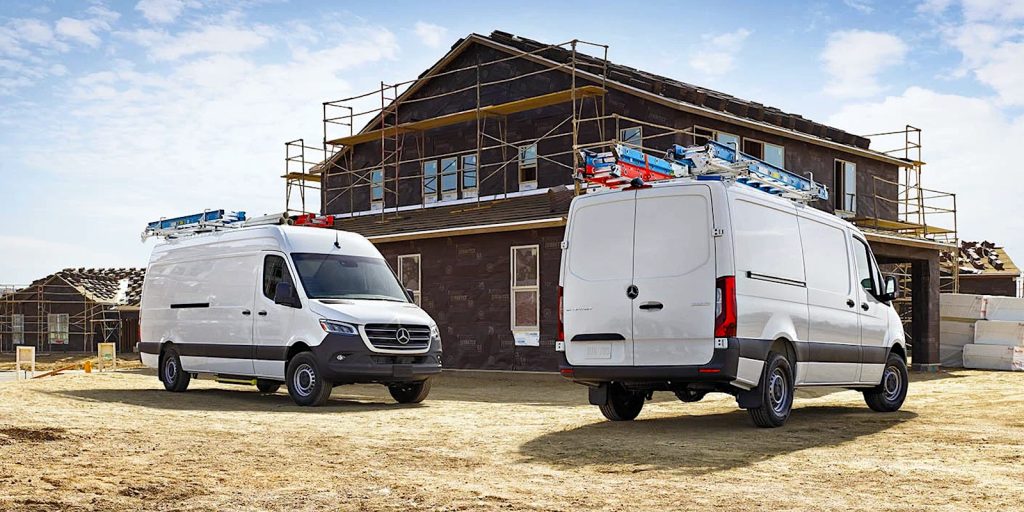
- eSprinter: Despite the Sprinter’s 25-year legacy in the U.S., the electric version has faced slow adoption due to its premium price point. Mercedes is now offering a staggering $20,000 in Customer Cash plus 0% APR financing for up to 60 months. This is a clear signal to fleet operators that the "green" transition for last-mile delivery is now financially superior to maintaining aging diesel fleets.
- Mercedes-Maybach EQS: At the pinnacle of the luxury market, the 2026 Maybach EQS carries a $27,000 "Mercedes Incentive Bonus." This includes conquest and loyalty rewards. The Maybach EQS is less a car and more a "mobile lounge," featuring a triple-OLED Hyperscreen and even an integrated mini-fridge. The $27,000 discount is designed to attract ultra-high-net-worth individuals who may be hesitant about the depreciation curves of high-end electric vehicles.
Polestar 3 and Volvo EX90: The Scandinavian Recovery
Both Polestar and Volvo are looking to rebound from 2025, a year marked by software delays and trade-policy uncertainties.
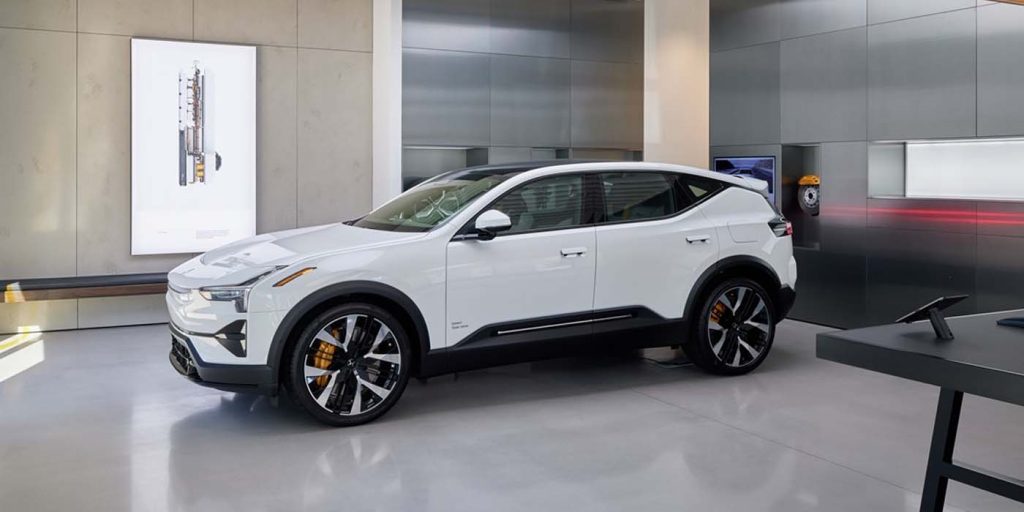
- Polestar 3: The performance-oriented crossover now features an $18,000 Clean Vehicle Incentive plus a $2,000 "Clarity Conquest Credit." For the Dual Motor version, which produces 517 hp and 671 lb-ft of torque, this $20,000 total discount brings the price point closer to its internal combustion competitors.
- Volvo EX90: After addressing early software issues with a comprehensive factory ECU upgrade, Volvo is offering $7,500 cash back on Twin Plus models, with an additional $500 for loyal owners. The EX90 is positioned as the safest vehicle in Volvo’s history, and these incentives are aimed at reassuring family buyers that the platform is now mature and market-ready.
Broader Impact and Industry Implications
The prevalence of these massive rebates in June 2026 suggests a "new normal" for the automotive industry. As the manufacturing of EVs reaches true scale, the price wars that began in late 2023 have evolved into a sophisticated system of targeted incentives.

Impact on Used Car Values
These heavy new-car discounts will inevitably put downward pressure on the resale value of 1-to-2-year-old EVs. While this is a challenge for current owners, it creates a robust secondary market for "budget" EVs, further accelerating the national transition away from fossil fuels.
Dealer Perspectives
Automotive dealer associations have indicated that manufacturer rebates are the single most effective tool for clearing inventory in a high-interest-rate environment. By applying these rebates directly to the "capitalized cost" of a lease or the "out-the-door" price of a purchase, dealers can effectively hide the "sting" of negative equity from the consumer’s monthly payment.
The Future of Federal Incentives
While the federal tax credits established years ago continue to play a role, these manufacturer-driven rebates are now doing the "heavy lifting." Unlike federal credits, which often have strict income and MSRP caps, manufacturer "cash on the hood" is typically available to a wider range of buyers and can be applied at the point of sale without complex tax filings.
Conclusion
The EV market in June 2026 is defined by a paradox: while the vehicles themselves have never been more capable, the financial barriers to entry for the average consumer have grown due to broader economic pressures. The response from manufacturers—offering discounts ranging from $7,500 to $27,000—represents a massive investment in market share. For the savvy consumer, particularly those currently trapped in a high-interest gas-car loan with negative equity, this month represents a unique window of opportunity. As these 2025 and 2026 models move off the lots to make way for the next generation of hardware, the "cash on the hood" strategy may be remembered as the catalyst that finally pushed the American mass market into an all-electric future.