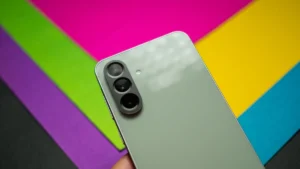
Apple Rebrands Rumored Foldable Line to iPhone Duo to Prepare for an Expansive Multi-Device Ecosystem

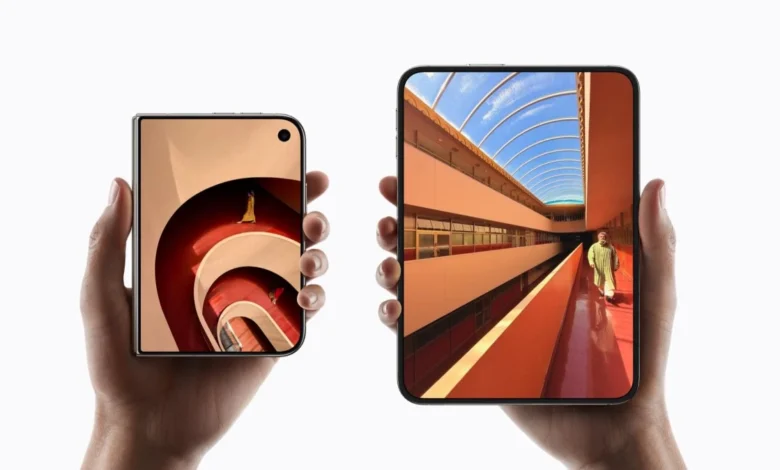
Apple Inc.’s long-anticipated entry into the foldable smartphone market has officially discarded the heavily speculated "iPhone Ultra" moniker in favor of a new branding strategy centered around the "iPhone Duo." While technology enthusiasts and industry analysts spent years anticipating a high-end, premium foldable device under the Ultra designation, Apple’s strategic pivot to the Duo nameplate is reportedly designed to accommodate an entire family of foldable devices slated for release over the coming years.
According to recent insights shared by Bloomberg industry analyst Mark Gurman, the decision to name the inaugural device the iPhone Duo was far from arbitrary. Instead, it serves as the foundational cornerstone for a broader product segmentation strategy that will eventually include variants such as the iPhone Duo Max, the iPhone Duo mini, and an affordable entry-level model designated as the iPhone Duo SE.
This comprehensive nomenclature shift highlights Apple’s calculated approach to long-term market positioning. Industry observers have pointed out that traditional naming conventions like "Ultra" present severe limitations when attempting to build a cohesive product portfolio. For instance, naming iterations such as "iPhone Ultra mini" or "iPhone Ultra Max" introduces conflicting architectural and marketing terminology, whereas the "Duo" prefix seamlessly integrates with a scalable lineup of varying form factors and price points. Furthermore, internal branding considerations favored the three-letter structure, aligning neatly with Apple’s established tiers like the "Air" and "Pro" lines, while intuitively communicating the dual-screen mechanics inherent to foldable technology.
Historical Context and the Evolution of the Foldable Market
The journey toward Apple’s first foldable device has been marked by years of patent filings, supply chain speculation, and rigorous prototyping. For nearly half a decade, display manufacturers, component suppliers, and financial analysts have tracked Apple’s R&D investments into hinge durability, ultra-thin glass, and crease-minimization technology. Competitors such as Samsung, Google, and Motorola have dominated the foldable landscape since the late 2010s, gradually refining book-style foldables and vertical flip phones. However, despite generating considerable consumer interest, foldable devices have historically remained a niche category, constrained by high retail pricing, mechanical durability concerns, and software fragmentation.
Historically, foldable smartphones have occupied less than two percent of the total global smartphone shipment volume, primarily viewed as luxury novelties for early adopters and enterprise users. Companies like Microsoft previously explored dual-screen concepts with the Surface Duo, though those devices relied on dual-pane displays separated by a hinge rather than a continuous, flexible OLED panel. Whether Apple’s design team deliberately built upon or distanced itself from the nomenclature of past dual-screen experiments remains unconfirmed, but the company’s entry into the space signals a definitive turning point for the industry at large.
By entering the foldable sector relatively late, Apple follows its classic playbook: allowing pioneering competitors to iron out early manufacturing defects, consumer grievances, and software optimization hurdles before introducing a polished, ecosystem-integrated alternative. The introduction of the iPhone Duo ecosystem is expected to fundamentally alter consumer perception, transforming foldables from an experimental luxury into a mainstream computing standard.
Market Projections, Supply Constraints, and Scalability
Financial analysts and supply chain monitors are already forecasting unprecedented demand for the initial iPhone Duo release. Industry forecasts suggest that consumer enthusiasm will likely outstrip manufacturing yields during the initial launch window, potentially leading to severe global supply shortages. Market analysts project that the secondary market could experience extreme scalping activity, with international resellers driving up prices on auction platforms significantly above the device’s retail value as early as the first quarter of next year.
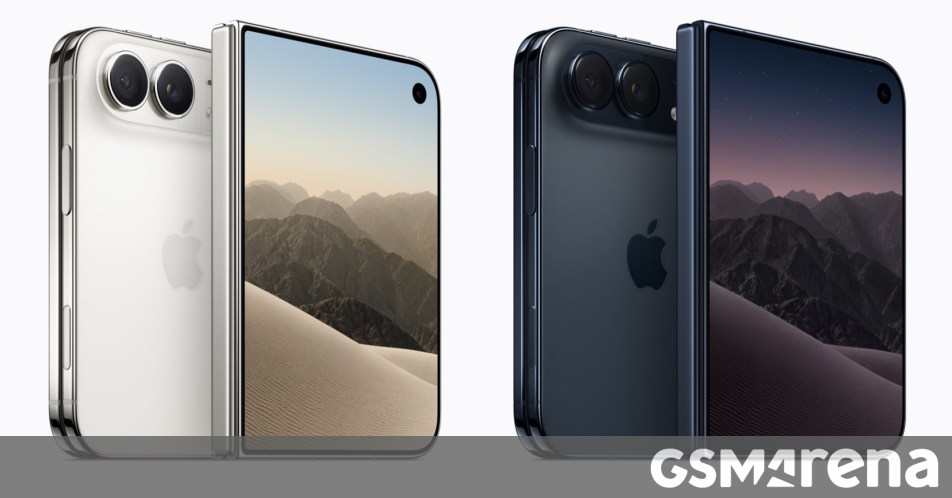
Such extreme supply constraints are characteristic of first-generation Apple hardware rollouts, particularly when introducing an entirely new product category. However, the sheer volume of anticipated demand is expected to reshape the broader mobile computing landscape. Industry experts suggest that the entrance of the iPhone Duo will compel rival manufacturers—ranging from South Asian Android heavyweights to domestic Chinese brands—to dramatically accelerate their capital expenditures, research and development budgets, and marketing outlays dedicated to foldable technologies.
Supply chain partners, including display manufacturers such as Samsung Display and LG Display, as well as specialized hinge-assembly contractors, are reportedly scaling up production capacities to meet Apple’s stringent quality control metrics. These components require specialized manufacturing processes that yield lower initial production numbers compared to traditional slab-style smartphones, further contributing to the projected supply deficits during the early commercialization phase.
Strategic Product Lineup and Future Iterations
The structural organization of the iPhone Duo portfolio is designed to capture multiple tiers of the global consumer electronics market. By establishing "Duo" as the overarching umbrella term for all flexible-screen hardware, Apple has created a linguistic and structural framework that can easily expand into diverse market segments.
- iPhone Duo (Base Model): The foundational device balancing screen real estate, battery efficiency, and flagship performance metrics.
- iPhone Duo Max: A larger-format variant engineered for power users, content creators, and enterprise professionals requiring expansive multi-window workspaces.
- iPhone Duo mini: A compact alternative tailored for users seeking pocketability without sacrificing the core multitasking advantages of a foldable display.
- iPhone Duo SE: A cost-optimized, entry-level version designed to lower the barrier to entry and accelerate mass-market adoption of foldable technology.
This tiered approach addresses one of the primary criticisms leveled against historical foldable devices: extreme price stratification. By mapping out an SE variant from the onset, Apple indicates a clear trajectory toward democratizing flexible display technology within a multi-year timeframe.
Broader Implications for Mobile Computing and Industry Reaction
The mainstreaming of foldable technology carries profound implications for software developers, app ecosystem design, and hardware ergonomics. For over a decade, mobile operating systems have been optimized primarily for rigid, single-aspect-ratio rectangles. The widespread adoption of the iPhone Duo ecosystem forces developers to adopt fluid, adaptive UI/UX paradigms capable of seamlessly transitioning between compact outer displays and expansive inner canvases.
Software development kits (SDKs) provided by Apple have already begun incorporating advanced multitasking frameworks, dynamic layout adjustments, and continuous state preservation to assist developers in optimizing their applications for dual-screen and flexible environments. This developer ecosystem mobilization is widely considered one of Apple’s greatest competitive advantages, ensuring that hardware innovations are immediately supported by robust, high-quality software experiences.
Competitors within the smartphone industry have privately acknowledged that Apple’s entry validates the long-term viability of foldable form factors. While early skepticism from traditionalists questioned whether folding screens were merely an expensive, fragile fad, the market validation provided by a major industry leader is expected to cement foldables as a permanent fixture of personal computing.
As the official launch window approaches, consumer attention remains intensely focused on pricing, durability guarantees, and the specific technical specifications of the iPhone Duo lineup. Whether these devices will successfully transition foldables into the undisputed "new normal" of mobile computing remains to be seen, but the structural foundations for a historic shift in the consumer electronics industry are firmly in place.
Related posts: