Elon Musk teases radioactive Boring Company merchandise as the firm ramps up tunnel infrastructure

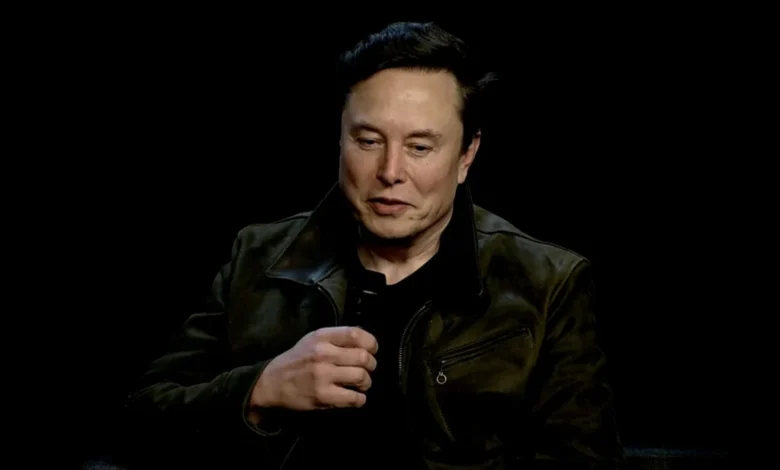
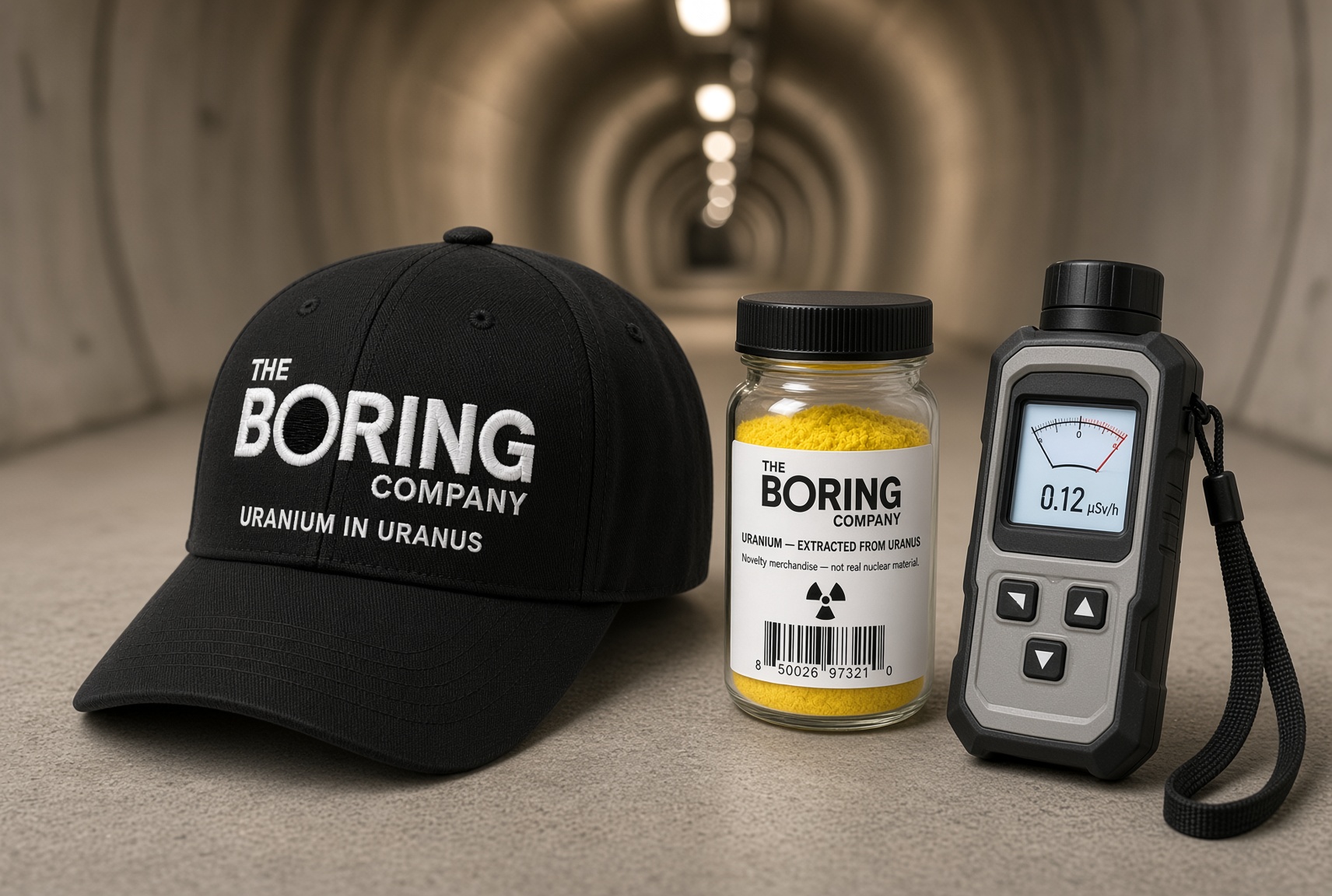
Elon Musk has once again utilized his social media platform, X, to stir anticipation for an upcoming product release from The Boring Company, hinting at a whimsical and potentially hazardous new item that aligns with the firm’s unconventional marketing strategy. In a series of posts published on September 19, 2026, Musk teased a project he dubbed "Uranium in Uranus," describing an object that will glow in the dark and feature an optional, separately sold Geiger counter as an "optional strap-on." While the specific form factor of the merchandise remains undisclosed, the announcement has sparked widespread interest among collectors and industry observers who have become accustomed to the company’s history of turning internet memes into high-demand physical products.
A History of Unconventional Merchandising
The Boring Company has established a unique retail footprint by releasing novelty items that often blur the line between satire and utility. This strategy, characterized by "outrageously unsellable" concepts, has consistently generated significant revenue and brand loyalty. The firm’s most notable venture, the "Not-a-Flamethrower" launched in 2018, served as a catalyst for this business model. That product, which functioned as a propane-fueled torch, saw 20,000 units sell out in a matter of days, generating approximately $10 million in gross revenue.
Following the success of the flamethrower, the company expanded its repertoire with the release of "Burnt Hair" perfume, a limited-run fragrance that retailed for roughly $100. The product’s rapid sell-out led to a thriving secondary market, with units appearing on platforms like eBay for ten times their original purchase price. Furthermore, the company has sold "Boring Bricks"—structural blocks created from the excess rock and soil excavated during tunneling operations—effectively turning construction waste into a marketable commodity. These instances demonstrate that for The Boring Company, physical goods serve not only as revenue streams but as vehicles for community engagement and brand awareness.
Operational Momentum Beyond the Hype
While the "Uranium in Uranus" tease has captured headlines, it arrives at a time when The Boring Company is achieving tangible progress in its core infrastructure business. The company is currently undergoing a significant scaling phase, particularly in Las Vegas. According to internal reports from mid-September 2026, the company plans to double the number of operational stations within its Las Vegas Loop network by the conclusion of the calendar year. This expansion is supported by a robust hiring initiative focused on recruiting operations managers and professional drivers, signaling a transition from pilot-stage technology to a more mature, high-traffic transport system.
Simultaneously, the company’s excavation technology has reached a new milestone. The Prufrock-5 tunnel boring machine recently concluded a successful test run in Bastrop, Texas. Having completed its current assignment, the machine is scheduled for redeployment in November. The efficiency gains reported by the engineering team regarding Prufrock-5 suggest that the company is successfully shortening the time required to complete "boring" cycles, a critical metric for the firm’s long-term goal of reducing the cost and time required to build underground transit systems.

Analysis: The "Musk Brand" Integration
The announcement of the new merchandise is not merely a comedic endeavor; it is part of a broader ecosystem strategy employed by Musk’s companies. By creating highly visible, unconventional products, Musk ensures that his firms remain at the forefront of the public consciousness, even when technical progress—such as the slow, methodical process of tunnel boring—might otherwise fail to generate headlines.
This marketing approach creates a "halo effect," where the brand identity of The Boring Company is reinforced by the same audacity that drives projects like SpaceX’s Starship or Tesla’s vehicle innovations. As the company prepares for its next phase of growth, these novelty items serve as soft-power tools that maintain a dedicated base of supporters, investors, and potential customers who are invested in the broader vision of a multi-planetary, AI-driven, and subterranean-connected future.

Broader Context: The Convergence of Musk’s Ventures
The timing of this merchandise tease is noteworthy, occurring alongside significant developments across Musk’s other major enterprises. SpaceX is currently preparing for the 14th test flight of its Starship vehicle, scheduled for September 22, 2026. This mission is expected to mark the first time the launch vehicle attempts to reach a true orbital trajectory rather than a suborbital arc. The stakes for this mission are high, as it carries the potential to deploy Starlink V3 satellites, which are essential for increasing the global capacity of SpaceX’s internet constellation.
Concurrently, speculation regarding a potential corporate merger between Tesla and SpaceX has reached a fever pitch. During the recent All-In Summit in Los Angeles, Musk addressed the possibility of integrating his companies, noting that the increasing depth of collaboration between Tesla, SpaceX, and xAI makes such a move theoretically possible. Analysts at major financial institutions, including JPMorgan and Jefferies, have begun modeling the impact of such a consolidation. With traders on platforms like Kalshi estimating a 66 percent probability of a merger occurring before 2028, the market is closely watching any sign of structural integration.
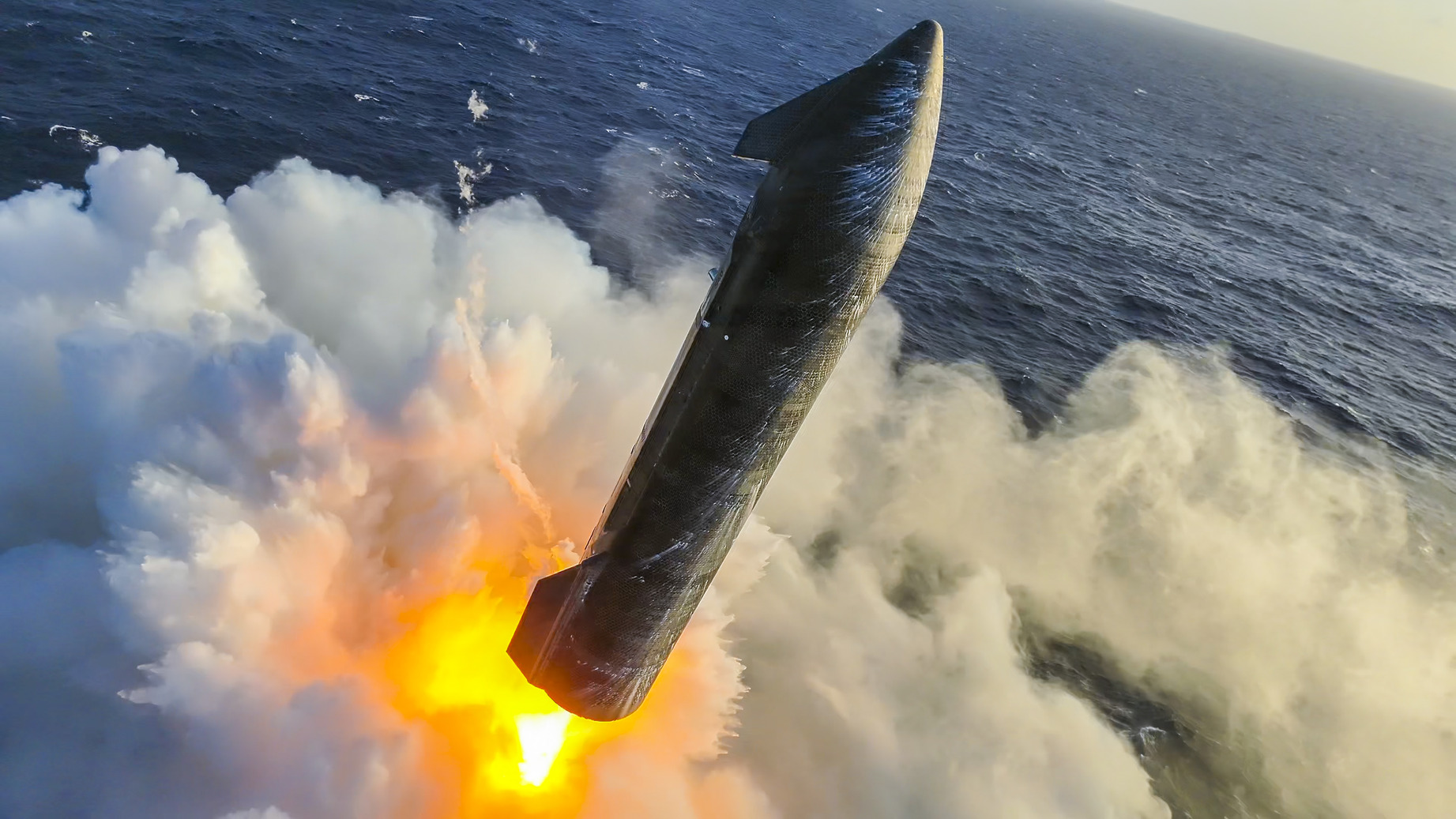
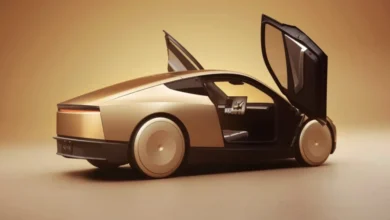
Adding to the complexity of the current landscape is the upcoming unveiling of the next-generation Tesla Roadster on October 1 in Waco, Texas. Marketed under the slogan "Go for launch," the event is expected to showcase significant advancements in automotive performance technology. The convergence of these events—the orbital ambitions of SpaceX, the structural questions surrounding a potential Tesla merger, the high-performance debut of the Roadster, and the lighthearted teases from The Boring Company—presents a multifaceted picture of a corporate empire that is currently in a state of rapid evolution.
The Path Forward
Whether the "Uranium in Uranus" product ever reaches the consumer market is, as in previous cases, subject to the company’s internal development timelines. The Boring Company has historically operated in a state of intentional ambiguity, where product announcements serve as a feedback loop. If interest in the concept is high enough, the company may follow through with a prototype and subsequent production run; if the joke loses momentum, the idea may be quietly shelved in favor of more pressing infrastructure goals.
As of September 2026, the company has provided no pricing, shipping, or manufacturing details for the item. Historically, the company has launched such products through password-protected web pages that appear with little notice. For now, the "Uranium in Uranus" initiative stands as a testament to the company’s unconventional corporate culture—a culture that prioritizes rapid, disruptive messaging to maintain public interest while its engineering teams work behind the scenes to solve the logistical challenges of modern tunneling.
For stakeholders and the public alike, the intersection of these diverse activities—from the serious pursuit of orbital flight to the playful promotion of glowing merchandise—is a hallmark of the current era of Musk-led businesses. It is an approach that consistently challenges traditional corporate communication standards, replacing them with a high-engagement model that thrives on anticipation, surprise, and a continuous stream of updates across all platforms. As The Boring Company continues its expansion, it is clear that its merchandise arm will remain a core component of how the firm defines itself in the public eye, proving that even in the business of heavy infrastructure, there is always room for the unexpected.