The Nikon Z7: A high-res full-frame camera for the price of an entry-level mirrorless

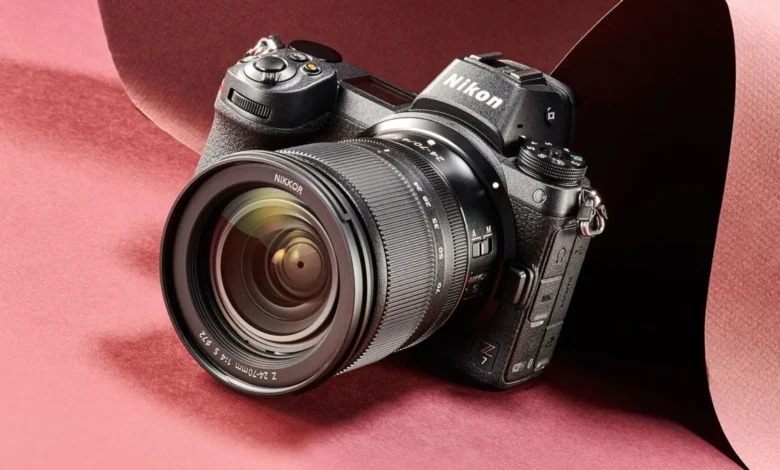
The resurgence of interest in the Nikon Z7, the company’s inaugural full-frame mirrorless camera, represents a fascinating case study in the lifecycle of digital imaging hardware. Launched in August 2018 alongside the Z6, the Z7 was positioned as a high-resolution powerhouse designed to compete with the industry’s top-tier DSLR and mirrorless offerings. While it has since been succeeded by the Z7 II in 2020 and the more advanced Z8 and Z9 models, the original Z7 is currently experiencing a second life on the secondary market. This trend is driven by a combination of extreme price-to-performance ratios and the realization that for many photographic disciplines, the core imaging capabilities of the 2018 flagship remain relevant.
A Chronology of the Nikon Z-System Evolution
The release of the Nikon Z7 marked a pivotal shift in the manufacturer’s strategy. Moving away from the long-standing F-mount DSLR ecosystem, Nikon introduced the Z-mount, characterized by a wider diameter and a shorter flange focal distance. This design allowed for superior light transmission and smaller lens profiles.
In 2018, the Z7 was unveiled with a 45.7MP backside-illuminated (BSI) CMOS sensor, the same core technology that had earned the Nikon D850 DSLR universal acclaim. However, as the industry transitioned to mirrorless, the Z7 faced scrutiny regarding its feature set. In 2020, Nikon released the Z7 II to address the primary criticisms of the original body. The Z7 II introduced dual Expeed 6 image processors, which significantly improved autofocus tracking and buffer capacity. Perhaps most importantly for professional users, the Z7 II added a dual card slot system (CFexpress/XQD and SD UHS-II) and improved support for vertical battery grips, features that were absent in the original model.

Following the Z7 II, the release of the stacked-sensor Z9 and the hybrid Z8 further marginalized the first-generation bodies in terms of raw speed and computational power. Despite this, the Z7 has not lost its utility; it has simply transitioned from a professional workhorse to a high-value tool for enthusiasts.
Technical Analysis: Why the Z7 Still Performs
The primary reason for the Z7’s current popularity is its sensor performance. In 2026, the 45.7MP BSI sensor continues to deliver image quality that rivals contemporary mid-range mirrorless cameras. One of the standout features that has aged gracefully is the base ISO of 64. By allowing for a lower native ISO than most modern full-frame sensors—which typically bottom out at ISO 100—the Z7 provides a distinct advantage in dynamic range, particularly for landscape and architectural photographers who prioritize highlight recovery and shadow detail.
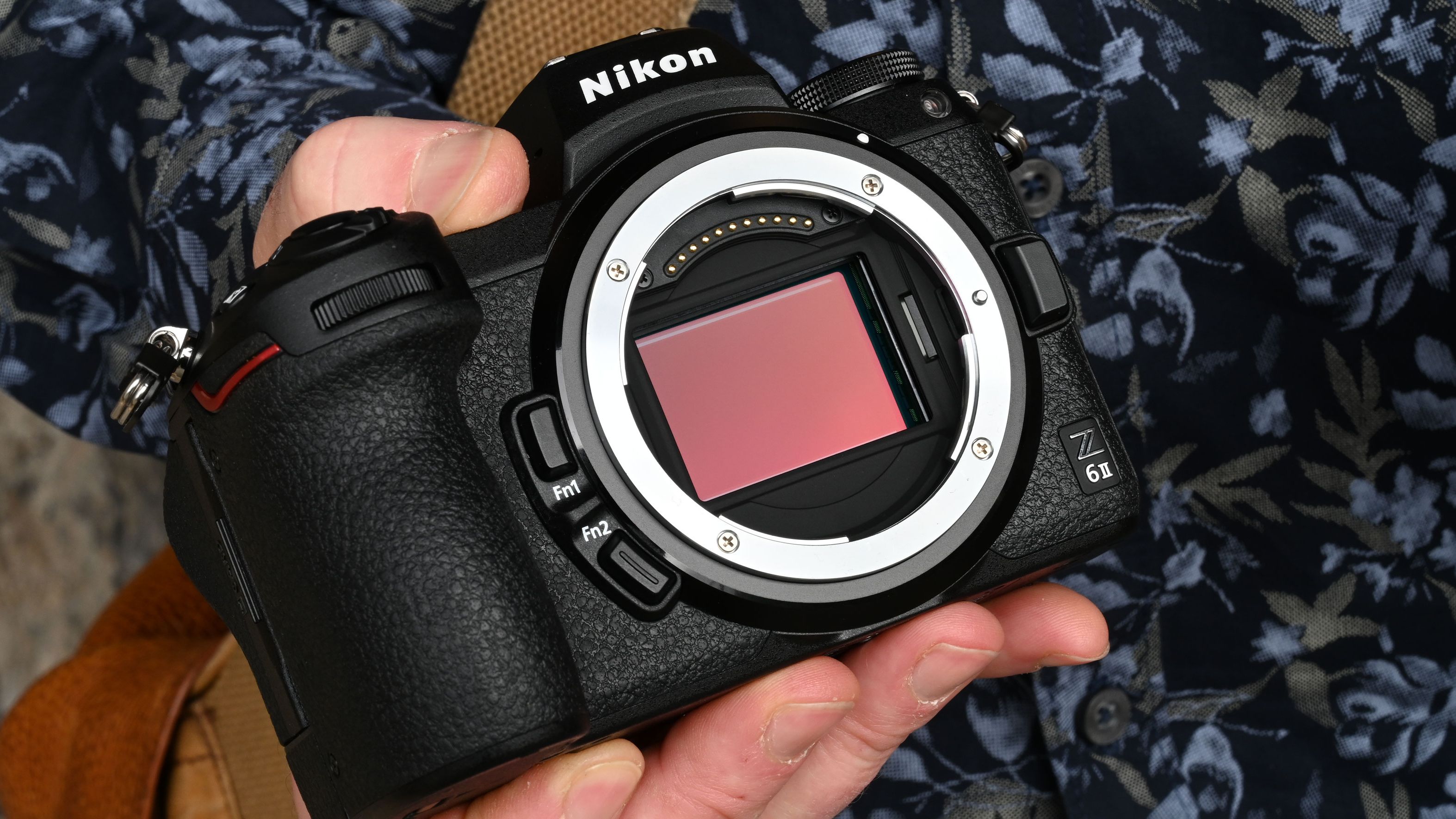
From a build perspective, the Z7 was engineered to professional standards. It features extensive weather sealing, a robust magnesium alloy chassis, and an OLED top-plate display that provides quick status updates on exposure settings. These physical attributes provide a level of durability and handling that is often missing in modern entry-level cameras, which frequently rely on plastic-heavy construction to keep costs down.
However, the limitations of the original model remain documented. The single card slot design prevents the kind of instant redundancy required for high-stakes professional event work, such as weddings, where a memory card failure could result in the total loss of a client’s images. Furthermore, while firmware updates significantly improved the Z7’s autofocus algorithms over the years, it still lacks the sophisticated subject-tracking (eye-AF for birds, vehicles, or insects) found in current-generation AI-assisted cameras.

The Economic Shift and Market Implications
The current market valuation of the Nikon Z7 is perhaps its most compelling feature. As of early 2026, used examples of the Z7 can be acquired for prices starting around $850 or £700 through reputable resellers like MPB. This price point places the Z7 in direct competition with current entry-level cameras like the Canon EOS R50 or the Fujifilm X-T30 III.
For a photographer operating on a budget, this creates a significant decision-making dilemma. A consumer can choose between a brand-new entry-level camera with modern autofocus features and a compact body, or a used, professional-grade 45.7MP full-frame body. For those who do not require high-speed continuous shooting or advanced video autofocus, the Z7 offers a "megapixels-per-dollar" ratio that few modern cameras can match.
Furthermore, the secondary market for Z-mount lenses has expanded considerably. The availability of the FTZ adapter, which allows the use of nearly the entire library of F-mount DSLR lenses, provides an enormous pool of affordable, high-quality glass. By pairing a used Z7 with adapted AF-S lenses, a photographer can build a professional-grade kit for a fraction of the cost of a modern native mirrorless setup.
Broader Impact on the Photography Industry
The trend of buying older, high-end professional bodies is part of a broader shift in the photographic industry. As the pace of technological innovation in sensors has slowed, the difference between a 2018 flagship and a 2026 mid-range camera has narrowed in terms of output quality. While manufacturers focus on adding computational features like pre-capture, AI-based noise reduction, and 8K video, the fundamental requirement for a high-resolution still image remains largely unchanged.
This trend also reflects a growing sustainability-focused mindset among consumers. By extending the lifecycle of cameras that were originally built to last for hundreds of thousands of shutter actuations, photographers are effectively recycling high-end technology. This reduces the pressure on manufacturing chains and keeps capable equipment in the hands of creators rather than in e-waste streams.
Future-Proofing and Considerations
While the Z7 is a capable tool, users entering the Z-system today should be aware of the long-term roadmap. Nikon has pivoted heavily toward the Z8 and Z9 platforms, and the Z-series line now includes specialized models like the Zf (retro-styled) and the Z6III. Firmware support for the original Z7 has largely ceased, meaning users should not expect new features or further AF enhancements.
For the landscape, studio, or fine-art photographer, these limitations are negligible. The Z7 remains a specialized tool for static subjects where resolution and color depth are paramount. Conversely, for sports or wildlife photographers, the camera may prove frustrating due to the lack of modern tracking capabilities and the absence of a dual-slot backup system.
The resurgence of the Nikon Z7 serves as a reminder that "obsolete" in the tech world does not equate to "useless" in the creative world. As digital imaging hardware reaches a plateau of maturity, the value of the original Z7 has finally aligned with its performance, making it one of the most practical options for photographers looking to maximize their return on investment in 2026. Whether it is used as a primary body for controlled environments or as a secondary backup camera for a professional kit, the Z7 proves that quality engineering retains its value long after the marketing hype has faded.