Peak Design enters the mobile power market with a new ecosystem of high-performance charging essentials


The landscape of mobile power accessories has long been defined by a compromise between utility, durability, and aesthetics. For years, Peak Design—a brand synonymous with premium camera bags, innovative tripods, and professional-grade camera straps—has cultivated a reputation for precision engineering. On Tuesday, November 3, the company pivoted significantly by announcing an expansive new line of Charging Essentials. This collection marks a strategic expansion for the manufacturer, moving beyond the periphery of photography gear and into the daily-carry electronics space with a focus on high-efficiency, travel-friendly power solutions.
A New Standard for Portable Power
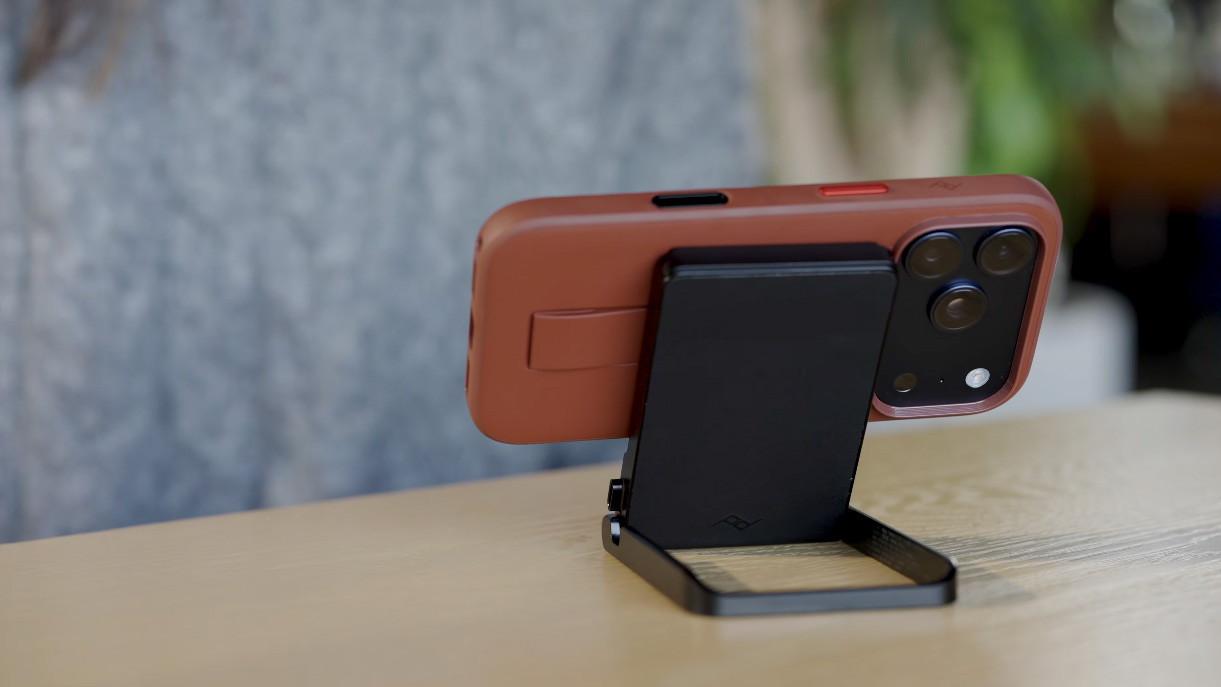
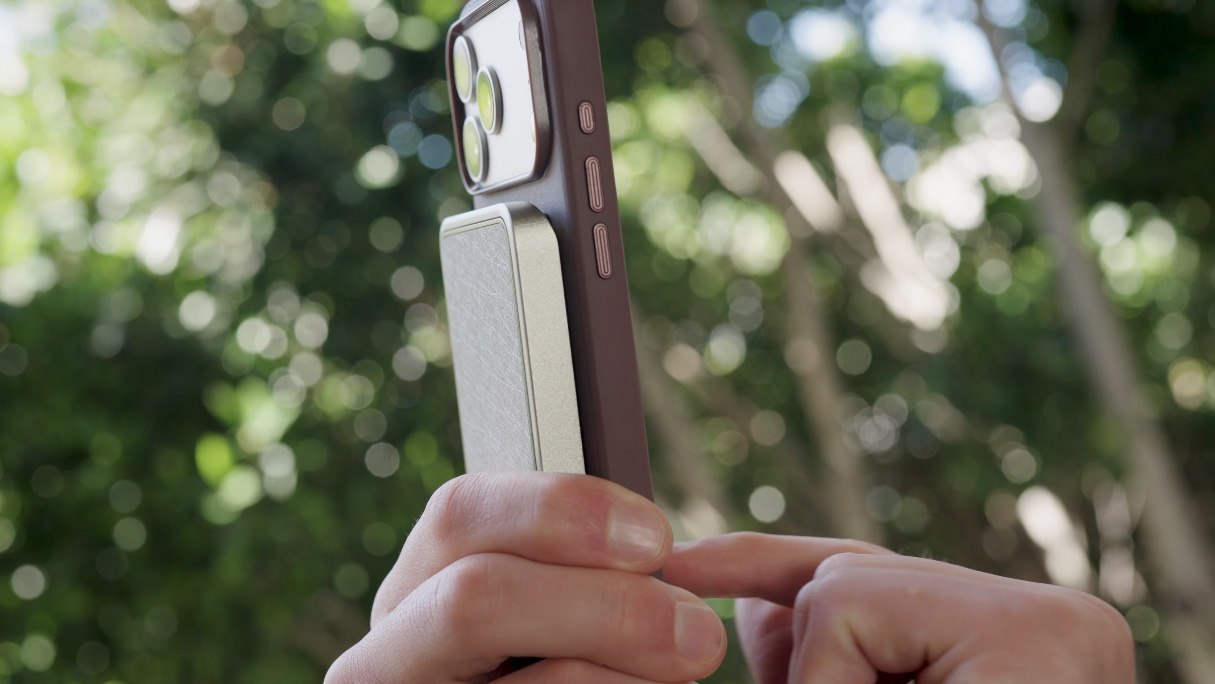
At the center of this product rollout is the Kickstand Travel Battery, a device that aims to solve the perennial issue of carrying multiple accessories while traveling. In a market saturated with generic power banks, the Kickstand Travel Battery distinguishes itself through a multi-functional design. The device is notably slim, with a 10.5mm profile when stowed, allowing it to remain unobtrusive even when attached to a smartphone.
The technical specifications of the unit reflect the growing demand for fast, efficient, and versatile charging. When operating as a standalone portable power bank, the device provides 15W of wireless charging with a 5000mAh capacity. However, the performance shifts when connected to a wall outlet, where it functions as a high-speed charger capable of delivering up to 25W. This dual-mode capability is designed for users who require a seamless transition from a desk environment to mobile use.
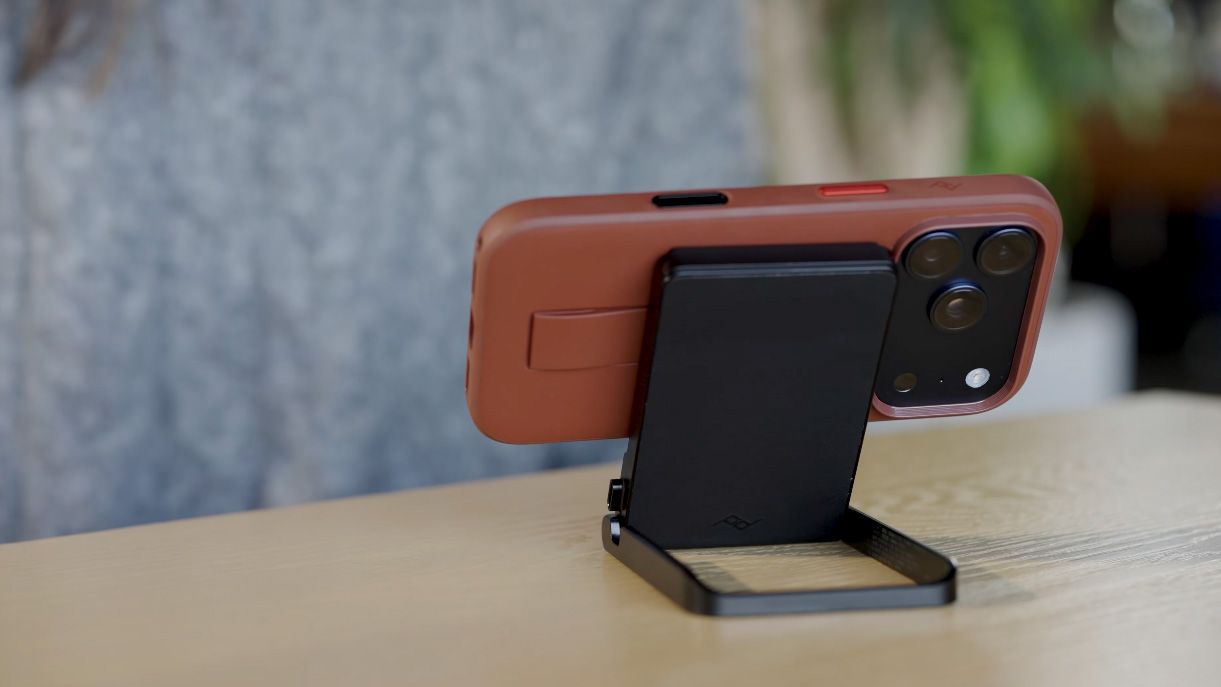
Perhaps most significantly, the Kickstand Travel Battery has been confirmed as the world’s first Qi2.3-certified wireless charger. This certification ensures that the device meets the latest, most stringent standards for wireless power transfer, providing optimized alignment and safety for compatible hardware, including Apple’s MagSafe ecosystem. The device can be used in both vertical and horizontal orientations, catering to users who need to view content or participate in video calls while charging.
Addressing the Ecosystem Gap
The launch of these accessories is not a sudden departure for Peak Design but rather a continuation of its ongoing development of a mobile accessory ecosystem. Following the success of its proprietary phone case line, the company has spent the last few years developing magnetic attachments that integrate directly into the daily workflow of content creators, photographers, and mobile professionals.
Complementing the portable battery is the 2-in-1 Wireless Charging Station. Recognizing that many users now juggle multiple devices, the station is engineered for simultaneous charging of two wireless-enabled devices. Constructed from high-grade aluminum, the unit is designed to fold completely flat, adhering to the brand’s "travel-first" philosophy. The station also includes a secondary USB-C port, enabling a third device to be charged via cable, effectively turning a single outlet into a comprehensive charging hub.
For users seeking to streamline their travel kits further, Peak Design has introduced the Dual Slim Charger. This wall-mounted block measures a mere 1.3 centimeters in thickness. While small, it is built to handle the power demands of modern hardware, featuring two USB-C ports with an equal power distribution model. This design eliminates the "fast versus slow" charging port frustration common in many third-party chargers, where one port is often capped at a lower wattage.
Durability and the UltraStrand Cable Line
Hardware performance is only as reliable as the cables used to deliver the power. Addressing the common pain point of cable failure, Peak Design has also unveiled its new UltraStrand cable series. These cables feature a specialized woven jacket designed for increased durability.
The company has taken a bold stance on the longevity of these products by offering a lifetime guarantee against fraying and breaking. The cables are available in various lengths and configurations, including options for 60W and 240W power delivery. The 240W variant is specifically targeted at high-draw hardware such as modern laptops, tablets, and gaming consoles, ensuring that the accessories can support a wide range of computing needs beyond simple smartphone charging.
Chronology of Development and Market Context
The move toward internal power solutions follows a broader trend in the tech industry where accessory manufacturers are increasingly focusing on vertical integration. Since the debut of its "Mobile" ecosystem, Peak Design has sought to create a cohesive set of tools that work interchangeably.
The timeline of this release follows a period of rigorous testing and community feedback. By leveraging its established community of creators, the company has identified the specific limitations of existing chargers: bulkiness, lack of multi-device support, and poor cable longevity. By prioritizing a slim, aluminum-heavy design language, Peak Design is positioning these products at the premium end of the market, competing with specialized electronics manufacturers rather than generic third-party importers.
Strategic Implications and Market Analysis
The introduction of the Charging Essentials line signals a shift in how professional creators view their peripheral equipment. As cameras become more integrated with smartphones and as creators rely more heavily on mobile devices for editing, the demand for high-reliability, travel-optimized power has reached an all-time high.
From an industry standpoint, the move to include a 240W cable suggests that Peak Design is looking to capture the "pro-sumer" market—users who carry MacBook Pros, iPads, and mirrorless cameras that require substantial power delivery. By providing a unified ecosystem of chargers, cables, and battery packs, the company reduces the need for users to carry a chaotic collection of different brands and mismatched adapters.
Furthermore, the emphasis on the Qi2.3 certification highlights a commitment to future-proofing. As wireless charging standards continue to evolve, consumers are increasingly wary of buying proprietary or non-compliant hardware that may degrade battery health or operate inefficiently. By aligning with the latest industry standards, Peak Design is establishing a baseline of trust for users who rely on their devices for professional, time-sensitive work.
Availability and Pricing
The market response to these products is expected to be closely monitored, given the current saturation of the charging accessory space. The company has structured its pricing to reflect the premium build quality of the line. Both the Kickstand Travel Battery and the 2-in-1 Wireless Charging Station are currently listed at $99.95. For international markets, the pricing is set at £84.99 in the UK, AU$199.95 in Australia, and CA$139.95 in Canada.

Bundled packages—which include the wall chargers and cable options—are available for those seeking a complete system refresh. While some products are currently available for pre-order, the company has noted that high-demand items like the travel kickstand are labeled as "coming soon," suggesting that production cycles are currently ramping up to meet anticipated demand.
Looking Ahead
The launch of these Charging Essentials represents a calculated expansion. Peak Design is leveraging its existing brand equity—built on the promise of durability and thoughtful design—to enter a new, high-growth sector. For the end-user, the implication is a cleaner, more reliable charging experience that mirrors the quality of the devices they are powering. Whether this ecosystem will successfully displace established incumbents in the power sector will depend on the real-world performance of the 240W cables and the long-term reliability of the new battery tech. However, as of November 2024, the company’s focus on high-fidelity, high-durability hardware positions it as a significant new contender in the competitive landscape of mobile power.