Poco C81 and C81X 4G Budget Smartphones Confirmed for April 23 India Launch, Revealing Key Specifications and Market Strategy

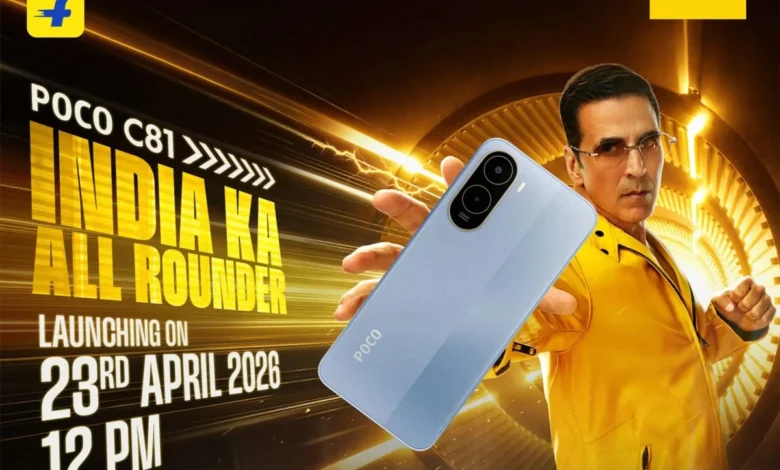
Poco, a brand renowned for its aggressive positioning in the value-for-money smartphone segment, has officially announced the launch date for its highly anticipated C81 series of 4G budget smartphones in India. Set to debut on April 23, the series will introduce two distinct models, the Poco C81 and C81X, with both devices slated for exclusive online availability via e-commerce giant Flipkart. This strategic unveiling not only confirms the devices’ imminent arrival but also pre-emptively reveals crucial battery capacities and primary camera specifications, setting the stage for their market entry and underscoring Poco’s continued commitment to the entry-level smartphone segment in one of the world’s most competitive markets.
The forthcoming Poco C81 series represents a significant continuation of the brand’s successful ‘C’ lineup, designed specifically to cater to the burgeoning demand for affordable yet feature-rich smartphones. The Poco C81 is positioned as the direct successor to the Poco C71, a device that made its debut in April of the previous year. This annual refresh cycle highlights Poco’s consistent effort to integrate newer technologies and refined user experiences into its budget offerings, ensuring its portfolio remains relevant and competitive amidst rapidly evolving consumer expectations.
Poco’s Strategic Focus on India’s Budget Smartphone Market
Poco, initially launched as a sub-brand of Xiaomi in 2018, quickly carved out its niche by offering ‘flagship killer’ devices at disruptive prices. Over the years, it has evolved into an independent entity, maintaining its core philosophy of delivering performance and value across various price segments. In India, a market characterized by its price sensitivity and immense volume, the budget segment (typically under ₹15,000 or approximately $180) remains paramount. This segment accounts for a substantial portion of overall smartphone sales, driven by first-time smartphone buyers, users upgrading from feature phones, and consumers in Tier 2 and Tier 3 cities who prioritize affordability and essential functionalities.
The decision to launch the C81 series as 4G-only devices, despite the accelerating 5G rollout in India, is a calculated move. While 5G adoption is growing, a vast majority of the Indian population still relies on 4G networks, and the cost differential between 4G and 5G chipsets significantly impacts the final retail price. By focusing on 4G, Poco can equip the C81 and C81X with more robust features in other areas—such as battery life or camera performance—while keeping the price point highly accessible. This strategy aligns with the needs of a large demographic that may not yet have access to 5G infrastructure or simply does not prioritize it over other practical considerations like extended battery life.
Key Specifications Unveiled: Powering the User Experience
The teaser images and promotional content released on the Flipkart microsite have provided concrete details regarding the battery and primary camera specifications for both models, offering a glimpse into their core strengths.
Poco C81: Endurance and Utility at its Core
The Poco C81 is set to feature an exceptionally large 6,300mAh battery. This capacity positions it among the market leaders in terms of battery life within the budget segment. For the average smartphone user, a 6,300mAh battery translates to significantly extended usage times, potentially lasting two full days or more on a single charge, depending on usage patterns. This is a crucial selling point for users who prioritize longevity over raw processing power, such as students, gig economy workers, or individuals in regions with inconsistent power supply.

Accompanying this massive battery is support for 15W wired charging. While not the fastest charging standard available, 15W is a respectable speed for a budget device and ensures a reasonably quick recharge time for such a large cell. More notably, the Poco C81 will also offer 7.5W wired reverse charging. This feature allows the smartphone to act as a power bank, enabling users to charge other small devices like earbuds, smartwatches, or even another smartphone in an emergency. This adds a layer of utility that is rarely seen in the ultra-budget category, enhancing the device’s value proposition.
In terms of imaging, the Poco C81 will be equipped with a 13MP primary rear camera. A 13-megapixel sensor is a common specification for entry-level smartphones, generally capable of capturing decent photos in well-lit conditions. While specific details about additional lenses (such as a macro or depth sensor) are yet to be confirmed, a 13MP main sensor usually forms the backbone of a satisfactory basic photography experience for casual users.
Poco C81X: A Balanced Offering
The companion model, the Poco C81X, will pack a 5,200mAh battery. While slightly smaller than its sibling, a 5,200mAh capacity is still robust and well above the industry average, promising excellent day-long battery performance for most users. This differentiation in battery size suggests Poco might be aiming to offer slightly different price points or form factors within the C81 series, catering to users with varying preferences regarding device thickness or weight.
The C81X also appears to sport a single rear camera setup, as indicated by the teaser images. This could imply a more streamlined design or a further optimized cost structure for this particular variant. A single camera setup, if well-optimized, can still deliver competent photographic results, focusing on core image quality rather than offering a multitude of less-used lenses. Further details on its charging speeds and other specifications are eagerly anticipated.
Chronology of the Launch Event and Predecessor’s Legacy
The announcement of the Poco C81 series launch date follows a typical pre-release marketing cadence. Brands often begin with subtle teasers, followed by official date announcements, and then gradually reveal key specifications through dedicated microsites on e-commerce platforms and social media channels. This staggered information release strategy builds anticipation and maintains consumer interest leading up to the official unveiling.
The Poco C71, the predecessor to the C81, was launched in April of the preceding year. At its launch, the C71 aimed to provide a compelling package of essential features at an accessible price point, likely featuring a respectable battery, a functional camera, and a processor capable of handling daily tasks. Its reception would have informed Poco’s strategy for the C81 series, guiding decisions on which features to enhance and where to introduce new functionalities like reverse charging. The C71’s journey established a baseline for what consumers expect from Poco’s C-series, setting the stage for the C81 to build upon that legacy with incremental yet impactful upgrades.
Broader Market Implications and Competitive Landscape
The launch of the Poco C81 series comes at a time when the Indian smartphone market is incredibly dynamic. With numerous players like Redmi (Xiaomi’s main budget brand), Realme, Samsung (with its M and A series), Infinix, and Lava fiercely competing for market share, Poco needs to present a compelling value proposition. The standout 6,300mAh battery of the C81 is a significant differentiator that could sway consumers, especially those for whom battery anxiety is a major concern.
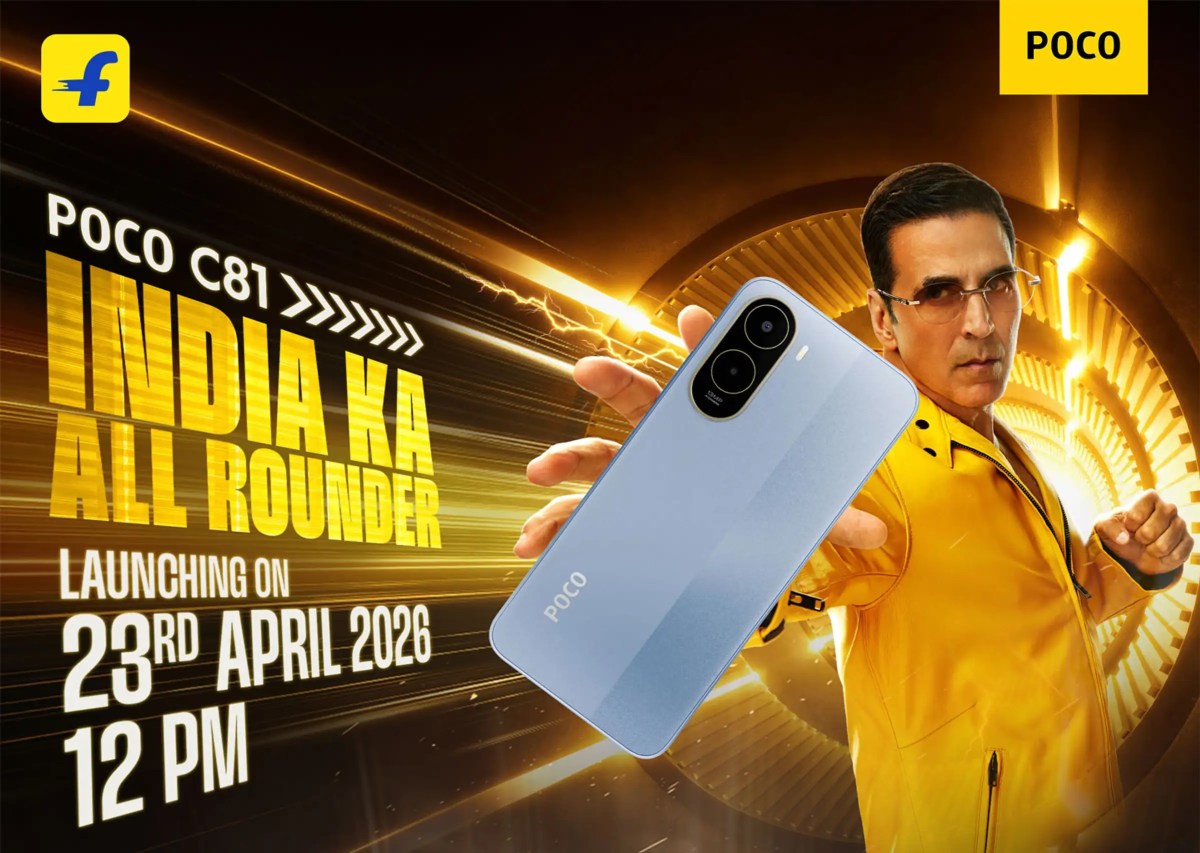
Poco’s continued partnership with Flipkart for exclusive online sales is also a key aspect of its market strategy. Online-exclusive launches allow brands to streamline distribution, reduce overheads, and often translate into more aggressive pricing. Flipkart, with its vast reach across India and robust logistics network, provides Poco with an ideal platform to connect with its target audience directly.
Anticipated Pricing and Positioning
While official pricing details are yet to be revealed, given the "budget smartphone" designation and the features announced, the Poco C81 series is expected to fall within the highly competitive sub-₹10,000 to ₹12,000 price bracket. At this price point, the devices will directly compete with offerings from Redmi’s A and C series, Realme’s C series, and entry-level models from other brands. The C81’s massive battery and reverse charging could give it a crucial edge in a segment where every feature counts. The C81X, with its slightly smaller battery and potentially simpler camera setup, might be positioned at an even more aggressive price point to capture a broader segment of the ultra-budget market.
Industry Reactions and Future Outlook
Industry analysts anticipate that the Poco C81 series will reinforce Poco’s position as a strong contender in India’s budget smartphone segment. "Poco has consistently demonstrated an understanding of the Indian consumer’s demand for value and essential features," remarked a hypothetical market analyst. "The C81 series, particularly with its focus on battery longevity and practical features like reverse charging, is well-equipped to resonate with a large segment of the population looking for reliable and affordable daily drivers."
A hypothetical spokesperson for Poco India might comment, "We are thrilled to bring the Poco C81 series to India. Our commitment to delivering an unparalleled user experience, especially in the entry-level segment, is unwavering. The C81 and C81X embody our philosophy of empowering users with cutting-edge technology that truly makes a difference in their daily lives, all while maintaining an accessible price point. We believe the robust battery performance and thoughtful features will set a new benchmark in this category."
Meanwhile, a Flipkart representative could add, "Our enduring partnership with Poco continues to bring innovative and high-value smartphones to millions of customers across India. The launch of the C81 series on Flipkart reinforces our dedication to offering a diverse portfolio of devices, ensuring that every Indian consumer can find a smartphone that meets their needs and budget."
As the launch date of April 23 approaches, more comprehensive details about the Poco C81 and C81X, including their processors, display specifications, full camera arrays, design aesthetics, and crucially, their official pricing, are expected to be fully unveiled. These additional specifications will provide a complete picture of Poco’s latest budget offerings and their potential to disrupt or solidify their standing in the intensely competitive Indian smartphone market. The strategic focus on core features like battery life and the continued emphasis on affordability highlight Poco’s calculated approach to winning over the mass market segment, ensuring sustained growth in a key global market.