Google Fitbit Edge Review: A Nostalgic Fitness Band Marred by AI Software Shifts

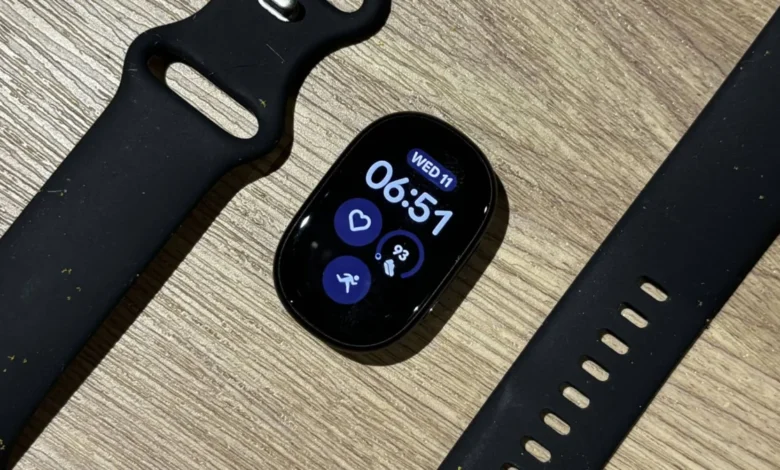
The wearable technology landscape has long been defined by a constant tug-of-war between minimalist activity bands and fully featured, app-heavy smartwatches. Google’s latest entry into this fiercely contested arena, the Google Fitbit Edge, attempts to bridge the gap by invoking the design philosophy of classic Fitbit models like the popular Charge and Luxe series. Positioned directly in the middle of Google’s expanded wearables portfolio, the Edge arrives alongside the screenless, Whoop-competitor Fitbit Air and the highly interactive, domed-display Google Pixel Watch 5. Retailing for $179.99 / £159.99 / AU$269, the Edge aims to capture the hearts of mainstream fitness enthusiasts seeking a comfortable, unobtrusive device for the gym, casual runs, and daily wellness tracking. However, its launch also brings to light ongoing debates regarding software ecosystems, pricing, and the increasing monetization of health metrics through AI integration.
Positioning Within the Ecosystem and Design Evolution
To understand the Google Fitbit Edge, one must look at how Google has segmented its hardware lineup. At the lowest tier sits the Fitbit Air, a screenless tracker that offloads all data presentation directly to the smartphone app without on-wrist interaction. At the opposite end is the Google Pixel Watch 5, offering a vibrant, interactive AMOLED screen and full Wear OS capabilities that function almost like an extension of a smartphone.
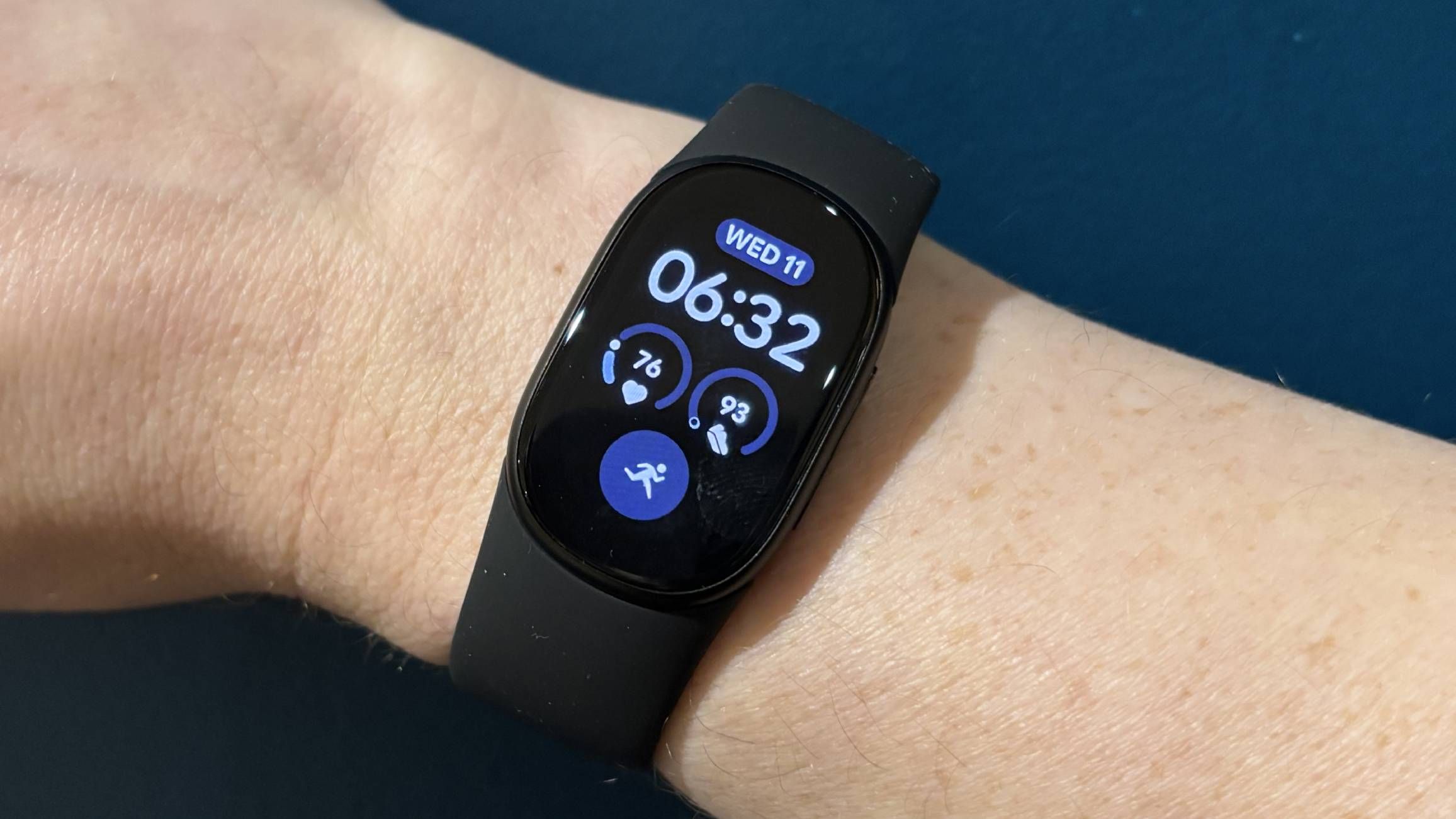
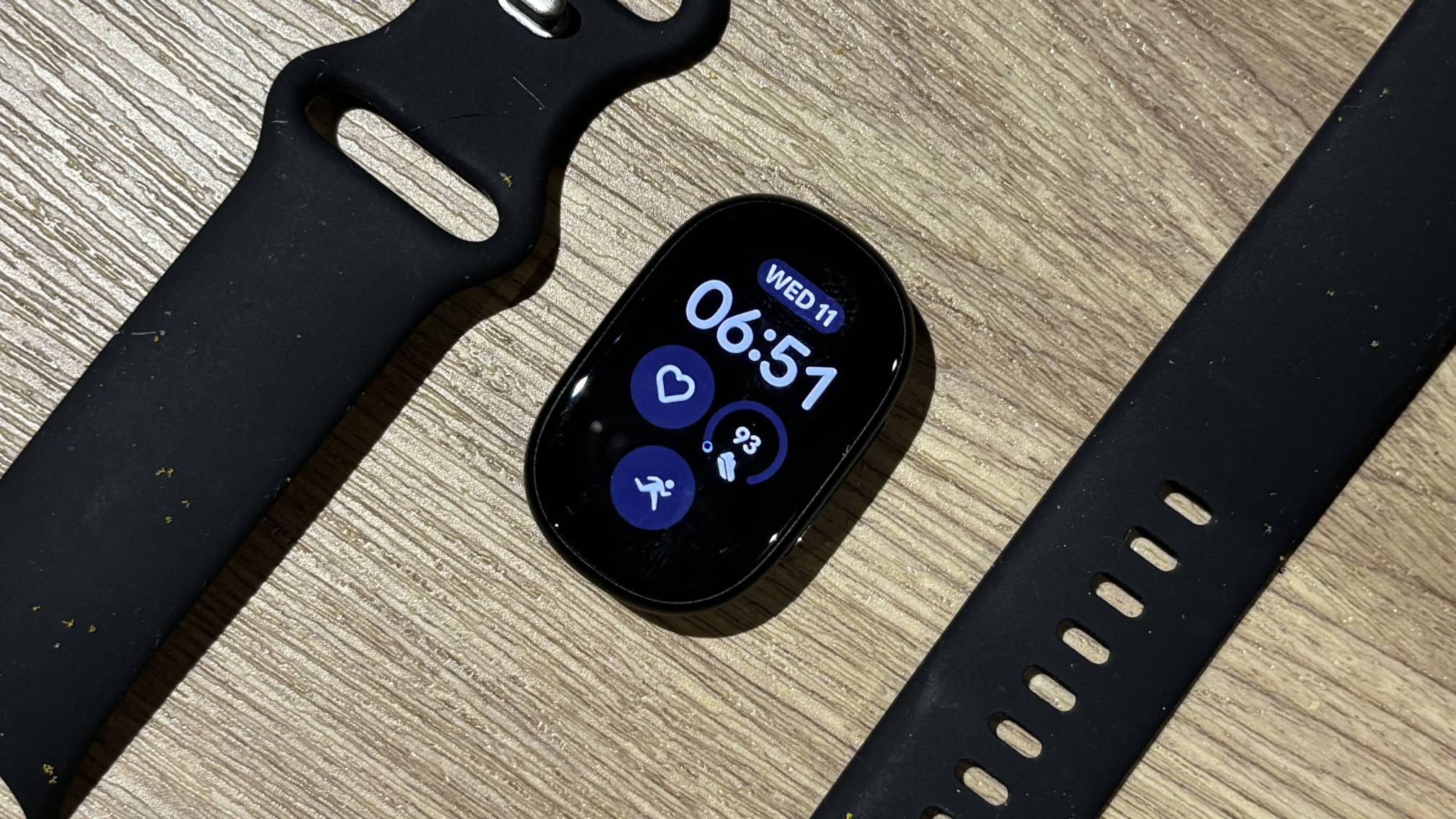
Striking a middle ground, the Fitbit Edge leans closer to the Air’s philosophy of simplicity while retaining features that modern consumers expect from a mid-range band. It features a 1.3-inch always-on AMOLED touchscreen housed in a sleek bezel constructed from 100% recycled aluminum. Weighing a mere 17.7 grams without the band, the device is remarkably lightweight, making it comfortable for round-the-clock wear.
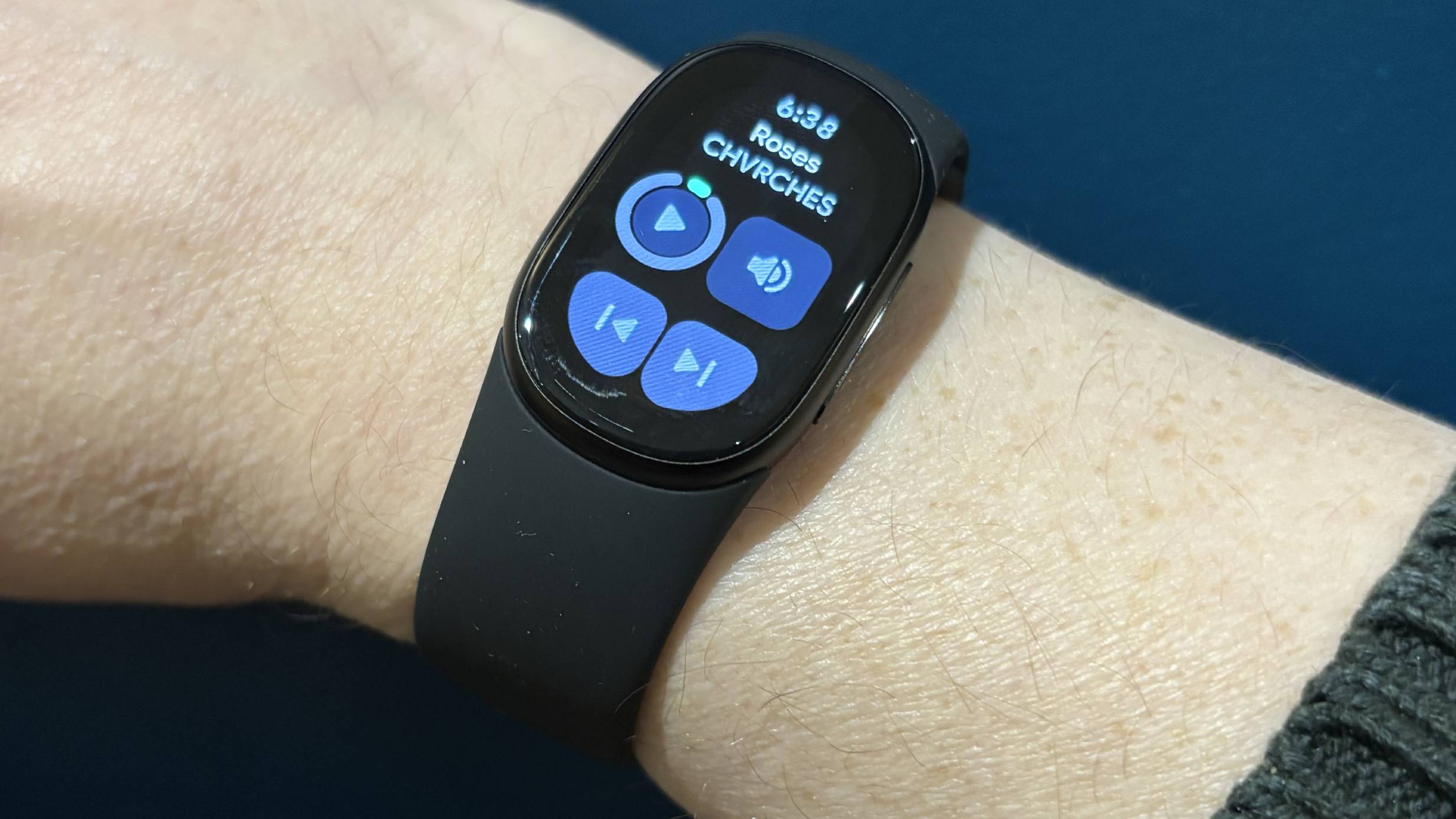
Aesthetically and functionally, the Edge harkens back to earlier eras of fitness trackers. It includes a single tactile button that offers just enough physical feedback to manage media playback, check notifications, set timers, or manually start and stop workouts without demanding excessive attention from the user. Furthermore, the band system allows for interchangeable straps, enabling wearers to easily transition the device from a sporty gym accessory to a more jewelry-like, professional-looking timepiece.
Hardware Capabilities and Sensor Array
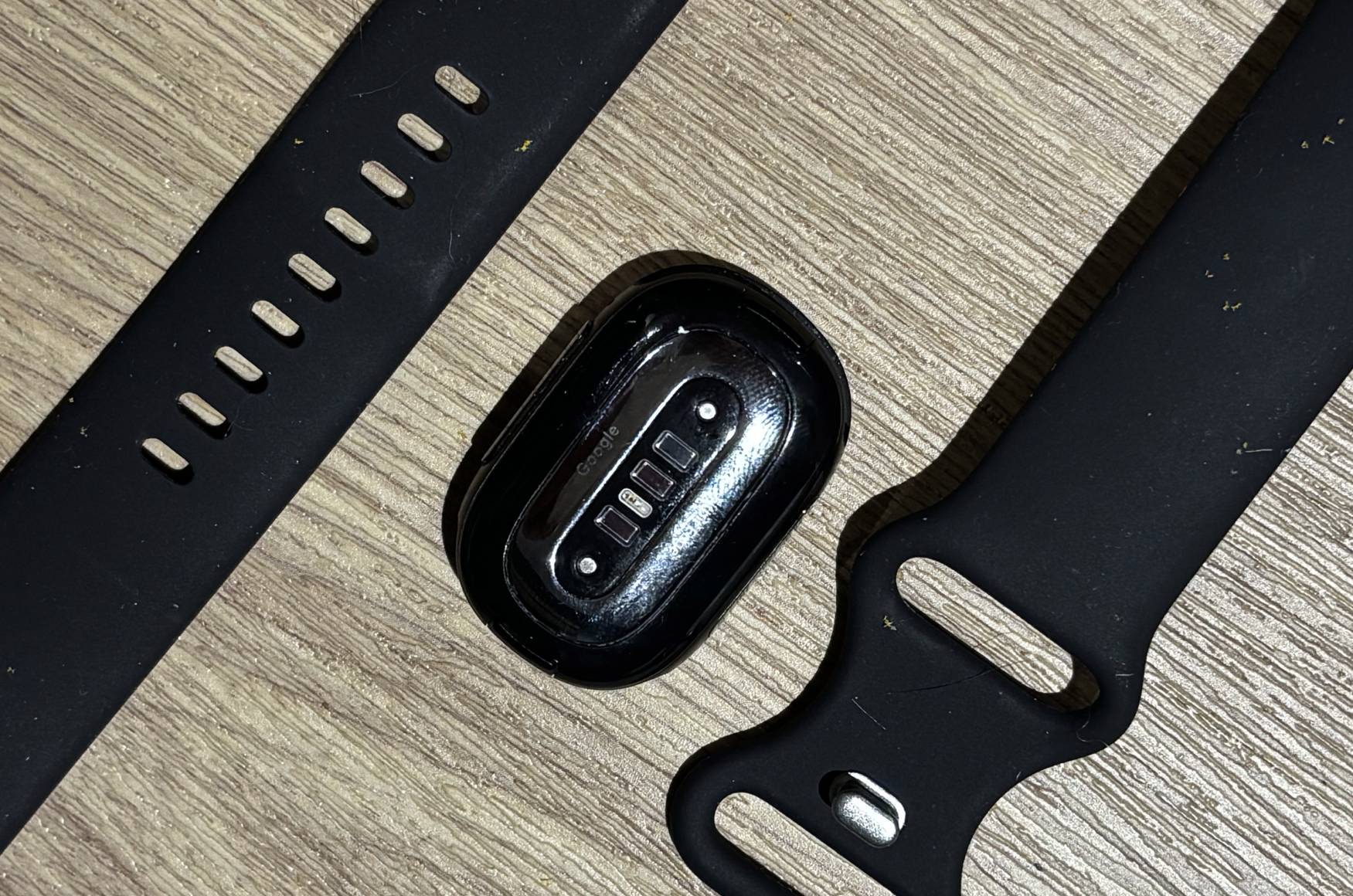
Beneath its sleek exterior, the Google Fitbit Edge packs a competent set of sensors driven by an Ambiq AP5 MCU processor. Unlike its cheaper sibling, the Fitbit Air, the Edge includes built-in GPS with multi-constellation support—incorporating GPS, Galileo, GLONASS, BeiDou, and QZSS—allowing users to map outdoor routes without carrying a smartphone.
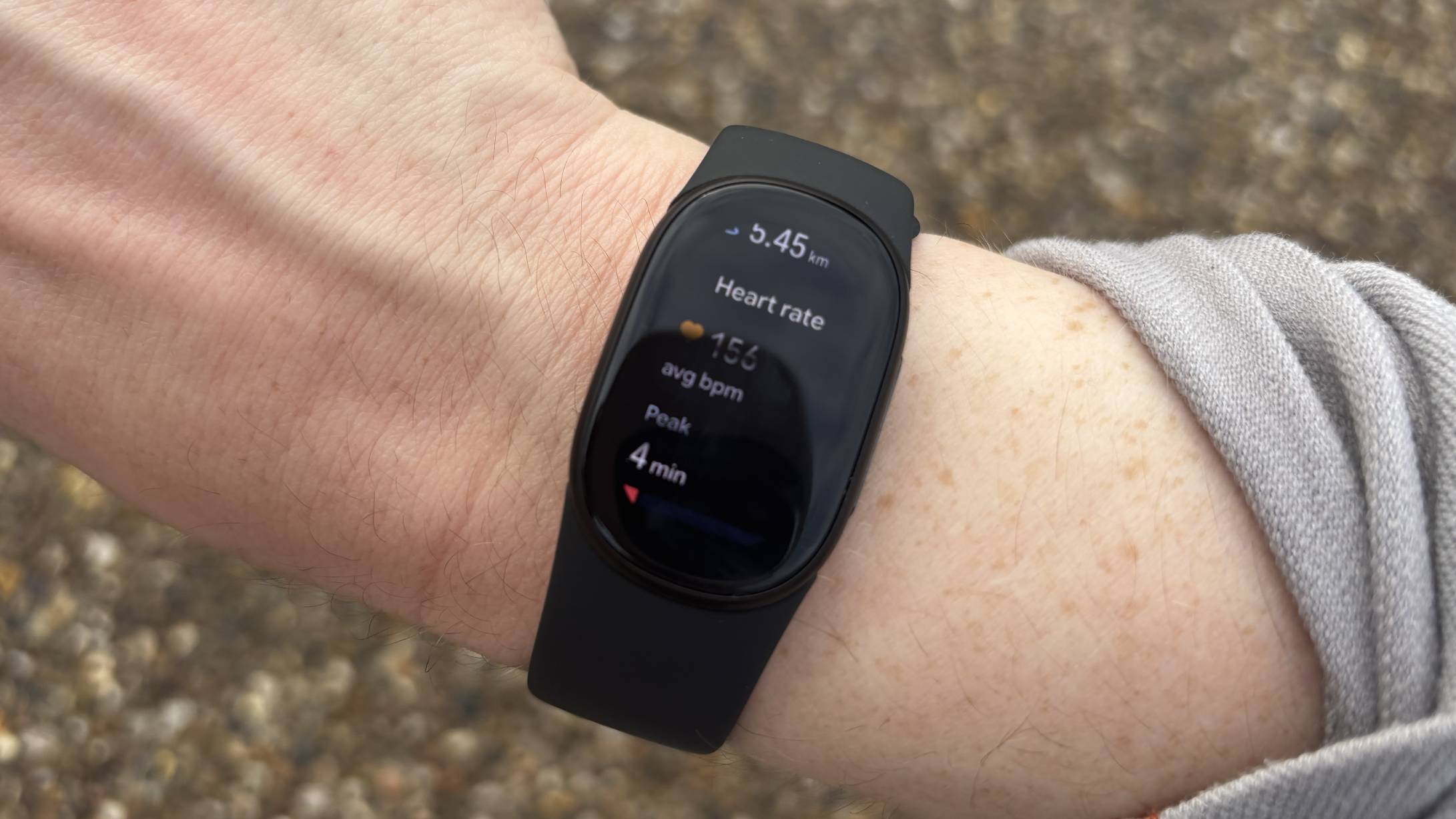
The device’s sensor array is tailored toward preventative health monitoring, functioning as a passive "Health Guardian." It supports continuous heart-rate monitoring, ECG scans to check for cardiac irregularities, ambient light sensing for automatic screen brightness adjustment, and advanced trend tracking for blood pressure, irregular heart rhythms, and insulin resistance estimations. Water-resistant up to 5ATM, the Edge is also equipped to handle swimming and showering without issue, while delivering up to seven days of battery life on a single charge under normal usage conditions.
Performance Analysis: Accuracy, GPS Quirks, and Sleep Tracking
Rigorous testing against industry benchmarks—such as the Garmin Fenix 9 Pro equipped with the highly accurate Elevate V5 sensor—reveals a mixed performance profile for the Fitbit Edge.
On the positive side, the device’s optical heart-rate sensor proved exceptionally reliable. During high-intensity workouts, gym sessions, and steady jogs, the Edge’s heart-rate readings consistently tracked within five beats per minute of the Garmin baseline. Furthermore, the device’s automatic activity detection excels; workouts are seamlessly recognized and logged in the background without requiring manual intervention from the user.
However, performance dipped when evaluating GPS accuracy and sleep tracking. During outdoor running tests, the Edge consistently overestimated distance and pace compared to verified benchmarks, typically recording routes as roughly 0.5 kilometers longer than actual distances. This systematic overestimation suggests that casual joggers will find the metrics acceptable for general fitness tracking, but dedicated runners training for specific pacing goals may find the data unreliable. Sleep tracking scores also showed occasional discrepancies, sometimes diverging by up to 10 points when compared side-by-side with established sports watches.
Software Controversies: The Google Health App and AI Integration
While the physical hardware of the Fitbit Edge has largely been praised for comfort, battery life, and build quality, the accompanying software ecosystem has drawn considerable criticism from reviewers and consumers alike.
The device relies on the revamped Google Health app, which has increasingly leaned into an AI-forward design paradigm. Built to integrate closely with Google’s premium Fitbit Health Coach chatbot service, the application structure has frustrated users of the free tier. Reviewers have noted that historical health data is frequently difficult to surface without navigating through AI prompts, and essential long-term metrics are heavily gated behind subscription paywalls. For a device priced at nearly $180, the aggressive monetization and reliance on conversational AI tools within the app threaten to alienate users who prefer straightforward data visualization over automated coaching prompts.
Market Competition and Alternative Options
The Fitbit Edge enters a crowded and competitive mid-tier marketplace. At $179.99, it goes head-to-head with some of the most popular wearables available, including the Garmin Cirqa, Apple Watch SE 3, Samsung Galaxy Watch9, and Garmin Forerunner 70.
For dedicated runners, specialized running watches like the Forerunner 70 remain the superior choice due to precise GPS mapping. Apple ecosystem users will likely extract more utility from the Apple Watch SE 3, while users prioritizing a screenless, data-focused experience might gravitate toward Garmin’s alternative offerings. Nevertheless, the Fitbit Edge carves out a distinct niche for consumers who want a reliable, aesthetically pleasing "set-and-forget" tracker that provides essential smart features—such as timers, music controls, and manual workout logs—without the distraction of a full-scale smartwatch interface.
Implications and Industry Outlook
The release of the Google Fitbit Edge highlights a broader industry trend: hardware manufacturers are increasingly forced to balance component cost inflation with feature richness. By keeping the price point steady relative to its predecessors despite global supply chain pressures, Google has made the Edge an accessible entry point for casual fitness enthusiasts.
However, the friction surrounding the Google Health app underscores a growing challenge in the wearable tech sector—software monetization. As companies shift toward subscription-based health coaching models, the value proposition of standalone hardware is increasingly dictated by software design choices. For buyers who value a lightweight, highly comfortable band with exceptional battery life and reliable general health trends, the Fitbit Edge remains a compelling option. Yet, prospective buyers must weigh whether they are willing to navigate an app ecosystem increasingly tailored toward premium AI subscriptions.