Magical Nordic bird photos win a 23-year-old photographer a major prize for the second year in a row

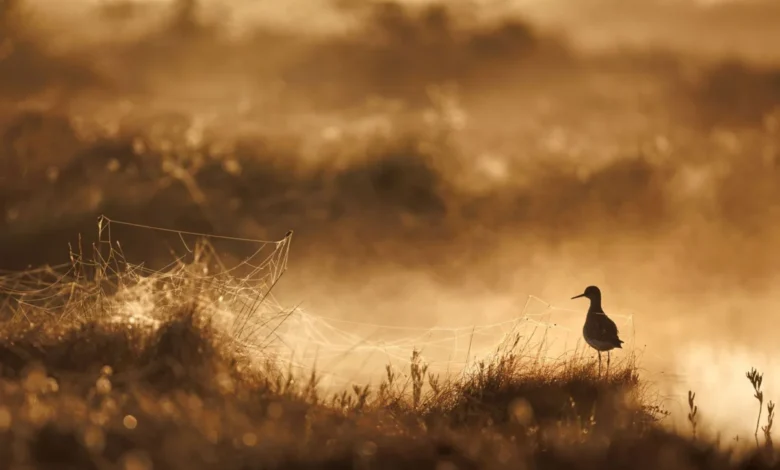
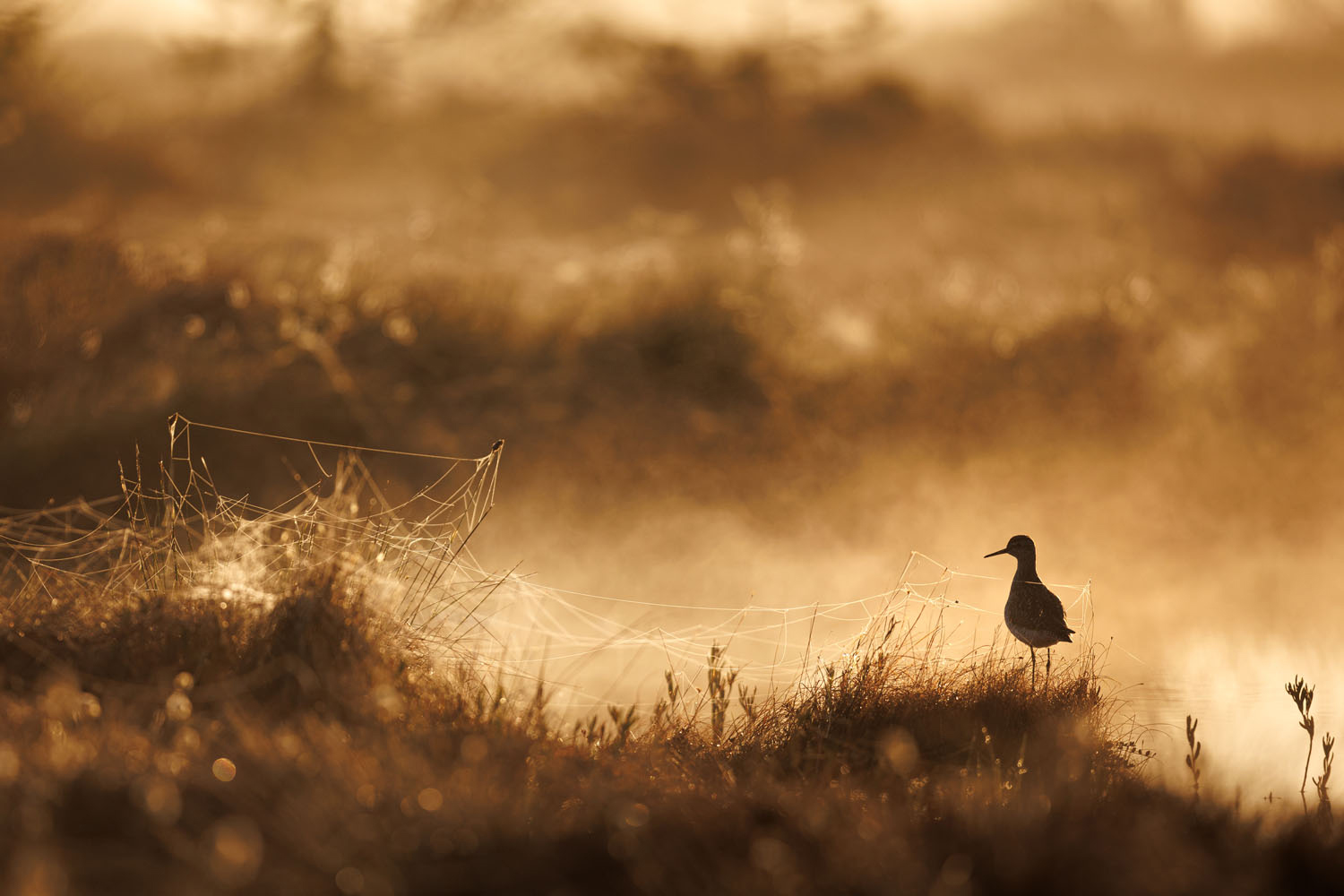
The announcement of his win confirms a remarkable trajectory for the young artist. Last year, Gjerde gained international acclaim for a portfolio documenting the survival strategies of Norwegian wildlife in extreme, high-latitude environments. This year’s project, The magic of the Nordic wilderness, shifts the focus toward a more atmospheric and minimalist aesthetic, capturing the ephemeral nature of light and fog as they interact with the birdlife of the barren tundra and dense boreal forests. The series is characterized by its quietude, relying on the interplay between deep shadows and the ethereal glow of the midnight sun or early morning mist to define the character of the Nordic wilderness.
A Legacy of Excellence: The Fritz Pölking Prize Context
The Fritz Pölking Prize, named in honor of the late German nature photographer who was a pioneer in the field, is administered by the Gesellschaft Deutscher Tierfotografen (GDT). It serves as a benchmark for excellence in wildlife photography, specifically emphasizing artistic vision alongside technical proficiency. The Junior category, reserved for photographers under the age of 26, is designed to highlight the next generation of talent capable of interpreting the natural world with both scientific respect and creative flair.
Gjerde’s repeat victory is a rarity in the competition’s history. Since its inception, the prize has sought to reward work that demonstrates not just the ability to locate and photograph elusive species, but the patience and narrative depth required to produce a cohesive, professional-grade portfolio. By winning in 2025 and again in 2026, Gjerde has joined an elite group of photographers who have managed to capture the jury’s attention through consistent thematic evolution rather than a single viral image.
Technical Mastery and Artistic Vision
The jury’s decision to award Gjerde the 2026 prize was driven by what they described as the "exceptional coherence" of his work. In their official statement, the committee noted that Gjerde’s ability to weave style, subject matter, and a sensitive, almost painterly handling of light, transformed individual frames into a singular, unified body of work.
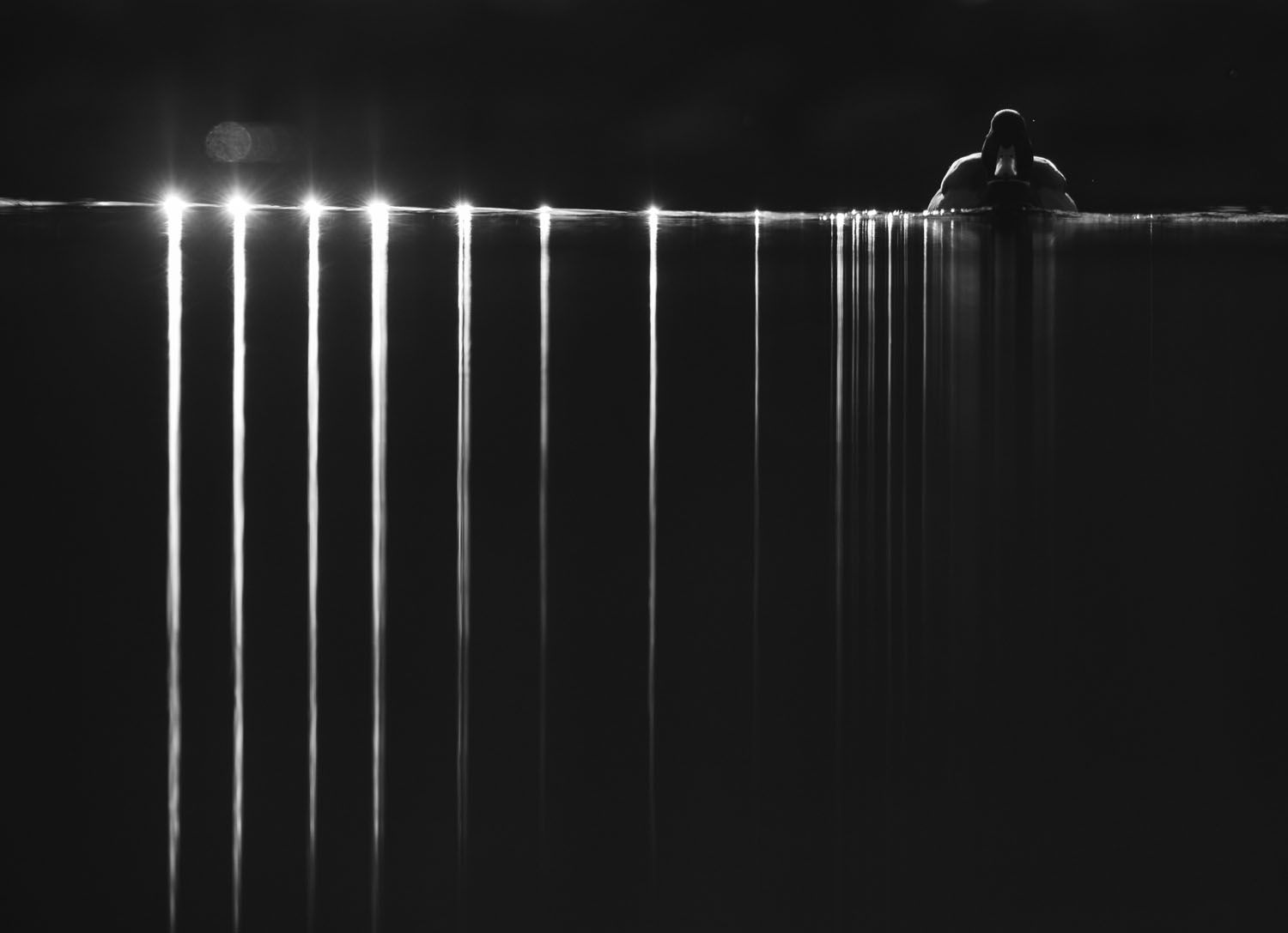
Technically, the images rely on a sophisticated understanding of field craft. Gjerde’s work features species such as the red-throated diver and the wood sandpiper, birds that are notoriously difficult to document due to their shyness and habitat preferences. The photographs often employ a minimalist composition, where the animal is placed within the broader context of its environment. This approach forces the viewer to engage with the landscape—the dew-covered spider webs, the dark, mirrored waters of a forest lake, or the shafts of sunlight piercing a heavy canopy—rather than merely observing the creature in isolation.
According to Gjerde, the process involves "countless hours of patient observation." This dedication is not merely for the sake of the image but represents a deep-seated commitment to the ecological realities of the North. His background as a military photographer in the Arctic Ranger Battalion provided him with the physical endurance and navigation skills necessary to operate in environments where temperatures frequently drop well below freezing, and where light conditions are often challenging for standard camera equipment.
The Role of Narrative in Conservation
The broader impact of Gjerde’s photography lies in its ability to bridge the gap between scientific documentation and fine art. While many nature photographers focus on the macro-details of biology, Gjerde’s work leans into the "eerie" and "mysterious" aspects of the Nordic wilderness. By framing the landscape as a character in its own right, he invites the viewer to reflect on the fragility of these ecosystems.
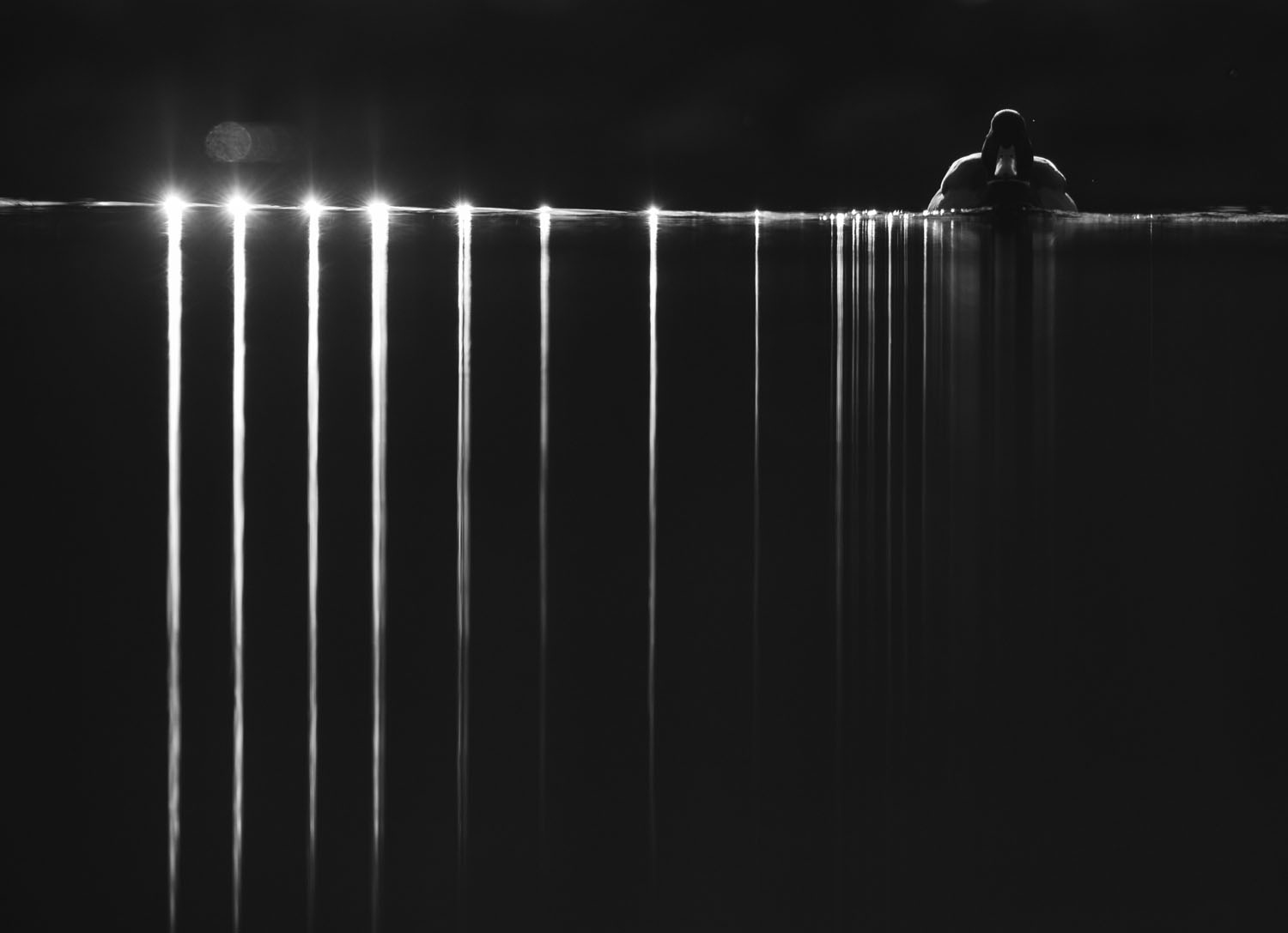
His work is part of a growing movement in European photography that emphasizes the preservation of natural habitats through visual storytelling. As climate change continues to impact the Arctic and sub-Arctic regions at a faster rate than the global average, the documentation of these specific, often overlooked species becomes an important historical record. By highlighting the "resilience" of the wildlife, Gjerde provides a compelling argument for the importance of conservation in a rapidly changing world.
Industry Implications and Future Prospects
For the photography industry, Gjerde’s success highlights a shift toward high-concept, low-impact documentation. He is an active member of Norske Naturfotografer / NN, an association that upholds high ethical standards for nature photography. His involvement with this organization, coupled with his transparent approach to his process—which he shares through mini-documentaries on social media—serves as a template for professional photographers entering the industry in the digital age.
His transition from military service to a professional career in nature and wildlife photography serves as a case study for the professionalization of the field. By utilizing his technical military training to navigate extreme conditions, he has effectively carved out a niche that allows him to access environments that are inaccessible to the casual hobbyist.
The official award ceremony, scheduled for October 23, 2026, at the International Nature Photography Festival, will provide a platform for Gjerde to discuss the challenges of his recent work. Industry experts anticipate that this event will further solidify his reputation and likely lead to increased interest in his long-term projects, which focus on the intersection of human history and the natural landscape of Scandinavia.
Data and Methodology
The 2026 competition saw a record number of submissions from across Europe, with the Junior category remaining the most competitive. While the exact number of entries remains proprietary to the GDT, the increased volume of high-quality digital portfolios suggests that the barrier to entry for high-level nature photography is simultaneously lowering due to gear accessibility and rising due to the extreme saturation of the field.
Gjerde’s portfolio stands out not for the gear he uses, but for the consistency of his output. Analysts of the photography market note that Gjerde’s work is characterized by a "low-frequency, high-impact" approach. Rather than producing high volumes of content, he focuses on singular, intense sessions of field work that produce a small but high-value set of images. This methodology has proven successful in capturing the attention of major award bodies, which have increasingly prioritized narrative cohesion over sheer technical sharpness in recent years.
Conclusion: The Road Ahead
As Tobias Gjerde prepares to receive his award, the implications for his career are significant. Having established himself as a two-time winner of a major international prize before the age of 25, he is now positioned to influence the next wave of Scandinavian nature photography. His focus on the "magic of the wilderness" serves as a reminder that even in an era of global connectivity, there remain vast, untouched, and mysterious spaces that require the patient, observant eye of a dedicated photographer to bring to the world stage.
His work acts as a vital bridge between the remote realities of the Arctic and the public consciousness, ensuring that these fragile environments are not merely seen, but understood and valued. For Gjerde, the 2026 Fritz Pölking Junior Prize is not a culmination, but a continuation of his mission to document the enduring spirit of the Nordic wild. As he moves forward, his ability to balance technical prowess with a profound, emotional connection to the landscape will likely keep him at the forefront of the international photography community for years to come.