Apple introduces Siri Recap and Live Rewind in latest watchOS 27.3 beta for flagship Apple Watch models

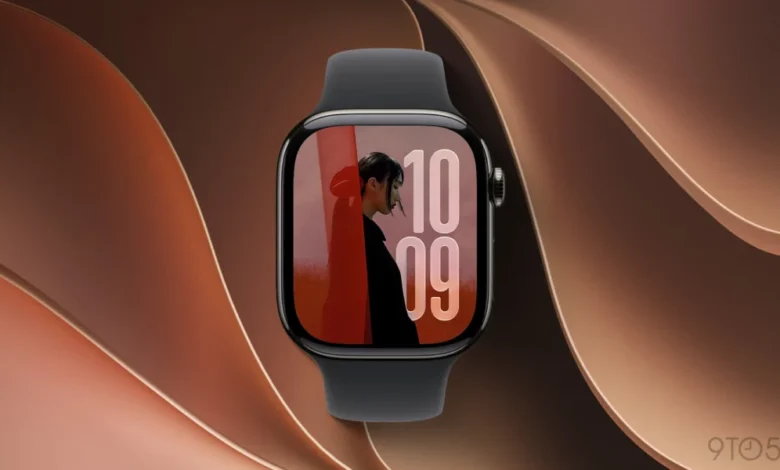
The landscape of wearable technology underwent a significant evolution this week as Apple released the developer beta for watchOS 27.3 and iOS 27.3. These updates bring two highly anticipated features, Siri Recap and Live Rewind, to the Apple Watch Series 12 and Apple Watch Ultra 4. Representing a deeper integration of "Audio Intelligence" into the company’s hardware ecosystem, these tools aim to augment user memory and streamline daily information retrieval. While these capabilities have sparked immediate discourse regarding digital privacy and the boundaries of ambient computing, they underscore Apple’s strategic pivot toward context-aware AI.
The Evolution of Apple Intelligence in Wearables
The introduction of Siri Recap and Live Rewind marks a transition from reactive voice assistance to proactive, ambient memory augmentation. Announced during the September 2026 keynote, these features leverage on-device processing to analyze audio environments. Unlike traditional voice assistants that require a wake word to begin a task, these features operate in the background to synthesize the user’s day into actionable summaries.

The rollout follows a specific timeline that began in early September, when Apple teased a suite of "Audio Intelligence" tools designed to reduce cognitive load. Following months of internal testing, the features arrived in the 27.3 beta cycle this week. This phased approach is standard for Apple, allowing the company to stress-test complex generative AI models before a public release.
Understanding Siri Recap and Live Rewind
Siri Recap functions by ambiently processing conversation snippets and environmental data throughout the day. The system constructs high-level, AI-generated summaries that users can access via the Siri app on their Apple Watch or paired iPhone. The primary design philosophy is to provide a "memory jog," allowing users to reference details they may have missed during busy interactions or fleeting moments.
Live Rewind, the companion feature, allows users to revisit audio context from the immediate past. This is particularly relevant for high-intensity environments, such as meetings, lectures, or complex social settings, where the ability to playback or summarize a preceding discussion is valuable.
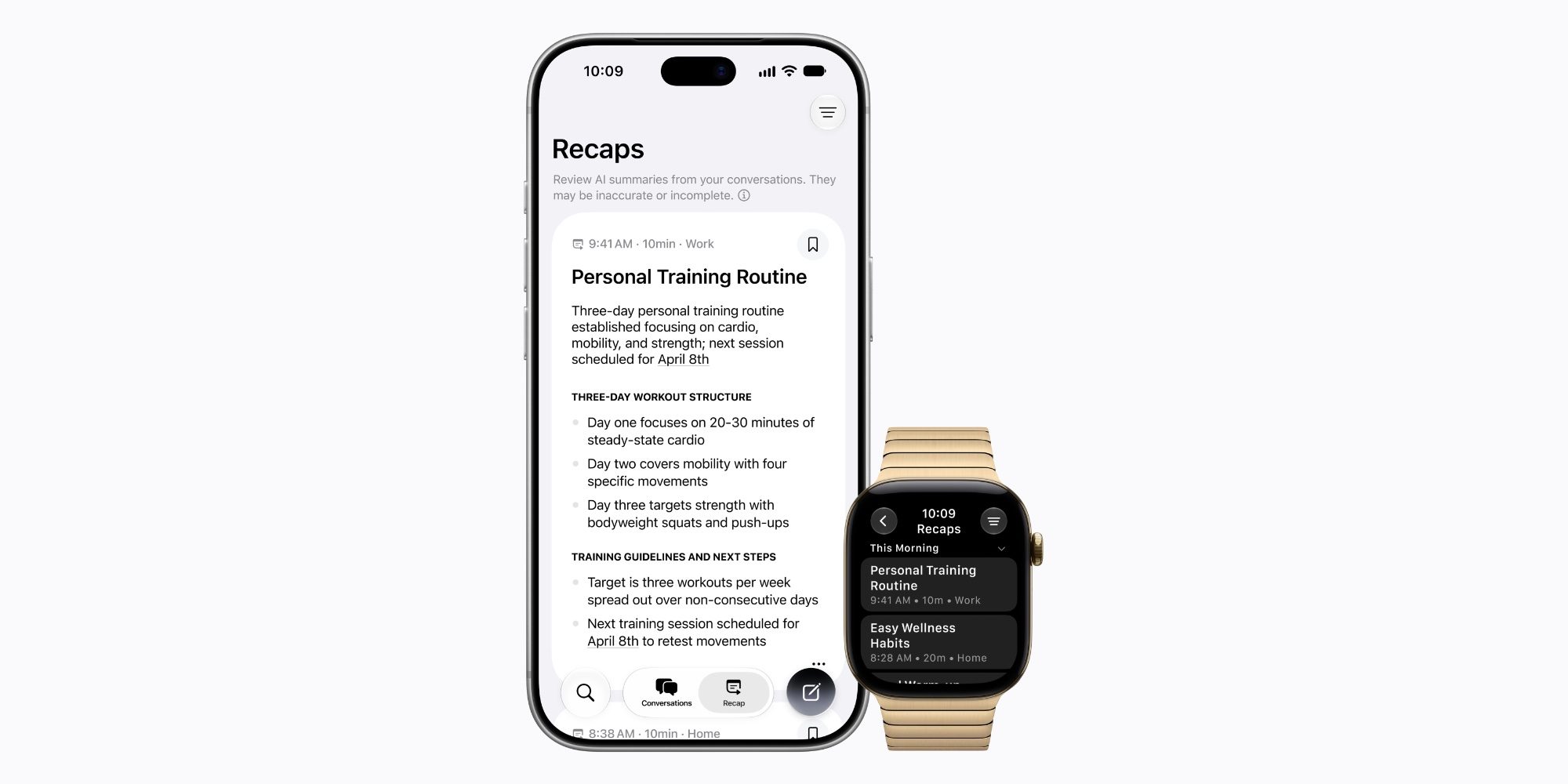
According to technical documentation provided by Apple, both features are built upon the foundation of Apple Intelligence. To mitigate privacy concerns, the architecture relies on:
- On-Device Processing: Summaries are generated locally, ensuring that raw audio data is not uploaded to cloud servers.
- Data Scoping: The system is programmed to ignore or exclude sensitive data points, including financial transaction details, authentication credentials, and personal identifiers.
- Automated Purging: By default, recaps are ephemeral, with an automatic deletion window of seven days, unless the user explicitly opts to archive a specific note.
- Granular Control: Users retain the authority to designate "blackout zones"—specific locations or times of day where the system remains strictly disabled.
The Privacy Discourse and Ethical Implications
The debut of these features has reignited the debate over the "always-listening" nature of modern smart devices. Privacy advocates have raised questions about the psychological implications of having a digital surrogate constantly tracking one’s surroundings. The concern is centered on the concept of "passive surveillance," where the device’s utility in providing convenience may inadvertently normalize the continuous collection of ambient data.
In response to these concerns, Apple has reiterated its stance on data sovereignty. The company maintains that because the system does not perform speaker attribution—meaning it does not identify specific individuals by name or voice signature—it avoids the pitfalls of invasive biometric tracking. The opt-in nature of the feature is a critical safeguard, ensuring that users must consciously consent to the activation of these background processes.

Industry analysts suggest that the success of Siri Recap will depend heavily on public trust. If users perceive the technology as a reliable "second brain" rather than a monitoring tool, adoption rates are likely to be high. Conversely, if the system produces erroneous summaries or if privacy breaches occur, the backlash could jeopardize Apple’s broader AI roadmap.
Technical Analysis: How the System Functions
Under the hood, Siri Recap utilizes a transformer-based neural engine optimized for low-power operation on the S-series and U-series chips found in the latest watch models. The challenge for Apple’s engineering team was to balance the computational intensity of real-time speech-to-text conversion and summarization with the strict thermal and battery constraints of a wrist-worn device.
The accuracy noted in initial reports—such as the system recalling specific dimensions of objects or the titles of songs played on peripheral devices like the HomePod—suggests a high degree of integration between the watch and the user’s broader Apple ecosystem. By tapping into the "contextual awareness" of the watch, the software can pull in data from Music, Calendar, and Location services to flesh out the summary. This multi-modal data fusion is what distinguishes the current implementation from simpler, text-only dictation tools of the past.

Broader Impact on the Wearable Market
The integration of these tools signals a shift in the market expectations for smartwatches. For years, the primary value proposition of the Apple Watch was health tracking and notifications. With the introduction of Siri Recap, the device is being repositioned as a productivity and cognitive assistant.
Competitors in the wearable space, including Garmin, Samsung, and Google (Fitbit/Pixel Watch), are likely to monitor this rollout closely. If the market responds favorably, it could trigger an industry-wide "arms race" for ambient AI capabilities. However, the regulatory landscape remains a wild card. As governments worldwide scrutinize the influence of AI on human interaction, Apple’s strict adherence to on-device processing may provide a competitive advantage, shielding it from some of the regulatory pressures that cloud-based AI providers face.
Future Outlook and User Adoption
As the beta progresses toward a stable public release, several factors will determine the longevity of these features. First is the "utility threshold"—the point at which the summaries provided by Siri become indispensable rather than just novel. Second is the battery efficiency; continuous background processing, even when optimized, consumes energy. Users of the Apple Watch Ultra 4, with its larger battery capacity, may find this feature more sustainable than those using the standard Series 12.

Furthermore, the customization options for these summaries will likely expand. Currently, the system provides a general overview, but future updates might allow for "focus modes" where the watch prioritizes specific types of information—such as professional meetings versus social gatherings.
Conclusion
The arrival of Siri Recap and Live Rewind in watchOS 27.3 represents a bold, if controversial, step forward for Apple. By embedding advanced AI into the daily fabric of the user experience, Apple is attempting to solve the problem of information overload. The success of this endeavor rests on a delicate balance: providing enough intelligence to be helpful, while maintaining the rigorous privacy standards that have become a hallmark of the brand. As the developer beta cycle continues, the focus will remain on refining these models to ensure that the "Audio Intelligence" serves the user’s intent without compromising the sanctity of their private conversations. The coming months will provide more clarity on whether these features will become a staple of the wearable experience or remain a polarizing experiment in the history of smart device evolution.