Inverted Transforms a Classic Porsche 912 Into a 300-Horsepower Electric Daily Driver with Balanced Weight Distribution

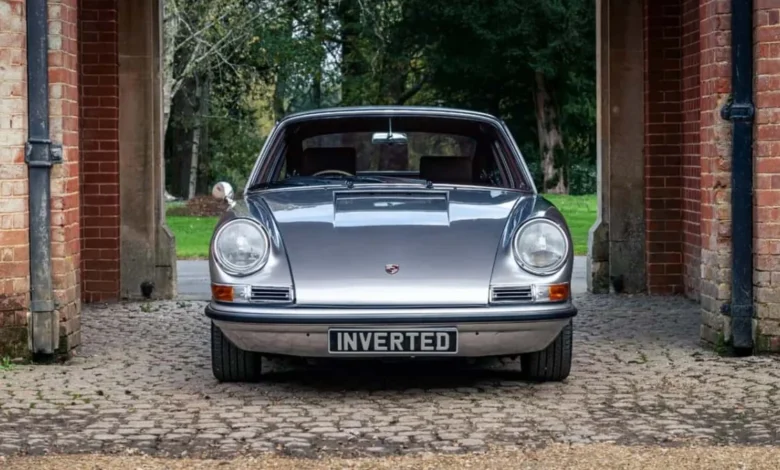
The evolving intersection of vintage automotive heritage and modern electrification has given rise to an increasingly sophisticated industry known as the EV-swap and restomod market. Among the notable practitioners in this specialized field is Inverted, a British engineering firm originally recognized for its meticulous electric powertrain conversions of classic Land Rover Defenders and vintage Range Rovers. Expanding beyond its foundational footprint of rugged, four-wheel-drive British icons, Inverted has introduced a bespoke development program capable of tailoring all-electric conversions to virtually any classic automobile. The firm’s latest triumph is a masterclass in custom engineering: an impeccably restored Porsche 912 converted into a high-performance, daily-drivable electric vehicle boasting 300 horsepower, a 250-mile range, and an innovative split-battery architecture designed to preserve the legendary handling characteristics of the historic sports car.
The Genesis of the Project: From Air-Cooled Four-Cylinder to Electric Power
The story of this specific project begins long before it entered Inverted’s workshop. Originally manufactured as a Porsche 912—a lighter, four-cylinder sibling to the iconic six-cylinder Porsche 911 produced during the late 1960s—the vehicle had already undergone one significant mechanical evolution during its lifetime. The previous owner had previously extracted the factory-original, air-cooled flat-four engine and replaced it with a more potent, air-cooled Porsche 911 flat-six engine. While the 911 powerplant added considerable straight-line performance and a classic exhaust note, the owner ultimately sought a vehicle better suited for the rigors, reliability, and refinement required of a modern daily driver.
Seeking a zero-emission solution that retained the unmistakable aesthetic and cultural cachet of vintage Stuttgart engineering, the owner delivered the car to Inverted. The directive given to the engineering team was clear: preserve the timeless exterior and cabin architecture of the classic Porsche while imbuing the chassis with modern electric propulsion, everyday usability, and exceptional driving dynamics. The resulting automobile successfully bridges a half-century of automotive evolution, transforming a vintage sports car into a silent, rapid, and thoroughly civilized commuter.
Solving the Weight Distribution Puzzle
One of the most formidable engineering challenges in converting classic rear-engine Porsches to electric power is mass management. Air-cooled Porsches, including the 912 and 911 generations, are historically celebrated for their nimble handling, yet they are notoriously sensitive to weight distribution. With their engines hanging entirely behind the rear axle, these vintage machines possess a distinct pendulum effect that can induce snap oversteer if driven carelessly—a phenomenon affectionately and cautiously referred to by enthusiasts as "lift-off oversteer."
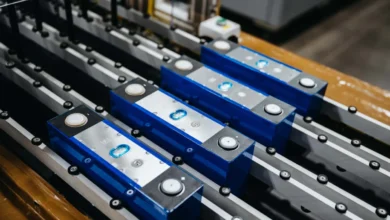
Stuffing a heavy lithium-ion battery pack and an electric motor into the rear of a lightweight classic Porsche could easily ruin its handling balance by overloading the rear axle. Inverted addressed this critical engineering hurdle with a remarkably thoughtful solution: splitting the 62 kWh battery pack into two distinct modules.
Rather than concentrating all the energy storage in the back, Inverted positioned one portion of the 62 kWh battery pack in the traditional rear engine bay, while housing the second module beneath the front hood. This strategic redistribution of mass achieves an optimal front-to-rear weight balance that actually surpasses the weight distribution of the original factory-spec gasoline car. By neutralizing the heavy tail-heavy bias inherent to vintage air-cooled Porsches, the converted 912 maintains predictable, confidence-inspiring road manners through tight corners and sweeping bends alike.
Performance Metrics and Real-World Usability
Beneath its polished vintage skin, the Inverted Porsche 912 packs serious modern performance capability. The rear axle houses a high-output electric motor that churns out an impressive 300 horsepower. To put this figure into perspective, the original 912’s air-cooled four-cylinder engine produced a modest 90 horsepower, while the subsequent 911 engine swap offered considerably less refinement than what the electric setup achieves.
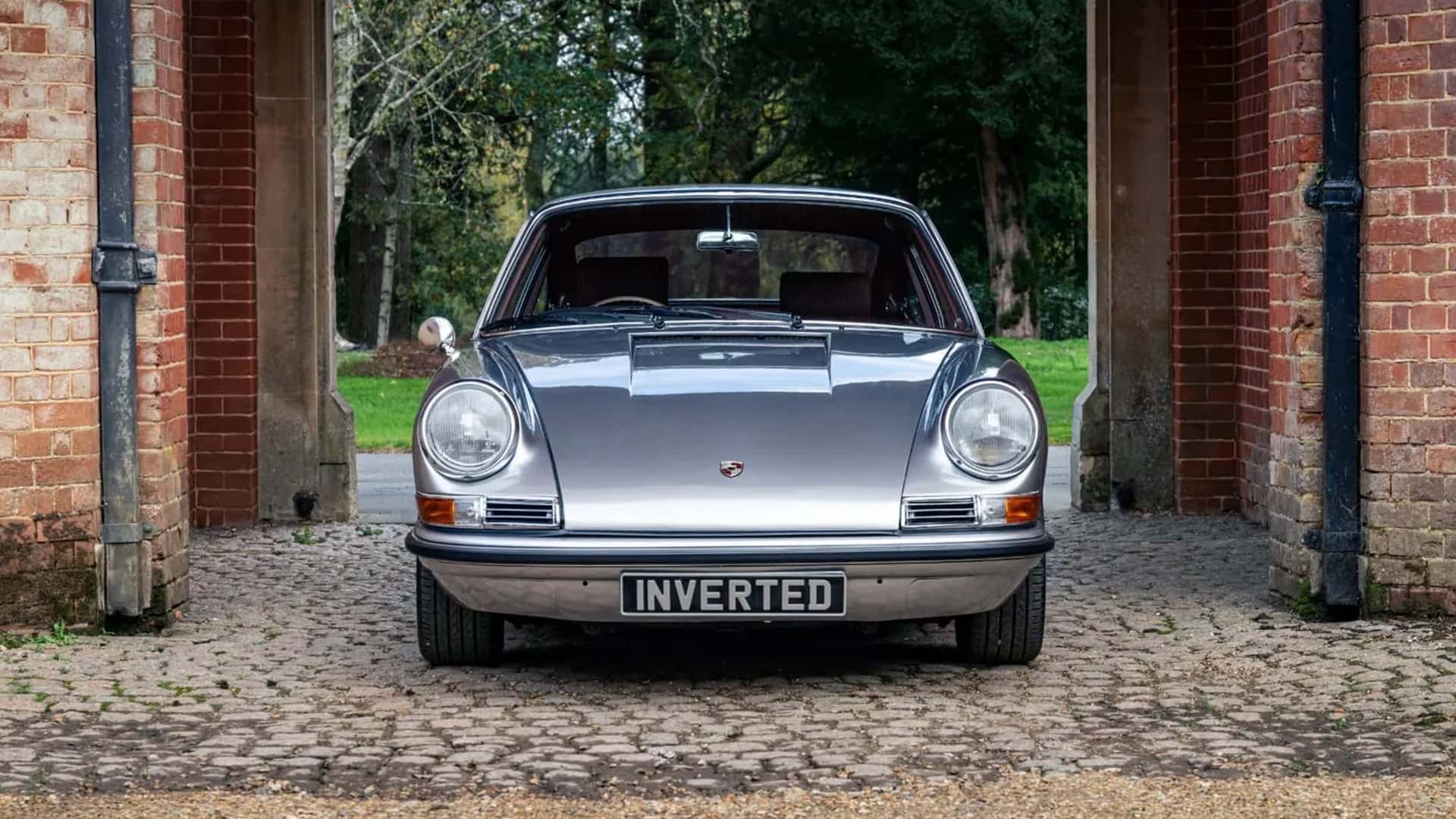
The performance gains are dramatic and immediate. While a stock 1965–1969 Porsche 912 required approximately 13 sluggish seconds to accelerate from zero to 60 miles per hour, Inverted’s electric iteration accomplishes the sprint in a mere four seconds. This puts the vintage classic firmly in modern sports car territory, allowing for effortless merging, passing, and dynamic driving on contemporary highways and winding backroads.
Despite its brisk acceleration, the vehicle is engineered primarily as a daily driver rather than a long-distance grand tourer. To this end, Inverted integrated a 62 kWh energy storage system capable of delivering an estimated 250 miles of driving range on a single charge. For urban and suburban commuting, weekend excursions, and daily errands, this range provides a generous buffer that easily eclipses the typical daily mileage of most motorists.
When it comes to replenishment, the car supports DC fast charging at speeds up to 75 kW. While 75 kW might sound modest compared to contemporary 350-kW charging architectures found on modern battery-electric platforms, it is more than adequate for a weekend hobbyist or daily commuter car of this pedigree. Plugging the vehicle into a standard domestic or destination charger overnight ensures that the owner wakes up every morning with a fully replenished battery, ready for the day ahead.
Cockpit Craftsmanship and Vintage Aesthetics
An electric restomod lives or dies by its interior execution. Poorly integrated digital screens, out-of-place toggle switches, and generic modern steering wheels can quickly cheapen the cabin of a meticulously restored classic. Inverted took great care to ensure that the interior of the electric 912 honors its heritage while discreetly accommodating its new electric heartbeat.
The cabin has been completely reupholstered and finished to exceptionally high luxury standards, featuring premium materials that respect the aesthetic language of 1960s Stuttgart. Most impressively, the instrumentation has been thoughtfully customized for electric vehicle operation without sacrificing its vintage analog charm. The dashboard retains its classic layout, headlined by the iconic central tachometer. However, rather than measuring engine revolutions per minute, the gauge has been cleverly modified to display power delivery percentages. Similarly, the traditional fuel gauge has been repurposed into an elegant analog battery charge indicator, allowing the driver to monitor state-of-charge at a glance without breaking the illusion of driving a preserved vintage artifact.
Broader Industry Implications and the Rise of EV Restomods
The successful completion and debut of Inverted’s electric Porsche 912 underscore a growing, highly specialized niche within the global automotive aftermarket. As municipal governments worldwide introduce stricter emissions regulations, low-emission zones, and potential phase-out dates for internal combustion engines, classic car enthusiasts face an uncertain future regarding the ongoing usability of heritage vehicles.
EV conversions and restomods offer a compelling preservation strategy. Rather than letting historic chassis deteriorate in barns or face regulatory bans on public roads, specialized engineering houses breathe new life into them. This trend addresses several consumer desires simultaneously: the emotional connection to classic styling, the reliability and low maintenance of electric propulsion, and the elimination of tailpipe emissions.
While purists may debate the ideological merits of removing internal combustion engines from historic vehicles, the market demand for high-end restomods continues to accelerate. Companies like Inverted demonstrate that electrification does not have to mean the erasure of automotive history. Instead, through meticulous weight distribution engineering, respectful interior design, and bespoke craftsmanship, firms can elevate classic cars into safer, faster, and more practical daily drivers while preserving the visual artistry that made them legends in the first place.
For the owner of this unique Porsche 912, the result is the best of all worlds: the soul-stirring silhouette and analog charm of a vintage 1960s sports car fused with the effortless thrust, silence, and daily usability of a modern electric vehicle.