Typhoon Dujuan Forces Tokyo Game Show 2026 to Abruptly Cut Short Its Historic Five-Day Run

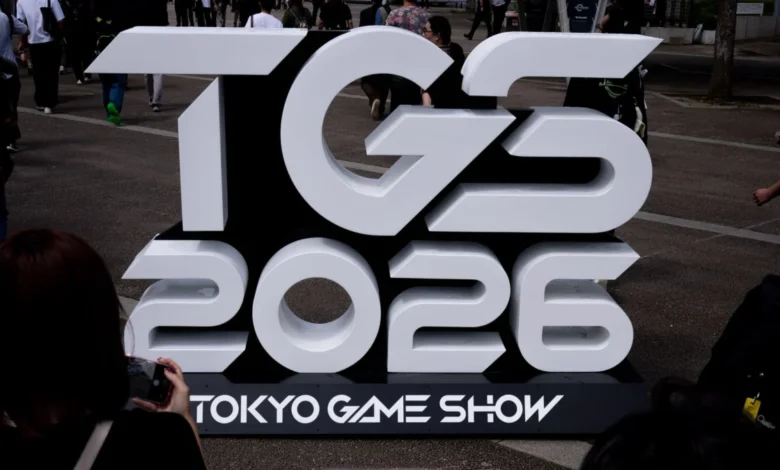
The organizers of the Tokyo Game Show (TGS) have officially announced the cancellation of the final day of the exhibition, cutting short what was intended to be a milestone, historic five-day event. The decision to close doors early on Monday, September 21, 2026, comes as Typhoon Dujuan—the 25th named storm of the 25th year of the decade—bears down on Japan’s Kanto region, threatening severe weather, catastrophic rainfall, and widespread transportation gridlock.
While the historic gaming convention managed to welcome hundreds of thousands of eager fans, developers, and industry insiders through its gates during the opening phases, the approaching meteorological threat ultimately forced a hard pivot from event management. Attendees holding tickets specifically for Monday, September 21, have been assured full refunds by the event organizers, though the sudden truncation has left exhibitors, international press, and participating studios scrambling to adjust their schedules.
A Historic Milestone Cut Short
For three decades, the Tokyo Game Show has stood as one of the premier pillars of the global video game industry, traditionally occupying a dense and fast-paced four-day schedule. Marking its landmark 30th anniversary in 2026, organizers boldly expanded the convention’s footprint to five full days for the first time in its storied history. The ambitious decision was designed to accommodate the ever-growing demand from international visitors, expanding publisher portfolios, and the sheer volume of anticipated hardware and software showcases.
However, nature intervened. As forecasts from the Japan Meteorological Agency hardened over the weekend, it became clear that the final day of the expanded run would coincide with the peak fury of Typhoon Dujuan. Recognizable by its immense moisture pull and high-velocity wind fields, the storm system threatened to transform the journey to and from the Makuhari Messe convention center in Chiba Prefecture into a hazardous ordeal for tens of thousands of daily commuters.
Event organizers released a formal statement via official communication channels outlining the difficult choice. "Due to the approach of Typhoon No. 25, strong winds and rain are expected to intensify in the afternoon and beyond, and disruptions to transportation are also a concern," the statement read. "Therefore, prioritizing the safety of all attendees, exhibitors, and related parties, as well as ensuring safe return home, we have decided to cancel the event for the entire day."
Chronology of an Impending Storm
The rapid escalation of Typhoon Dujuan disrupted what had otherwise been a celebratory atmosphere for the Japanese gaming capital during its peak autumn holiday period, commonly known as Silver Week.
- September 17, 2026: TGS 2026 officially kicks off at the Makuhari Messe, drawing high praise from international critics and gamers alike as the first-ever five-day iteration of the convention opens its doors for industry and media days.
- September 18–19, 2026: Public days commence with record-setting attendance. Major publishers debut trailers, host hands-on demos, and anchor livestreams, including the annual PC Gaming Show: Tokyo Direct, which highlights a massive slate of upcoming titles for a global audience.
- September 20, 2026: Meteorological models confirm that Typhoon Dujuan is tracking directly toward the Greater Tokyo Area. Planners and transit authorities begin issuing preliminary warnings as outer rainbands start to impact regional infrastructure. Organizers hold emergency meetings to assess floor safety.
- September 21, 2026 (Scheduled): The planned final day of the exhibition. This session is entirely canceled. Ticket holders are directed to online portals for automated refunds, while logistics teams begin the arduous process of breaking down booths a full 24 hours ahead of schedule.
Infrastructure Paralysis and Regional Impact
Typhoon Dujuan’s trajectory placed it squarely over the Kanto region, with meteorological predictions forecasting up to 16 inches of cumulative rainfall in localized urban and coastal zones. The severity of the storm prompted immediate, sweeping preventative measures from Japan’s transportation networks.
Nippon Airways and other domestic carriers grounded dozens of regional flights arriving at and departing from Haneda and Narita airports, stranding early-departing international travelers and media personnel. Simultaneously, East Japan Railway Company (JR East) announced rolling suspensions, scaling back operations across key commuter lines and high-speed Shinkansen routes as wind speeds crossed safety thresholds.
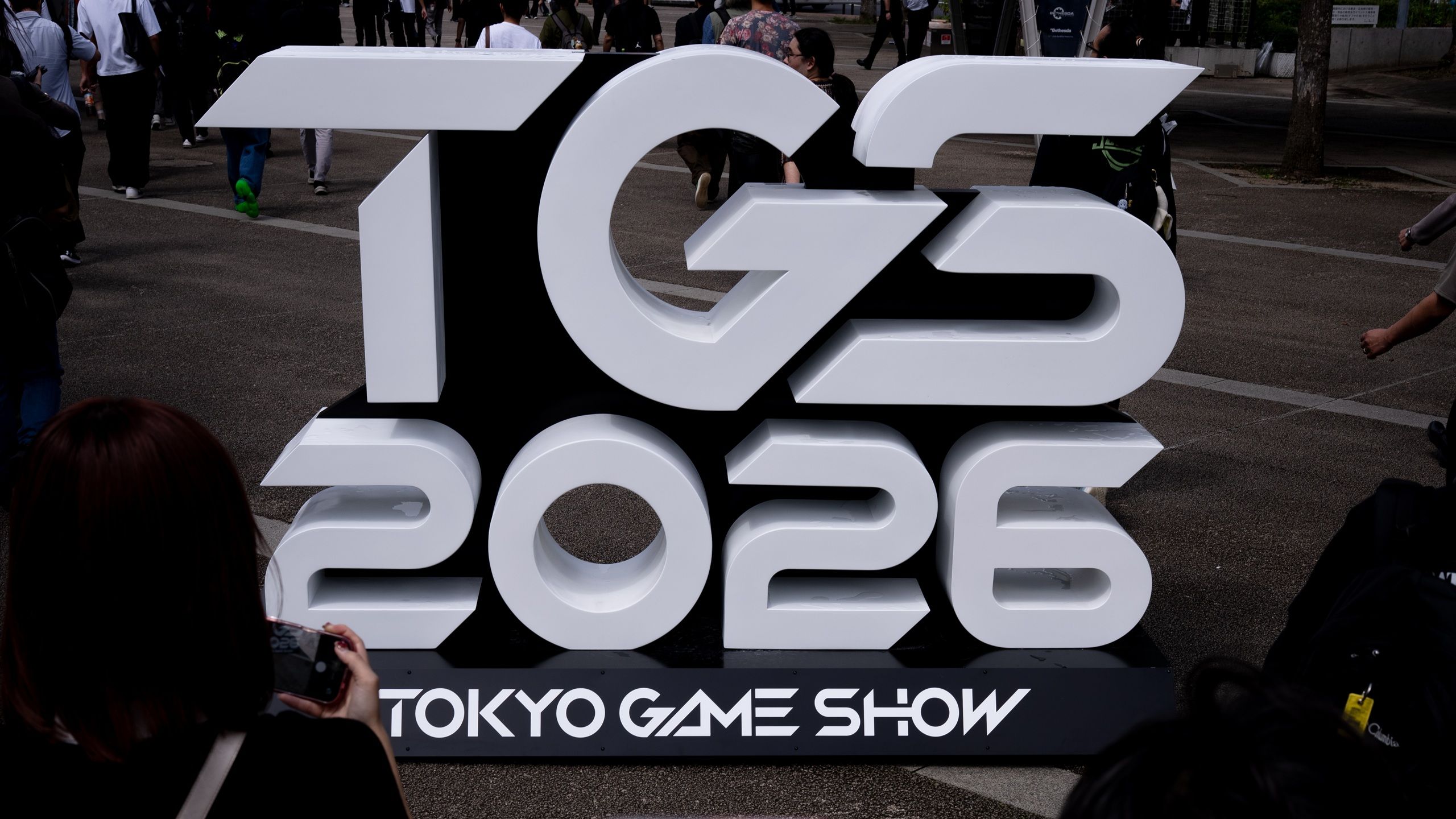
For the Tokyo Game Show, which relies heavily on the seamless operation of Tokyo’s famously punctual rail network to ferry hundreds of thousands of visitors from central Tokyo to Chiba Prefecture, the transit shutdowns rendered a final day entirely untenable. Without functional trains to evacuate the convention center safely, leaving the venue open would have created a catastrophic bottleneck, directly threatening public safety.
Industry Response and Logistical Fallout
The sudden truncation of TGS 2026 has introduced complex logistical hurdles for the hundreds of independent developers, major hardware manufacturers, and AAA publishers who invested heavily in floor space, specialized booth designs, and promotional activations.
While Saturday and Sunday operated under modified, high-alert conditions—allowing the core of the consumer exhibition to proceed safely—the loss of Monday effectively erases 20% of the event’s operational calendar. Many international studios that flew in specialized personnel, built elaborate interactive displays, and scheduled timed press briefings found themselves forced to pivot their physical demonstrations into digital-only showcases or cancel remaining appointments outright.
As of press time, event organizers have not yet released detailed compensation frameworks for exhibitors facing losses due to the premature shutdown. Industry analysts suggest that while insurance policies may cover some structural and rental losses, the intangible value of missed direct-to-consumer interactions, final-day merchandise sales, and hands-on impressions cannot be easily recovered.
Digital Resilience and the Show Must Go On
Despite the physical disruption on the convention floor, the broader digital programming surrounding TGS 2026 managed to largely fulfill its objectives. Major digital showcases, partner streams, and developer interviews streamed uninterrupted to global audiences eager for news out of Japan.
Notably, the PC Gaming Show: Tokyo Direct successfully anchored its presence on the ground, delivering a robust lineup of announcements, world-premiere trailers, and developer retrospectives. Fans who missed the live-streamed event due to scheduling shifts or localized weather disruptions can still access the complete Video on Demand (VOD) archives via official gaming portals and YouTube channels, ensuring that the creative fruits of TGS 2026 reach their intended global audience regardless of the physical weather events in Chiba.
Broader Implications for Mega-Events in an Era of Climate Volatility
The premature curtailment of the Tokyo Game Show 2026 highlights a growing challenge for large-scale international conventions operating in regions vulnerable to extreme weather. As global climate patterns shift, the frequency and intensity of late-summer typhoons in East Asia continue to pose severe logistical risks to tourism, hospitality, and massive entertainment hubs.
For event planners worldwide, the TGS incident serves as a stark reminder of the delicate balance between commercial expansion—such as the ambitious gamble to stretch TGS into a five-day marathon—and the absolute priority of public safety and resilient infrastructure. Whether future iterations of the Tokyo Game Show will revert to the traditional, time-tested four-day format or retain the five-day model with enhanced contingency planning remains to be seen. For now, the gaming industry is left to reflect on a landmark anniversary that was dramatically reshaped by the raw power of nature.