Samsung Unveils FDA-Cleared Sleep Apnea Detection for the Galaxy Ring and Watch Lineup

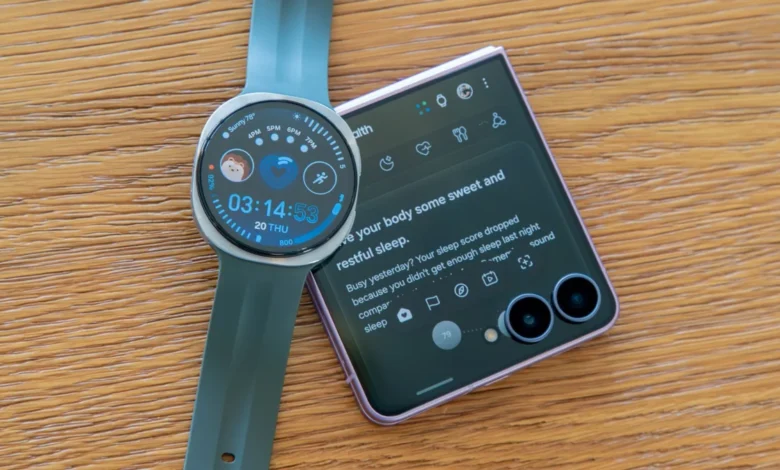
Samsung Electronics has officially secured regulatory clearance from both the United States Food and Drug Administration (FDA) and South Korea’s Ministry of Food and Drug Safety (MFDS) for its upgraded sleep apnea detection software. This milestone makes Samsung the first technology manufacturer globally to integrate sleep apnea risk-detection capabilities into a commercial smart ring. The feature is rolling out immediately to users via the Samsung Health application, marking a significant expansion of consumer-grade preventative health monitoring tools designed to catch undiagnosed, potentially serious medical conditions.
Comprehensive Breathing Disruption Insights
The newly cleared software brings a deeper tier of analytical insight to consumer wearables. Rather than simply logging general sleep stages or overnight movement, the upgraded system evaluates breathing disruptions experienced by the user throughout the night.
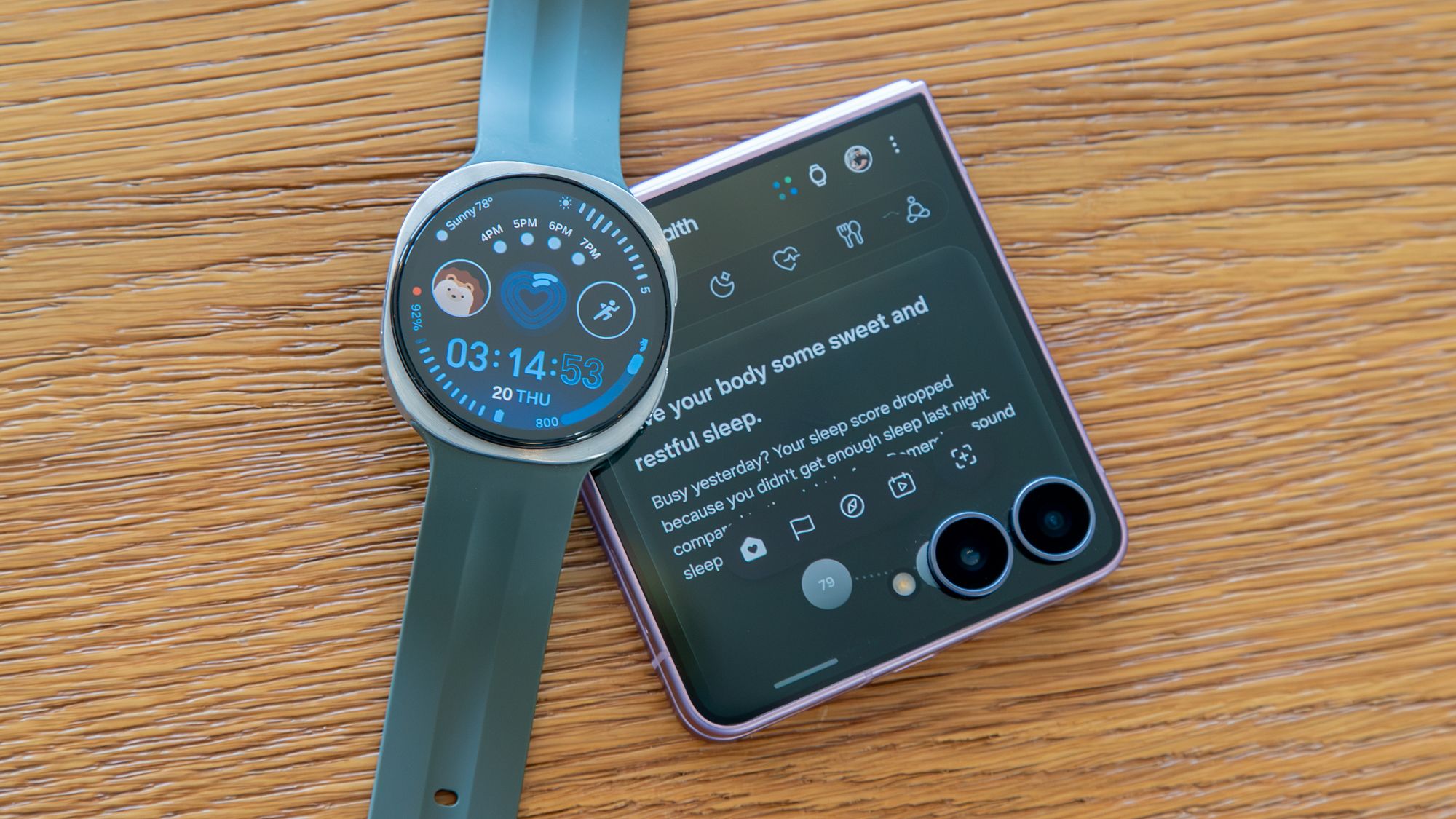
According to Samsung’s official product documentation, users need only wear a compatible device—such as the Galaxy Ring or the newly launched Galaxy Watch 9 running Wear OS 7 or higher—for two nights within a 10-day monitoring window. Once this baseline data is established, the Samsung Health application populates detailed metrics indicating the frequency and severity of nighttime breathing interruptions.
Medical professionals emphasize that sleep apnea is a chronic condition characterized by repeated stops and starts in breathing during sleep. If left untreated, it can drastically elevate the risk of hypertension, cardiovascular disease, stroke, and type 2 diabetes. By providing quantified metrics directly to the consumer, Samsung aims to bridge the gap between casual fitness tracking and actionable clinical awareness, empowering users to seek formal medical diagnosis and intervention before symptoms escalate.
The Regulatory Path: A Multi-Year Approval Process
The journey toward bringing medical-grade sleep apnea detection to consumer wearables has been exhaustive. Samsung’s regulatory efforts began in earnest in late 2023, when South Korea’s MFDS first granted regulatory approval for the feature on legacy Galaxy Watch models. However, bringing the technology to Western markets required navigating rigorous FDA standards governing Software as a Medical Device (SaMD).
While the FDA granted initial clearances for select watch models heading into 2024, the broader deployment across global device ecosystems involved a staggered rollout. The integration into the Galaxy Ring represents a particularly complex engineering feat, given the miniaturization required to pack PPG (photoplethysmography) sensors and analytical algorithms into a lightweight, non-intrusive form factor meant to be worn comfortably around the finger 24 hours a day.
During the company’s flagship Galaxy Unpacked keynote event earlier this year, executives teased the arrival of FDA-cleared sleep apnea monitoring for the Galaxy Ring, promising a release window in the fall. Meeting that target in early November underscores Samsung’s aggressive push to position its hardware portfolio as an indispensable suite of preventative healthcare tools.
Device Compatibility and Rollout Timeline
The deployment of the upgraded sleep apnea detection software begins immediately for users equipped with the Galaxy Watch 9 and the Galaxy Ring running Wear OS 7 or newer.
For owners of previous-generation hardware, including the Galaxy Watch 7 and Galaxy Watch 8 series, Samsung has confirmed that eligibility will extend via an upcoming over-the-air (OTA) software update. While the company has not yet provided a definitive calendar date for the legacy watch rollout, industry analysts expect the patches to be distributed incrementally over the coming weeks as regional server configurations are finalized.
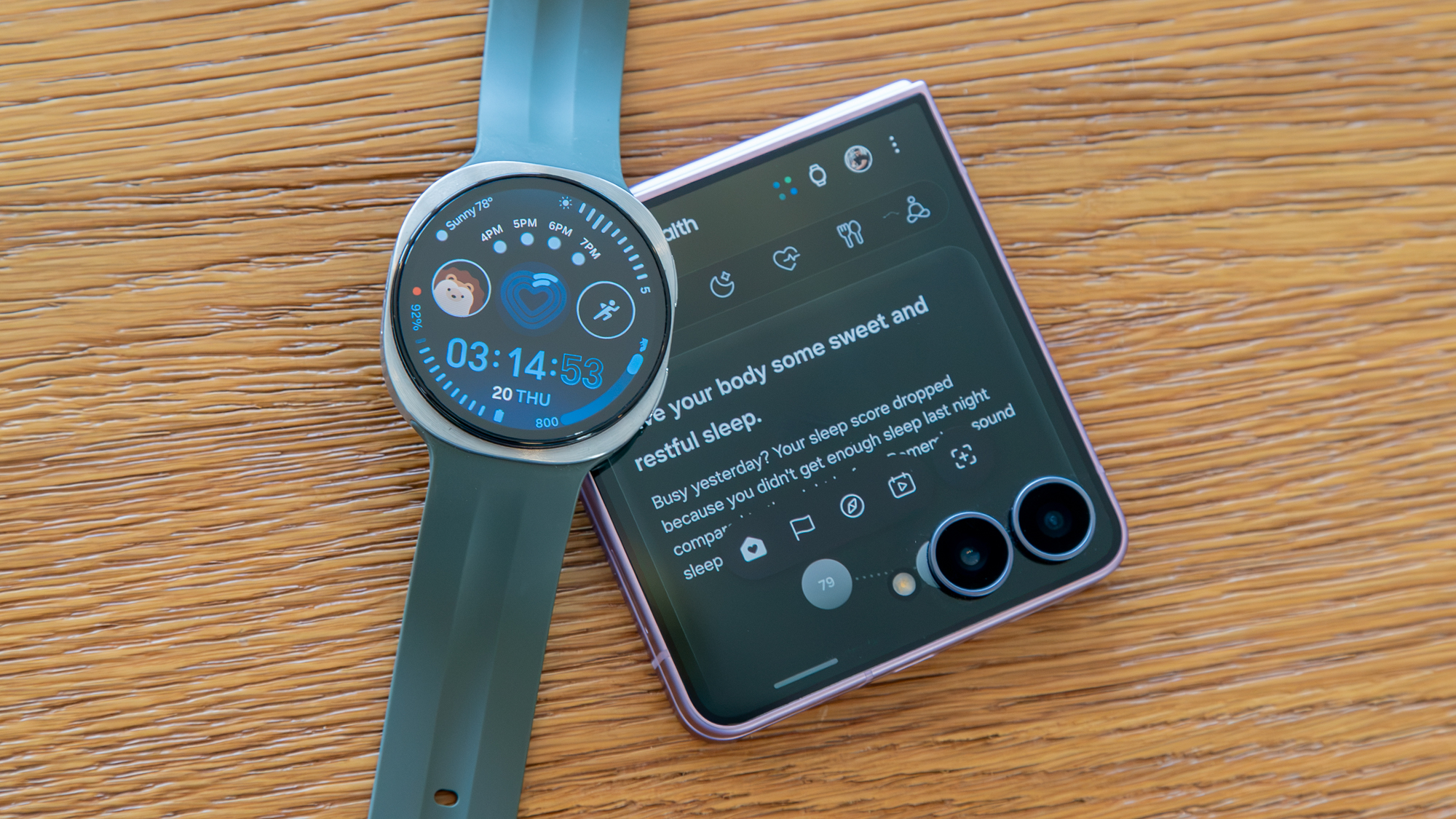
The cross-device availability highlights Samsung’s broader ecosystem strategy: locking users into a unified health platform where continuous biometric data can be gathered seamlessly, regardless of whether it is captured via a traditional wrist-worn smartwatch or a discreet smart ring.
Industry Implications and the Rise of Wearable Healthcare
Samsung’s latest regulatory clearance arrives amid an intensifying race among consumer technology giants to transform everyday wearables into clinical-grade diagnostic tools. Competitors such as Apple, Withings, and Google (Fitbit) have similarly sought regulatory approvals for features ranging from atrial fibrillation (AFib) detection and electrocardiograms (ECGs) to hypertension and sleep apnea monitoring.
The inclusion of sleep apnea detection in a smart ring format, however, represents a notable evolution in ergonomics. Many consumers find traditional smartwatches bulky or uncomfortable to wear during sleep, leading to inconsistent data collection. By shifting core health-monitoring sensors into a sleek, lightweight ring, manufacturers can dramatically improve compliance, ensuring more reliable longitudinal datasets for both the user and their eventual healthcare provider.
Public health advocates and medical researchers generally view consumer health wearables with cautious optimism. While these devices cannot replace a formal polysomnography (sleep study) conducted in a clinical sleep laboratory, they serve as an invaluable triage mechanism. By flagging high-risk individuals who might otherwise remain unaware of their condition, tech companies are effectively funneling millions of undiagnosed patients into formal healthcare pipelines.
As regulatory bodies globally continue to adapt their frameworks to accommodate software-driven health innovations, the boundary between consumer electronics and medical devices continues to blur. Samsung’s successful clearance for the Galaxy Ring establishes a new benchmark for form factor innovation in digital health, paving the way for future preventative care integrations across the wider technology landscape.