Hyundai IONIQ 5 September Deals Bring Aggressive 0% APR Financing and Discounts to Retain EV Market Share


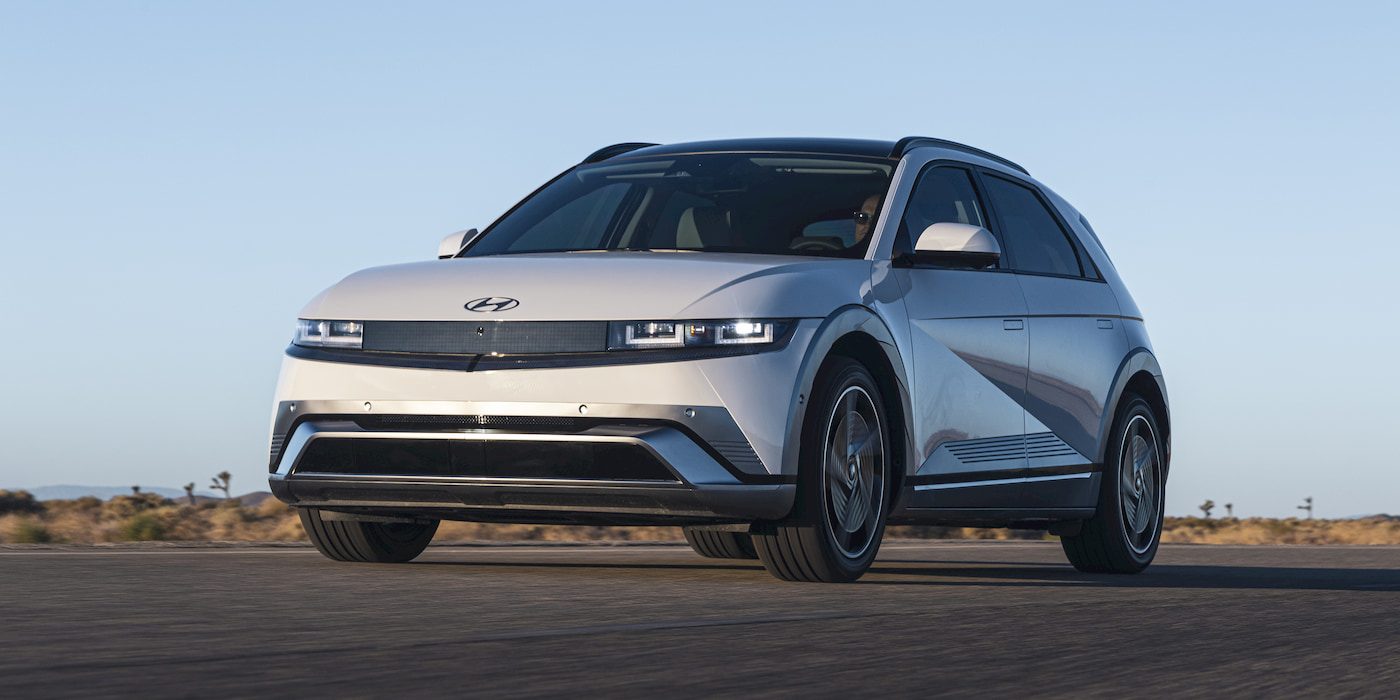
The electric vehicle market in the United States continues to experience fierce pricing competition as legacy automakers and EV specialists alike adjust to shifting federal incentives and consumer demand. Leading the charge this September is Hyundai, whose popular IONIQ 5 electric SUV remains one of the most accessible and heavily incentivized zero-emission vehicles on the market. Despite a slight adjustment to its leasing terms for the month, the vehicle continues to command consumer attention through aggressive promotional packages, highlighted by 0% APR financing and cash discounts of up to $5,000 in select regions.
The strategy underlines Hyundai’s aggressive posture in maintaining the sales momentum that propelled the IONIQ 5 to become the best-selling electric vehicle in the United States outside of the Tesla lineup during the first half of the year. As automakers navigate a post-federal-tax-credit landscape, aggressive financing structures have emerged as the primary vehicle for sustaining consumer adoption.
Background Context and Market Evolution
The current pricing environment for the Hyundai IONIQ 5 is the direct result of a major market shift that occurred late last year. Following the expiration of the federal $7,500 EV tax credit in September of the previous year, automotive manufacturers were forced to fundamentally reevaluate their pricing strategies to prevent demand from stalling. Hyundai reacted swiftly, introducing sweeping price reductions for the 2026 model year that slashed up to $10,000 off the sticker price of select IONIQ 5 trims.
This realignment established a new baseline for the vehicle, with the entry-level 2026 Hyundai IONIQ 5 starting at an MSRP of $35,000 (excluding a $1,600 destination fee). This pricing positioned the compact electric SUV directly alongside mainstream competitors in the affordable EV segment, competing head-to-head with options such as the Chevrolet Bolt EV, Nissan LEAF, Toyota bZ series, and the newly introduced Kia EV3.
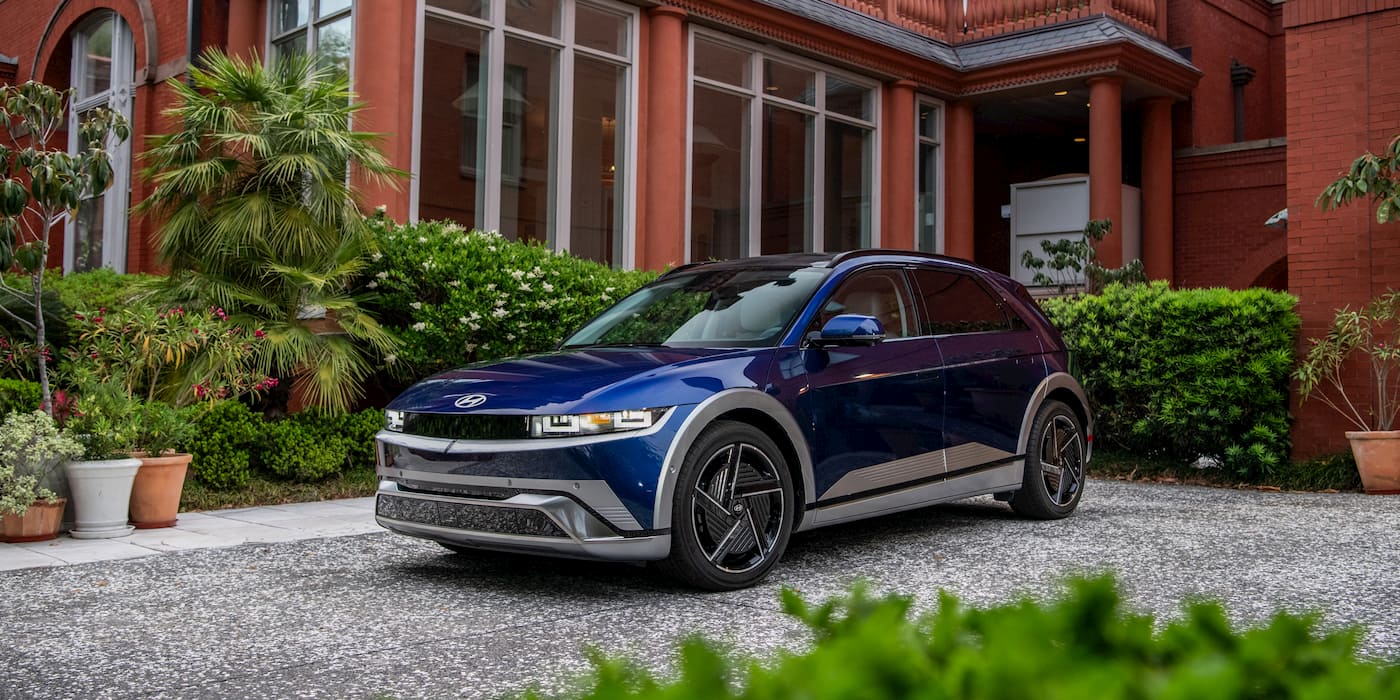
By restructuring the vehicle’s retail price rather than relying solely on the temporary federal leasing loophole, Hyundai democratized access to its Electric-Global Modular Platform (E-GMP), which is celebrated for its 800-volt charging architecture and rapid replenishment speeds. This foundational shift allowed the IONIQ 5 to capture significant market share, culminating in its strong performance during the first half of the year where it secured its position as the top-selling non-Tesla EV in the country.
September Promotional Structure and Regional Incentives
For the month of September, Hyundai has structured a multifaceted promotional campaign designed to capture both buyers seeking traditional financing and consumers preferring short-term leases.
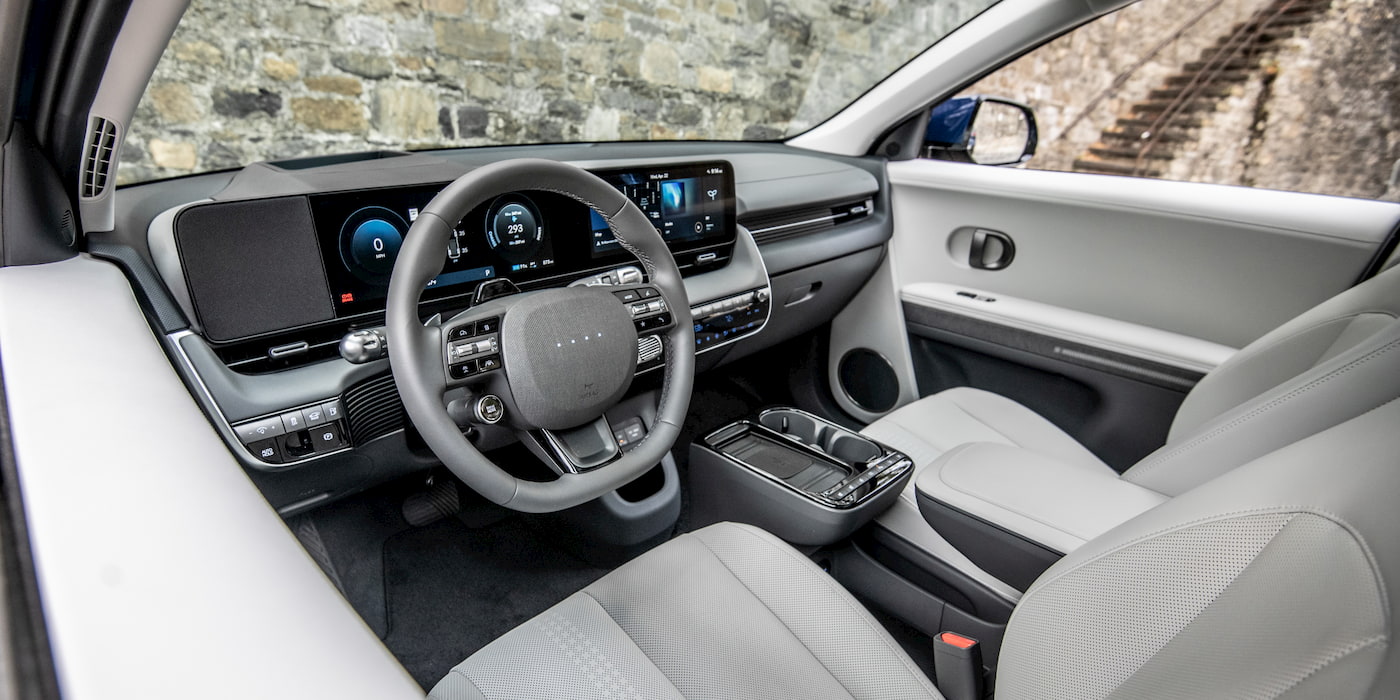
For buyers opting to purchase, Hyundai is offering 0% APR financing for up to 60 or 72 months, depending on the specific regional program, complemented by a deferred payment structure offering zero payments for the first 90 days. Alternatively, customers purchasing with cash or standard financing can take advantage of direct purchase discounts of up to $3,000 to $5,000 depending on location.
Leasing promotions vary distinctly by geography. In California, a key market for electric vehicle adoption, leases for the entry-level model start at $329 per month for a 24-month term, requiring $4,999 due at signing. Buyers in the Golden State may also qualify for an additional $3,500 incentive through the regional "MyFirstEV" program, further lowering the barrier to entry.
Outside of California, Hyundai has expanded its cash-equivalent savings to up to $5,000 in total promotional value. In these regions, leases begin at $319 per month for 24 months with $4,999 due at signing. Although this reflects a modest $10 monthly increase compared to August figures, industry analysts note that the overall package remains exceptionally competitive given the vehicle’s feature set and driving range.
Trim-by-Trim Pricing and Strategic Range Upgrades
Consumer analysts suggest that prospective buyers evaluate the incremental cost of stepping up from the base model to mid-tier configurations, particularly regarding driving range.
The entry-level IONIQ 5 SE RWD Standard Range starts at $35,000 with a monthly lease rate of $319, providing an EPA-estimated driving range of 245 miles. However, for just $10 more per month—resulting in a $329 monthly lease and a $37,500 starting price—buyers can upgrade to the standard IONIQ 5 SE RWD. This configuration dramatically increases the vehicle’s single-charge range to an EPA-estimated 318 miles, representing a significant utility value for a minimal financial difference.
The broader lineup accommodates various consumer preferences for performance, luxury, and all-weather capability:
- IONIQ 5 SEL RWD: 318 miles range, $39,800 starting price, $369 monthly lease.
- IONIQ 5 Limited RWD: 318 miles range, $45,075 starting price, $459 monthly lease.
- IONIQ 5 SE Dual Motor AWD: 290 miles range, $41,000 starting price, $379 monthly lease.
- IONIQ 5 SEL Dual Motor AWD: 290 miles range, $43,300 starting price, $419 monthly lease.
- IONIQ 5 XRT Dual Motor AWD: 259 miles range, $46,275 starting price, $459 monthly lease.
- IONIQ 5 Limited Dual Motor AWD: 269 miles range, $48,975 starting price, $509 monthly lease.
Competitive Landscape: Toyota, Tesla, and Kia
Hyundai’s pricing and promotional aggression are throwing down the gauntlet to its primary competitors in the electric crossover segment.

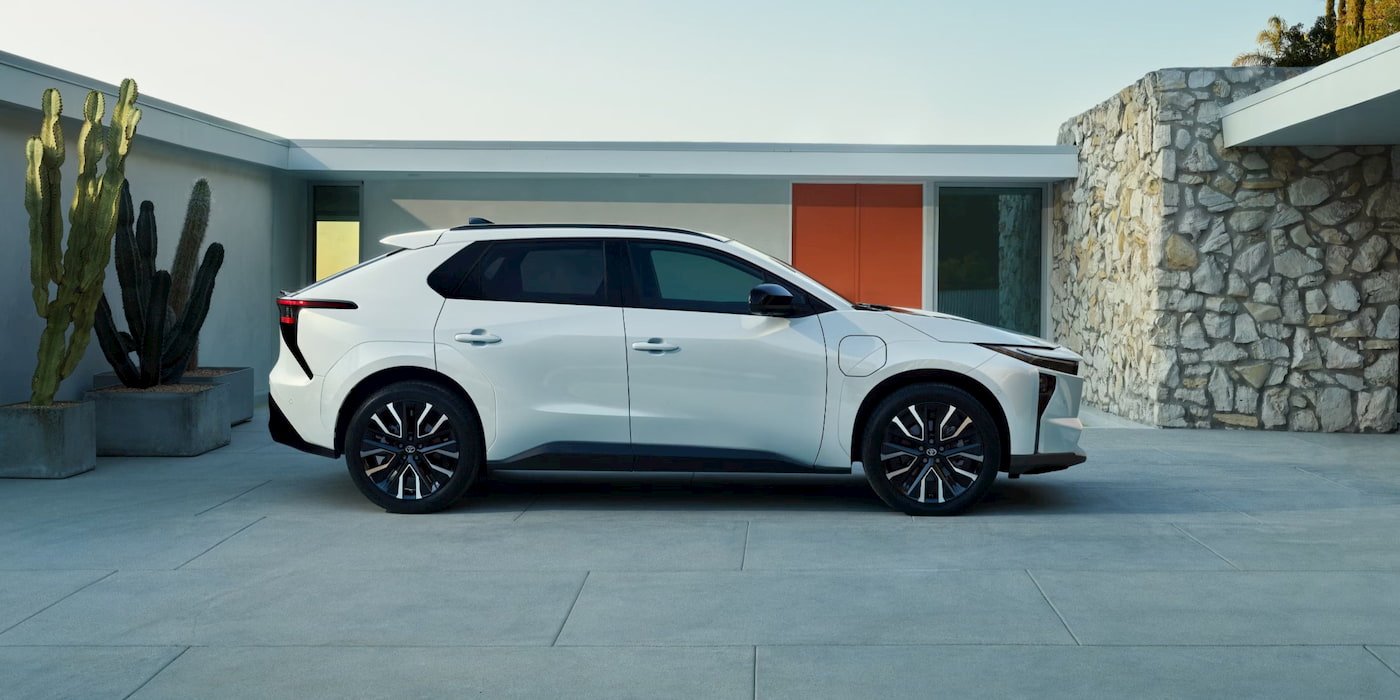
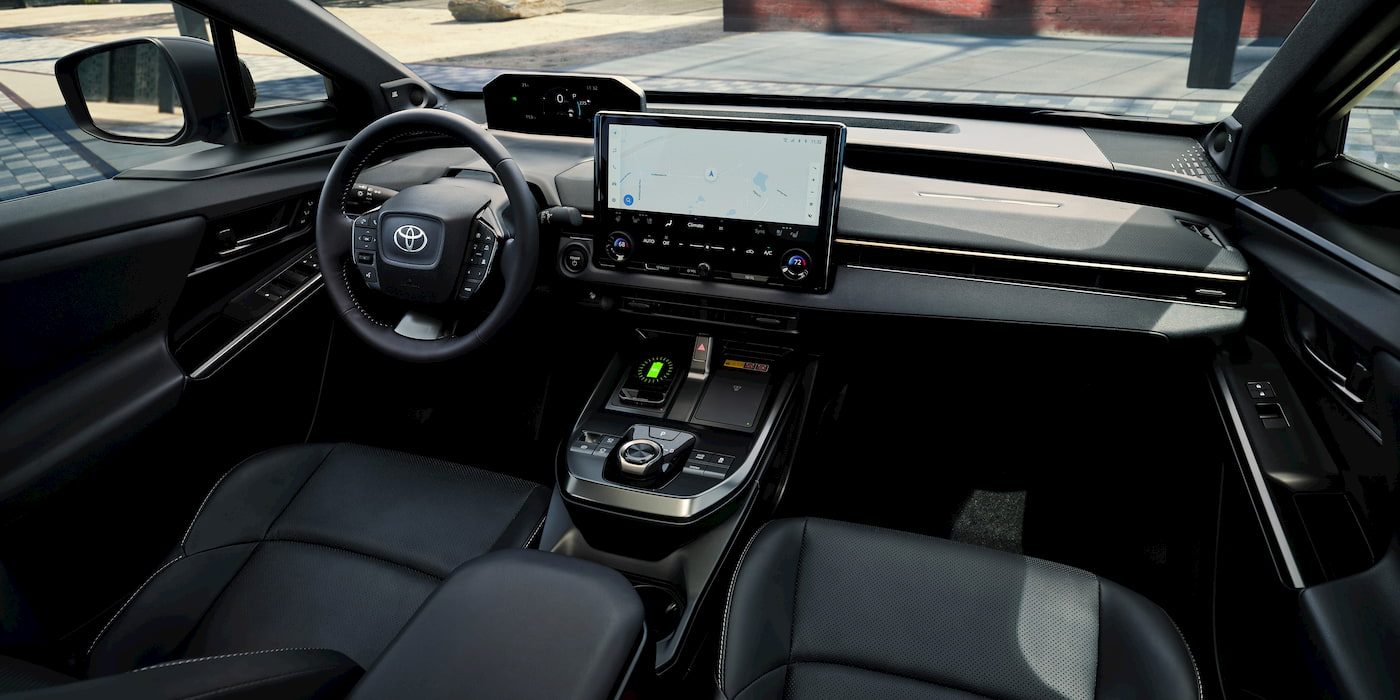
Toyota, whose recently updated bZ electric SUV secured the fourth spot in US EV sales during the first half of the year (ranking just behind the IONIQ 5), offers the vehicle starting at $34,900. Toyota’s current promotional structure includes 1.49% APR financing for up to 72 months. On the leasing side, the Toyota bZ XLE is listed at $449 per month for 36 months with $3,970 due at signing. Upgrading to the XLE Plus variant—which extends range from 236 miles to 314 miles—costs $459 per month with $3,999 due at signing. Factoring in all upfront costs and monthly terms, the effective monthly cost for the Toyota bZ sits around $559, making it notably more expensive than the IONIQ 5, which maintains an effective lease rate of approximately $527 per month.
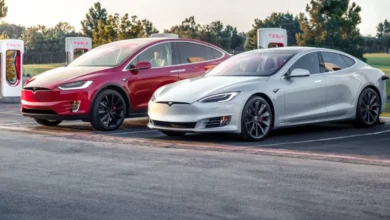
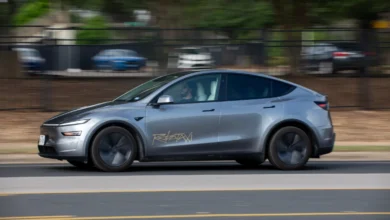
Market leader Tesla also presents a point of comparison. The base Tesla Model Y RWD, which offers up to 321 miles of range, is available to lease starting at $499 per month for 36 months with $4,195 due at signing. This establishes an effective monthly cost of $615, positioning the IONIQ 5 as the more budget-friendly alternative for consumers prioritizing lower monthly expenditures.
Meanwhile, corporate cousin Kia has entered the fray with the newly launched 2027 Kia EV3. The EV3 Light starts at $29,890 with a 221-mile range, while the EV3 Wind provides up to 321 miles of range starting at $34,990. The EV3 Wind FWD is currently available to lease at $349 per month for 36 months with $3,999 due at signing, resulting in an effective rate of $460 per month. While the EV3 undercuts the IONIQ 5 slightly on price, automotive analysts note that the IONIQ 5 remains larger, offers superior interior packaging, and benefits from faster charging capabilities due to its larger vehicle architecture.

Broader Industry Implications and Outlook
The aggressive incentives deployed by Hyundai throughout September underscore a broader reality of the contemporary automotive market: consumer demand for electric vehicles is increasingly elastic and sensitive to macro-economic financing conditions. With high interest rates dampening traditional auto loan markets, zero-percent financing and subsidized lease rates have become essential tools for moving inventory.
For the wider industry, Hyundai’s ability to sustain profitability while offering deep discounts and 0% financing signals robust supply chain optimization and manufacturing efficiencies derived from its dedicated EV platforms. As automakers prepare for the final quarter of the year, the success of the IONIQ 5 promotional campaign will likely serve as a benchmark for how traditional original equipment manufacturers can successfully transition their product portfolios into high-volume electric sales without relying exclusively on federal subsidies.