Pixel Watch users report significant battery drain following recent software updates

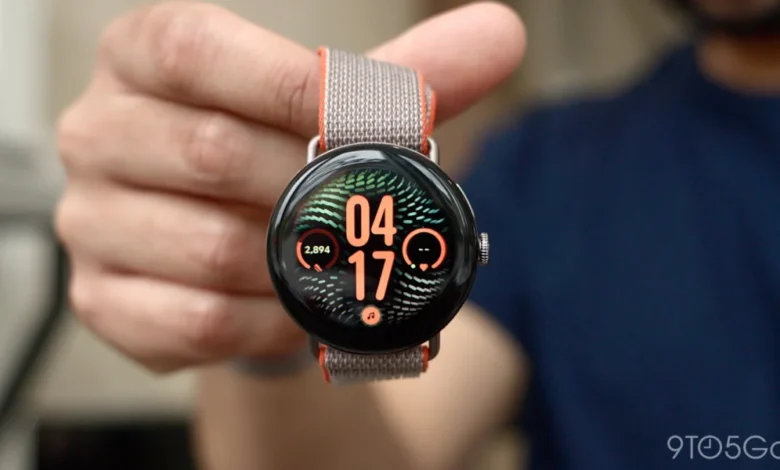
A growing number of Google Pixel Watch users are reporting substantial, unexplained battery depletion, with some individuals noting a degradation of up to 20% every few hours. These reports, which have surfaced across various online forums including Reddit, suggest that a recent shift in software performance may be placing an unsustainable demand on the hardware’s power management systems. While the issue does not appear to be universal, the intensity of the reported drain has prompted concerns among the user base regarding the longevity and reliability of their devices.
The complaints highlight a significant deviation from expected performance benchmarks. For instance, owners of the Pixel Watch 2 have noted that their devices are failing to reach even a full day of usage, sometimes dropping to 12 hours on a single charge. This stands in stark contrast to the standard endurance of approximately 48 hours that many users report when the Always-On Display (AOD) feature is disabled. Similarly, users of the more recent Pixel Watch 4—a device typically lauded for its superior battery efficiency—are reporting that their uptime has been cut from a healthy 2.5-day cycle to less than 24 hours.
Chronology of Reported Incidents
The emergence of these battery issues appears to correlate with a series of software deployments released by Google in late 2026. On September 15, 2026, Google initiated the rollout of a significant software update for the Pixel Watch 2 and subsequent models. This update introduced "Gemini Personalization," a feature designed to integrate the company’s AI-driven assistant with personal user data from applications such as Gmail and Google Calendar to provide more context-aware responses.
Shortly thereafter, in late October 2026, Google introduced an expanded health-tracking suite, which featured enhanced automatic activity detection. While both updates were marketed as improvements to the user experience, the timing of the surge in user complaints regarding battery performance suggests that these background processes—or their integration with the underlying Wear OS architecture—may be consuming excessive system resources.
The reports are not entirely uniform in their timing. While a cluster of complaints appeared in late October, some users noted similar, albeit less publicized, anomalies dating back several weeks. This suggests that the issue might not be tied to a single "point-in-time" update, but rather to a combination of features that may behave inconsistently depending on individual user settings and synchronization habits.
Technical Context and Potential Causality
To understand the scope of the problem, one must consider how modern smartwatches manage power. Battery consumption in a device like the Pixel Watch is typically a function of display brightness, sensor activity, network connectivity, and background process execution.
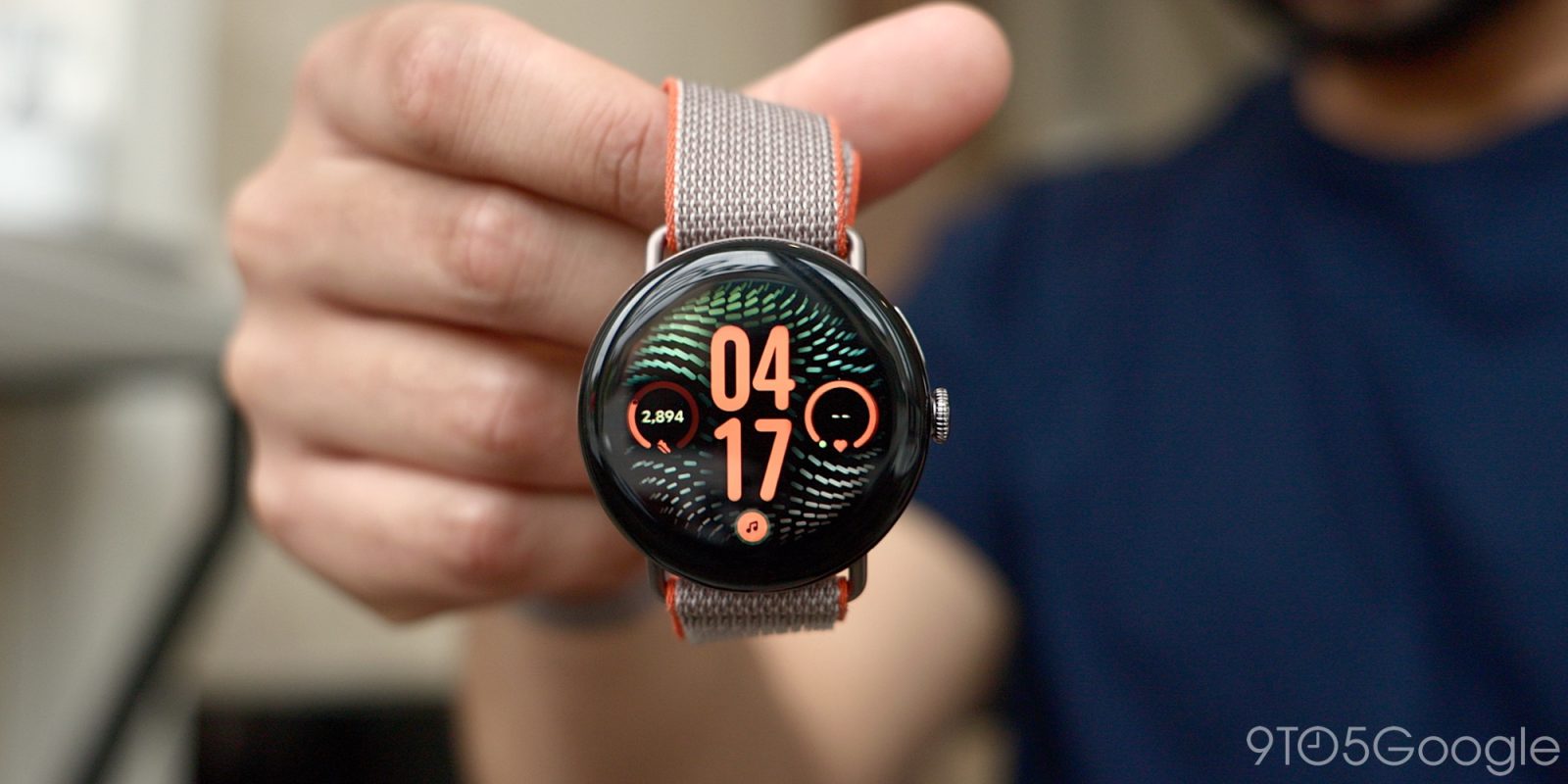
The introduction of Gemini Personalization represents a shift toward more "intelligent" background computing. By constantly polling data from connected services like Gmail or Calendar, the watch’s processor may be staying in a high-power state longer than intended. If the optimization algorithms governing these background tasks are not sufficiently tuned, the result is a rapid decline in battery percentage, even when the device is idle.
Furthermore, the expansion of Google Health’s activity detection capabilities requires the watch’s sensors—such as the heart rate monitor and accelerometer—to remain in a state of high-fidelity vigilance. While these sensors are designed to be energy-efficient, the software managing the data throughput must correctly identify when to throttle usage. If a bug prevents the system from entering a "sleep" or "low-power" mode, the resulting drain is exponential.
It is important to note that many users have reported no change in their device’s performance, suggesting that the issue may be triggered by specific configuration combinations. Factors such as the number of active complications, the synchronization of high-data-rate apps, or the intensity of health-monitoring settings may be playing a role in how the software interacts with the hardware.
Broader Implications for Wearable Technology
The reliance on sophisticated software to power wearable devices creates a delicate balance. As Google and its competitors move toward "smarter" interfaces that rely on generative AI, the computational load on small-form-factor devices increases. The current situation with the Pixel Watch highlights the risks of this transition: when software demands outpace the battery’s chemical capacity or the hardware’s power-management efficiency, the user experience suffers significantly.
For Google, the situation presents a challenge in maintaining customer trust. The Pixel line of devices relies heavily on the promise of seamless software-hardware integration. When an update—intended to add value—instead creates a functional deficit, it can lead to increased return rates and decreased brand loyalty. Historically, manufacturers have addressed such issues through "hotfix" patches that optimize background processes or limit the frequency of background data synchronization.
Analysis of User Impact
The reports, which have been aggregated and analyzed by tech outlets such as Android Authority, indicate that the frustration is most acute among "power users"—those who rely on the device for multi-day tracking or constant notifications. When a user experiences a 50% or greater reduction in battery life, the device shifts from being a convenient tool to a source of maintenance overhead.
The inconsistency of the reports—with some users experiencing total failure while others report stable performance—suggests that the underlying issue might be a "leak" in a specific service rather than a global flaw in the operating system. If a specific app or background service is failing to release memory or is stuck in a loop, it would explain why only a subset of users is affected.

Official Response and Outlook
As of this writing, Google has not released an official statement acknowledging a widespread battery drain issue linked to the September or October 2026 updates. In previous instances where such issues have occurred across the Android and Pixel ecosystems, the company has typically monitored feedback on support forums before deploying a targeted patch via a future monthly update.
For users currently affected by the drain, typical troubleshooting steps have yielded mixed results. These include:
- Clearing System Cache: While modern versions of Wear OS manage cache differently than phones, some users report success in forcing a restart or resetting the watch to factory defaults.
- Disabling Recent Features: Turning off the new Gemini Personalization features or reverting health-tracking settings to manual mode has helped some users stabilize their battery life.
- Checking App Permissions: Reviewing which apps have background data access can sometimes prevent rogue applications from draining the battery.
However, these are merely workarounds for what appears to be a systemic software issue. The reliance on cloud-based AI, while providing a richer experience, necessitates a robust software environment that can handle the increased telemetry and data processing. Until a formal update is issued to optimize these specific background tasks, users may find themselves tethered to their chargers significantly more often than the device’s specifications would suggest.
Future Expectations
The tech industry will be watching to see how quickly Google addresses these reports. With the wearable market becoming increasingly competitive, the stability of the software environment is a primary differentiator. A swift resolution would demonstrate that the company is capable of rapid iterative development and responsive customer support. Conversely, prolonged silence could fuel speculation that the hardware limitations of the current Pixel Watch iterations are being pushed to their absolute maximum by the new AI-centric feature sets.
As the industry moves toward more autonomous and "always-on" AI features, manufacturers will need to prioritize energy-efficient architecture. The current situation serves as a case study in the necessity of rigorous stress testing before deploying resource-heavy features to devices with limited battery capacity.
For the time being, the community of affected users remains engaged, sharing findings and potential fixes on platforms like Reddit. The collective data gathering from these users remains the most valuable resource for those seeking a solution until an official patch is released. Whether this is a transient issue confined to a small subset of configurations or a broader technical hurdle remains to be seen in the coming weeks of software cycles.
Related posts: