SK Hynix and Intel in Exploratory Talks for First-Ever US Memory Chip Manufacturing Partnership

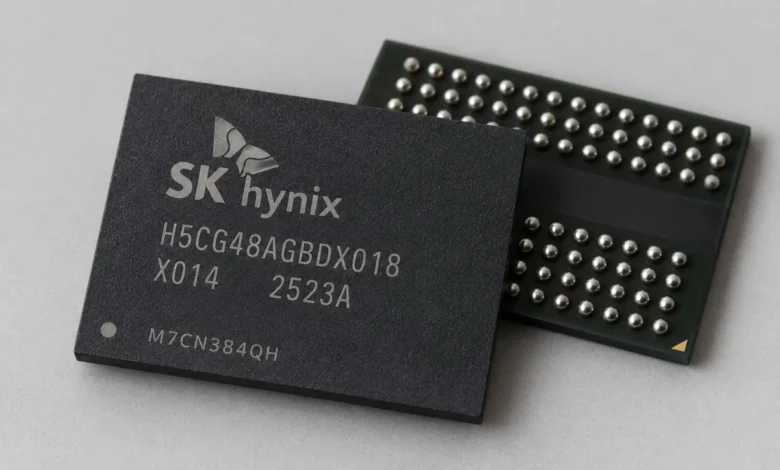
Global semiconductor supply chains could undergo a significant realignment as South Korean memory giant SK Hynix engages in preliminary discussions with American tech pioneer Intel Corporation. According to exclusive reporting by Reuters citing individuals familiar with the matter, the prospective partnership centers on establishing domestic memory chip manufacturing capabilities within the United States for the very first time. While the talks remain strictly exploratory and unofficial, the mere prospect has already injected a wave of optimism into the stock market, bolstering investor sentiment for both companies amid an intensely competitive and volatile global technology landscape.
The reported negotiations outline two potential operational pathways for bringing SK Hynix’s advanced manufacturing processes to American soil. Under the first scenario, SK Hynix would lease a designated portion of Intel’s sprawling semiconductor fabrication facility currently under development in Ohio. The second scenario envisions a collaborative joint venture, which could potentially incorporate participation from major cloud computing providers. These prominent hyperscalers are reportedly eager to lock down steady, secure memory chip supplies to power expanding artificial intelligence infrastructure, shielding themselves from the cyclical volatility and geopolitical vulnerabilities that have historically plagued the semiconductor market.
Background Context and Chronological Evolution of the Ohio Project
To fully understand the gravity of these current discussions, one must examine the timeline and trajectory of Intel’s troubled Ohio manufacturing initiative. Intel originally announced its ambitious plans for the Silicon Heartland project in early 2022, committing to an initial investment of up to $20 billion, with a long-term vision of scaling the total capital expenditure to a staggering $100 billion. The mega-site was heralded as a cornerstone of American semiconductor manufacturing independence, designed to restore domestic production capacity and reduce reliance on overseas foundries in East Asia.
However, the project has encountered substantial headwinds. Production schedules have experienced repeated delays. While initial operational timelines targeted the commencement of high-volume manufacturing by 2025, commercial output has since slipped significantly, with industry timelines now pointing to at least 2030. These delays have strained Intel’s financial position and placed mounting pressure on the corporation’s leadership to seek strategic partnerships that can monetize idle or underutilized infrastructure, optimize capital expenditure, and restore confidence among institutional shareholders.
For SK Hynix, expanding its geographic footprint into the United States represents a strategic pivot driven by a combination of customer demand and external geopolitical pressures. The explosive growth of artificial intelligence applications has triggered an unprecedented surge in demand for specialized memory components, particularly High Bandwidth Memory (HBM) and high-density DRAM. Back in July, SK Group Chairman Chey Tae-won publicly acknowledged the shifting industrial paradigm, telling reporters that the conglomerate needed to establish a manufacturing base directly within the United States to better serve its primary clientele.
Geopolitical Pressures and Regulatory Hurdles
Beyond commercial incentives, regulatory and political dynamics are playing an instrumental role in shaping SK Hynix’s strategic calculations. The United States has ramped up pressure on foreign semiconductor manufacturers to localize their supply chains. Recently, U.S. Commerce Secretary Howard Lutnick raised the stakes by threatening to impose steep 100-percent tariffs on semiconductor imports from South Korea and Taiwan unless these foreign entities commit to substantially increasing their domestic U.S. manufacturing footprint. For SK Hynix, partnering with Intel in Ohio could serve as a pragmatic bridge to satisfy American trade policymakers and preempt punitive tariff regimes.
Nevertheless, establishing an overseas production base for state-of-the-art memory components is fraught with domestic regulatory complexities in South Korea. The exact specifications and technological tiers of the memory chips SK Hynix intends to produce in the United States remain undisclosed. If the prospective agreement with Intel involves sensitive, next-generation technologies—such as advanced HBM iterations or cutting-edge DRAM nodes—it could trigger fierce opposition from the South Korean government. Seoul fiercely guards its proprietary semiconductor innovations, classifying them as vital national security assets.
Official Responses and Stakeholder Positions
As market speculation intensifies, representatives from the involved corporations and regulatory bodies have issued measured responses, reflecting the delicate and preliminary nature of the discussions.
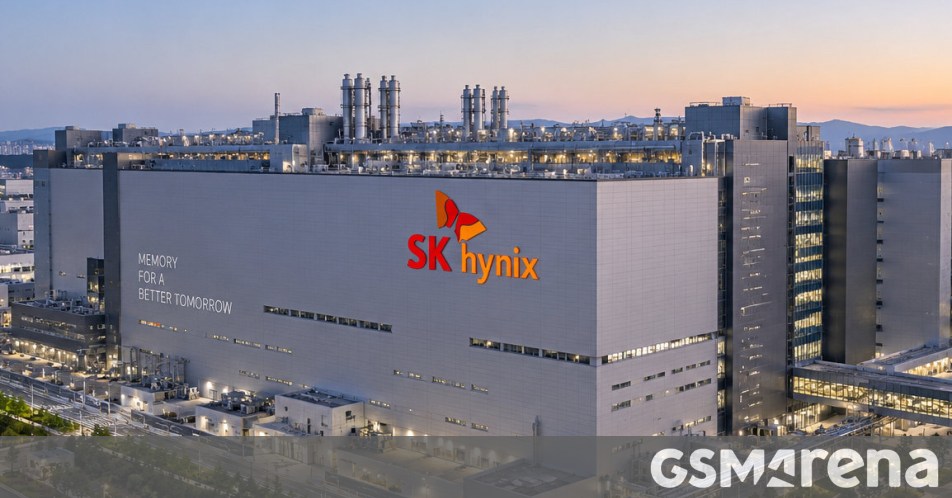
In an official statement provided to Reuters, SK Hynix adopted a cautious posture: "The company is reviewing various measures, including establishing additional production bases, to strengthen the competitiveness of its memory business, while no matters have been determined at this stage." This carefully worded disclaimer aligns with reports characterizing the dialogue as exploratory.
Intel has maintained a more reticent stance, declining to comment directly on the ongoing partnership talks while reaffirming its steadfast commitment to completing its massive infrastructure investments in Ohio.
Meanwhile, South Korea’s Ministry of Trade, Industry and Energy addressed the jurisdictional oversight surrounding outbound corporate investments. A ministry spokesperson clarified that while operational decisions ultimately rest at SK Hynix’s sole discretion, any potential transfer or co-production agreement involving "national core technology" will face rigorous statutory scrutiny. Such a transaction would be subject to formal review under South Korea’s Industrial Technology Protection Act, designed to prevent the unauthorized leakage of critical intellectual property and industrial know-how to foreign jurisdictions.
Balancing Domestic Commitments and Overseas Expansion
The potential U.S. manufacturing venture also unfolds against the backdrop of significant domestic investments by SK Hynix within South Korea. The South Korean government has strongly urged domestic technology conglomerates to concentrate their next-generation capital expenditures locally, specifically advocating for the development of a massive, consolidated semiconductor manufacturing cluster in the country’s southwestern region.
Demonstrating alignment with national industrial priorities, SK Hynix recently announced a colossal $38 billion domestic investment package earmarked for the construction of advanced DRAM and NAND flash memory fabrication facilities in South Korea. Balancing this massive domestic capital outlay with the financial and logistical demands of establishing a U.S. manufacturing partnership with Intel will require careful financial orchestration by SK Hynix executives. Manufacturing semiconductors on American soil inherently carries higher operational, labor, and construction costs compared to legacy facilities in South Korea, further complicating the economic viability of a U.S. joint venture.
Broader Industry Implications and Market Analysis
An eventual agreement between SK Hynix and Intel could reshape the global semiconductor hierarchy, yielding profound implications for the industry at large. For Intel, securing a partnership with the world’s leading HBM and memory supplier would validate its struggling foundry business model, injecting much-needed revenue, credibility, and operational activity into its under-construction Ohio campus. It would transform Intel from a beleaguered integrated device manufacturer into a viable host foundry capable of accommodating major global memory producers.
For SK Hynix, mitigating geopolitical trade risks while securing physical proximity to major American cloud service providers and artificial intelligence developers presents a compelling strategic advantage. By embedding its supply chain within the United States, SK Hynix can insulate itself against sudden shifts in trade policy, tariff escalations, and regional logistics bottlenecks.
However, substantial hurdles remain before these exploratory talks translate into a binding commercial contract. Regulatory hurdles in Seoul regarding technology export controls, complex corporate governance structures involving potential joint venture partners, and the sheer engineering complexities of harmonizing manufacturing ecosystems across continents will require exhaustive negotiation.
As the semiconductor industry continues to navigate the competing demands of geopolitical localization, skyrocketing artificial intelligence infrastructure requirements, and capital efficiency, the dialogue between SK Hynix and Intel serves as a bellwether for the future of cross-border technological collaboration. Industry observers, equity markets, and international regulators will be watching closely in the coming months to determine whether these preliminary conversations mature into a transformative manufacturing alliance or dissolve under the weight of regulatory and logistical challenges.