Cybercriminal Group TA558 Intensifies Phishing Campaigns Targeting the Global Travel and Hospitality Sectors


The global travel and hospitality industries, already grappling with the logistical challenges of a post-pandemic resurgence, are facing a renewed and sophisticated threat from the cybercriminal organization known as TA558. Security researchers have documented a significant escalation in malicious activity from this group, which has pivoted its tactics to exploit the current high demand for airline and hotel bookings. By leveraging fake reservation confirmations and sophisticated malware delivery mechanisms, TA558 is targeting both corporate entities and individual travelers in a bid for financial gain and sensitive data acquisition.
According to a detailed technical analysis by the cybersecurity firm Proofpoint, TA558 has effectively revamped its operations to bypass modern security protocols. While the group has been active since at least 2018, its recent campaigns demonstrate a marked departure from previous methods, specifically moving away from macro-enabled documents toward the use of container files such as ISO and RAR attachments. This shift is widely viewed by experts as a direct response to Microsoft’s decision to disable macros by default in Office products, a move that forced many threat actors to find alternative infection vectors.
The Evolution of TA558 Tactics and Techniques
Historically, TA558 relied heavily on socially engineered emails, often written in Spanish or Portuguese, to lure victims. These emails typically featured subject lines related to "reserva" (reservation) and contained malicious Microsoft Word attachments. These documents exploited long-standing vulnerabilities, such as CVE-2017-11882, a remote code execution bug in the Microsoft Equation Editor, to install Remote Access Trojans (RATs) like Loda or Revenge RAT.
However, the data from 2022 and 2023 indicates a strategic shift. Researchers noted that TA558 conducted 27 distinct campaigns involving malicious URLs in 2022 alone, a staggering increase compared to only five such campaigns recorded between 2018 and 2021. These URLs frequently lead to the download of ISO or RAR files. When a user is tricked into opening these compressed archives, they often find a series of nested files designed to evade signature-based detection.
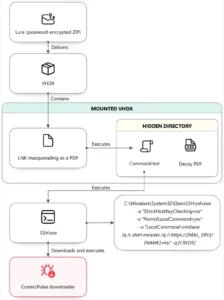
In one documented instance, a fake reservation link led to an ISO file containing an embedded batch (BAT) file. When executed, the BAT file triggered a PowerShell helper script, which in turn downloaded the final payload: AsyncRAT. This multi-stage execution chain is designed to remain stealthy, bypassing traditional antivirus software by using legitimate system tools to execute malicious code—a technique known as "living off the land."
Chronology of Activity: From Regional Specialist to Global Threat
To understand the current threat landscape, it is essential to trace the history of TA558’s operations. The group’s activity has been punctuated by periods of intense aggression followed by relative dormancy, often mirroring global travel trends.
- 2018–2019: The Formative Years: TA558 emerged as a persistent threat primarily targeting Latin American organizations. During this period, the group refined its use of phishing lures focused on hotel bookings. In 2019, they expanded their arsenal to include PowerPoint attachments and template injection techniques, while also introducing English-language lures to reach a broader demographic in North America and Western Europe.
- Early 2020: Peak Prolificacy: In January 2020, TA558 reached a peak in activity, launching 25 separate campaigns in a single month. This surge was characterized by a heavy reliance on macro-laden Office documents.
- 2020–2021: The Pandemic Lull: As the COVID-19 pandemic grounded flights and shuttered hotels globally, TA558’s activity significantly decreased. With the travel industry in a state of paralysis, the group’s primary lure—fake reservations—lost its effectiveness. During this time, the group appeared to go into a period of reconfiguration.
- 2022–Present: The Resurgence: As international travel restrictions were lifted and "revenge travel" became a global phenomenon, TA558 returned with a vengeance. The group adapted to the new security environment created by Microsoft’s macro blocks and began deploying the ISO/RAR delivery methods that currently define their operations.
Technical Analysis of Malware Payloads
The primary objective of TA558 is the installation of Remote Access Trojans. These tools provide the attackers with comprehensive control over the compromised system, allowing them to perform reconnaissance, steal credentials, and exfiltrate sensitive financial data. The malware variants most commonly associated with TA558 include:
- Loda RAT: An AutoIt-based Trojan that has been a staple of TA558’s toolkit for years. Loda is capable of recording audio, capturing screenshots, stealing passwords from web browsers, and logging keystrokes. Its ability to target both Windows and Android devices makes it a versatile tool for data theft.
- Revenge RAT: A well-known Trojan often used for its stability and ease of deployment. It allows attackers to manage files, view the victim’s screen in real-time, and use the infected machine as a proxy for further attacks.
- AsyncRAT: A more modern, open-source RAT that has gained popularity among cybercriminals due to its modular nature and encrypted communication channels. TA558’s use of AsyncRAT signals an adoption of more sophisticated, harder-to-track malware.
The financial motivation behind these infections is clear. By compromising the systems of hotel chains and travel agencies, TA558 can gain access to customer databases, credit card information, and corporate financial accounts. Furthermore, once a system is compromised, the group can sell access to other cybercriminals or use the infected infrastructure to launch ransomware attacks.
Industry Impact and Expert Reactions
The travel and hospitality sector is a particularly attractive target for groups like TA558 because it handles vast amounts of Personal Identifiable Information (PII) and high-value financial transactions. Moreover, the industry relies on a complex web of third-party vendors and reservation systems, creating multiple entry points for attackers.
Sherrod DeGrippo, Vice President of Threat Research and Detection at Proofpoint, emphasized the risks posed by these campaigns. "TA558 is a financially motivated actor that has shown a remarkable ability to adapt its tactics to the changing security landscape," DeGrippo stated. "Their recent shift to container files and the use of diverse malware variants demonstrates a high level of persistence. Organizations in the travel industry, as well as their customers, must remain vigilant against increasingly sophisticated phishing attempts that look indistinguishable from legitimate business communications."
Cybersecurity analysts at Palo Alto Networks and Cisco Talos, who have also tracked TA558, noted that the group’s focus on Latin America remains strong, but their reach is undeniably expanding. The use of regional languages like Spanish and Portuguese allows them to craft highly convincing lures for local businesses, which may not always have the same level of cybersecurity infrastructure as larger global corporations.
Supporting Data and Cybersecurity Trends
The rise in TA558’s activity coincides with a broader trend in the cybersecurity world. According to industry reports, phishing remains the most common entry point for cyberattacks, accounting for over 90% of successful data breaches. Within the hospitality sector specifically, a 2023 industry survey revealed that nearly 60% of hotels reported an increase in the frequency of phishing attacks over the previous 12 months.
Furthermore, the transition from macros to ISO/RAR files is a trend observed across many high-profile threat groups. Data from security operations centers indicates that since Microsoft’s macro policy change, the use of ISO files as an infection vector has increased by over 150% across the board. TA558’s rapid adoption of this trend highlights their status as a sophisticated and reactive threat actor.
Broader Implications and Defense Recommendations
The threat posed by TA558 extends beyond individual financial loss. For a hotel or airline, a successful breach can result in massive regulatory fines under frameworks like GDPR or CCPA, catastrophic damage to brand reputation, and long-term loss of consumer trust. In an era where travelers prioritize seamless digital experiences, a single security incident can drive customers to competitors.
To mitigate the risks associated with TA558 and similar groups, security experts recommend a multi-layered defense strategy:
- Email Filtering and Sandboxing: Organizations should implement advanced email security solutions that can identify and block suspicious attachments, particularly ISO, RAR, and ZIP files. Sandboxing technology can detonate these files in a safe environment to observe their behavior before they reach the user’s inbox.
- User Training and Awareness: Employees in the hospitality sector, particularly those in reservation and front-desk roles, must be trained to recognize the signs of phishing. This includes verifying the sender’s address, being wary of unexpected attachments, and understanding that legitimate reservation systems rarely require the manual decompression of ISO files.
- Endpoint Detection and Response (EDR): Deploying EDR solutions can help detect the "living off the land" techniques used by TA558, such as the unauthorized execution of PowerShell or Batch scripts.
- Patch Management: While TA558 is moving toward new techniques, they still exploit old vulnerabilities like CVE-2017-11882. Keeping software and operating systems updated is a fundamental defense against these attacks.
As the travel industry continues its recovery, the activities of TA558 serve as a stark reminder that cybercriminals are equally ready to capitalize on the surge in global mobility. The group’s ability to evolve from simple Word macros to complex, multi-stage ISO delivery systems underscores the necessity for constant vigilance and proactive security measures within the hospitality and travel sectors. For now, the "reserva" in the inbox remains a potential gateway to a significant security breach.
Related posts: