Best Buy Challenges Amazon With Massive Black Friday in July Discounts on Echo Fire TV and Ring Devices


The mid-summer retail landscape has undergone a significant transformation this year, as major electronics retailers move to capture consumer interest following a shift in the traditional promotional calendar. While July has historically served as the primary window for Amazon’s massive Prime Day event, the e-commerce giant’s decision to pull its flagship sale forward into June left a notable void in the July shopping season. Recognizing this opportunity, Best Buy has launched its "Black Friday in July" initiative, a strategic counter-offensive that brings steep discounts to a wide array of consumer electronics, most notably on Amazon’s own proprietary hardware.
The sale, which features entry-level pricing starting as low as $19, encompasses a comprehensive range of Alexa-enabled devices. Industry analysts view this move as a dual-purpose strategy: it allows Best Buy to clear inventory ahead of the critical back-to-school season while simultaneously positioning the retailer as a viable alternative for shoppers who missed the Prime Day window. The inclusion of Fire TV Sticks, Ring security systems, and Echo smart speakers suggests a highly competitive pricing environment where Best Buy is willing to match or even undercut the historical lows typically reserved for Amazon’s own storefront.
The Strategic Shift in Summer Retail
The concept of "Black Friday in July" is not entirely new, but its importance has magnified as the retail sector grapples with fluctuating supply chains and changing consumer habits. Historically, July was considered a "dead zone" for retail, characterized by low foot traffic and a lull in major product releases. Amazon changed this dynamic in 2015 with the inauguration of Prime Day, a move that forced competitors like Walmart, Target, and Best Buy to develop their own mid-summer promotional events to prevent a total loss of market share.
This year, however, the timing has been disrupted. With Amazon’s Prime Day occurring in June, the traditional July peak was threatened. Best Buy’s decision to maintain its "Black Friday in July" branding serves to anchor the month for tech enthusiasts. By offering Amazon’s own ecosystem—the Echo, Fire, and Ring brands—at significant discounts, Best Buy is effectively leveraging Amazon’s brand recognition to drive traffic to its own physical and digital aisles.
Detailed Breakdown of Key Hardware Discounts
The current promotional event at Best Buy is categorized by several "hero" deals that serve as entry points for consumers looking to build or expand their smart home ecosystems.
Streaming Media and Fire TV
At the forefront of the sale are the Fire TV Stick models. The entry-level Fire TV Stick Lite has seen its price slashed to $19, making it one of the most affordable ways to convert a standard television into a smart TV. The more robust Fire TV Stick 4K and 4K Max have also seen proportional price cuts. These devices are critical for Amazon’s broader business model, as they serve as gateways to the Prime Video ecosystem and various subscription services. For Best Buy, selling these units at a thin margin is often offset by the "halo effect," where customers purchase accompanying peripherals such as HDMI cables, soundbars, or home theater setups.
Smart Audio and Alexa Integration
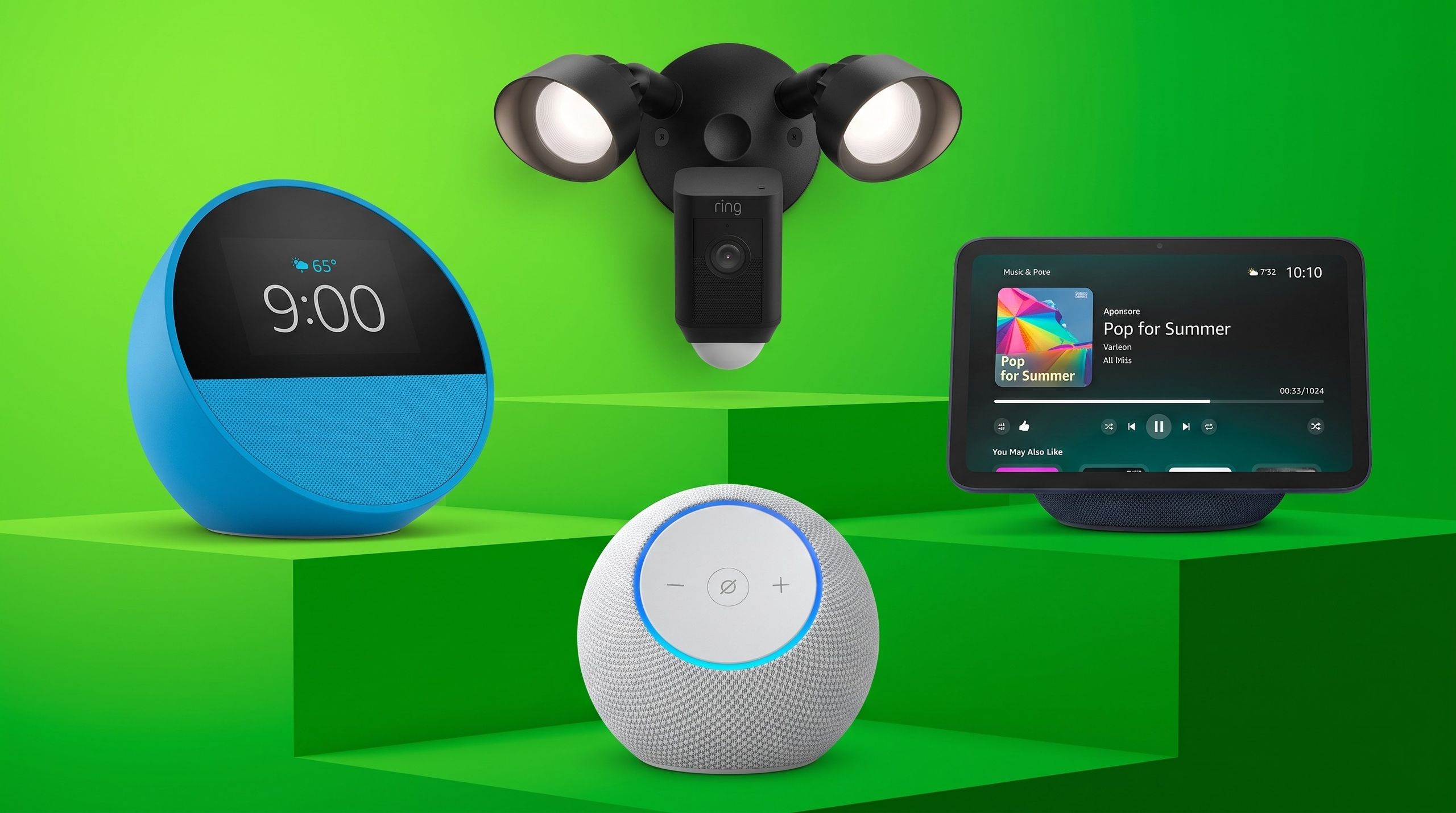
The Echo line of smart speakers remains a cornerstone of the sale. The Echo Dot, now in its fifth generation, is frequently discounted during these events to encourage multi-room audio setups. Analysts note that the smart speaker market has reached a point of maturity where growth is driven less by first-time buyers and more by existing users expanding their coverage. By offering these devices at near-cost, Best Buy taps into the high demand for Alexa-integrated hardware, which remains the dominant voice assistant platform in the United States, holding approximately 65% of the smart speaker market share.
Home Security and Ring Ecosystem
Perhaps the most significant value for consumers lies in the Ring security category. Best Buy has discounted various iterations of the Ring Video Doorbell and the Ring Stick Up Cam. Since Amazon’s acquisition of Ring in 2018, the brand has become synonymous with accessible home security. The "Black Friday in July" sale includes bundles that combine cameras with Echo Show devices, providing a turnkey security solution that appeals to homeowners and renters alike.
Market Context: The Competition for the Smart Home
The battle between Best Buy and Amazon is unique because it is both competitive and collaborative. Best Buy is one of the largest physical showrooms for Amazon hardware. While they compete for the final sale, Amazon relies on Best Buy’s physical footprint to allow customers to "touch and feel" products like the Kindle Paperwhite or the Fire Tablet before purchasing.
According to data from Consumer Intelligence Research Partners (CIRP), the average Amazon Prime member spends significantly more when they own an Alexa-enabled device. This creates a high-stakes environment where retailers are eager to be the ones to facilitate that initial hardware purchase. Best Buy’s advantage in this space is its "Geek Squad" service, which offers professional installation—a service Amazon has struggled to replicate at the same scale. By selling a Ring Doorbell or a mesh Wi-Fi system at a discount, Best Buy often secures a service contract or an installation fee that Amazon cannot easily capture through a purely digital transaction.
Chronology of the Summer Sale Evolution
To understand the significance of this event, one must look at the timeline of summer retail promotions over the last decade:
- 2015: Amazon launches the first Prime Day to celebrate its 20th anniversary, recording sales that surpassed Black Friday 2014.
- 2016–2018: Competitors like Best Buy and Walmart begin "anti-Prime Day" sales, initially focusing on general clearance but gradually shifting toward high-demand electronics.
- 2019: Prime Day expands to a 48-hour event, and Best Buy formalizes its "Black Friday in July" as a direct competitor, offering "doorbuster" deals without the requirement of a paid membership.
- 2020: The pandemic disrupts the global supply chain, pushing Prime Day to October. Best Buy fills the July gap with "Black Friday" branded summer deals.
- Current Year: Amazon moves Prime Day to June to avoid logistical overlaps and capitalize on early summer spending. Best Buy doubles down on July, maintaining the traditional "Black Friday in July" window to capture the remaining consumer budget.
Industry Analysis and Consumer Implications
The implications of Best Buy’s aggressive pricing on Amazon hardware are manifold. For the consumer, it signals the end of "seasonal" shopping. The concept that one must wait until November to find the lowest prices on electronics is effectively dead. We are now in an era of "perpetual promotion," where major retailers cycle through deep discounts every quarter to maintain momentum.
From a financial perspective, Best Buy’s strategy is a calculated risk. Hardware margins on devices like the Fire TV Stick are notoriously slim. However, the data gathered from these sales is invaluable. It allows Best Buy to track which ecosystems (Alexa vs. Google Assistant vs. Apple HomeKit) are gaining traction in specific demographics. Furthermore, these sales often act as a loss leader to drive sales in higher-margin categories, such as large appliances and premium laptop computers.
Industry experts also point out that the timing of this sale is crucial for inventory management. With new iterations of Echo and Fire devices typically announced in the fall (September/October), July represents the final opportunity to move current-generation stock at high volumes. By pricing these items at $19 and up, Best Buy ensures a clean slate for the upcoming holiday hardware refreshes.
Looking Ahead: The Future of Mid-Summer Sales
As the "Black Friday in July" sale continues, the retail industry is watching closely to see if consumer fatigue will set in. With major sales events now occurring in June (Prime Day), July (Best Buy/Walmart), August (Back to School), and November (Traditional Black Friday), the window for "full-price" retail is shrinking.
However, for the time being, the strategy appears to be working. Foot traffic data suggests that "event-based" shopping remains a powerful draw for consumers, particularly when it involves well-known brands like Ring and Echo. As long as Amazon continues to dominate the smart home space, third-party retailers like Best Buy will continue to use these devices as the "bait" to lure shoppers into their broader ecosystems.
In conclusion, Best Buy’s current sale is more than just a collection of discounts; it is a sophisticated maneuver in a larger chess match for retail supremacy. By offering Amazon’s best-selling hardware at Black Friday prices in the middle of summer, Best Buy is not only filling a gap left by Amazon’s schedule shift but is also reinforcing its position as a destination for smart technology and home integration. Shoppers looking to upgrade their homes should act quickly, as these promotional windows are increasingly short-lived, reflecting the fast-paced nature of modern digital commerce.