Best Buy Black Friday in July TV Sales Feature Major Discounts on Premium OLED and Mini-LED Models

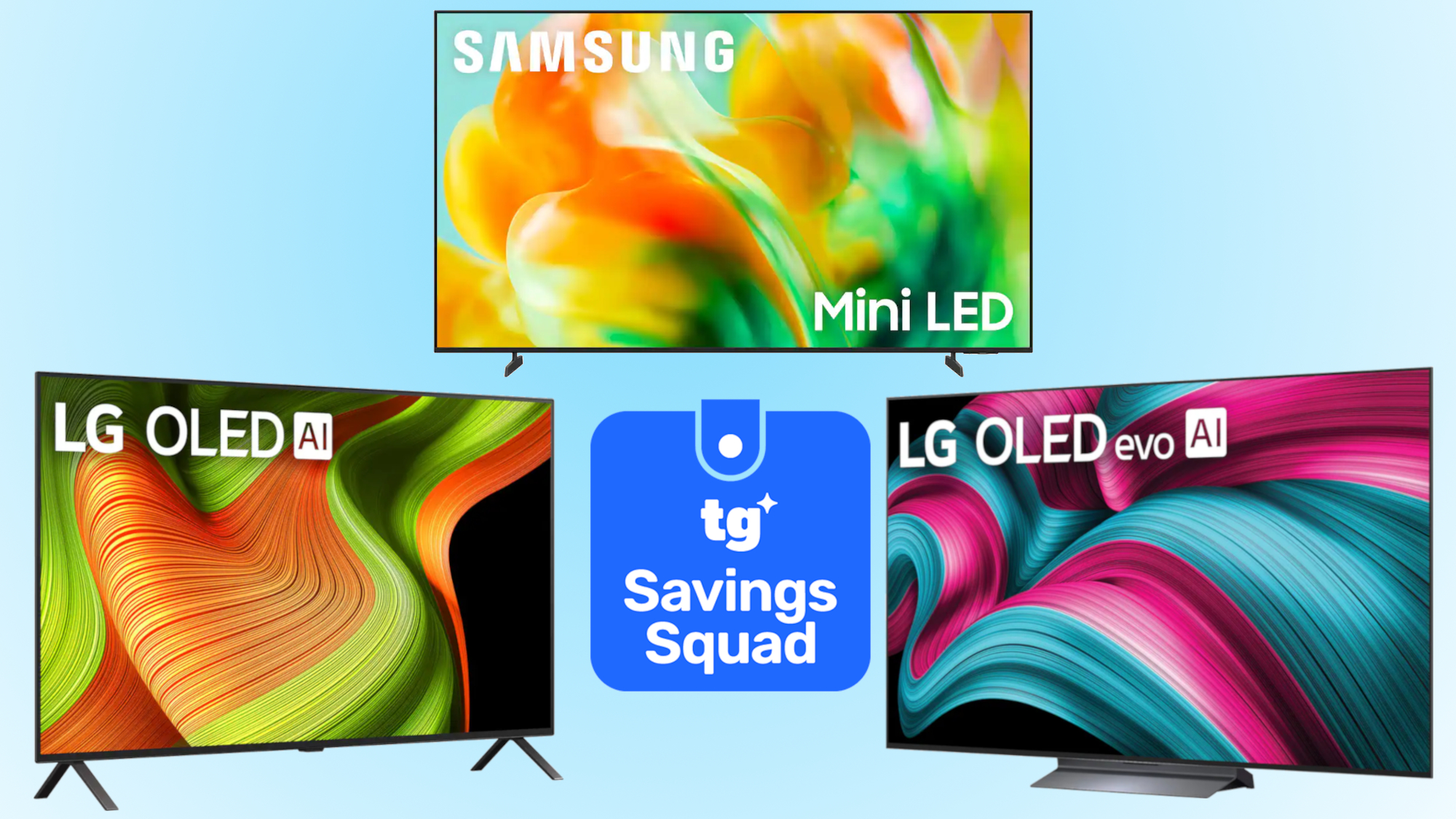
The mid-summer retail landscape has undergone a significant transformation over the last decade, evolving from a quiet period for consumer electronics into a high-stakes battleground for major retailers. As the industry moves past the traditional Memorial Day promotions and looks toward the massive holiday shopping season, a critical gap often emerges where deep discounts on high-end technology become scarce. However, the current "Black Friday in July" event at Best Buy has disrupted this seasonal lull, offering substantial price reductions on a wide array of television technologies, including Organic Light Emitting Diode (OLED), Quantum Dot LED (QLED), and Mini-LED displays.
This promotional event arrives at a strategic juncture for the television industry. With the 2024 model lineups from major manufacturers like LG, Samsung, and Sony having fully reached retail shelves, retailers are under pressure to move inventory and capture consumer interest before the autumn rush. For enthusiasts and casual viewers alike, this window represents one of the most opportune moments of the year to acquire premium display technology at prices that rival those typically seen in late November.
The Evolution of the Mid-Summer Sales Cycle
The concept of a "Black Friday in July" is not merely a marketing gimmick but a calculated response to the shifting habits of the global consumer. Historically, the television market followed a rigid release cycle: new models were announced at the Consumer Electronics Show (CES) in January, shipped in the spring, and saw their first major discounts during the American Thanksgiving period.
The emergence of Amazon Prime Day in mid-July forced brick-and-mortar competitors like Best Buy and Walmart to develop their own counter-programming. What began as a defensive maneuver has matured into a pillar of the retail fiscal year. For Best Buy, this event serves as a clearinghouse for "early-cycle" 2024 models and a final opportunity to move remaining 2023 flagship units. This dual-pronged approach provides a unique spectrum of value, where shoppers can choose between the absolute latest features or deep-clearance pricing on last year’s top-tier performers.
Technical Breakdown: Understanding the Discounted Tiers
Navigating a major sales event requires a fundamental understanding of the technologies currently dominating the market. The Best Buy event specifically targets three primary categories that represent the current "state of the art" in home entertainment.
OLED (Organic Light Emitting Diode)
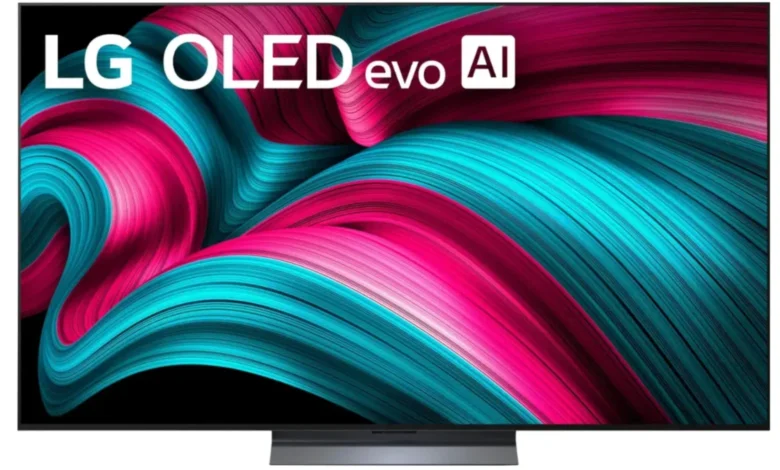
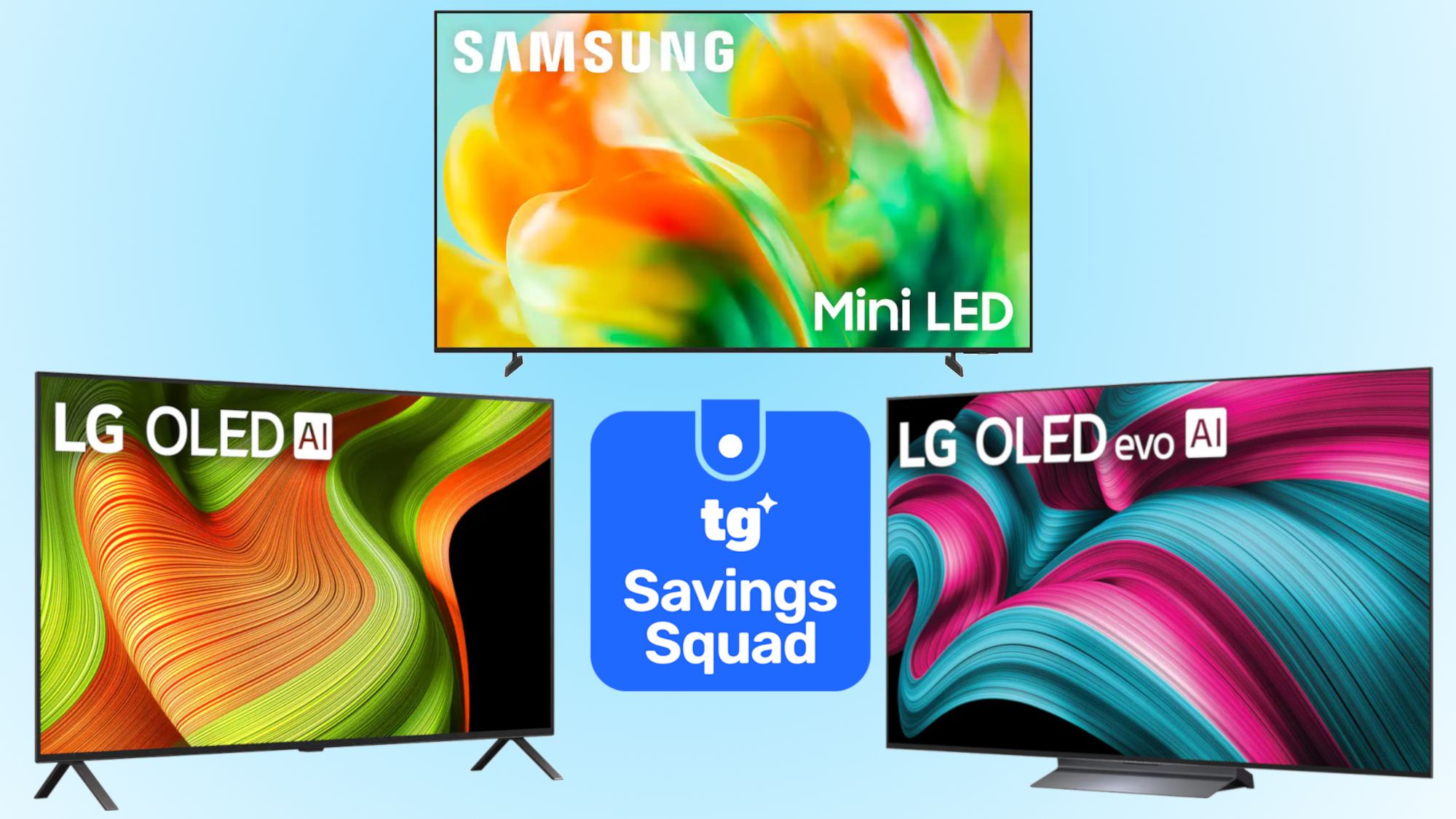
OLED remains the gold standard for many cinephiles due to its ability to achieve "perfect blacks." Because each pixel is self-emissive—meaning it can turn off entirely—OLED screens offer infinite contrast ratios. During the July sales event, models like the LG C-series and B-series typically see significant movement. The LG C5 and its predecessors are perennial favorites in testing labs because of their exceptional color accuracy and near-instantaneous response times, making them ideal for both HDR cinema and high-frame-rate gaming.
Mini-LED and QLED
While OLED excels in dark rooms, Mini-LED technology has become the preferred choice for bright, sunlit living rooms. By using thousands of tiny LEDs as a backlight, these TVs can achieve brightness levels (measured in nits) that far exceed OLED capabilities. Samsung’s Neo QLED line, such as the M80H series, utilizes these Mini-LEDs in conjunction with a Quantum Dot layer to produce vibrant, high-volume color. The discounts observed in the July event often bring these high-brightness panels into a price range previously occupied by standard, less-capable LED TVs.
The Entry-Level RGB LED Segment
For consumers seeking size over specialized panel technology, the "Black Friday in July" event includes aggressive pricing on standard 4K LED TVs. While these models lack the local dimming precision of Mini-LED or the contrast of OLED, they provide the "big screen experience" for secondary rooms or budget-conscious households, often falling to their lowest price points of the year.
The Role of Rigorous Lab Testing in Consumer Value
The selection of deals during such an expansive event is often informed by intensive laboratory benchmarking. Expert reviewers, such as those at Tom’s Guide, utilize specialized equipment—including Klein K-10A colorimeters, Murideo SIX-G signal generators, and Portrait Displays’ Calman software—to verify manufacturer claims.
In a typical testing environment, a TV’s value is determined by several key metrics:
- Peak Brightness: How well the TV handles highlights in HDR content.
- Color Gamut Coverage: The percentage of the DCI-P3 color space the TV can reproduce.
- Input Lag: Crucial for gamers, this measures the delay between a controller input and the action on screen.
- Motion Handling: How the processor manages fast-moving objects in sports or action films.
The TVs highlighted in the Best Buy sale are not chosen merely for their low price tags, but for their performance-to-price ratio. A "cheap" TV that fails to produce accurate colors or suffers from significant "blooming" (light bleeding into dark areas) is rarely considered a true deal by industry standards.
Market Analysis: Why Now is the Time to Buy
Industry analysts point to several factors making the 2024 mid-summer sales particularly potent. First is the stabilization of the global supply chain. Following several years of volatility in panel manufacturing and shipping costs, inventory levels have normalized. This allows retailers to be more aggressive with their margins to capture market share.
Second is the "Spec Plateau." In recent years, the jump in quality between annual TV iterations has become more incremental. A 2023 flagship OLED and a 2024 mid-range OLED may offer very similar performance profiles. Consequently, when a retailer like Best Buy slashes prices on these high-performing models in July, the consumer is often getting 95% of the "best possible" technology for 60% of the launch price.
Broader Economic Implications and Retail Strategy
The timing of Best Buy’s event also reflects broader economic trends. With inflation impacting discretionary spending, consumers have become more "event-driven" in their shopping habits. They are less likely to buy a television at the full Manufacturer’s Suggested Retail Price (MSRP) and more likely to wait for a branded sales event.
By labeling the event "Black Friday in July," Best Buy taps into the psychological urgency associated with the November holiday. This strategy serves to front-load revenue for the third quarter, providing a buffer against potential fourth-quarter volatility. It also allows the retailer to maintain its position as a specialist destination in the face of increasing competition from generalist platforms like Amazon.
Official Responses and Consumer Sentiment
While manufacturers rarely comment directly on specific retailer price cuts, the trend toward aggressive mid-year discounting is supported by the brands themselves through "Instant Rebate" programs. Companies like LG and Samsung often provide back-end credits to retailers to facilitate these price drops, ensuring their brand remains visible in a crowded market.
Consumer sentiment, as tracked through retail data and social media engagement, suggests a growing preference for these summer windows. Shoppers report that the "Black Friday in July" period is less stressful than the November rush, with better shipping logistics and more available stock. Furthermore, buying in July allows sports fans to have their new displays set up in time for the start of the professional football and basketball seasons in the autumn.
Conclusion: Navigating the Choice
As the Best Buy Black Friday in July event continues, the primary challenge for consumers is no longer finding a discount, but choosing the right technology for their specific environment. The convergence of expert lab testing and aggressive retail pricing has created a transparent market where high-quality displays are more accessible than ever.
Whether the priority is the cinematic depth of an OLED, the piercing brightness of a Mini-LED, or the sheer scale of a budget 85-inch LED, the current sales landscape proves that the wait for November is no longer a necessity. The mid-summer window has firmly established itself as a premier destination for home theater upgrades, backed by data, driven by retail competition, and validated by the rigorous standards of modern technical reviewing.