Google Prepares to Launch Its First ‘Googlebooks’ Era of AI-Driven Laptops With Pre-Orders Opening September 21

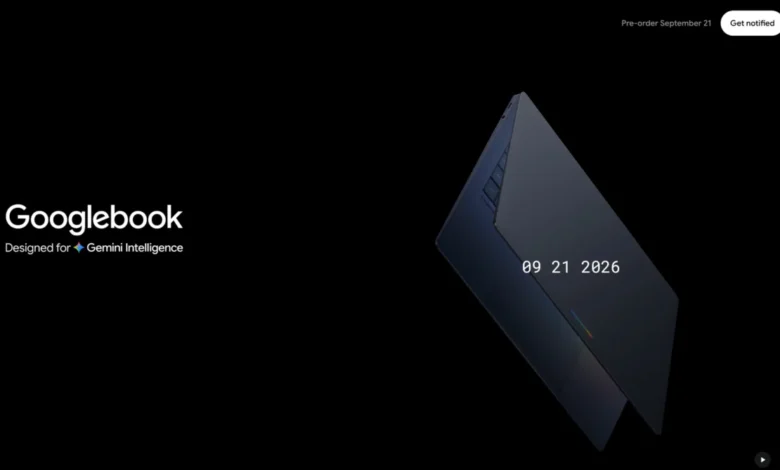
The personal computing landscape is on the brink of a significant architectural shift as Google prepares to open pre-orders for its highly anticipated line of "Googlebooks" on September 21 at 9:00 a.m. ET. Billed as the vanguard of a new device category designed specifically for the "intelligence system" era, these premium laptops mark a major departure from traditional operating paradigms. By pivoting away from ChromeOS and onto an advanced, Android-based technology stack, Google is attempting to redefine what consumers and enterprise users can expect from everyday portable computing.
The Evolution of the Googlebook: From The Android Show Tease to Reality
The journey toward the Googlebook ecosystem began earlier this year during a strategic presentation at The Android Show. In what industry insiders immediately recognized as a classic "one more thing" hardware reveal, Google offered a fleeting glimpse into its next-generation laptop category. At the time, executives deliberately kept hardware specifications, manufacturing partners, and pricing under wraps, focusing instead on the conceptual foundation of the devices. Google positioned the Googlebook not merely as an incremental upgrade to existing Chromebook offerings, but as an entirely new class of hardware engineered from the silicon up for deeply integrated artificial intelligence.
In the months following that initial teaser, speculation has swirled across tech forums and industry analyst reports regarding how Google would structure this hardware rollout. Those questions were partially answered when Google initiated direct-to-consumer email campaigns confirming the September 21 pre-order date. Accompanying the email rollout, the tech giant launched a dedicated promotional portal at googlebook.google.com, featuring promotional teasers, branding assets, and countdown timers to the official pre-order window.
While Google has yet to release a comprehensive hardware catalog detailing every available configuration, industry consensus points to a robust hardware ecosystem at launch. Major hardware partners—including longstanding collaborators such as Acer, ASUS, Dell, HP, and Lenovo—are widely expected to introduce their own branded iterations of the Googlebook, catering to diverse market segments ranging from budget-conscious students to high-end enterprise professionals. However, shipping dates for these initial hardware waves remain unconfirmed, leaving eager consumers waiting to see how quickly pre-orders will translate into physical deliveries.
Core Architecture and Gemini Integration
At the heart of the Googlebook value proposition is the profound integration of artificial intelligence, spearheaded by Google’s Gemini ecosystem. Unlike traditional laptops where AI features are bolted onto the operating system as browser extensions or auxiliary applications, the Googlebook architecture weaves intelligence directly into the core user interface and navigation tools.
Among the standout features heavily emphasized in Google’s promotional materials is the "Magic Pointer" utility. This tool fundamentally reimagines cursor interaction by allowing users to invoke and converse with Gemini directly through standard pointer movements and contextual prompts. Rather than opening a separate chat window or navigating to a web app, users can leverage the Magic Pointer to manipulate text, analyze on-screen data, and execute complex workflows seamlessly.
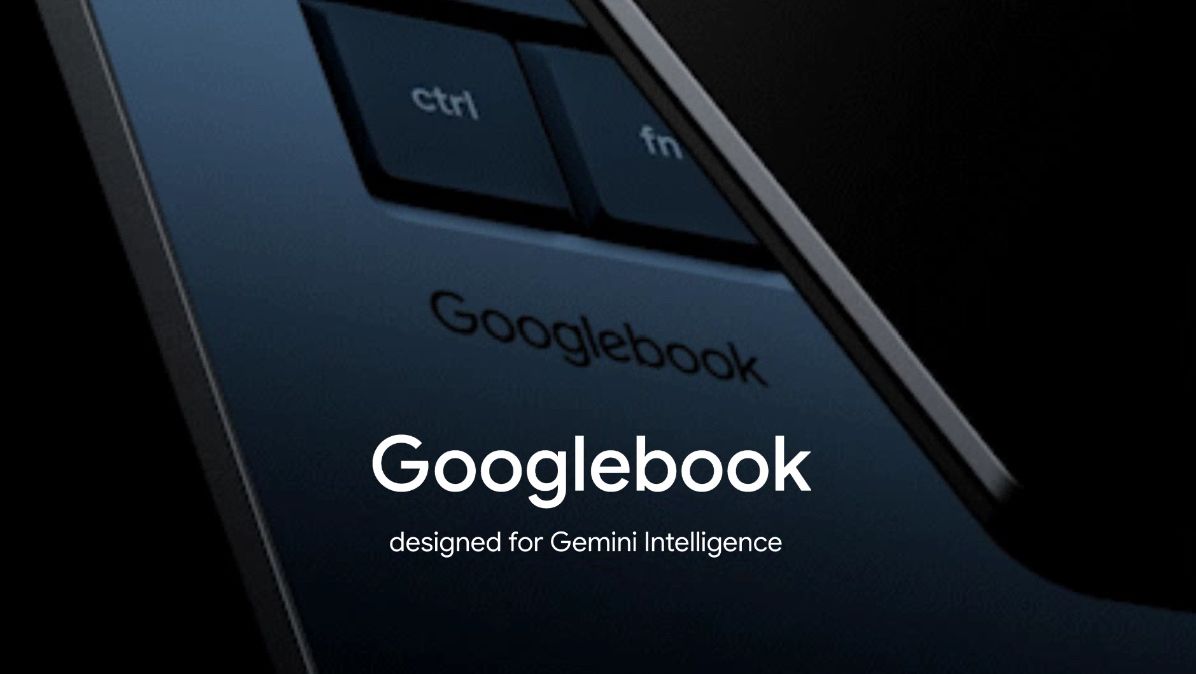
Furthermore, the platform introduces dynamic widget creation. By utilizing natural language prompts, users can command the system to generate custom, real-time widgets tailored to their immediate workflow needs simply by describing what they want to see on their screens. This capability hints at a highly modular, responsive user interface that adapts dynamically to individual user habits rather than forcing users into rigid, pre-designed software layouts.
Deep Ecosystem Synergy with Android Phones
Beyond artificial intelligence, Google is strategically leveraging its dominant mobile ecosystem to differentiate the Googlebook from competing offerings by Apple and Microsoft. For years, operating system fragmentation has plagued the boundary between mobile devices and desktop environments. Googlebooks aim to dismantle these silos by offering unprecedented native synergy with Android smartphones.
According to Google’s pre-order documentation, users will possess the ability to mirror and run Android applications natively from their Android phones directly onto their Googlebook display. This functionality extends beyond simple screen mirroring; it includes deep file system integration, allowing users to access, edit, and transfer documents and media stored locally on their smartphones without relying on third-party cloud storage workarounds or cumbersome cable connections.
By bridging the gap between mobile operating systems and laptop form factors, Google is targeting a seamless digital lifestyle where the smartphone and the laptop function as dual-pane extensions of a single unified computing profile.
A Departure from ChromeOS: The New Android-Based Tech Stack
Perhaps the most technically significant aspect of the Googlebook launch is its underlying software architecture. For over a decade, Google’s lightweight laptop strategy has relied almost exclusively on ChromeOS—a browser-centric operating system that revolutionized the education sector and carved out a solid niche in enterprise environments.
Googlebooks, however, bypass ChromeOS entirely, running instead on a brand-new, Android-derived technology stack. Despite confirming this foundational shift, Google has remained remarkably tight-lipped regarding the official commercial nomenclature of the operating system itself. Industry analysts suggest that keeping the operating system name under wraps until the pre-order window opens is a deliberate marketing strategy designed to generate maximum consumer curiosity and focus attention squarely on the hardware ecosystem.
This architectural pivot raises strategic questions about the future coexistence of ChromeOS and the new Android-based stack. While traditional Chromebooks are expected to remain staple products—particularly in price-sensitive markets like K-12 education—Googlebooks clearly target the premium tier, directly challenging Windows ultraportables and Apple MacBooks.
Market Implications and Competitive Landscape
The launch of the Googlebook ecosystem arrives at a pivotal juncture for the personal computer industry. The laptop market is currently experiencing intense competition, characterized by shifting consumer demands, volatile component pricing, and rapid advancements in on-device neural processing units (NPUs).
On one front, Googlebooks must contend with the entrenched dominance of Windows laptops, particularly as manufacturers roll out advanced hardware powered by next-generation graphics and AI chips, such as RTX Spark-powered systems. On the other front, Apple’s M-series MacBooks continue to set high benchmarks for energy efficiency, performance, and ecosystem lock-in.
Compounding these competitive pressures are broader macroeconomic trends, notably fluctuating RAM and semiconductor component prices that could influence final retail pricing across manufacturing partners. Because Google has not yet disclosed pricing tiers for the initial wave of Googlebooks from Acer, ASUS, Dell, HP, and Lenovo, market analysts are closely watching to see how aggressively the company positions these devices against established premium competitors.
Looking Ahead to September 21 and Beyond
As the clock ticks down to September 21 at 9 a.m. ET, the tech industry stands poised to witness whether consumers are ready to embrace a new category of intelligent laptops. The success of the Googlebook initiative will likely hinge not only on the fluid performance of the Magic Pointer and Gemini integrations, but also on the reliability of its Android cross-device synergy and the competitive pricing of partner hardware.
For Google, the stakes are high. The Googlebook represents more than just a new line of computers; it is a bold declaration of intent for the future of personal computing—one where artificial intelligence is not an optional add-on, but the fundamental operating fabric of the digital workspace.
Related posts: