Samsung Galaxy Z Flip 9 Future Uncertain Amidst Discontinuation Rumors and Evolving Foldable Market

The official unveiling of the Samsung Galaxy Z Flip 8 has barely settled, yet industry speculation is already intensely focused on its successor, the potential Galaxy Z Flip 9. Typically, this period would be ripe with early leaks detailing specifications or design changes for the next iteration. However, current whispers surrounding the Z Flip 9 point towards a far more dramatic possibility: the complete cessation of the Z Flip line. This unexpected narrative introduces a significant inflection point for Samsung’s pioneering foldable smartphone strategy and the broader foldable market.
The Genesis of Discontinuation Rumors
Prior to the Galaxy Z Flip 8’s formal announcement, a prominent and often reliable leaker, Ice Universe, disseminated a critical piece of information suggesting that the Z Flip 8 could be the final device in Samsung’s eight-generation-long Flip series. While Ice Universe has a strong track record for accurate pre-release information on Samsung products, it is crucial to approach such leaks with a degree of caution. Industry insiders often float various strategic ideas and product line adjustments during internal discussions, and a leaked concept may not necessarily represent a definitive, board-approved decision. Nonetheless, the very existence of such a discussion, as inferred by the leaker, underscores a period of re-evaluation within Samsung regarding its foldable portfolio.
The core of this potential strategic shift appears to be rooted in a combination of factors, primarily attributed to perceived waning sales of the clamshell foldable form factor and dynamic changes within the global smartphone market. Samsung, a vanguard in the foldable revolution, has consistently pushed the boundaries of smartphone design with both its book-style Galaxy Z Fold series and its more compact, fashion-oriented Galaxy Z Flip series. The Z Flip, with its nostalgic flip-phone design reimagined for the modern era, aimed to offer a more accessible entry point into the foldable segment compared to the premium Z Fold. However, the market’s reception and evolving consumer preferences might be signaling a need for recalibration. The specific claim from the leaker was concise: "The Samsung Galaxy Z Flip 8 is likely to be Samsung’s last small folding product," which, while lacking detail, points to a fundamental strategic rethink.
Evolution of the Foldable Market: A Brief Chronology
Samsung officially introduced its first foldable smartphone, the Galaxy Fold, in September 2019, marking a significant milestone in mobile technology. This groundbreaking device, while initially facing durability challenges, set the stage for a new category of smartphones. The following year, 2020, saw the debut of the Galaxy Z Flip, a clamshell-style foldable that aimed for a different user demographic – one valuing portability, style, and a compact form factor. This dual-pronged strategy allowed Samsung to address different segments of the nascent foldable market.
Over the subsequent years, Samsung consistently iterated on both lines, introducing improvements in hinge design, screen durability, software optimization, and processing power. Each generation, from the Z Flip to the recently announced Z Flip 8, has seen refinements aimed at making the foldable experience more robust and user-friendly. Key milestones included the introduction of Ultra Thin Glass (UTG) for enhanced screen protection, improved water resistance ratings, and increasingly functional cover displays that allowed for more interaction without opening the device. The Z Flip series, in particular, evolved from a novelty to a more mainstream contender, often lauded for its pocketability and unique aesthetic. Its annual July/August launch cycle has become a predictable fixture in the smartphone calendar, positioning Samsung as the consistent leader in foldable innovation.
However, the foldable market has matured rapidly, moving beyond Samsung’s initial near-monopoly. Competitors like Motorola (with its revitalized Razr series), Huawei, Oppo, Vivo, Xiaomi, and more recently, Google (with the Pixel Fold), have entered the fray, offering their own interpretations of both clamshell and book-style foldables. This increased competition has fragmented the market and intensified the pressure on pioneers like Samsung to innovate and differentiate. Industry reports from firms like Counterpoint Research and IDC consistently show robust growth in the overall foldable segment, projecting tens of millions of units shipped annually in the coming years. While Samsung has maintained a dominant market share, often exceeding 60% in foldables, new entrants are gradually chipping away at this lead. The current market dynamic suggests a potential divergence in the appeal of different foldable form factors, which could be influencing Samsung’s strategic outlook.
Shifting Tides: Clamshell vs. Book-Style Foldables
The original article highlights a crucial observation: "With the new smaller Galaxy Z Fold 8’s arrival and the upcoming onslaught of similar ‘fun-sized’ book-style foldables, Samsung and other players may be shifting focus away from Flip-style phones." This indicates a potential pivot in market demand and manufacturer strategy.
Book-style foldables, traditionally larger and more expensive, offer a tablet-like experience when unfolded, catering to productivity and media consumption. The Z Fold series exemplifies this, providing a larger main display for multitasking, gaming, and content creation. If the Galaxy Z Fold 8 indeed becomes "smaller," it could represent an effort to make the book-style form factor more appealing to a wider audience by reducing its footprint and potentially its weight, addressing common criticisms of earlier Z Fold models being too bulky or unwieldy for everyday pocketability. This strategic move could blur the lines between traditional smartphone and tablet functionality, offering enhanced utility in a more portable package.
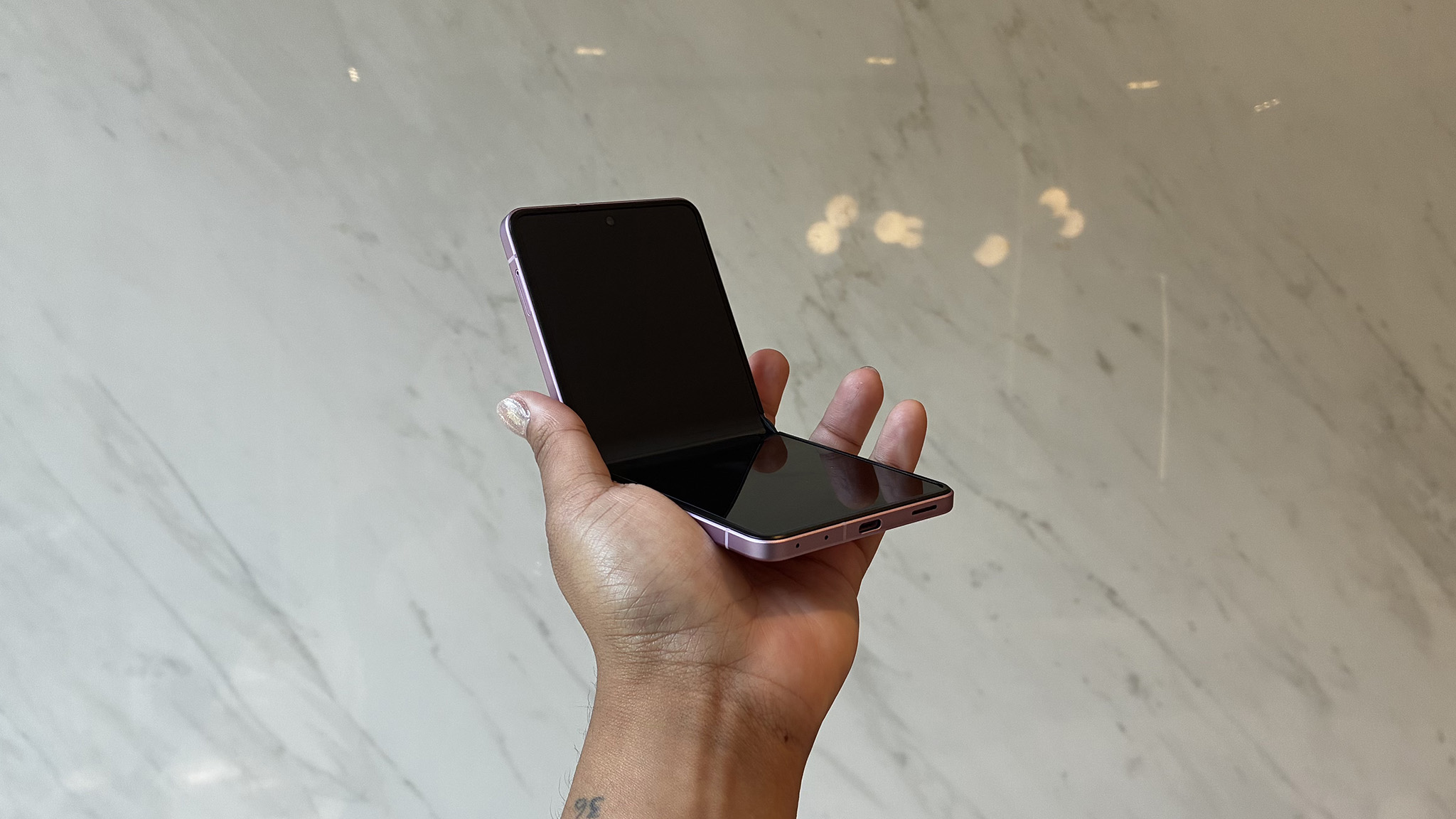
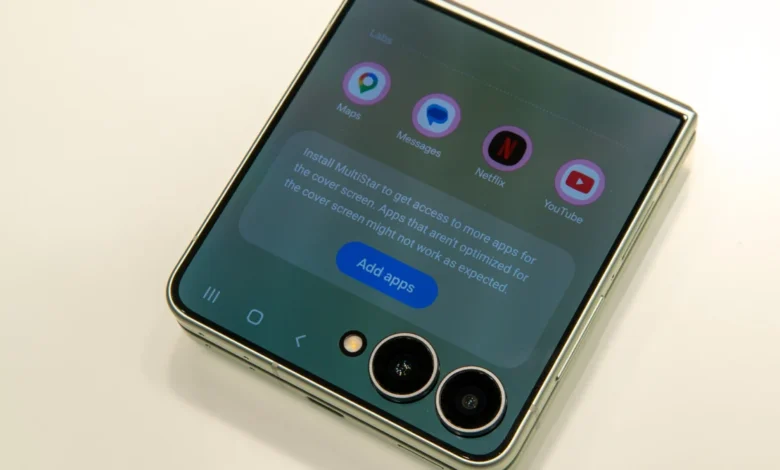
Conversely, clamshell foldables like the Z Flip prioritize compactness and fashion. They offer a regular smartphone experience when unfolded but fold into a highly portable square that fits easily into small pockets or purses. While aesthetically pleasing and convenient, their main internal screen size remains comparable to a standard non-folding smartphone. The innovation often centers around the external cover display, which has grown in functionality over successive Z Flip generations, evolving from a small notification panel to a nearly full-sized interactive screen on the Z Flip 8.
The implication is that consumers might increasingly favor the expanded utility of a book-style foldable, even a "fun-sized" one, over the purely compact nature of a clamshell, especially if the price difference between the two form factors narrows. If a smaller Z Fold can offer significant screen real estate for productivity while still being relatively portable, it might erode the unique selling proposition of the Z Flip. Data from market research firms, while showing overall growth in foldables, sometimes indicate that while clamshells are popular for their stylish appeal and lower entry price, book-style foldables often command higher average selling prices and appeal to a user base seeking maximum screen real estate and productivity. If global data suggests a plateau or decline in clamshell growth relative to book-style foldables, or if the profit margins on clamshells are becoming increasingly tight, it would logically inform Samsung’s product strategy.
Anticipated Price and Availability: A Hurdle for the Z Flip 9
Assuming the Galaxy Z Flip 9 does materialize, its launch is tentatively pegged for July 2027, aligning with Samsung’s established mid-to-late summer schedule for its foldable phones and wearables announcements. However, a significant concern looms over its potential pricing. The original text explicitly states, "With electronics prices continuing to rise, we also expect another price increase for the Galaxy Z Flip 9, particularly if RAM and storage prices continue to soar, as is predicted due to the AI data center boom."
This prediction is grounded in tangible market forces. The global semiconductor industry is experiencing unprecedented demand, driven largely by the exponential growth of Artificial Intelligence (AI) technologies. AI data centers require vast quantities of high-bandwidth memory (HBM) and high-performance storage solutions, putting immense pressure on supply chains and driving up component costs. Standard RAM (LPDDR) and NAND flash storage, critical components in smartphones, are not immune to these price escalations. Leading market intelligence firms like TrendForce have forecast significant price increases for DRAM and NAND flash in the coming quarters and years, directly attributable to the AI boom. This inflationary pressure on key components directly translates into higher manufacturing costs for devices like the Z Flip 9.
Historically, one of the Z Flip’s most compelling selling points has been its relatively lower price point compared to the more expensive Z Fold series, making foldable technology more accessible to a broader consumer base. For instance, the Z Flip series has typically launched at a price point several hundred dollars below its Z Fold counterpart, placing it closer to premium conventional flagships. A substantial price increase for the Z Flip 9 could critically undermine this value proposition. If the price climbs too high, it risks pushing the Z Flip out of the "affordable foldable" segment and into direct competition with high-end conventional flagships or even the more versatile book-style foldables, potentially leading to reduced sales and further validating concerns about the line’s viability. This delicate balance between innovation, cost, and market positioning will be a critical factor in Samsung’s decision-making process for the Z Flip series.
Expected Innovations for a Hypothetical Galaxy Z Flip 9
Despite the uncertainty surrounding its existence, if a Galaxy Z Flip 9 were to be developed, several areas of improvement and innovation would be highly anticipated, building upon the advancements seen in the Z Flip 8 and other Samsung flagships.
Design and Durability Refinements
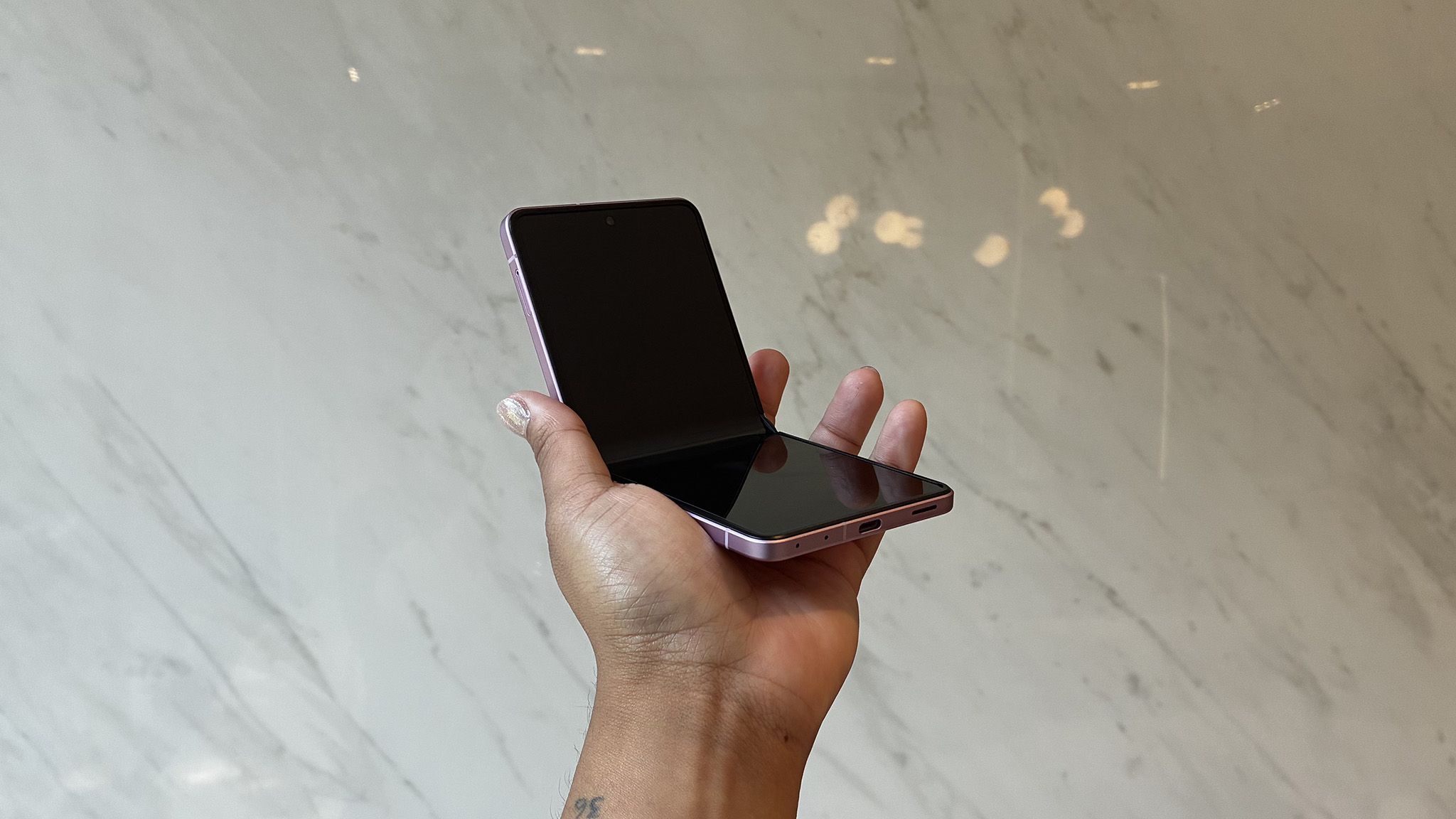
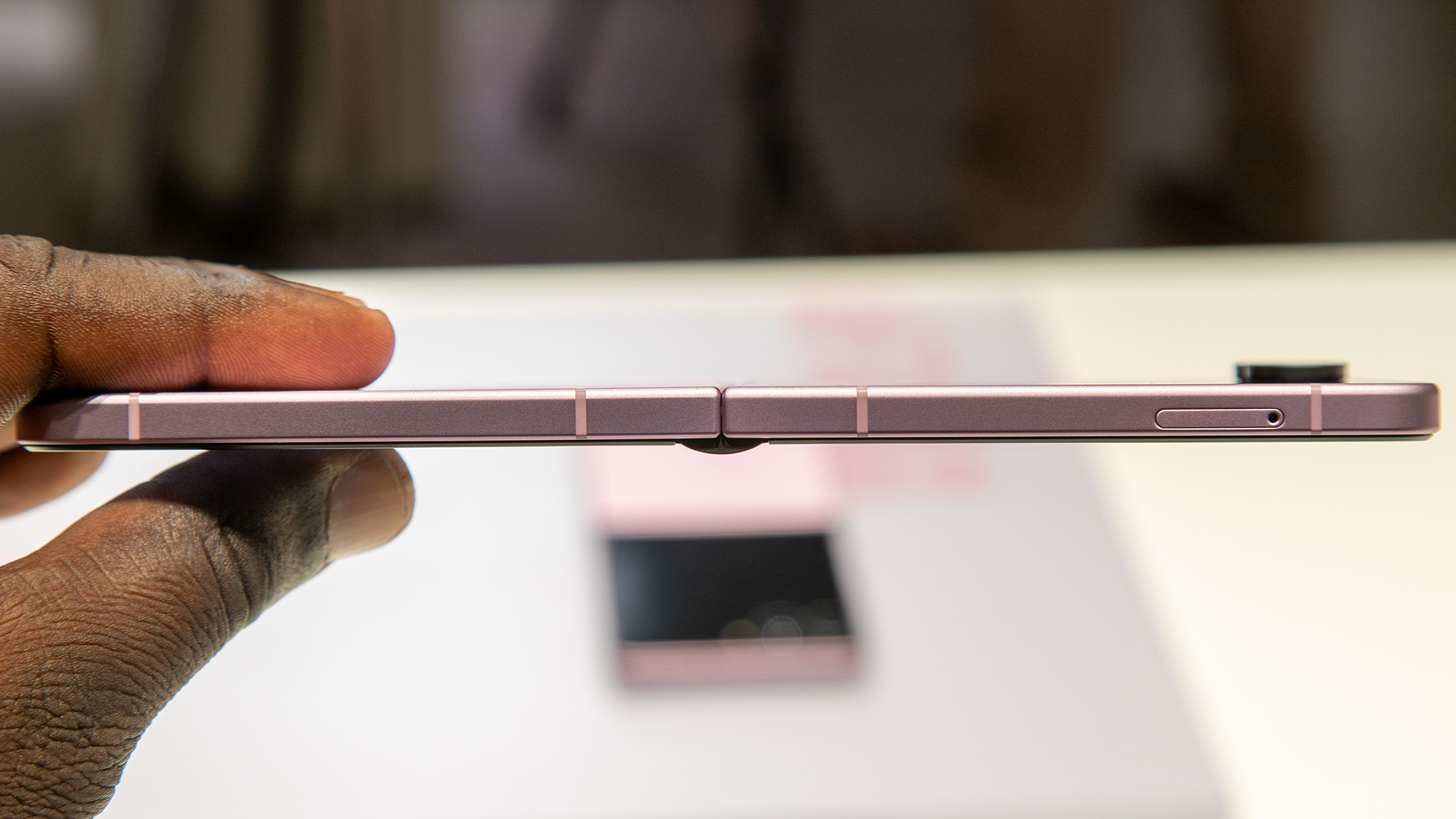
The Z Flip series has consistently aimed for a sleeker profile. The Z Flip 8 reportedly reduced its thickness, but it is still not as thin as some might desire, especially compared to the Z Fold 8. A Z Flip 9 would likely continue this trend, striving for an even thinner and lighter form factor. Achieving this involves sophisticated engineering, particularly in battery technology and hinge design.
- Advanced Battery Technology: Samsung has begun integrating silicon-carbon into its batteries, with the Z Flip 8 featuring 5% silicon content. This material allows for a higher energy density, meaning more power can be packed into a smaller volume. For the Z Flip 9, further advancements in silicon-carbon battery technology could enable larger battery capacities while simultaneously reducing the battery’s physical size and weight. This is crucial for achieving a thinner phone without compromising on battery life, which remains a key concern for all modern smartphones, especially power-intensive foldables. It directly addresses the challenge of making devices thinner without sacrificing endurance.
- Crease Reduction: The visibility of the crease on the inner foldable display has been a persistent point of contention for many users across all foldable brands. Samsung’s Z Fold 8 series reportedly benefited from new titanium screen protection, which substantially reduced the inner crease. Applying similar or even more advanced hinge and screen technologies to a Z Flip 9 would be a significant enhancement, improving both the aesthetic and tactile experience of the device. A less noticeable crease would contribute to a more premium feel and closer approximation to a traditional smartphone display, enhancing user satisfaction and the overall perceived quality of the device.
Display Technology Enhancements
With the Z Flip 8’s cover display already occupying the entire front of the phone when folded, significant changes to its physical appearance on a Z Flip 9 are unlikely. The focus would instead shift to advanced display functionalities and user experience.
- Privacy Display Technology: Intriguing rumors suggest that the Galaxy S26 Ultra’s "Privacy Display" technology might propagate to other Samsung phones by 2027, potentially including premium foldables like the Z Flip 9. A Privacy Display typically uses specialized technology to limit viewing angles, preventing snoopers from seeing sensitive information on the screen when viewed from the side. This feature would be particularly valuable for a device often used in public, adding a layer of security and discretion that could appeal to business users and privacy-conscious consumers who handle sensitive data on their devices.
- Improved PWM Rate: A critical area where Samsung’s displays have lagged behind some rivals is the Pulse Width Modulation (PWM) rate. PWM is a technique used to control screen brightness, and a low PWM frequency can cause noticeable flicker, leading to eye strain and discomfort for sensitive individuals, especially in low-light conditions. Many competing Android flagships, particularly those from Chinese manufacturers like Xiaomi and OnePlus, have adopted much higher PWM frequencies (e.g., 1920Hz or even 2160Hz) to mitigate this issue. For a Z Flip 9 to remain competitive and offer a truly premium user experience, addressing and significantly improving the PWM rate would be essential, aligning with evolving eye care standards in display technology.
Camera System Overhaul
Current flip-style phones, including the Z Flip series, typically feature a main wide-angle camera and an ultrawide camera. While these cover essential photographic needs, the absence of a dedicated telephoto lens has been a notable omission, especially given the premium price point of these devices.
- Integration of a Telephoto Camera: Adding a telephoto camera to the Z Flip 9 would represent a significant upgrade, offering optical zoom capabilities that are standard on most non-folding flagship smartphones. This would elevate the Z Flip’s photographic versatility, allowing for better zoomed-in shots without digital cropping, and enabling features like portrait mode with more natural depth compression. Integrating such a lens into the compact clamshell form factor presents engineering challenges due to space constraints and the device’s thinness, but it would address a key deficiency and position the Z Flip 9 more squarely against "Pro-level" photography experiences offered by conventional flagships. This would be a strong differentiator in a highly competitive market.
Broader Implications for Samsung and the Foldable Market
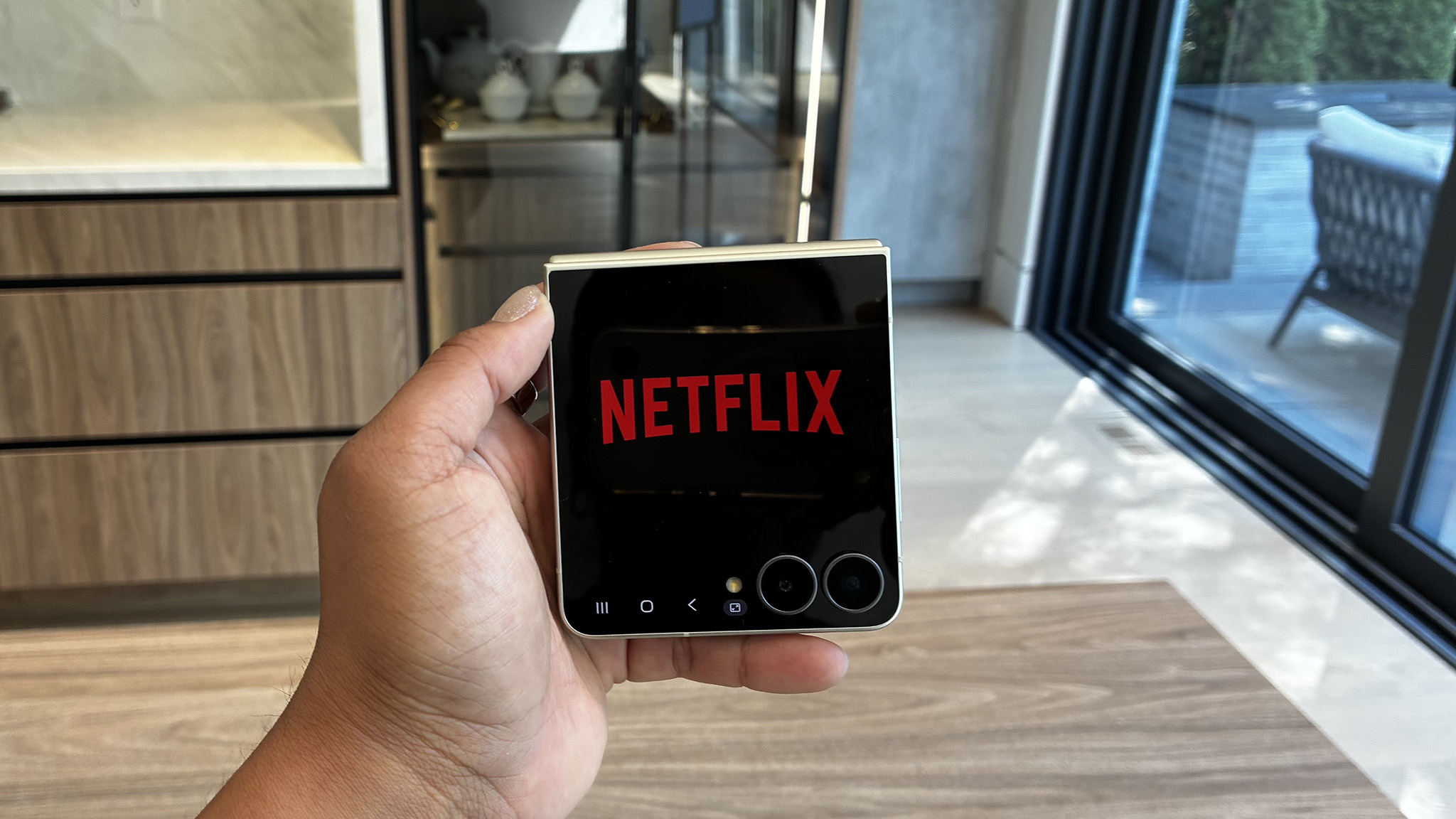
The potential discontinuation of the Galaxy Z Flip line carries significant implications not just for Samsung, but for the entire foldable smartphone ecosystem.
For Samsung, ending the Z Flip series would represent a consolidation of its foldable strategy, likely placing an even greater emphasis on the Z Fold line. This could free up research and development resources to further refine the book-style form factor, potentially accelerating innovations in durability, camera technology, and software optimization for that segment. It might also allow Samsung to streamline its marketing efforts, focusing on a single, albeit versatile, foldable narrative. However, it would also mean ceding the clamshell market segment to competitors like Motorola and Oppo, who are actively investing in and promoting their own flip phones. This could lead to a loss of market share in a growing, albeit niche, category, and potentially alienate a segment of consumers who prefer the compact, stylish design of the Z Flip.
For the broader foldable market, the move could signal a trend towards book-style foldables as the dominant form factor for premium, innovative devices. If Samsung, the market leader, were to exit the clamshell segment, it might influence other manufacturers to reconsider their investments in flip-style phones, potentially slowing innovation or diversification in that particular design. Conversely, it could also create a vacuum for other brands to fill, intensifying competition among the remaining clamshell players and offering them a larger slice of the pie. The market would effectively be divided, with Samsung focusing on the "productivity" foldable and other brands vying for the "fashion" foldable niche.
Ultimately, the future of the Samsung Galaxy Z Flip 9, and indeed the Z Flip line, hinges on a complex interplay of market dynamics, manufacturing costs, consumer demand, and Samsung’s overarching strategic vision for its mobile division. As the industry approaches the anticipated 2027 timeframe, every rumor and leak will be scrutinized, providing further clues into whether Samsung will continue to "flip" its strategy or fold one of its pioneering product lines. The evolution of foldable technology remains one of the most exciting narratives in the smartphone world, and Samsung’s next move will undoubtedly shape its trajectory. We will continue to meticulously gather and report on all developments as they unfold.