Spooktacular Collectibles: How Horror Funko Pops Became a Pop Culture Phenomenon and Halloween Staple

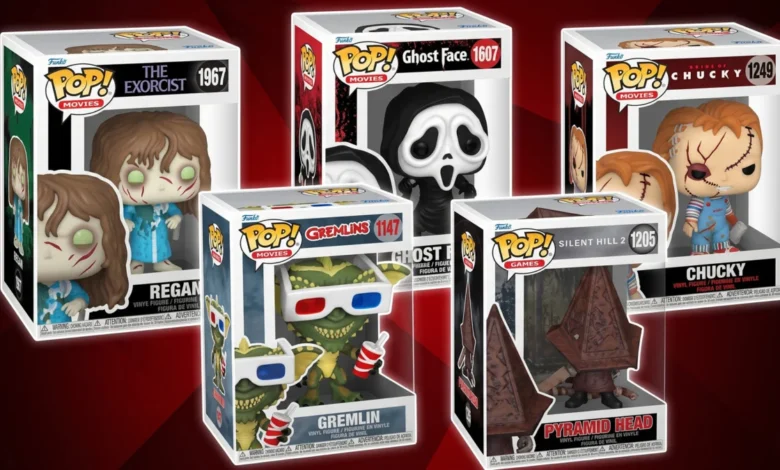
As the autumnal season reaches its peak and Halloween approaches, a unique intersection of horror cinema and retail culture takes center stage: the proliferation of stylized vinyl collectibles known as Funko Pops. These figures, characterized by their oversized heads and distinct minimalist design, have transitioned from niche collector’s items into a massive, multi-million dollar segment of the global entertainment merchandise industry. While the brand covers a vast spectrum of intellectual properties, its horror-themed line has become an essential component of modern holiday decor, bridging the gap between film fandom and interior design.
The Evolution of the Funko Brand
Funko, Inc., founded in 1998 by Mike Becker, began as a small project intended to bring back low-tech, nostalgic toys. Initially focusing on bobbleheads, the company underwent a significant transformation in 2005 when Brian Mariotti purchased the brand. Under his leadership, the company pivoted toward the "Pop!" vinyl figure line in 2010. The simplicity of the design—a uniform aesthetic that relies on iconic costume details and facial features—allowed the company to rapidly expand its licensing agreements with major studios like Universal, Warner Bros., and A24.
By 2017, Funko had entered the public market, and by 2022, the company was reporting annual net sales exceeding $1 billion. This exponential growth was driven by a strategy of scarcity, exclusive releases, and the rapid adaptation of cultural trends. For the horror genre, this has meant an exhaustive catalog that includes everything from classic Universal Monsters like Dracula and Frankenstein’s Monster to contemporary slashers like Art the Clown from the Terrifier franchise.
A Chronology of Horror Licensing
The integration of horror icons into the Funko Pop catalog follows a strategic timeline that mirrors the resurgence of horror cinema in the early 21st century.
- 2010–2012: The Foundation: During the early years of the Pop! line, the company focused on foundational pop culture staples. Horror representation was limited but significant, featuring iconic characters such as Freddy Krueger (A Nightmare on Elm Street) and Jason Voorhees (Friday the 13th).
- 2013–2017: The Diversification Phase: As the brand gained momentum, Funko expanded into more specialized horror niches. This era saw the release of figures from The Exorcist, The Texas Chain Saw Massacre, and Child’s Play. The move toward "Chases"—rare variants of standard figures—increased engagement among high-end collectors.
- 2018–2021: The Modern Horror Boom: Fueled by the critical success of "elevated horror" films, Funko began licensing modern icons. Figures from It (2017), Stranger Things, and Silent Hill reflected a broader shift in consumer interest, moving from legacy monsters to contemporary antagonists.
- 2022–Present: Niche and Cult Integration: The current phase is defined by extreme specificity. Funko now produces figures for cult hits and indie horror sensations, such as Terrifier, acknowledging that the horror fan demographic has become increasingly sophisticated and vocal about wanting representation for their favorite sub-genres.
Data-Driven Consumer Trends
The popularity of horror Funko Pops is not merely anecdotal; it is supported by significant market activity on platforms like Amazon and eBay. According to consumer retail analysis, seasonal sales for horror-themed collectibles experience a surge of approximately 40% to 60% during the months of September and October.
This behavior is largely attributed to the "gamification" of collecting. Funko releases figures in numbered series, which encourages completionist behavior. Furthermore, the average retail price point—typically ranging from $12 to $15 for standard figures—positions these items as "affordable luxuries." Even during periods of economic volatility, research suggests that consumers continue to purchase low-cost collectibles as a form of "retail therapy" or personal expression.
Industry Perspective and Strategic Licensing
The relationship between film studios and toy manufacturers has shifted fundamentally over the last decade. Studios no longer view merchandising as an afterthought; it is now a core component of a film’s marketing budget.
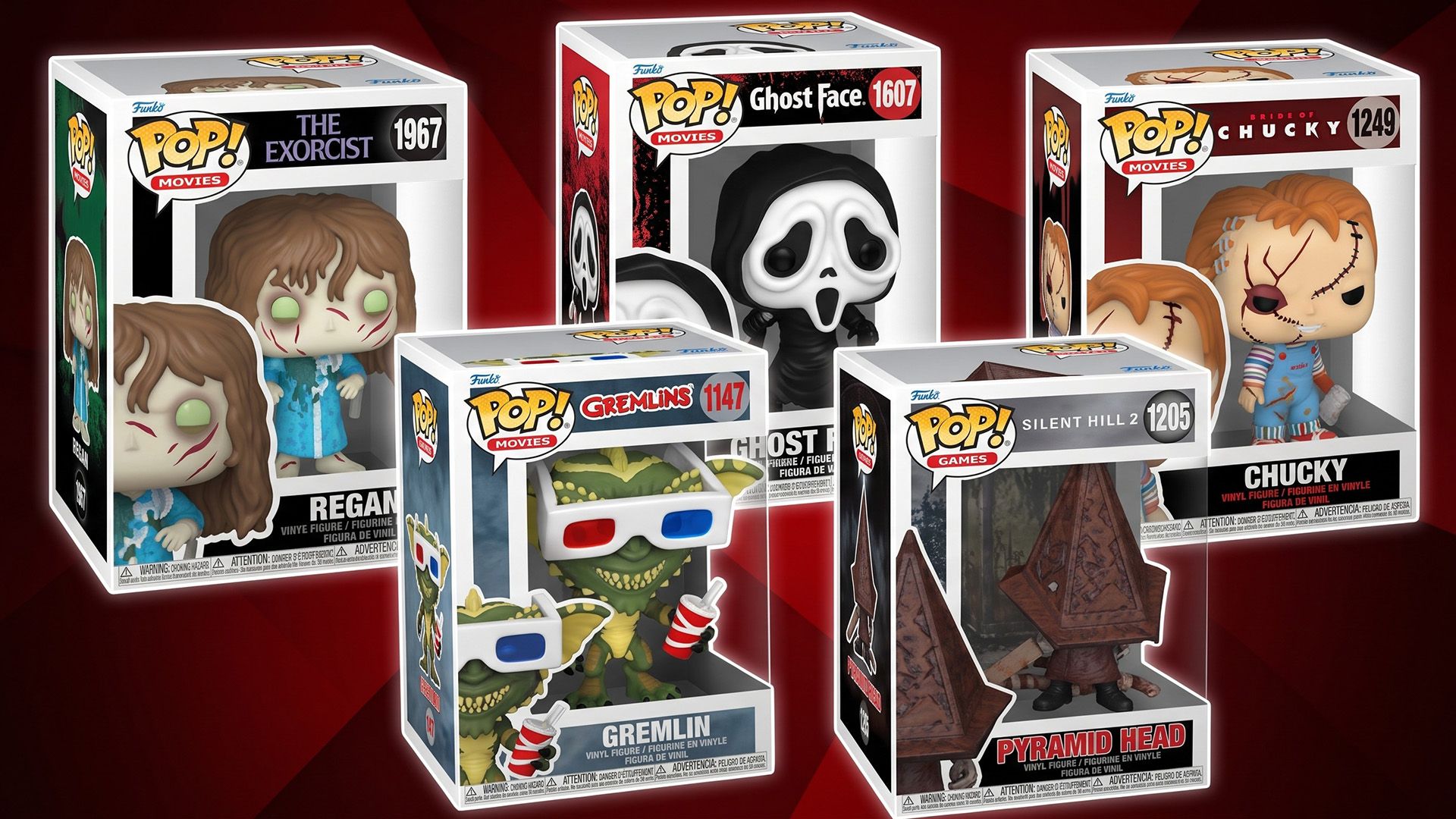
"We approach licensing with the intent of capturing the zeitgeist," a representative from a leading merchandise licensing firm noted in a recent industry brief. "Horror fans are among the most loyal and discerning consumers in the entertainment industry. They demand accuracy in the sculpt, from the specific wear on Ghostface’s mask to the exact color palette of a possessed Regan MacNeil."
By securing licenses for characters from video games like Silent Hill—such as the iconic Pyramid Head—Funko has successfully bridged the divide between interactive media and film, creating a cohesive horror ecosystem that appeals to a diverse range of enthusiasts.
The Cultural Implications of Collectible Horror
The rise of these figures signals a broader shift in how horror is consumed. Once relegated to the fringes of the cinematic landscape, horror is now a mainstream cultural force. The presence of these figures on office desks, bookshelves, and social media feeds serves as a signal of identity, allowing fans to showcase their appreciation for the macabre in a way that is socially acceptable and aesthetically curated.
From a sociological perspective, the collection of these items functions as a form of cultural archiving. Each figure acts as a physical manifestation of a film’s impact on popular culture. By owning a physical representation of an antagonist like Scream’s Ghostface, the collector is not just buying a toy; they are participating in the ongoing history of the horror genre.
Market Accessibility and Future Outlook
Despite the secondary market’s reputation for high-priced, rare "grail" items, the primary market remains highly accessible. Major retailers, led by Amazon, provide a centralized hub for collectors to acquire these figures with relative ease. This accessibility is crucial to the brand’s sustainability. By maintaining a robust supply chain, Funko ensures that new fans can enter the hobby without the barriers of entry that often plague other, more expensive types of memorabilia.
Looking ahead, the industry expects further expansion into international horror markets, including J-horror (Japanese horror) and folk horror, as global streaming platforms continue to break down geographic barriers for horror cinema. As long as there is an audience for terror, there will be a demand for the tangible, pint-sized versions of the monsters that haunt our screens.
Conclusion: The Lasting Appeal
As Halloween nears, the market for horror Funko Pops demonstrates that the genre’s appeal is far from waning. These figures have become modern-day totems, allowing fans to celebrate the dark, the mysterious, and the iconic. Whether one is a seasoned collector with shelves full of vaulted rarities or a casual viewer looking to add a touch of horror to their workspace, the current landscape offers an unprecedented level of choice.
For those looking to start or expand their collection, the variety available via major online retailers ensures that even the most obscure cinematic monsters are now within reach. As the industry continues to evolve, one thing remains certain: the appetite for horror-themed merchandise is as insatiable as the monsters themselves. Whether you are seeking the psychological dread of Silent Hill or the visceral terror of the latest slasher flick, the world of Funko provides a tangible way to keep the spirit of the season alive long after the final credits roll.