Largest Ever iPhone Screen Poised for 2027 Debut as Apple Aims for Visionary "Slab of Glass" Design

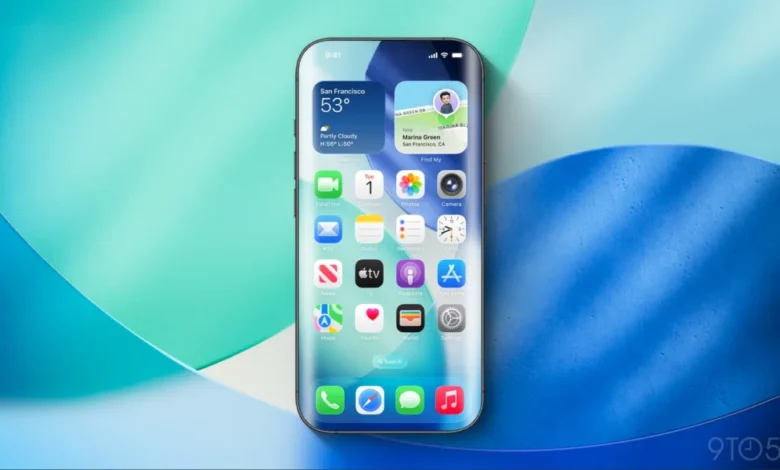
Apple is reportedly trialing its largest ever iPhone display, a development that signals a significant step towards the company’s long-held vision of a device that is essentially "a single slab of glass." According to reputable leaker Digital Chat Station (DCS), supply chain sources indicate that Cupertino is actively testing a new panel measuring 6.96 inches diagonally, which would likely be marketed as a 7-inch display. This potential expansion in screen real estate is anticipated to debut in 2027, a landmark year that marks the iPhone’s 20th anniversary, stirring considerable speculation regarding both the device’s capabilities and its eventual nomenclature.
The Quest for the "Single Slab of Glass": Apple’s Enduring Design Philosophy
Since its inception, Apple has been lauded for its minimalist design principles, striving for elegance and simplicity in its products. The concept of the "single slab of glass" represents the zenith of this philosophy for the iPhone. This vision entails a device where the display dominates the entire front surface, with bezels reduced to an absolute minimum, and crucial components like cameras, sensors, and speakers seamlessly integrated beneath the screen. Such a design would create an immersive, uninterrupted visual experience, blurring the lines between the digital content and the physical device.
Achieving this ambitious goal requires overcoming substantial technological hurdles. Under-display camera technology, for instance, needs to advance significantly to deliver image quality comparable to current notch or Dynamic Island solutions. Similarly, Face ID sensors and ambient light sensors must function flawlessly when obscured by a display panel. Apple has filed numerous patents over the years hinting at various solutions to these challenges, including advanced pixel arrangements and light-bending optics. A larger screen, while seemingly a minor incremental change, plays a pivotal role in this grand design strategy. By maximizing the display area, Apple can create a more expansive canvas, making the eventual disappearance of bezels and physical elements even more impactful, thus drawing users deeper into the digital interface. The incremental increase from the current largest iPhone screen, the 6.9-inch display of the anticipated iPhone 17 Pro Max, to a near 7-inch panel, signifies not just a size upgrade but a strategic move towards a more expansive and immersive user experience, aligning perfectly with the "slab of glass" aesthetic.
Digital Chat Station’s Insights and the Reliability of Supply Chain Leaks
The information regarding the larger display comes from Digital Chat Station (DCS), a leaker with a notable track record for accuracy, particularly concerning Android devices and, increasingly, Apple’s supply chain movements. Leaks originating from the supply chain are often considered more credible than mere speculation, as they stem from manufacturing partners involved in the production of components. These sources typically have early access to specifications, test models, and production roadmaps, making their insights valuable indicators of future product developments.
DCS specifically mentioned a "super-large screen with a physical size of 6.96 inches and a standard size of 7 inches," suggesting that while the precise measurement is slightly under 7 inches, Apple would likely round up for marketing purposes, positioning it as a truly 7-inch iPhone display. This seemingly marginal increase of 0.06 inches (or 0.1 inches if compared to the 6.9-inch iPhone 17 Pro Max) might not sound dramatic on paper, but in the highly competitive smartphone market, even fractional changes in screen size can be leveraged as a significant selling point, especially when coupled with other radical design shifts. The leaker did not provide specific details on the display technology itself, such as resolution, refresh rate, or panel type, but the focus on size strongly implies a push towards maximizing the visual canvas for media consumption, gaming, and productivity.
A Retrospective on iPhone Screen Size Evolution

The iPhone’s journey through screen sizes has been a testament to evolving consumer preferences and technological advancements. The original iPhone, unveiled by Steve Jobs in 2007, featured a modest 3.5-inch display, revolutionary for its multi-touch capabilities at the time. For years, Apple maintained this compact form factor, prioritizing one-handed usability and pocketability.
- 2007-2011 (iPhone 2G to iPhone 4S): All models maintained the iconic 3.5-inch screen.
- 2012 (iPhone 5): Apple introduced its first screen size increase, stretching the display to 4 inches with a taller aspect ratio, accommodating an extra row of app icons while keeping the device narrow enough for comfortable grip.
- 2014 (iPhone 6 and 6 Plus): This year marked a dramatic shift. Apple embraced larger form factors with the 4.7-inch iPhone 6 and the substantially larger 5.5-inch iPhone 6 Plus, responding directly to the "phablet" trend spearheaded by Android manufacturers. This move proved immensely popular, indicating a strong consumer demand for larger displays for media consumption and web browsing.
- 2017 (iPhone X): The 10th-anniversary iPhone X brought a near edge-to-edge 5.8-inch OLED display, significantly increasing screen real estate within a device footprint not much larger than the 4.7-inch models, thanks to the elimination of the home button and reduction of bezels.
- 2018 (iPhone XS Max, XR): Apple introduced the 6.5-inch iPhone XS Max and the 6.1-inch iPhone XR, further solidifying its commitment to larger displays across its product lines.
- 2020 (iPhone 12 Pro Max): The largest flagship grew to 6.7 inches, a size that has largely persisted through subsequent "Pro Max" iterations.
- Anticipated 2025/2026 (iPhone 17 Pro Max): Current rumors suggest this model will push the boundary slightly further to 6.9 inches.
This consistent upward trend underscores Apple’s strategic adaptation to market demands, balancing ergonomic considerations with the desire for more immersive visual experiences. The rumored 7-inch display for 2027 would represent the culmination of this journey, pushing the boundaries to an unprecedented size for a mainstream iPhone model.
The 20th Anniversary iPhone: A Naming Conundrum and Marketing Opportunity
The year 2027 holds immense significance for Apple as it marks two decades since the original iPhone redefined the mobile phone industry. Such a milestone traditionally invites something special from Apple, reminiscent of the iPhone X, which celebrated the 10th anniversary in 2017. The naming convention for this potentially groundbreaking device is currently a subject of intense speculation within the tech community.
Several possibilities are being debated:
-
A Special Standalone Anniversary Edition: Following the precedent of the iPhone X, Apple might release a distinct "iPhone XX" or "iPhone Anniversary Edition" that stands apart from its regular yearly lineup. The iPhone X famously skipped the "iPhone 9" moniker, signifying a radical departure from its predecessors. A similar move in 2027 could highlight the device’s innovative design and premium features, positioning it as a collector’s item or a showcase of Apple’s technological prowess. This approach allows Apple to experiment with bold designs and features without disrupting its established numbering scheme for the main product line.
-
Integration into the Standard Pro Lineup (iPhone 19 Pro/Pro Max): A more pragmatic approach would see the radical new design and larger display simply become the distinguishing features of the next generation’s Pro models. If Apple adheres to its current numbering, these would be the iPhone 19 Pro and iPhone 19 Pro Max. This strategy ensures that the most advanced technologies are immediately accessible to Apple’s premium segment customers and streamlines the product portfolio. It suggests that the "slab of glass" vision, while ambitious, is ready for mainstream adoption within the high-end tier.
-
A Numerical Jump (iPhone 20): A third intriguing possibility is that Apple could choose to skip the "iPhone 19" entirely and jump straight to "iPhone 20." This could be motivated by several factors. Numerically, "19" might not hold the same symbolic weight as "20" for an anniversary. Furthermore, in some cultures, the number 19 can carry less favorable connotations compared to a round, significant number like 20. Such a jump would also serve to emphasize a significant generational leap, signaling a radical redesign and a new era for the iPhone, much like the iPhone X did a decade prior. Digital Chat Station’s own speculation aligns with this, suggesting the display might be destined for an "iPhone 20 Pro Max," further fueling this particular naming theory.
Each naming strategy carries distinct marketing implications. A special anniversary edition would generate immediate buzz and a sense of exclusivity. Integrating the new design into the Pro models would cement their position as the cutting-edge devices. A numerical jump could signify a fresh start and a bold statement about the future direction of the iPhone. Regardless of the chosen name, the 20th anniversary provides an unparalleled opportunity for Apple to unveil a truly transformative iPhone experience.

Technological Advancements and Challenges for a 7-inch iPhone
The introduction of a 7-inch iPhone, especially one designed to embody the "single slab of glass" vision, necessitates significant technological advancements and presents unique challenges across various domains.
-
Display Technology: Beyond sheer size, Apple will likely push the boundaries of display quality. This could include further refinements to LTPO (low-temperature polycrystalline oxide) technology for dynamic refresh rates, improving power efficiency, and potentially even incorporating micro-LED technology for unparalleled brightness, contrast, and color accuracy, although this is a long-term goal. The seamless integration of under-display components demands extremely precise manufacturing tolerances and innovative transparent materials.
-
Battery Life and Power Efficiency: A larger display naturally consumes more power. To maintain or improve current battery life standards, Apple would need to make substantial strides in battery technology (e.g., higher energy density cells) and overall system-on-a-chip (SoC) power efficiency. The integration of advanced power management units and software optimizations will be crucial.
-
Ergonomics and Durability: A 7-inch smartphone pushes the limits of comfortable one-handed use for many users. Apple would need to consider the device’s weight distribution, thickness, and overall form factor to ensure it remains manageable. Furthermore, a device primarily composed of glass, especially one with minimal bezels, raises concerns about durability. Advanced ceramic shields, stronger glass compositions, and innovative frame designs would be paramount to protect against drops and impacts.
-
Software Adaptation and User Experience: A larger screen demands a thoughtful re-evaluation of iOS. Apple would need to optimize its user interface for the expanded canvas, potentially introducing new multitasking gestures, enhanced split-screen capabilities, or redesigned app layouts that leverage the increased space effectively. The interaction model for an all-display front face would also need to evolve, possibly relying more heavily on haptic feedback and advanced gesture controls.
-
Manufacturing Complexities and Supply Chain Management: Producing a high volume of large, sophisticated OLED panels with under-display components presents significant manufacturing challenges. Apple’s ability to secure reliable supply chains and ensure consistent quality at scale will be critical for a successful launch.
Market Implications and the Competitive Landscape
Should Apple release a 7-inch iPhone, it would send a powerful message across the smartphone industry. While Android manufacturers like Samsung, Google, and Xiaomi have offered devices with larger screens (often exceeding 6.7 inches) for years, Apple’s endorsement of this size for its flagship model could further accelerate the trend. It would validate the consumer demand for expansive displays, potentially pushing competitors to innovate further in their own large-screen offerings or to differentiate through other features like foldables.

For Apple, a larger screen reinforces its premium positioning, offering an unparalleled visual experience for content consumption, gaming, and creative tasks. This move could attract users who previously opted for larger Android devices, closing a perceived gap in screen size offerings. However, it also raises questions about pricing, as larger displays and advanced integrated technologies typically translate to higher production costs and, consequently, higher retail prices, potentially pushing the flagship iPhone further into the ultra-premium segment. The broader implication is that Apple continues to refine the traditional smartphone form factor, even as the industry explores novel designs like foldables. By perfecting the "slab of glass" aesthetic with a maximized display, Apple aims to offer a compelling alternative that prioritizes simplicity, elegance, and raw display immersion.
The "Prototype" Caveat: Apple’s Rigorous R&D Process
It is crucial to approach these leaks with a degree of caution, as highlighted by 9to5Mac’s own take. Apple is renowned for its extensive research and development processes, which involve the prototyping and testing of countless designs, technologies, and components that never see the light of day in a consumer product. A component’s existence within Apple’s supply chain as a prototype does not guarantee its eventual market release.
Factors such as manufacturing feasibility, cost implications, unforeseen technical challenges, supply chain constraints, or shifts in market strategy can all lead to a promising prototype being shelved indefinitely. Apple’s internal testing environment is a crucible where only the most robust and consumer-ready innovations survive.
Nevertheless, the fact that a 6.96-inch display is being trialed, combined with the context of the iPhone’s 20th anniversary and Apple’s documented pursuit of the "single slab of glass" vision, makes this particular leak highly plausible. The incremental increase in size perfectly aligns with a strategy of gradually pushing the boundaries of the display, making the final leap to an almost entirely screen-dominated front face more impactful when it arrives. This potential 7-inch display isn’t just about size; it’s a piece of a larger puzzle, a tangible indication that Apple is actively working towards a future where the iPhone transcends its physical form, becoming an immersive window into the digital world.
In conclusion, the prospect of a 7-inch iPhone in 2027 is more than just an incremental screen size upgrade; it represents a significant step in Apple’s ambitious journey to realize its "single slab of glass" design philosophy. While still speculative, the information from reliable supply chain sources, coupled with the symbolic importance of the iPhone’s 20th anniversary, paints a compelling picture of a potentially transformative device. The technological hurdles are substantial, but if overcome, this next-generation iPhone could once again redefine expectations for mobile devices, offering an unparalleled immersive experience and cementing Apple’s legacy of design innovation. The coming years will undoubtedly reveal whether this vision materializes into the "iPhone 20 Pro Max" or another groundbreaking anniversary model.