Volkswagen Group Battery Safety Crisis Widens As Audi Q4 E-Tron Models Added To International Recall Impacting Tens Of Thousands of Electric Vehicles

The automotive industry is facing a growing safety crisis as Volkswagen Group’s sprawling battery defect investigation deepens, now extending its reach to luxury subsidiary Audi. Federal regulatory filings and international announcements reveal that the initial recall impacting Volkswagen’s mass-market electric vehicles has expanded to include thousands of Audi luxury electric crossovers. The underlying technical concern—the risk of thermal propagation and potential battery fires when high-voltage battery packs are charged beyond a specific capacity—has forced manufacturers to implement emergency operational restrictions while engineers scramble to identify the root cause of the manufacturing anomalies.
This widening safety campaign underscores the complex manufacturing and supply chain dependencies inherent in modern electric vehicle production, where shared platforms, battery cell architectures, and electronic management systems mean that a defect discovered in one vehicle line can quickly ripple across multiple brands and global markets.
Scope of the Audi Recall and Emergency Mitigation Measures
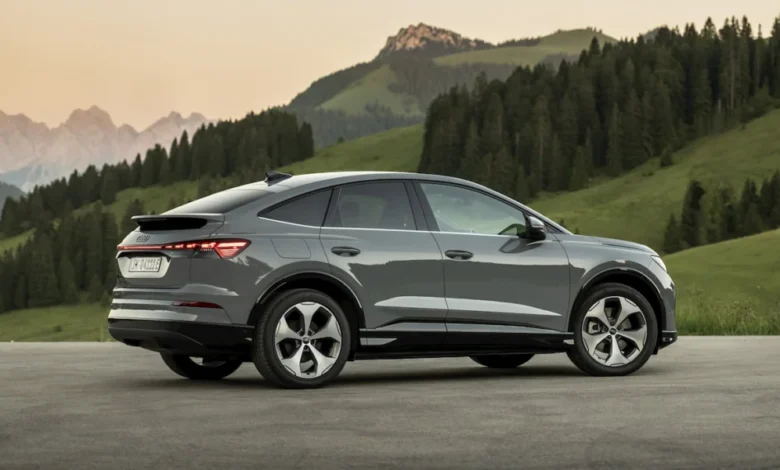
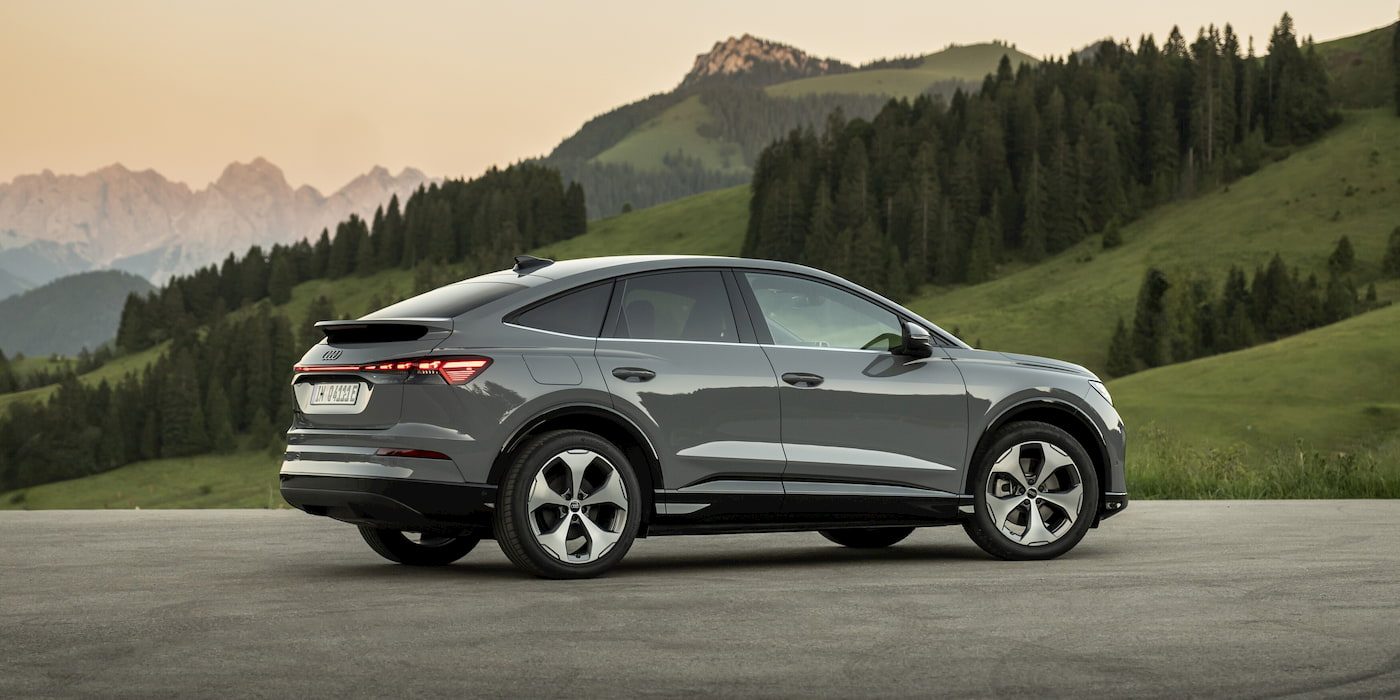
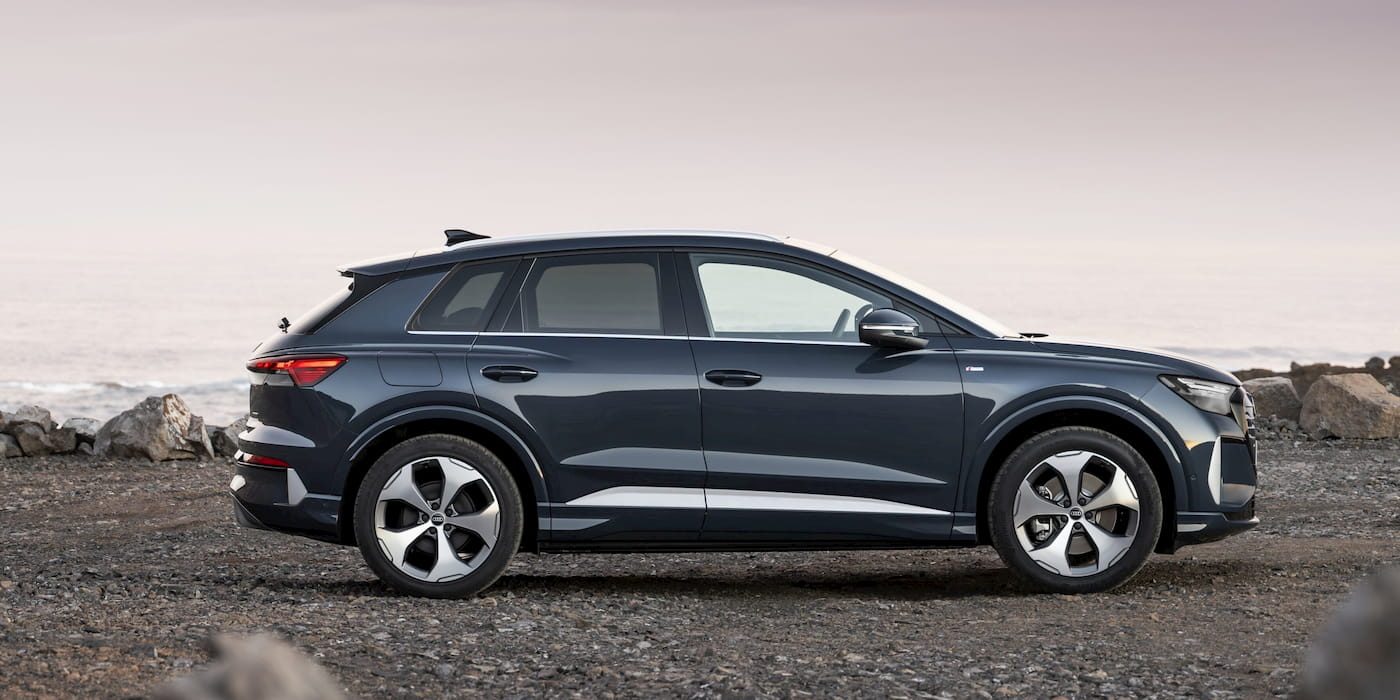
In a formal safety recall report submitted to the United States National Highway Traffic Safety Administration (NHTSA), Volkswagen Group of America confirmed that the safety action now encompasses 9,048 Audi vehicles. Specifically, the campaign targets the 2024 and 2025 model years of the Audi Q4 E-Tron and the sleek Audi Q4 Sportback E-Tron.
According to documentation filed with safety regulators, the investigation into Audi’s luxury compact electric SUVs began after the brand’s Product Safety Committee was briefed on thermal events involving other vehicles within the Volkswagen Group ecosystem. These sibling models share identical battery architectures and production characteristics with the Q4 E-Tron lineup. Subsequent internal reviews conducted by Audi engineering teams confirmed that the battery packs installed in the affected North American market vehicles exhibited the same vulnerable production traits.
To mitigate the immediate risk of thermal propagation—a phenomenon where a single damaged or failing cell undergoes an uncontrolled, self-heating chemical reaction that can cascade to adjacent cells—Audi has deployed a familiar interim directive. Much like the instructions issued to owners of Volkswagen-branded electric vehicles earlier in the month, Audi is strongly advising owners to restrict their daily charging routines, capping the vehicle’s state of charge at a maximum of 80 percent.
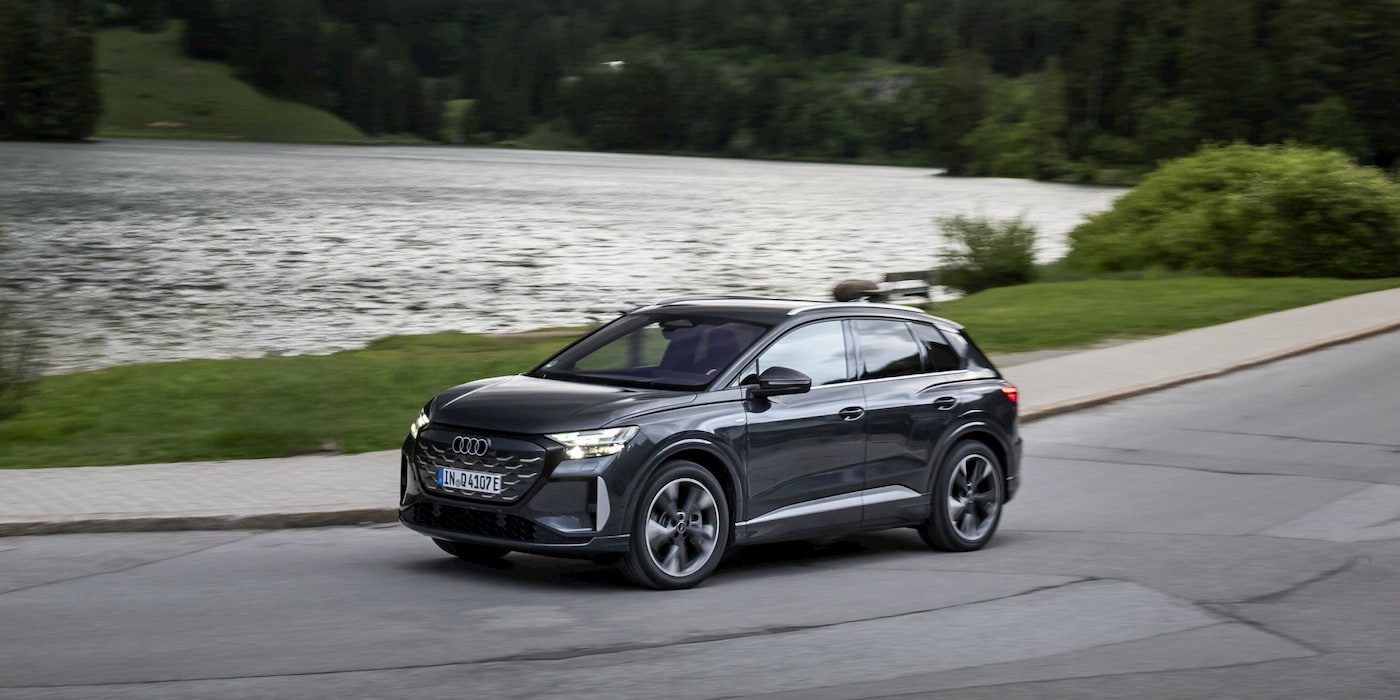
Vehicle owners have been instructed to visit authorized Audi dealerships, where technicians will perform diagnostic evaluations on the high-voltage battery system. When deemed necessary, service departments will install a temporary vehicle setting that electronically enforces the 80 percent charge limit. Audi has confirmed that official interim notification letters detailing these safety risks will be mailed to registered owners on December 18, 2026, with subsequent communications to follow once a permanent engineering remedy is finalized. Audi has officially designated this safety campaign under recall number 93SK, while the NHTSA tracking identifier is cataloged as 26V698. Crucially, the automaker reports that it has not received any consumer complaints, warranty claims, crashes, property damage, injuries, or fatalities linked to the battery defect on the Q4 E-Tron platform.
Chronology of the Volkswagen Group Battery Crisis
The inclusion of Audi vehicles is the latest development in a rapidly unfolding safety narrative that began earlier in the month with core Volkswagen brand models. A chronological examination of the crisis reveals how quickly the scope of the recall has expanded across international jurisdictions:
- Early October 2026: Volkswagen Group issues a safety recall affecting 22,524 ID.4 electric SUVs spanning the 2023 through 2026 model years in the United States. Owners are warned that specific charging profiles paired with states of charge exceeding 80 percent can trigger thermal propagation. Volkswagen attempts to deploy remote or dealer-installed temporary software limitations, allowing consumers a brief opt-out window that closed on October 21.
- Mid-October 2026: The safety crisis crosses the Atlantic as Volkswagen Group files three separate recall notices with the German Federal Motor Transport Authority (Kraftfahrt-Bundesamt, or KBA). This international action brings the global tally to 72,668 electric vehicles, including nearly 9,881 units registered within Germany alone. The European filings encompass specific production batches of the ID. Buzz, ID.3, ID.4, and ID.7 models manufactured between 2022 and 2025, alongside Cupra Born vehicles produced from 2022 to 2024.
- Late October 2026: Audi’s internal safety committees complete their evaluations after discovering shared battery characteristics with the broader Volkswagen Group fleet. On October 23, Volkswagen Group of America formally submits the Audi Q4 E-Tron recall notification to the NHTSA, adding 9,048 luxury crossovers to the remediation list.
Technical Background and Regulatory Oversight
At the heart of the crisis is the complex science of lithium-ion battery management and chemistry. Modern electric vehicle batteries operate under stringent thermal and electrical parameters. When certain manufacturing inconsistencies occur within specific batches of battery cells, internal micro-shorts or localized degradation can develop.
According to safety filings submitted to the NHTSA, certain charging profiles—particularly those that maintain high voltage states for extended periods—can exacerbate these underlying vulnerabilities, ultimately triggering thermal propagation. When thermal runaway occurs within a single cell, temperatures can escalate rapidly, generating flammable gases and intense heat that can breach module barriers if not properly contained or managed by the vehicle’s cooling and electronic safety systems.
Regulatory bodies such as the NHTSA and the KBA play a critical role in monitoring these complex systems. While automakers are permitted to issue interim safety advisories—such as voluntary capacity limitations—federal regulations mandate that manufacturers must eventually provide a permanent, physical or software-based remedy at no cost to the consumer. Because the root cause of the defect remains under active investigation by Volkswagen and its cell suppliers, engineers are still developing the precise permanent fix required to restore full, unrestricted charging capabilities to the affected fleet.
Broader Economic and Market Implications
The expansion of the battery recall to include Audi models highlights the profound economic and operational challenges facing traditional legacy automakers as they transition to full electrification. Utilizing shared modular architectures—such as Volkswagen’s MEB platform, which underpins the ID.4, ID.3, ID. Buzz, and the Audi Q4 E-Tron—offers massive economies of scale during the design and manufacturing phases. However, as this current safety event demonstrates, a systemic defect within a shared component supplier network can simultaneously jeopardize multiple vehicle lines across distinct market segments, from mainstream family crossovers to luxury vehicles.

For consumers, the mandatory 80 percent charge limit introduces a temporary inconvenience, directly impacting the daily driving range and utility of their electric vehicles. While this restriction is a necessary precaution to mitigate fire risks, it temporarily degrades the user experience and tests consumer confidence in emerging electric vehicle technologies.
Furthermore, the logistical burden placed on dealership networks is substantial. Authorized service centers across North America and Europe must manage thousands of diagnostic appointments, software updates, and potential hardware inspections while simultaneously maintaining clear communication channels with anxious vehicle owners. As regulatory scrutiny intensifies worldwide, Volkswagen Group faces the ongoing challenge of restoring absolute confidence in the safety, reliability, and long-term durability of its expanding electric vehicle portfolio.