Bandai Namco Shuts Down Reflector Entertainment Two Years After the Release of Unknown 9 Awakening

Bandai Namco has officially announced the dissolution and liquidation of Reflector Entertainment, the Montreal-based development studio it acquired in late 2020. The decision, detailed in an official corporate notice released by the parent company, marks a definitive end for the studio, which spent years attempting to carve out a distinct space in the AAA and AA gaming landscapes with its ambitious, multi-platform intellectual property.
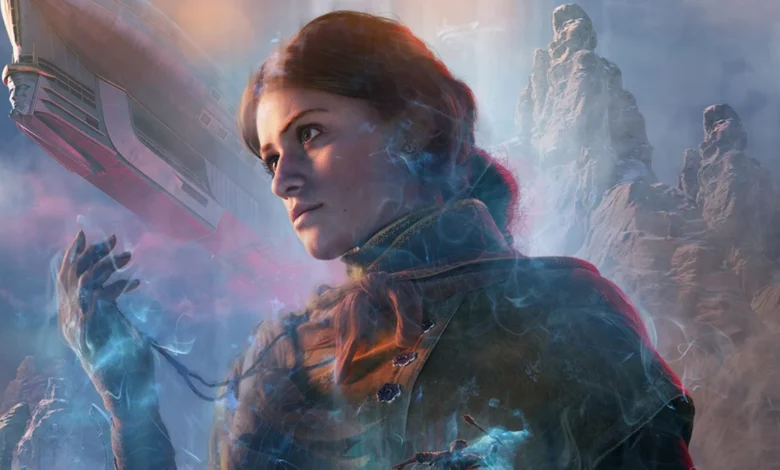
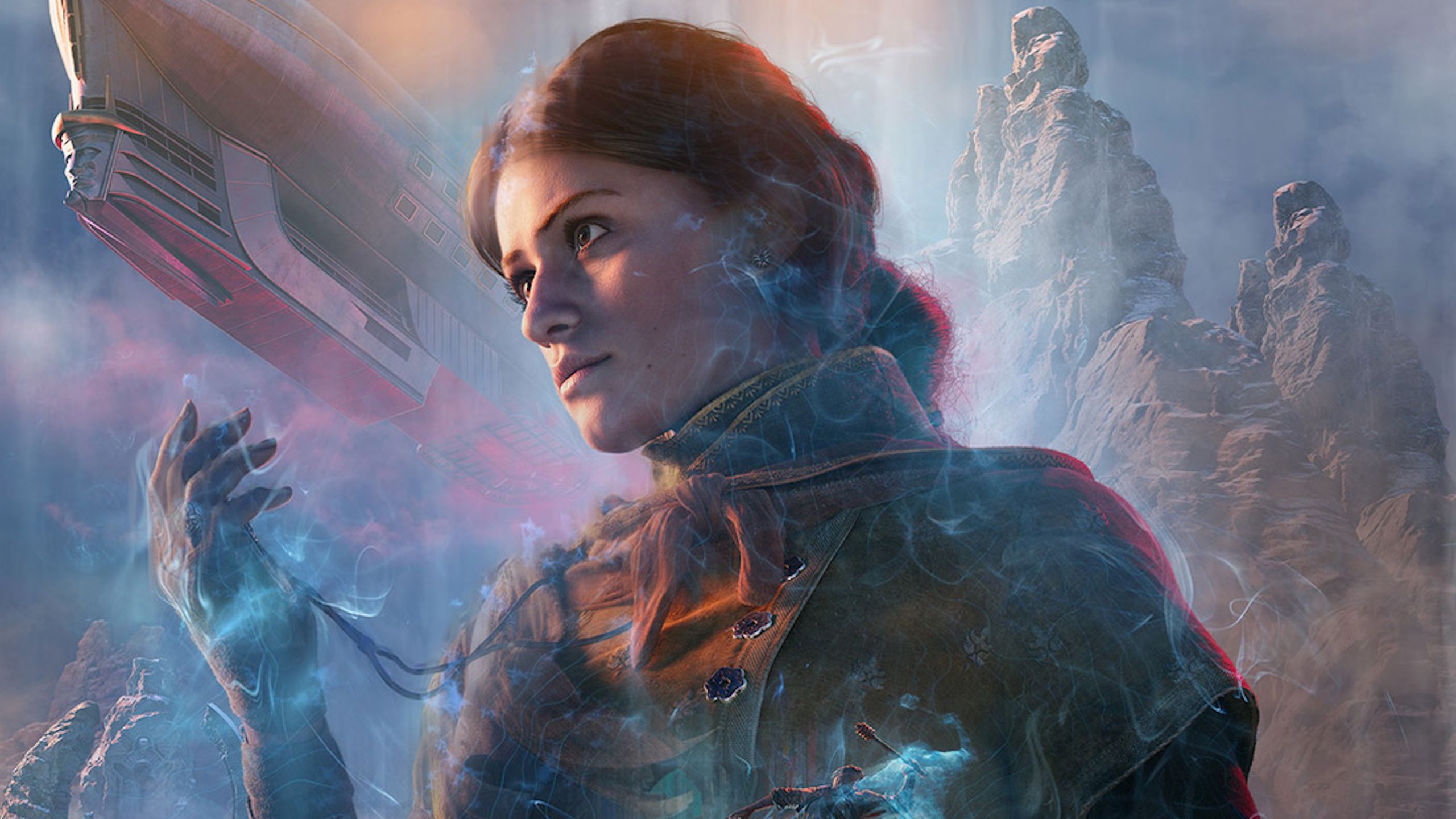
The closure comes just two years after the release of the studio’s debut title, Unknown 9: Awakening, an action-adventure game fronted by The Witcher star Anya Chalotra. According to Bandai Namco’s corporate filing, the resolution to dissolve the consolidated subsidiary was reached after a rigorous evaluation of future business plans, the necessity of substantial additional investments, and the realistic viability of profitability and operational continuation in an increasingly competitive global market.
The winding down of Reflector Entertainment will proceed through standard legal channels, though a definitive, final timeline for the complete closure of the studio’s physical and digital operations has not yet been publicly established. This corporate action underscores the immense financial pressures facing mid-to-large-scale game developers, where a single underperforming product can trigger cascading organizational failures.
A Chronology of Ambition and Decline
The trajectory of Reflector Entertainment serves as a cautionary tale within the modern video game industry, illustrating the high-stakes gamble of launching new, unproven intellectual properties. Founded in Montreal in 2016 by veteran creators including Alexandre Amancio—who previously worked on major franchises at Ubisoft—the studio positioned itself from the outset as a transmedia storytelling powerhouse. The overarching vision for "Unknown 9" was never confined solely to interactive software; instead, the universe was designed to span comic books, podcasts, novels, and video games simultaneously.
In late 2020, sensing the potential of this expansive narrative ecosystem, Bandai Namco Europe acquired Reflector Entertainment, bringing the studio under its corporate umbrella to accelerate the development of its flagship video game project. For several years, anticipation grew as the studio teased a rich lore centered around a mysterious hidden dimension known as the "Fold" and a secret society of humans capable of manipulating it.
When Unknown 9: Awakening finally launched in October 2024, it was met with a mixed-to-lukewarm critical and commercial reception. Early previews had praised the game for its nostalgic adherence to the linear, set-piece-heavy, narrative-driven action-adventure titles reminiscent of the Xbox 360 and PlayStation 3 era. However, upon release, the title struggled to capture a broad audience. Critics and players pointed to technical inconsistencies, dated gameplay mechanics, and a lack of distinctive market positioning as primary hurdles that prevented the game from standing out in a crowded release calendar.
The financial fallout was swift and severe. Just one month after the game hit store shelves, Reflector Entertainment implemented its first major round of layoffs, parting ways with approximately 18% of its workforce in an effort to restructure and stabilize operations. The contraction proved insufficient. By January 2025, merely three months after the initial downsizing, the studio announced a second, deeper wave of layoffs alongside the outright cancellation of an in-development follow-up project.
At the time of those early 2025 cuts, Reflector CEO Herve Hoerdt candidly acknowledged the root cause of the crisis, stating that the decisions correlated directly with the commercial failure of the studio’s inaugural project. Hoerdt admitted that Unknown 9: Awakening had fallen significantly short of Bandai Namco’s internal performance expectations. Despite subsequent attempts by leadership to pivot or salvage the studio’s pipeline during pre-production reviews, market conditions and the sheer scale of reinvestment required proved insurmountable.
Official Responses and Corporate Realities
The formal announcement of the shutdown has brought closure to months of speculation surrounding the studio’s viability. In a final message posted to professional networking and social media platforms, leadership at Reflector Entertainment addressed the community and its remaining staff, explaining the grim reality behind the closure.
According to the studio’s official statement, executive leadership and Bandai Namco meticulously reviewed the progress of their latest concepts in pre-production, weighed the long-term capital requirements for future development, and assessed prevailing macroeconomic and industry-wide market conditions. The conclusion reached by the Japanese parent company was unequivocal: it could not fiscally justify sustaining several more years of high-risk investment into an enterprise that had failed to establish a sustainable consumer base.
Bandai Namco’s corporate disclosure emphasized that the liquidation process will adhere strictly to local Canadian labor and corporate laws. While the primary focus of the notice remains financial and administrative, the human cost of the closure has been a central point of discussion within the broader game development community. The dissolution of Reflector directly impacts dozens of developers, artists, writers, and technical specialists who remained with the studio through its tumultuous final year.
Broader Industry Implications and the Fate of Mid-Tier Development
The closure of Reflector Entertainment is not an isolated incident; rather, it reflects a broader, systemic trend currently reshaping the global interactive entertainment sector. Over the past several years, the gaming industry has experienced a severe market correction following the hyper-growth period seen during the COVID-19 pandemic. Publishers across the globe are increasingly risk-averse, pulling back funding from untested intellectual properties and refocusing their capital on established, reliable mega-franchises with guaranteed multi-million-unit sales potentials.
The downfall of "Unknown 9" highlights the perilous nature of the "AA" development tier—games that sit between independent productions and massive, nine-figure AAA blockbusters. While players frequently voice a desire for tighter, more focused, linear narrative experiences that do not demand a hundred-hour time commitment, the financial realities of modern development budgets often make these projects economically unviable if they fail to capture immediate mainstream attention. Rising production costs, combined with inflated marketing expenditures required to cut through digital noise, mean that mid-budget titles have an increasingly narrow margin for error.
Furthermore, Reflector’s transmedia strategy—attempting to launch a brand-new universe simultaneously across books, podcasts, and video games—serves as a high-risk blueprint that many analysts view with renewed skepticism. While historical successes like Media Franchise development have worked for established giants, trying to build an interconnected cinematic universe from scratch without a foundational, wildly successful anchor product often dilutes focus and stretches development resources thin.
As Reflector Entertainment officially closes its doors and its assets are absorbed or archived by Bandai Namco, the legacy of Unknown 9: Awakening will likely be remembered as a cautionary case study in modern publishing. It stands as a reminder of the immense difficulty of launching new lore-heavy intellectual properties in an era where consumer attention is fiercely contested, and corporate patience for underperforming assets has grown razor-thin. For the Montreal development scene, the loss of Reflector represents another significant blow to a historically vibrant hub of creative talent, leaving dozens of industry professionals searching for stability in an increasingly volatile job market.