
Netflix Is Rolling Out a New AI Discover Tab to Change How You Find Your Next Favorite Movie or Show


Netflix officially announced on November 3 that it has begun deploying a new feature titled AI Discover, a strategic initiative designed to overhaul the user experience by leveraging artificial intelligence to facilitate content discovery. Currently appearing as an experimental tab on supported television interfaces, the feature moves away from the traditional, algorithm-heavy row system toward a theme-based, interactive recommendation engine. This development represents the latest step in a multi-year effort by the streaming giant to integrate generative artificial intelligence into its platform, moving beyond simple predictive modeling to more dynamic, user-responsive content curation.
Understanding the AI Discover Mechanism
The core functionality of the AI Discover tab is centered on thematic navigation. Rather than presenting a static grid of "Top Picks for You," the interface invites users to engage with specific moods or categories. Early versions of the tool include prompts such as "Scare Me," "Family Movie Night," and "Quick Watches." When a user selects a theme, the AI presents a tailored list of content, frequently accompanied by video clips to provide immediate context for the recommendation.
For users who find the initial set of themes misaligned with their current interests, Netflix has included a "Something Different" button, which refreshes the selection, effectively acting as an iterative search function. Furthermore, the company has integrated a "Tune Your Recommendations" feature, allowing users to actively curate their feed by keeping specific suggestions or removing unwanted titles. This feedback loop is essential to the feature’s design; Netflix describes the current iteration as a "test kitchen," explicitly stating that user interaction and feedback will dictate whether specific features are refined, discarded, or fully integrated into the global Netflix UI.

The Evolution of Netflix’s AI Strategy
The launch of AI Discover is the latest chapter in a long-standing technological evolution at Netflix. Since its inception as a DVD-by-mail service, Netflix has maintained a competitive advantage through its recommendation algorithms, which were famously the subject of the "Netflix Prize" in 2006. However, the move toward generative AI marks a fundamental shift from simple collaborative filtering to more complex, human-like contextual understanding.
The chronology of this shift can be traced through several key milestones over the last eighteen months:
- Early 2024: Netflix began testing AI-driven enhancements to its internal production tools, focusing on streamlining workflows for original content creators.
- Mid-2024: The company released a research model known as VOID (Video Object Inpainting and Denoising). Functioning similarly to advanced image-editing software like Google’s "Magic Eraser," VOID allows for high-fidelity manipulation of video assets. While primarily a research tool, it signaled Netflix’s intent to lead in generative video processing.
- Late 2024/Early 2025: Reports surfaced regarding Netflix’s interest in generative AI-powered advertisements. These ads were intended to be hyper-personalized, reducing the perceived intrusiveness of commercials by tailoring the narrative flow to the viewer’s demographic and watch history.
- July 2026: Industry reports indicated that more than 300 Netflix titles had incorporated some form of generative AI in their development or production pipeline, ranging from script assistance to visual effects, signaling that AI is no longer a peripheral experiment but a core pillar of production.
Data-Driven Personalization and Market Implications
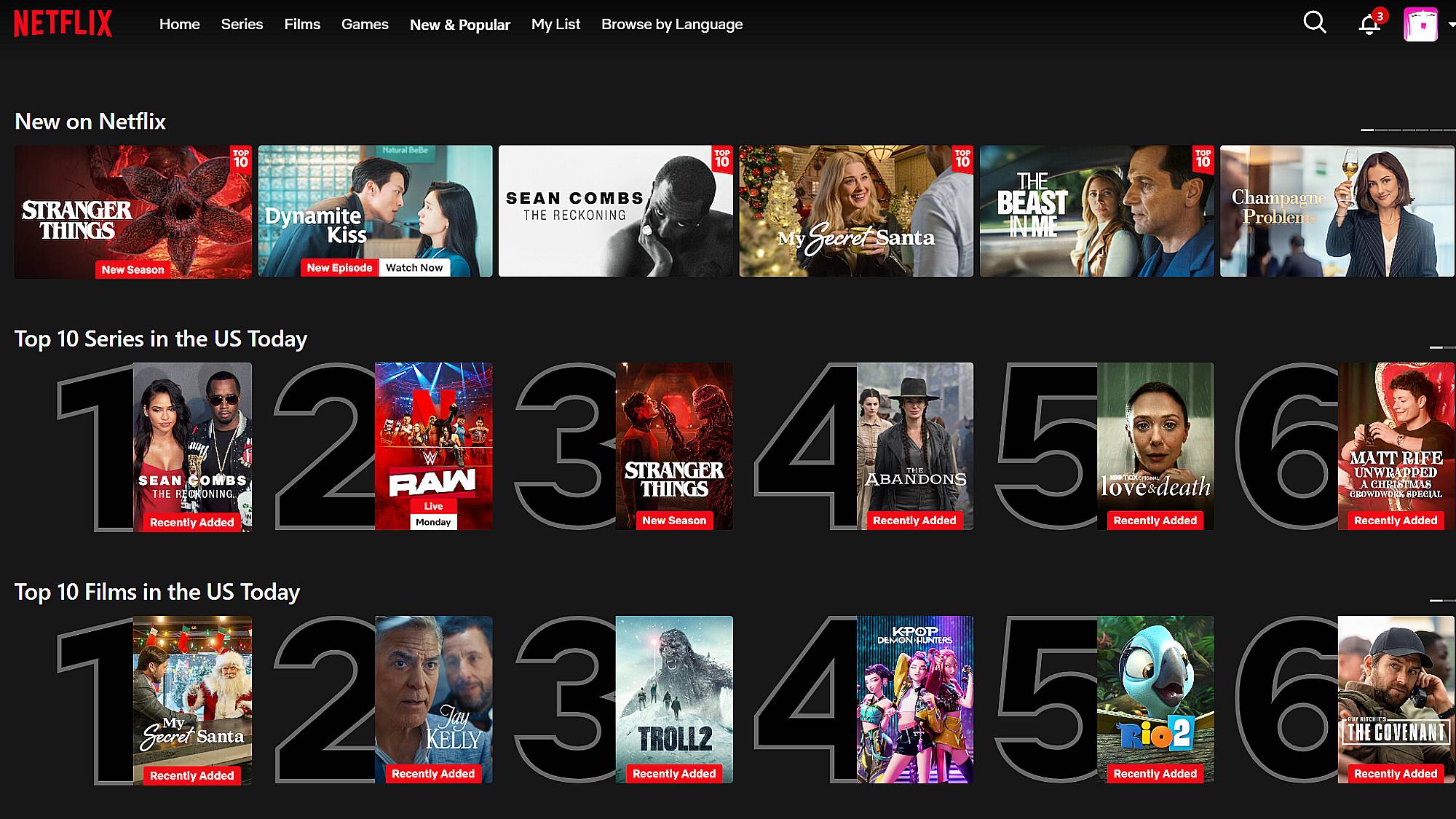
The move to integrate AI into the discovery phase is not merely about user convenience; it is a critical response to the "paradox of choice" that plagues modern streaming services. With thousands of titles available, subscribers often suffer from decision fatigue, which can lead to higher churn rates. By using AI to curate based on mood—a qualitative metric—Netflix aims to reduce the time a user spends scrolling, thereby increasing "time spent on platform," a primary KPI for all subscription-based services.
Industry analysts suggest that this shift is essential for Netflix to maintain its dominance in a saturated market. With competitors like Disney+, Amazon Prime Video, and Max aggressively investing in their own tech stacks, the ability to serve content that feels "hand-picked" is a significant competitive differentiator. By soliciting user feedback through the "Tune Your Recommendations" feature, Netflix is essentially crowdsourcing the training data required to make its future models more accurate.

Challenges and Limitations
Despite the technical ambition, the rollout of AI Discover faces practical hurdles. As of early November, the feature is limited to English-language profiles in the United States and is restricted to specific, high-end television hardware. Field testing on older devices, such as older Sony Bravia models and standard Roku streaming sticks, has shown that the feature is not yet universally compatible. This fragmentation creates a tiered experience, where the most advanced discovery tools are restricted to users with the latest hardware, potentially alienating a portion of the subscriber base.
Furthermore, the integration of AI into consumer-facing features remains a sensitive topic. While Netflix frames AI Discover as a "test kitchen," there is ongoing scrutiny regarding how much of the platform’s interface will eventually be automated. Privacy advocates and industry observers are watching closely to see how user feedback—specifically which shows are "removed" from recommendations—is utilized in the company’s broader data-mining operations.
Future Outlook and Official Stance
Netflix has been notably transparent about its experimental approach to this rollout. By categorizing the AI Discover tab as an exploration rather than a finished product, the company mitigates the risk of negative reception while simultaneously priming the audience for a more AI-integrated interface. The company’s stated goal remains consistent: to help users find the "next great story" with as little friction as possible.
As the company collects data from the initial rollout, industry experts expect a broader, international deployment by mid-2027. If the "test kitchen" phase proves successful in increasing viewer engagement, the themes and mood-based discovery logic will likely replace the legacy "Trending Now" rows that have defined the Netflix homepage for over a decade.
Conclusion
The introduction of the AI Discover tab marks a pivotal moment for the world’s largest streaming service. By moving away from rigid categorization and toward mood-based, interactive curation, Netflix is attempting to solve the fundamental problem of digital content abundance. Whether this experiment will successfully transition into a permanent, industry-standard feature depends on the company’s ability to maintain the high quality of its recommendations while ensuring the interface remains intuitive for the average user. As Netflix continues to integrate generative AI into everything from the content production pipeline to the user interface, the line between human-led curation and machine-led discovery will continue to blur, setting a new standard for the future of entertainment technology.
Subscribers are encouraged to monitor their television interfaces for the distinctive red "Discover" gem icon, which serves as the entry point for this new, experimental layer of the platform. As the rollout progresses, the continued feedback from the user base will serve as the primary catalyst for the evolution of this technology, ensuring that the "recipes" in Netflix’s test kitchen remain relevant in an ever-changing media landscape.