Bambu Lab P1S Combo 3D Printer Receives Rare Price Cut to $479.99 at Best Buy, Offering Beginner-Friendly Multicolor Capabilities

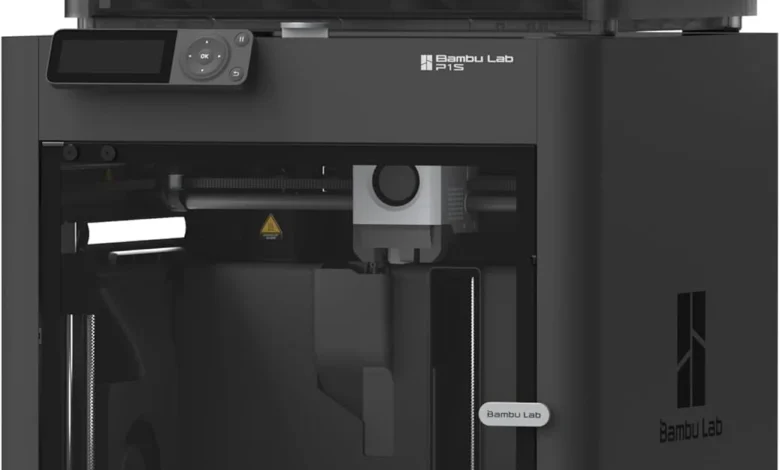
The consumer 3D printing landscape has experienced a significant shift in accessibility and pricing following a newly announced retail discount on one of the industry’s most acclaimed hardware bundles. Best Buy has slashed the price of the Bambu Lab P1S Combo—which pairs the high-performance enclosed 3D printer with the company’s proprietary Automatic Material System (AMS) color printing module—to $479.99. The promotion marks a $70 reduction from its standard retail price of $549.99, presenting a compelling entry point for both hobbyists and professionals looking to adopt advanced additive manufacturing technologies without bearing the full cost usually associated with turnkey multicolor ecosystems.
This price adjustment arrives as major consumer tech retailers increasingly target the burgeoning creator economy, positioning sophisticated manufacturing tools as approachable consumer appliances rather than strictly industrial machinery. By bundling the core printing hardware with the AMS unit, the offering addresses one of the historical friction points of desktop 3D printing: the labor-intensive and technically challenging nature of multi-material and multicolor alignment.
Evolution of Desktop Additive Manufacturing
To understand the significance of hardware packages like the Bambu Lab P1S Combo, it is necessary to examine the rapid evolution of consumer-grade 3D printers over the past decade. For years, the entry-level market was dominated by open-frame, bed-slinger style Cartesian printers that required extensive manual calibration, persistent tinkering, and advanced troubleshooting knowledge from the user. While these machines served as foundational tools for early adopters, their reliability and speed often presented insurmountable barriers for casual users or professionals needing rapid prototyping solutions.
The landscape shifted dramatically around 2022 and 2023 with the introduction of CoreXY kinematics to the consumer tier. CoreXY architecture allows for significantly faster print speeds and higher acceleration rates by keeping the print bed stationary on the Z-axis while utilizing a lightweight gantry system for X and Y movements. Manufacturers like Bambu Lab capitalized on this structural innovation by integrating closed-loop feedback systems, vibration compensation, automatic bed leveling, and integrated artificial intelligence camera monitoring.
The introduction of the AMS further redefined expectations. Traditional multicolor printing required either manual filament swaps during a print job or expensive, complex multi-extruder setups prone to mechanical failure. The AMS solved this by housing multiple filament spools in an automated, dry-box-enabled unit that feeds various filaments through a single nozzle via a synchronized buffer system. This technology transformed complex, multi-day artistic and functional multicolor prints into automated, hands-off operations.
Product Overview and Specifications
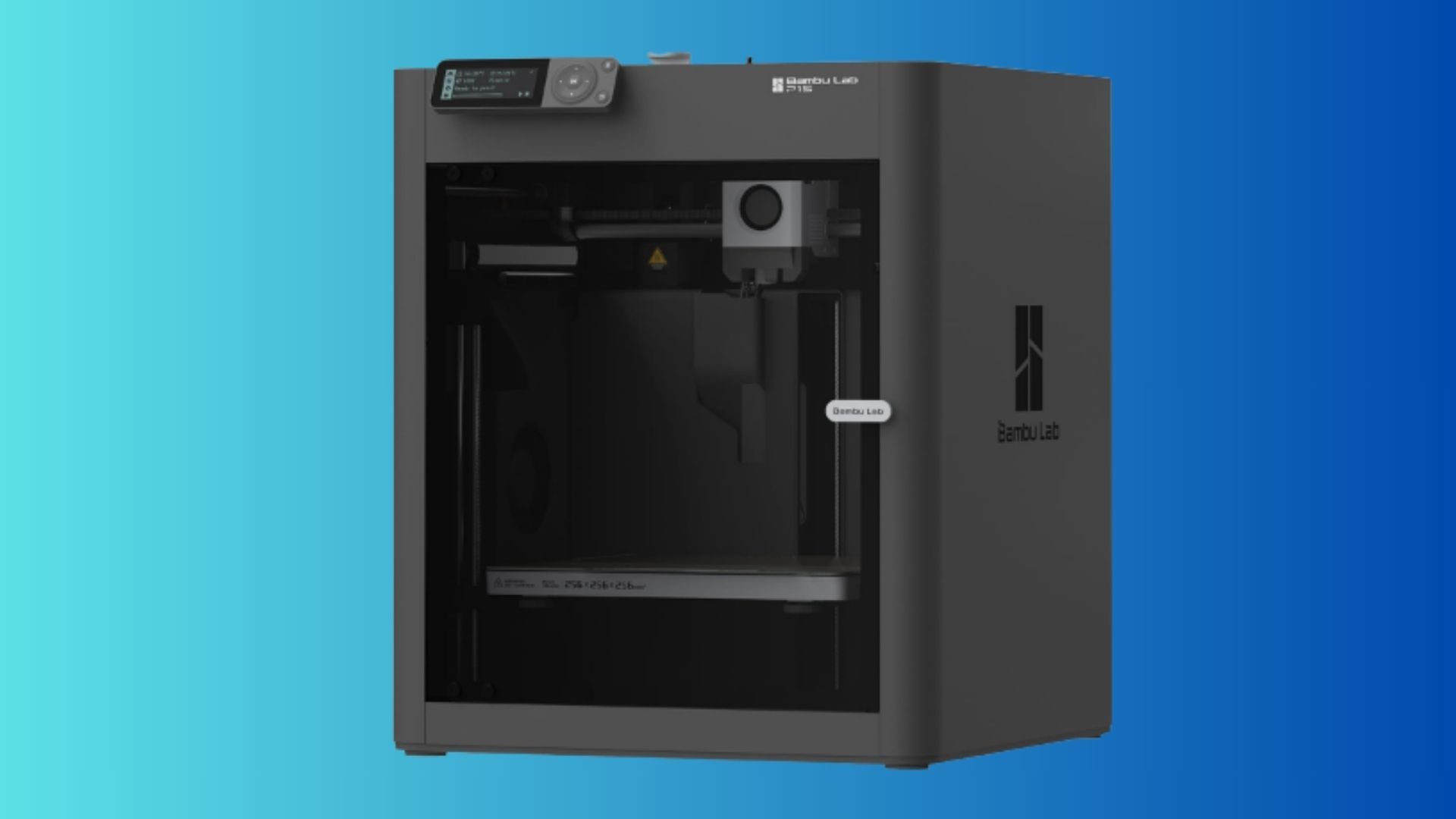
The Bambu Lab P1S inherits the core DNA of the company’s flagship X1 series while targeting a more accessible price point through strategic material choices. Unlike its predecessor, the P1P (which featured an open frame), the P1S is fully enclosed with glass and plastic panels. This enclosure is crucial for printing high-temperature engineering filaments such as ABS, ASA, PC, and nylon, as it maintains a stable internal ambient temperature and mitigates warping caused by drafts.
Key technical specifications of the Bambu Lab P1S include:
- Build Volume: 256 × 256 × 256 mm, accommodating a wide variety of functional parts and decorative models.
- Maximum Print Speed: Up to 500 mm/s, supported by advanced vibration compensation and pressure advance algorithms.
- Hotend Temperature: Up to 300°C, enabling the processing of standard consumer filaments (PLA, PETG, TPU) alongside engineering-grade materials.
- Chassis Design: Fully enclosed CoreXY architecture designed for high-speed precision and thermal regulation.
- Smart Features: Semi-automatic calibration, filament runout sensors, power-loss recovery, and optional AI-assisted print failure detection.
The accompanying AMS unit expands the machine’s capabilities exponentially. Each AMS unit can hold up to four spools of filament, and advanced users can chain multiple units together to handle even larger material pools. The system features active humidity management to protect moisture-sensitive filaments like PVA and nylon, ensuring consistent extrusion quality throughout long print sessions.
Market Context and Competitive Landscape
The current promotional pricing at Best Buy places intense pressure on competing hardware manufacturers in the sub-$600 market segment. Brands such as Creality, Prusa Research, AnkerMake, and Flashforge have all introduced high-speed CoreXY or automated multi-material solutions over the past two years, leading to a fiercely competitive pricing war.
Industry analysts note that price reductions on proven, award-winning hardware bundles typically indicate manufacturers’ efforts to capture market share ahead of upcoming product refreshes or to solidify their ecosystem dominance. By encouraging users to adopt the Bambu Lab hardware and AMS ecosystem, the company builds long-term brand loyalty, driving downstream sales of proprietary filament refills, replacement parts, and accessories.
Furthermore, the availability of these advanced systems through major mainstream electronics retailers like Best Buy reflects a broader retail trend. 3D printers have transitioned from niche hobbyist forums and direct-to-consumer online warehouses into the physical aisles and primary web catalogs of general consumer electronics suppliers. This shift demands that hardware must be reliably "plug-and-play" out of the box, reducing technical support burdens on both retailers and manufacturers.
Industry Implications and Consumer Guidance
The proliferation of high-speed, enclosed, multicolor 3D printers at reduced price points carries several implications for education, small businesses, and individual creators.
For educational institutions—ranging from K-12 STEM classrooms to university engineering departments—the reduction in cost makes it feasible to deploy reliable prototyping farms. Teachers and students can spend less time troubleshooting mechanical misalignment or calibrating first layers and more time focusing on computer-aided design (CAD), iterative engineering, and creative execution.
For small businesses, independent designers, and micro-manufacturers, machines like the P1S Combo lower the capital expenditure required to bring small-batch custom products to market. Whether producing bespoke enclosures for electronics, architectural scale models, or intricate tabletop gaming miniatures, the combination of high-speed CoreXY printing and automated material switching dramatically shortens product development cycles.
However, industry experts advise prospective buyers to consider their specific operational needs before making a purchase. While the P1S and AMS bundle excels in speed, convenience, and multicolor aesthetics, users working exclusively with standard PLA for simple structural parts may find simpler, open-frame printers sufficient. Conversely, those intending to print industrial-grade engineering polymers must ensure adequate room ventilation, as enclosed printers processing materials like ABS or ASA still require proper management of volatile organic compounds (VOCs) and ultrafine particles.
Purchasing Details and Availability
The $479.99 promotional pricing for the Bambu Lab P1S Combo is currently active via Best Buy’s online storefront and select retail locations, reflecting a $70 discount from the standard $549.99 MSRP. Given historical trends regarding consumer electronics promotional cycles, retailers have not disclosed a definitive end date for the discount, meaning inventory levels and pricing remain subject to market demand and available stock.
As the boundary between industrial manufacturing and desktop fabrication continues to blur, hardware promotions of this nature underscore how rapidly advanced manufacturing capabilities are becoming standard equipment for modern creative workspaces.