Capturing the Ethereal: A Photographer’s Journey into Light Streaks and Dementor-Inspired Portraits

The year 2004 marked a cinematic milestone with the release of "Harry Potter and the Prisoner of Azkaban." For many, this installment introduced the chilling presence of the Dementors, those soul-sucking wraiths whose on-screen depiction, particularly the Dementor’s Kiss, left an indelible mark on a generation. Beyond its narrative impact, the film inadvertently offered a compelling visual case study in harnessing minimal resources to create striking, streaked portraits. This evocative imagery served as an unlikely inspiration for a recent exploration into a less conventional, yet remarkably effective, photographic technique.
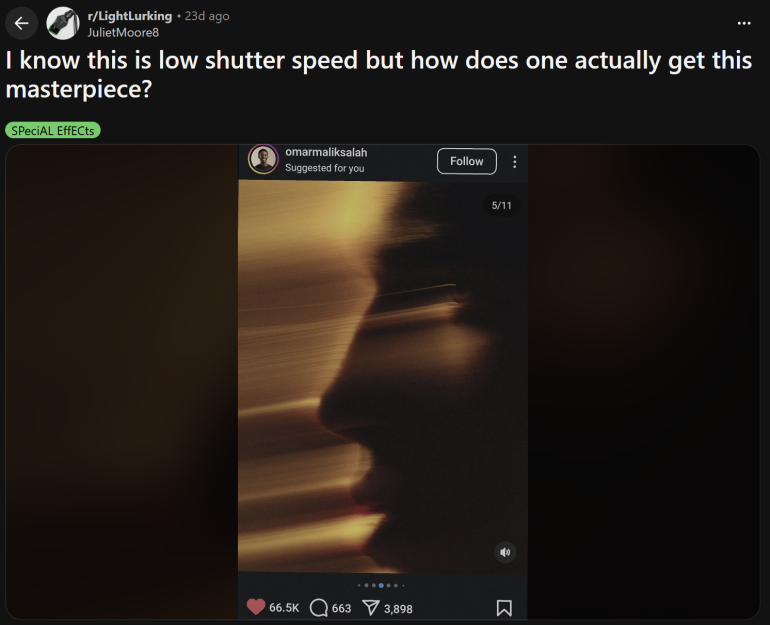
The genesis of this particular photographic endeavor can be traced back to a discussion sparked by Chief Editor Chris Gampat. He shared a post from the Reddit community r/LightLurking, where user u/JulietMoore8 showcased a photographer’s innovative use of video lights to achieve captivating streak portraits. Intrigued by the potential for creating such ethereal effects with minimal setup, the author embarked on a journey to replicate this technique, drawing parallels to the atmospheric artistry seen in the Harry Potter film.
The Quest for Streaked Portraits: Initial Attempts and Challenges
The initial approach to replicating the streaked portrait effect was met with both promise and significant challenges. Lacking a dedicated studio setup and professional video lights, the author relied on existing equipment and ingenuity. The first attempt involved using a Godox iT30 flash to photograph a subject, the author’s brother.
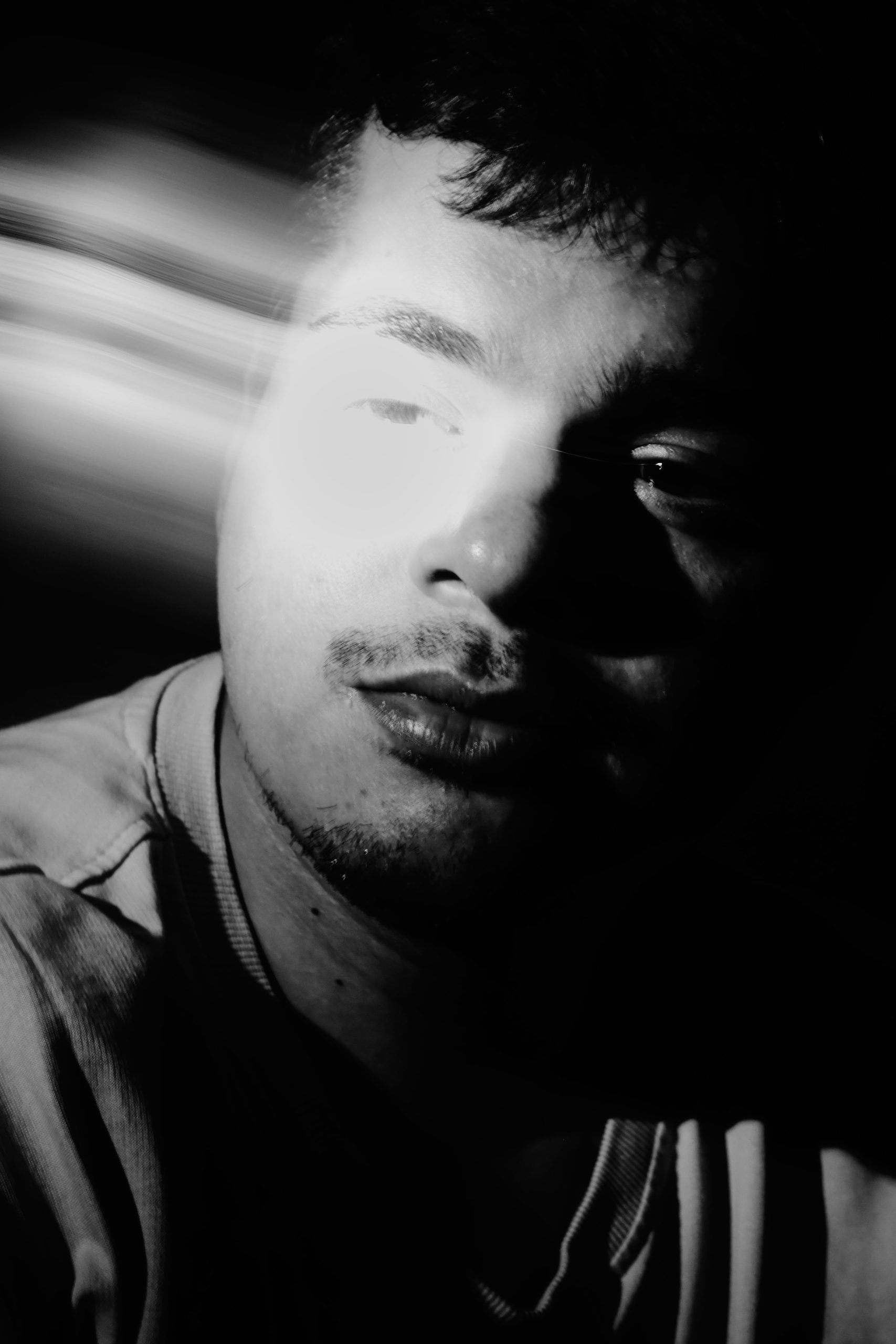
"I knew I needed an additional source of light," the author explained, "so I first relied on my Godox iT30 flash, to photograph my brother." However, this initial foray proved less successful than anticipated. The flash, while providing illumination, introduced an overabundance of light, diluting the desired streaked effect. The distinct, flowing lines that characterized the inspiration images were lost, replaced by a more diffused and less impactful visual.
"What was my biggest mistake here? The use of a flash," the author admitted. "While I was able to get some moody photographs, it is not exactly what the photographer had captured. There is too much light, and the streaks are fading away due to the clash of external lights. If I crop the image to some extent, the distractions are still there, despite the result being a bit better." This early experiment highlighted a critical learning point: the type and control of the light source are paramount in achieving the desired outcome.
Refining the Technique: Embracing the Torch and Slow Shutter Speeds
Following the initial setback, a crucial suggestion emerged from Chief Editor Chris Gampat: the utilization of the second curtain shutter. While the author was unable to locate this specific setting on the Canon R7 camera being used, the principle behind it – controlling when the light trails are captured in relation to the subject – remained a guiding force.
This led to a pivot in strategy. Instead of relying on external flashes, the author turned to a more accessible and controllable light source: a small torch. The environment was also adjusted; the subject was moved away from the bright balcony and positioned against the dark walls of a room to minimize ambient light interference.
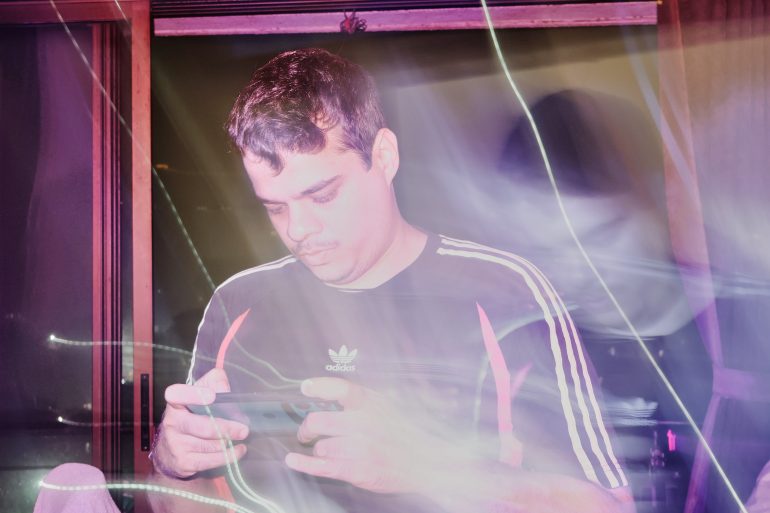
"Instead of making my brother stand near the balcony, I relied on the dark walls of the room. And this time, I ditched the flash for a small torch," the author recounted. This shift proved to be a turning point. The torch offered a more focused beam of light, allowing for greater manipulation of the light trails.
The technical settings were fine-tuned to accommodate the new approach. A base ISO of 100 was maintained for image quality, with an aperture set at f5.6. The key variable became the shutter speed, which fluctuated between 1.3, 1.6, and 2 seconds. The author elaborated on the rationale behind these settings: "The first second of the image goes into capturing the subject, while 0.3 or 0.6 might be the time you use to drag the light by panning the camera." This strategic division of the exposure time allowed for both a frozen representation of the subject and the dynamic movement of the light.
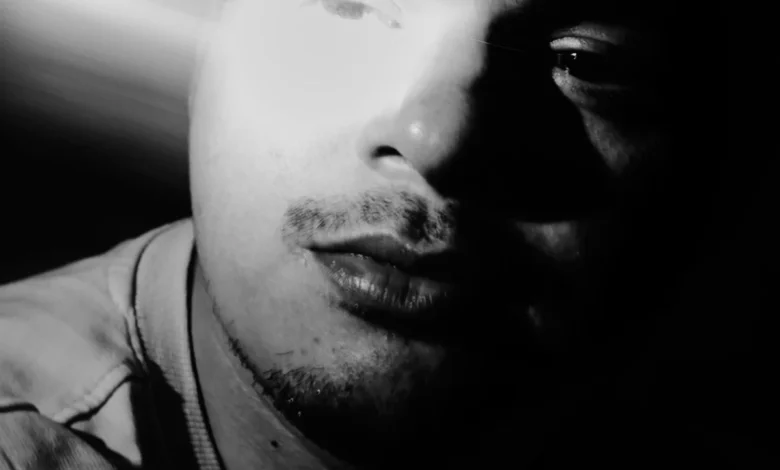
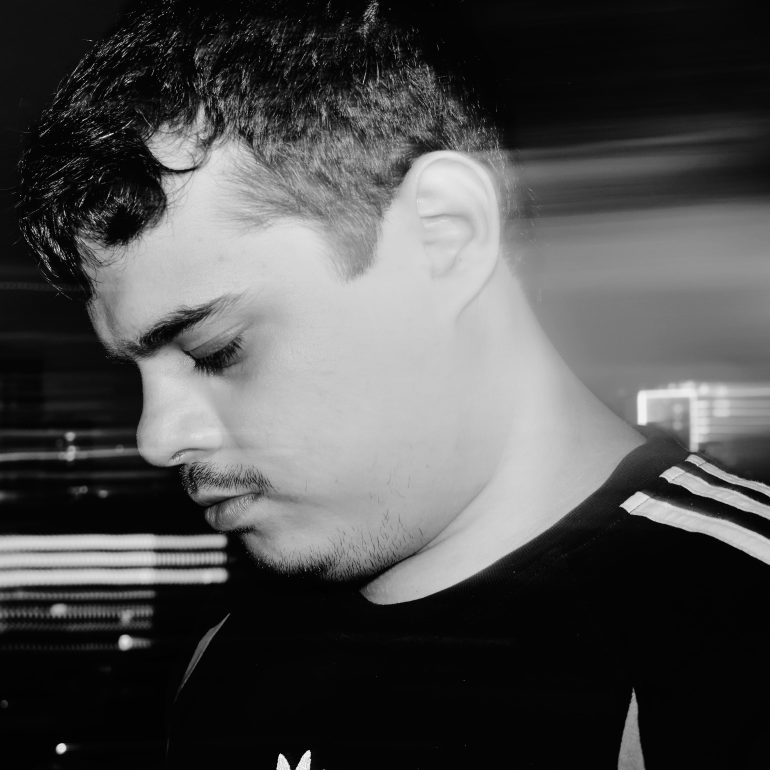
The effectiveness of this refined technique is evident in the resulting photographs. The author described the process: "The two portraits above, and the black and white cover image, were all captured at 1.6 seconds. The first second, I held the camera, and then utilized the 0.6 seconds to pan the device for the streak." This deliberate pacing and movement of the camera during the exposure are what create the signature ethereal streaks that define this photographic style.
Beyond Portraits: Exploring Diverse Applications of Light Streaks
Having mastered the technique for portraiture, the author then ventured into exploring its applicability to other subjects, particularly for those who might not be inclined to pose for traditional portraits. This exploration yielded a diverse range of visually striking images, demonstrating the versatility of the light-streaking method.
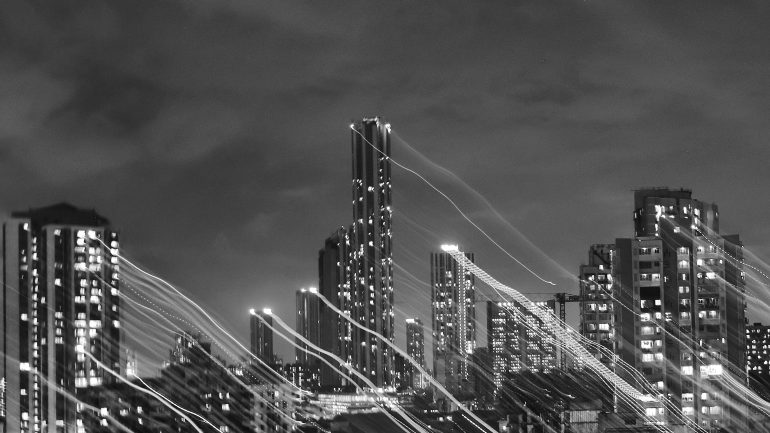
One notable example is a black and white cityscape captured at night. The long exposure transformed the urban landscape, with streaks of light from moving vehicles and distant sources weaving through the tall buildings, creating a dynamic and almost painterly effect. This image showcases how the technique can imbue a static scene with a sense of motion and energy.
Another intriguing creation involved a panda lamp, which, through its internal illumination and strategic camera movement, generated its own captivating light streaks. This illustrates how even inanimate objects can become subjects for this form of creative expression, with the light source inherent to the object contributing to the final effect.
Perhaps the most experimental and visually arresting image was an "in-camera double exposure" featuring a replica of Christ the Redeemer. This technique, achieved by combining two separate exposures within the camera, resulted in the statue appearing to be encased in bars of light. This demonstrates a sophisticated application of the slow shutter speed principle, layering light and form to create a profound and symbolic image.
The author emphasized the importance of light direction in achieving these diverse results: "The direction of light is one of the most instrumental things in capturing these images. The leaves, for instance, had its source coming from the top right, a nearby lamp. Similarly, the panda lamp managed to create a great streak on its own, thanks to the internal illumination." This highlights the crucial role of planning and understanding how light behaves in conjunction with camera movement.
Technical Considerations and the Role of Stability
While the author successfully adapted the technique without a tripod due to inclement weather, the experience underscored the value of stability for achieving consistent results. "If you have slightly shaky hands like me, it is better to rely on a tripod," the author advised. "I couldn’t take it out due to the rain, and so, I ended up spending a lot more time making the photographs."
The use of a tripod would allow for more precise control over the initial capture of the subject, ensuring it remains sharp while the light streaks are artfully blurred. This added stability would also facilitate experimentation with longer exposure times, potentially yielding even more dramatic light trails.
Furthermore, the author stressed the importance of experimentation with light direction and panning: "Once you have figured out the scene or the person you want to photograph, I would advise that you try different directions for the light streaks. In some cases, the left panning direction worked better than the right. Purely because the face was clear better the other way." This iterative approach—trying different angles, speeds, and directions—is fundamental to unlocking the full potential of the technique.
The Enduring Appeal of the Creative Process
In conclusion, the journey to master the art of light-streaked portraits, inspired by the evocative imagery of Dementors and the innovative work of fellow photographers, proved to be a rewarding exploration. The author’s willingness to adapt, experiment, and embrace limitations led to the development of a unique photographic style achievable with accessible equipment.
The experience served as a potent reminder of the core tenet of photography: the enjoyment of the image-making process itself. While the resulting photographs may not be universally considered the author’s absolute best, the challenge and the creative problem-solving involved were deeply fulfilling. "At the end, the best photographs are the ones where you enjoy the process of image-making," the author reflected. "For me, these images may not be my best, but they were the ones that I thoroughly enjoyed the challenge thrown my way."
This exploration into light streaks and ethereal portraits not only demonstrates a practical application of photographic principles but also celebrates the boundless creativity that can emerge when artists are inspired by unexpected sources and are willing to push the boundaries of their craft. The Dementor’s chilling aura, once confined to the silver screen, has been reinterpreted as a source of visual inspiration, proving that even the most formidable cinematic creatures can spark artistic innovation and lead to the creation of truly memorable images. The technique, while demanding patience and precision, offers a compelling pathway for photographers to inject a sense of magic and dynamism into their work, transforming ordinary scenes into extraordinary visual narratives.