Oppo Abandons Find X10 Ultra Plans Amidst Global Semiconductor and RAM Market Volatility

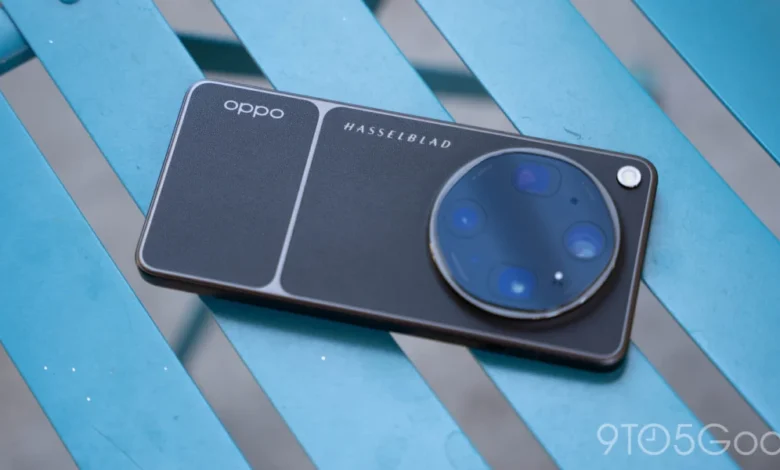
The landscape of the premium smartphone market has been significantly disrupted this week as reports confirm that Oppo has officially canceled the development and anticipated release of the Find X10 Ultra. This decision marks a notable pivot in the company’s product strategy, effectively ending the succession of one of the most highly regarded flagship devices of 2026. The cancellation comes against the backdrop of an industry-wide crisis colloquially termed "RAMageddon," a phenomenon characterized by a severe supply-demand imbalance and the subsequent, unsustainable inflation of memory and storage component costs.
The Impact of RAMageddon on Mobile Manufacturing
The term "RAMageddon" refers to the current global shortage and resulting price surges in high-performance memory modules, specifically LPDDR5X and LPDDR6 standards. As artificial intelligence integration becomes a standard requirement for flagship smartphones, the hardware overhead required to run on-device large language models (LLMs) has ballooned. Manufacturers are now finding it increasingly difficult to pack 16GB or 24GB of RAM into devices while maintaining a retail price that remains palatable to the average consumer.
When the Oppo Find X9 Ultra debuted in 2026, it was lauded for its uncompromising hardware, which included a top-tier Qualcomm Snapdragon processor and a robust 16GB RAM configuration. However, market analysts have observed that the profit margins on such "Ultra" tier devices have been compressed to near-zero levels. As component prices rise, the cost to manufacture these devices has crossed a threshold where the retail price required to break even would effectively alienate the device’s core enthusiast demographic.
Chronology of the Find X Series Evolution
The trajectory of Oppo’s Find X series has historically represented the pinnacle of the company’s engineering capabilities. In early 2026, the Find X9 Ultra was released to critical acclaim, positioning itself as a direct competitor to the most advanced hardware from Apple and Samsung. Its success was predicated on a specific cost-to-performance ratio that, at the time, was sustainable within the broader semiconductor market.
By the third quarter of 2026, market signals began to shift. The introduction of the Oppo Find X10 Pro Max signaled a tactical retreat from the "Ultra" philosophy. This device opted for MediaTek’s flagship chipset and a reduced 12GB RAM standard, a move designed to mitigate rising component costs. Despite these adjustments, the Find X10 Pro Max faced significant headwinds in European markets, where inflationary pressures and currency fluctuations made the device one of the most expensive handsets in its category.

The decision to scrap the Find X10 Ultra—which had been expected to reach the market in the first half of 2027—indicates that the company’s internal cost-benefit analysis proved insurmountable. According to industry analyst reports, the bill of materials (BOM) for the proposed Find X10 Ultra was estimated to be 30% higher than its predecessor, a cost that could not be absorbed by the company nor passed on to consumers without severe market resistance.
Technical Aspirations of the Canceled Flagship
The cancellation is particularly striking given the ambitious technical specifications that were planned for the Find X10 Ultra. Leaks from supply chain insiders and regulatory filings suggested that the device was intended to be the ultimate mobile imaging powerhouse.
The planned camera array included a 200MP main sensor featuring a 1/1.12-inch footprint, utilizing advanced LOFIC (Lateral Overflow Integration Capacitor) technology to handle extreme dynamic range. This was to be complemented by a secondary 200MP periscope telephoto lens with a 1/1.3-inch sensor—a rarity in current smartphone design—alongside a 50MP 10x periscope telephoto lens. Furthermore, reports indicated the inclusion of a 100MP front-facing square sensor, designed to offer parity between front and rear imaging performance.
Had these specifications reached production, the Find X10 Ultra would have likely set a new industry benchmark for mobile photography. The abandonment of this project leaves a void in the high-end market, suggesting that other manufacturers may follow suit by consolidating their lineups and prioritizing mid-to-high-tier devices over extreme, cost-prohibitive "Ultra" models.
Industry-Wide Implications and Future Outlook
The decision by Oppo reflects a broader trend among major Android OEMs. Samsung, Xiaomi, and Vivo are all currently navigating the same inflationary pressures. As AI features move from the cloud to the edge, the reliance on high-speed, high-capacity memory has become an existential challenge for smartphone hardware design.
Economists monitoring the tech sector suggest that the memory supply chain is unlikely to stabilize until mid-2028. This period of instability is forcing a fundamental rethink of what constitutes a "flagship." The industry is moving toward a strategy of software-defined differentiation, where features are unlocked via AI processing rather than relying solely on the inclusion of expensive, cutting-edge hardware components.

Analysis of the Consumer Market
For the consumer, the cancellation of the Find X10 Ultra highlights a growing disconnect between hardware innovation and affordability. In recent years, consumers have been accustomed to annual upgrades that provide incremental improvements in RAM, storage, and sensor size. However, the plateau in manufacturing efficiency—coupled with the spike in raw material costs—suggests that the era of "everything-and-the-kitchen-sink" flagship smartphones is coming to an end.
Market reactions in regions where Oppo has a strong presence, such as Europe and Southeast Asia, indicate that consumers are increasingly gravitating toward mid-range devices that offer "good enough" performance for a fraction of the price of an Ultra-tier flagship. The premium segment is becoming increasingly bifurcated: one group of users remains loyal to the ultra-premium tier regardless of price, while the mass market is rapidly shifting toward value-driven hardware.
Strategic Shifts in Oppo’s Portfolio
Oppo’s move to cancel the Find X10 Ultra is also part of a wider strategic shift toward diversifying its revenue streams. The company has been heavily investing in IoT ecosystems, wearables, and enterprise-grade AI software. By pivoting away from the high-risk, low-margin Ultra smartphone segment, Oppo may be attempting to reallocate capital toward these more stable and scalable product categories.
Industry experts note that while the loss of a flagship device is a blow to brand prestige, it may ultimately be a prudent financial decision. By concentrating on the Find X10 Pro Max and similar models, the company can streamline its supply chain, reduce its exposure to memory market volatility, and focus on delivering a more consistent user experience across its primary product lines.
Conclusion: A New Era for Smartphone Hardware
The cancellation of the Oppo Find X10 Ultra serves as a bellwether for the smartphone industry. It underscores the reality that even the largest manufacturers are subject to the laws of supply and demand, and that the relentless drive for "bigger and better" specs is hitting a wall of economic reality.
As the industry moves forward, the focus will likely shift away from hardware excess toward optimization and sustainability. While photography enthusiasts may lament the loss of the X10 Ultra’s prospective imaging capabilities, the move is a clear signal that the market is entering a period of consolidation. Whether this leads to a stagnation in mobile innovation or a pivot toward more meaningful, software-driven advancements remains to be seen. For now, the Find X9 Ultra remains the definitive example of an era that is rapidly becoming a footnote in the history of consumer electronics.