The Best 4K Laptops of 2025: A Comprehensive Guide for Professionals and Enthusiasts

The pursuit of the perfect display is a primary concern for modern computing professionals, particularly those working in graphic design, video production, and high-fidelity gaming. A 4K display, which offers four times the pixel density of standard 1080p Full HD panels, has become the industry benchmark for color accuracy and image clarity. As of mid-2025, the market for high-resolution portable workstations has matured significantly, shifting toward a reliance on OLED and Mini-LED technologies to meet the rigorous demands of professional color grading and immersive digital workflows.
The Evolution of Display Technology in Portable Computing
The transition to 4K resolution in laptops was initially driven by the need for increased screen real estate and sharper text rendering. However, the current landscape is defined by the integration of the DCI-P3 color gamut. Used primarily in professional digital cinema, this color space is approximately 25% wider than the traditional sRGB standard, allowing for more precise color reproduction. For creative professionals, a display covering at least 85% of the DCI-P3 gamut is now considered the minimum threshold for professional-grade work.
OLED technology has emerged as the preferred choice for many designers due to its ability to emit light on a pixel-by-pixel basis. This capability provides true black levels and infinite contrast ratios, which are essential for editors working with HDR content. Conversely, the rise of Mini-LED, which utilizes thousands of tiny LEDs for backlighting, has provided a solution for users who require the extreme brightness—often exceeding 600 to 1,000 nits—necessary for outdoor work or high-intensity studio environments.
2025 Market Landscape and Top Performers
The current 4K laptop market is characterized by a strategic division between ultralight productivity machines and high-performance mobile workstations. According to recent industry benchmarks, the following devices have distinguished themselves based on technical performance, color gamut coverage, and thermal management.
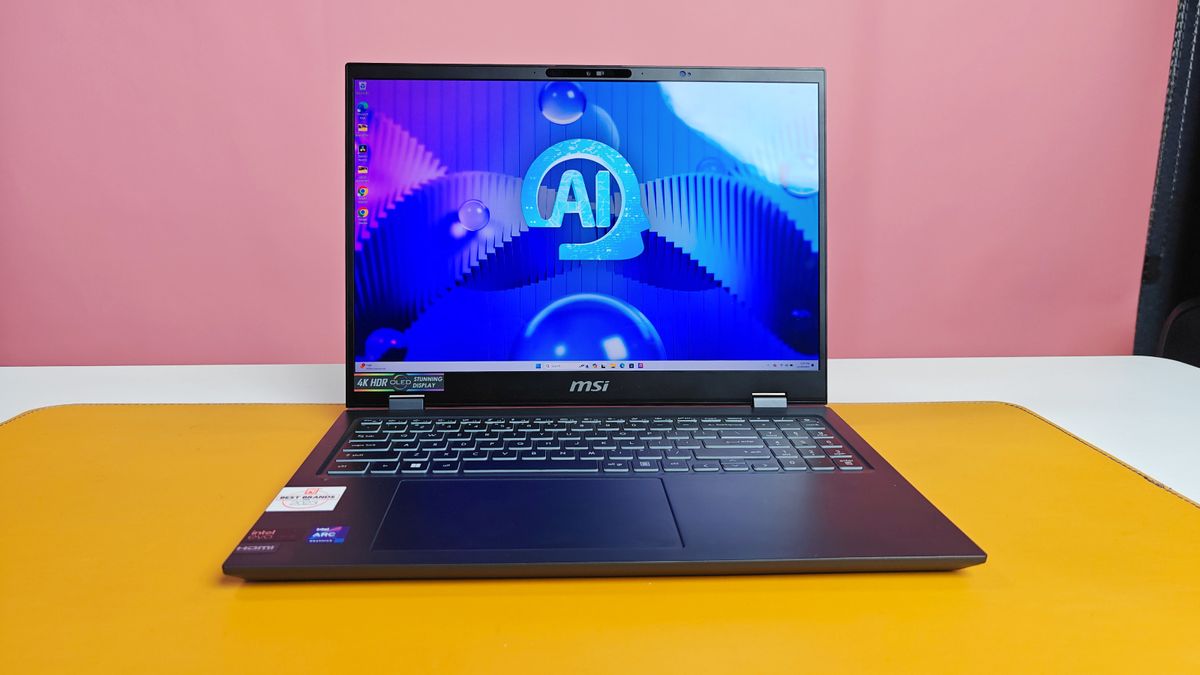
MSI Prestige 16 AI Evo: The Productivity Standard
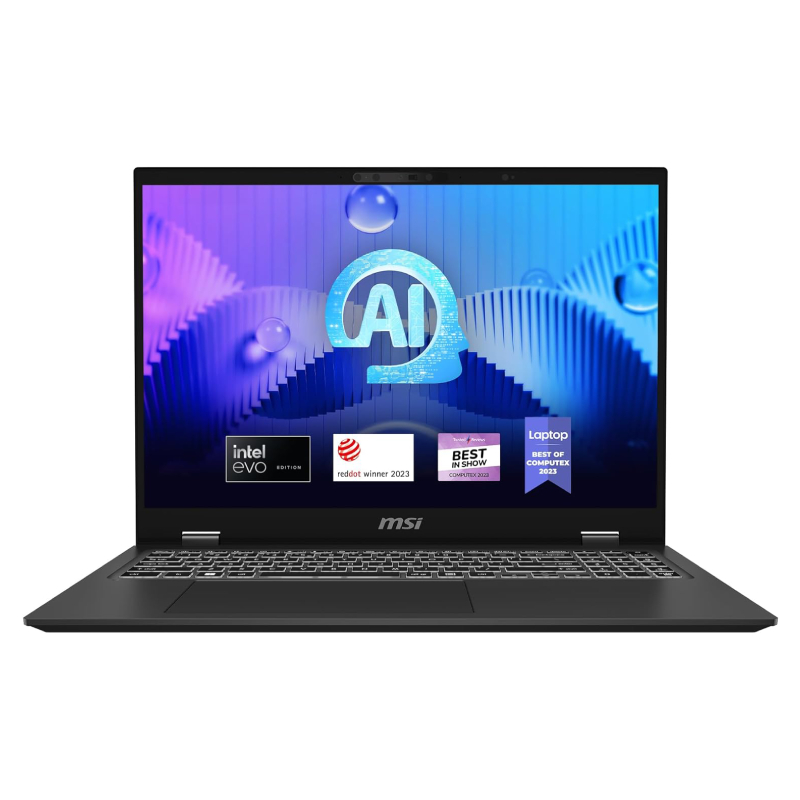
For general creative professionals, the MSI Prestige 16 AI Evo has established itself as the leading all-around performer. Equipped with the Intel Core Ultra 7 155H processor and 32GB of RAM, it bridges the gap between portability and power. Its standout feature remains the 16-inch 4K OLED display, which offers 137.9% coverage of the DCI-P3 gamut. This performance level is particularly significant for users who do not require a dedicated workstation-class GPU but need extreme color precision.
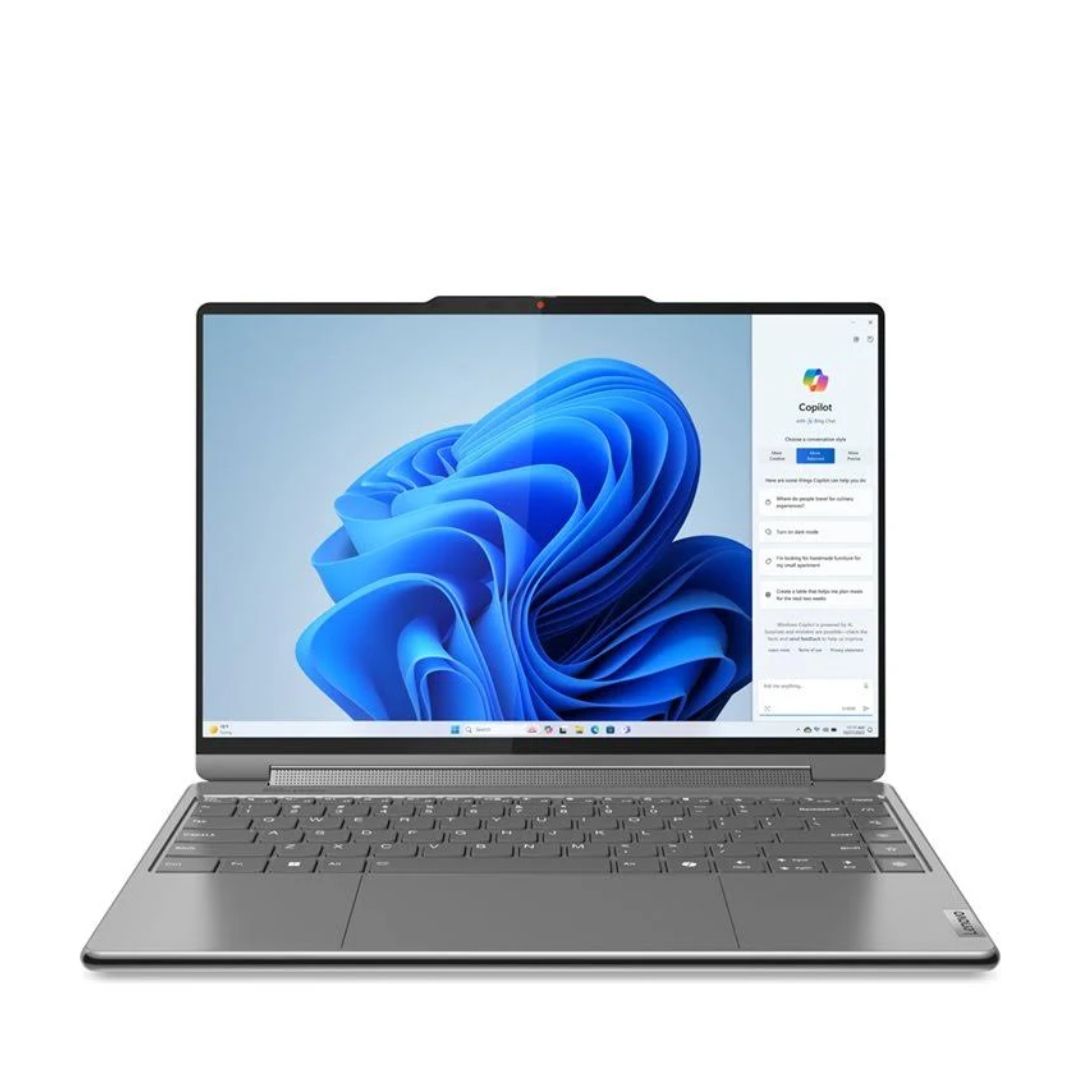
MSI Raider 18 HX AI: The High-Performance Workstation
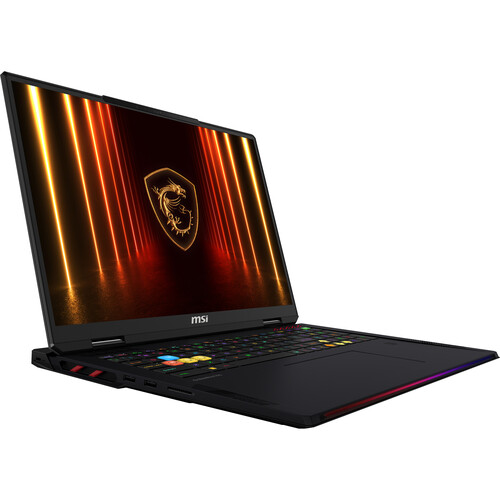
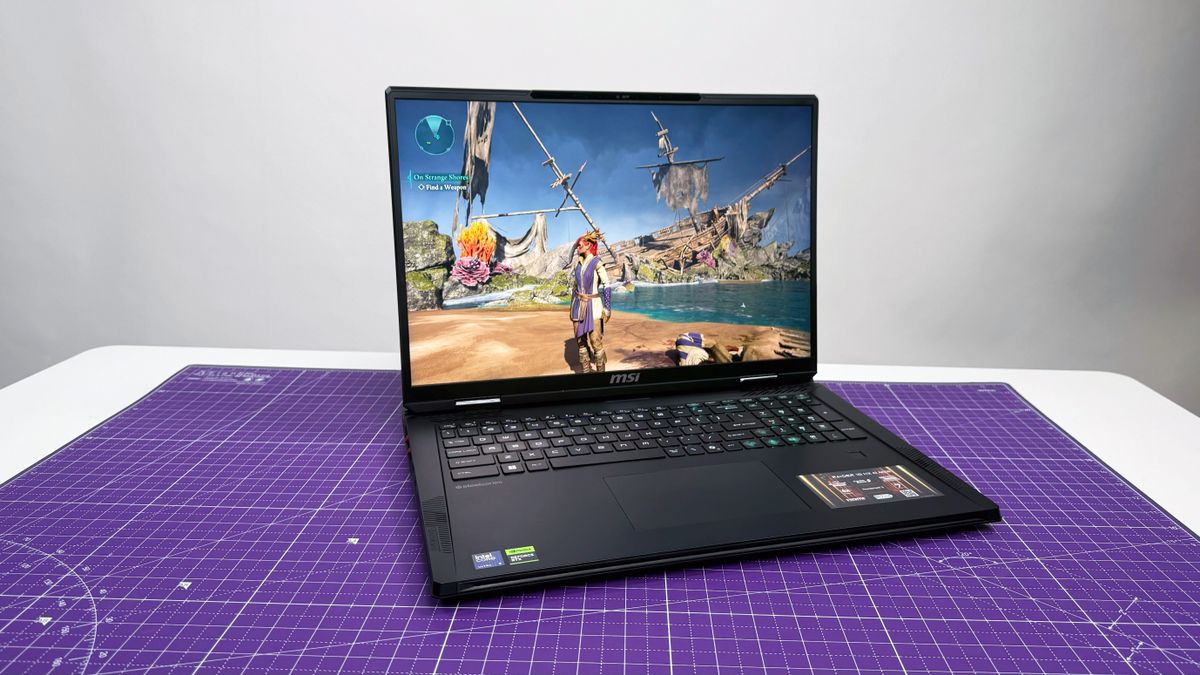
At the opposite end of the spectrum, the MSI Raider 18 HX AI represents the pinnacle of mobile hardware. Featuring the latest Nvidia RTX 5080 GPU and an Intel Core Ultra 9 285HX, this machine is designed for AAA gaming and intensive 3D rendering. Its 18-inch Mini-LED display reaches brightness levels up to 668 nits, providing exceptional visibility. While it is not designed for portability—weighing nearly 8 pounds—it serves as a viable desktop replacement for animators and game developers.
Asus ProArt P16: The Creator’s Choice
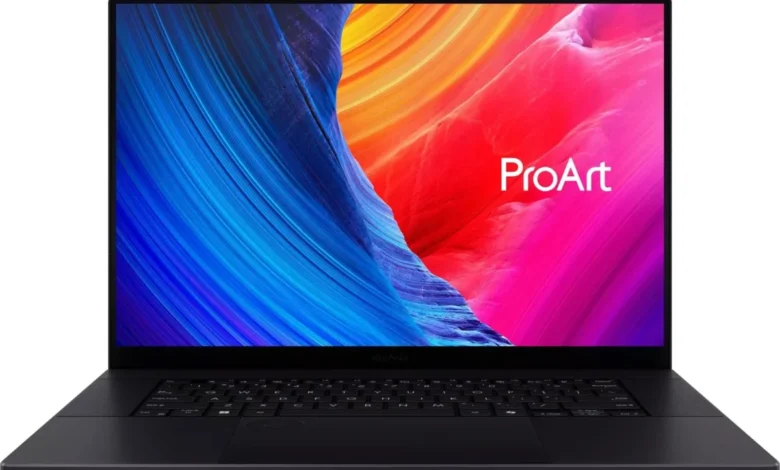
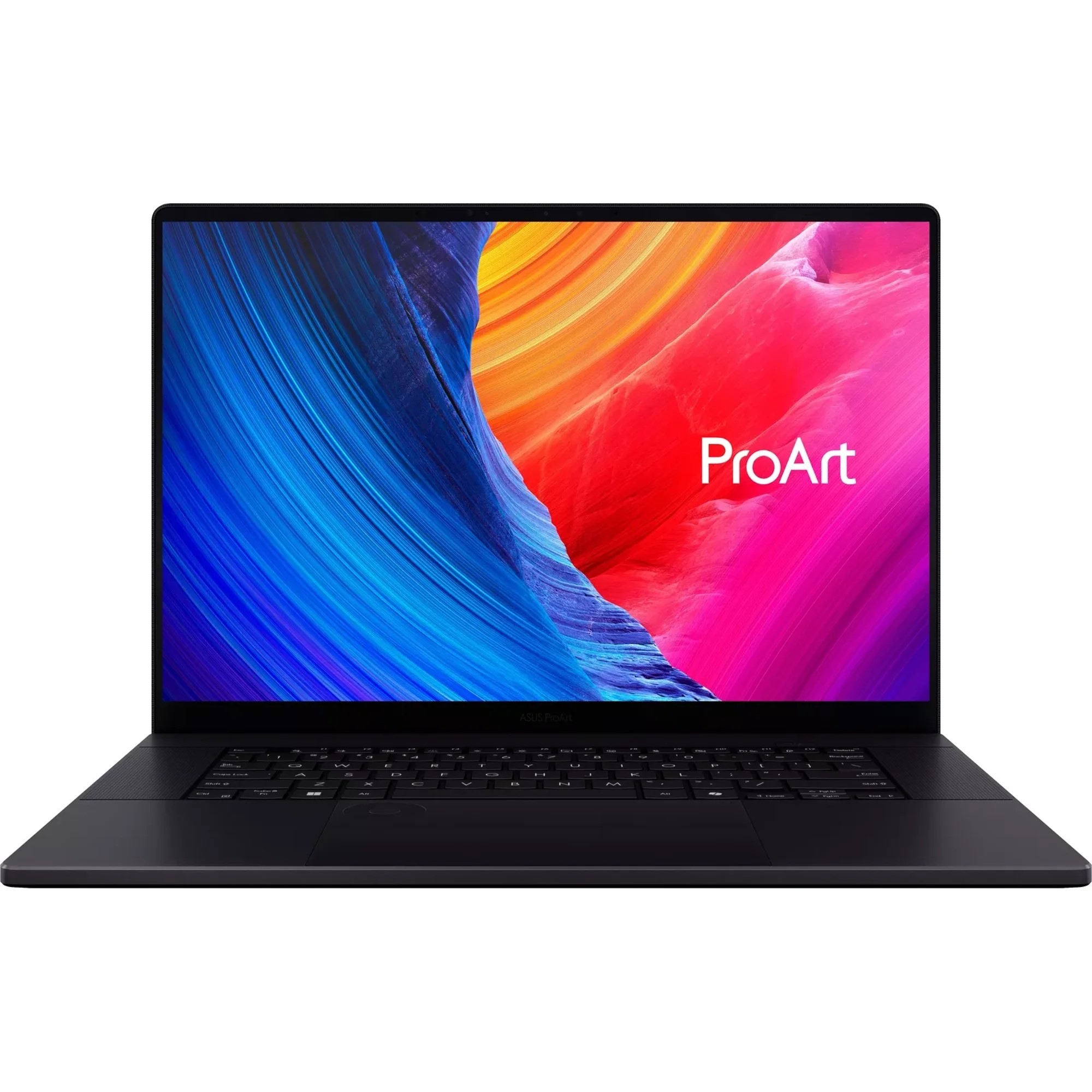
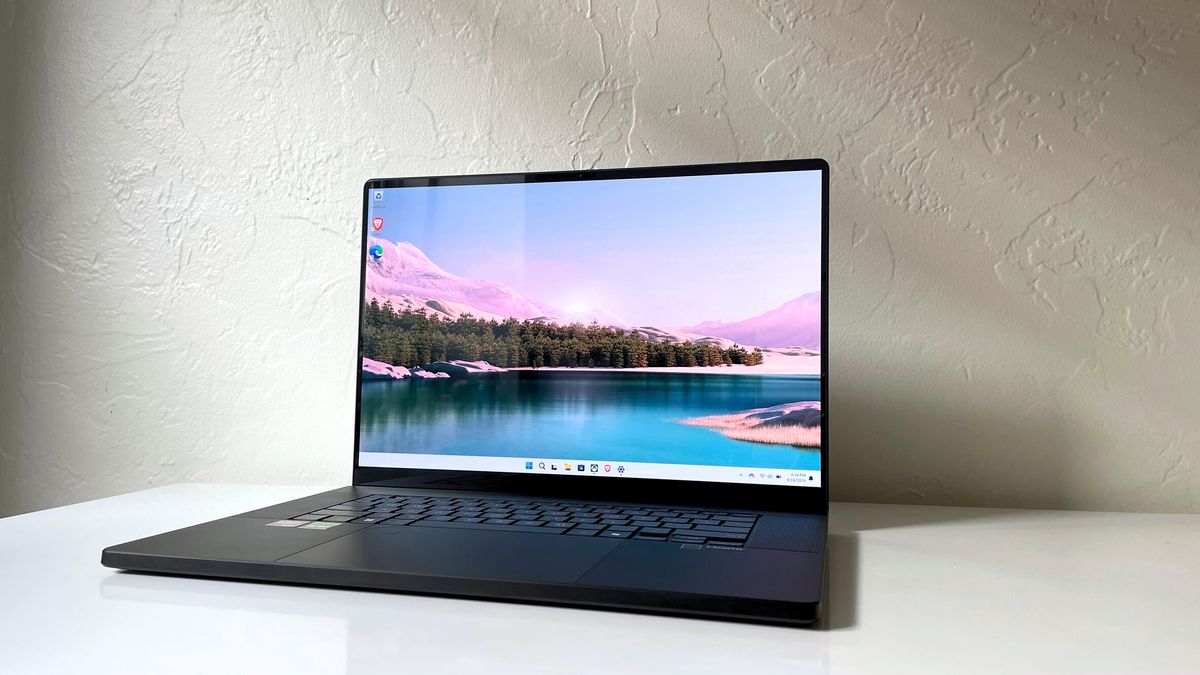
The Asus ProArt P16 has garnered attention for offering professional-grade specs at a more competitive price point than traditional workstation alternatives. Utilizing the AMD Ryzen AI 9 HX 370, this laptop delivers consistent multicore performance, excelling in video transcoding tasks. Its inclusion of an RTX 4070 GPU ensures that it remains capable of handling complex 3D workflows without the extreme bulk associated with larger gaming-oriented systems.

Technical Chronology and Performance Metrics
The shift toward AI-integrated processors in 2025 has altered the performance benchmarks for high-end laptops. In internal testing conducted throughout the first half of the year, the impact of newer silicon architectures on multicore performance has been evident.
- June 2025: MSI transitioned its flagship 18-inch model from the Titan 18 HX to the Raider 18 HX AI, reflecting a industry-wide move toward AI-optimized processing to handle complex background tasks in creative software.
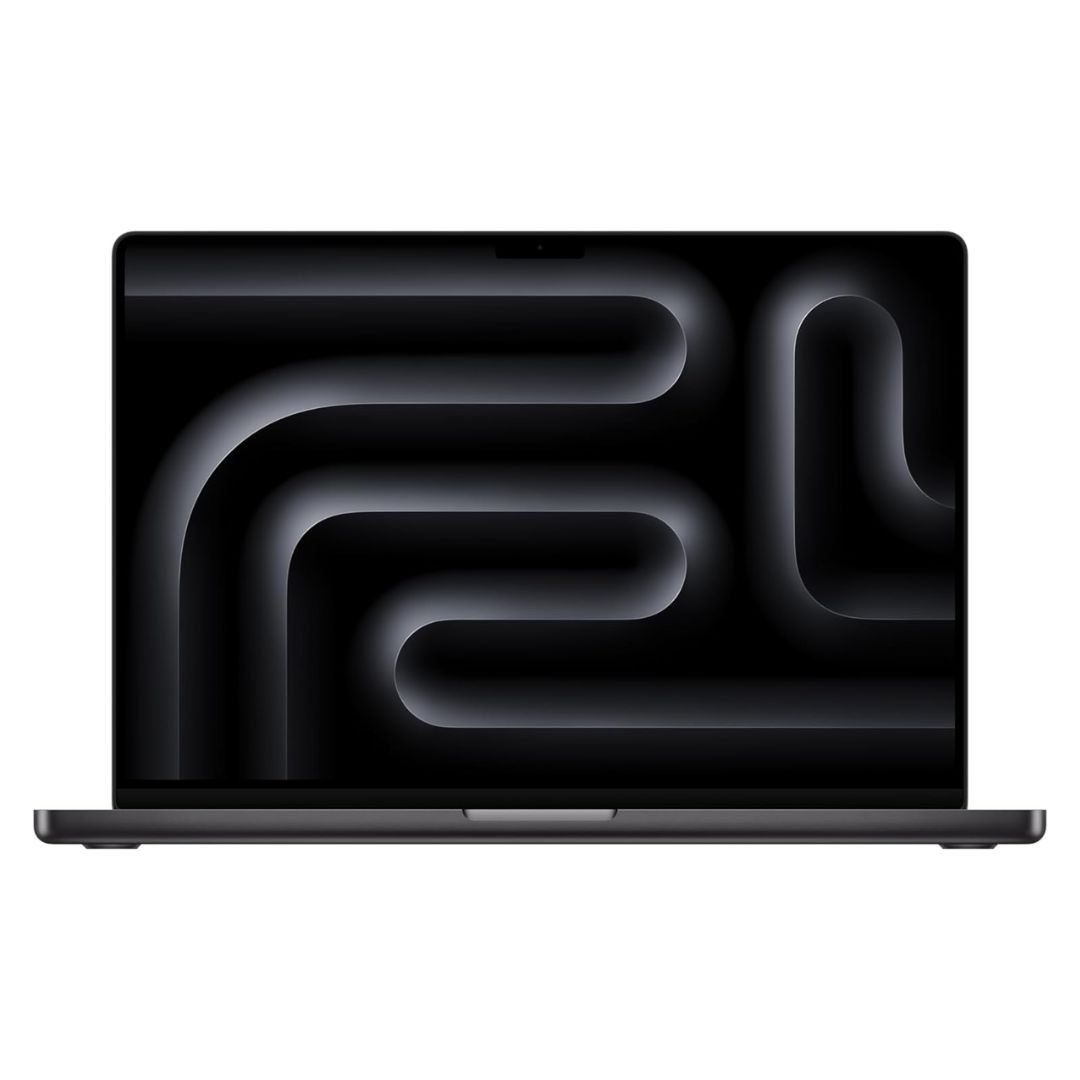
- Performance Benchmarks: Across the board, top-tier 4K laptops are now consistently achieving Geekbench 6 multicore scores exceeding 13,000. For instance, the MacBook Pro 16 M4 Pro recorded an industry-leading score of 22,822, illustrating the efficiency gains achieved by moving to custom silicon architecture.
- Battery Efficiency: A primary trade-off for 4K resolution remains battery longevity. While most premium Windows laptops struggle to maintain 10 hours of real-world usage, Apple’s M4 Pro architecture has set a new standard by delivering over 20 hours of web surfing time, effectively challenging the notion that high-resolution screens must equate to poor battery life.
Implications for Future Workflow
The implications for professionals are clear: the divide between a mobile workstation and a desktop tower is narrowing. The introduction of high-speed SSDs, with transfer rates exceeding 2,000 MBps in machines like the MSI Raider, allows for near-instantaneous load times for massive project files.
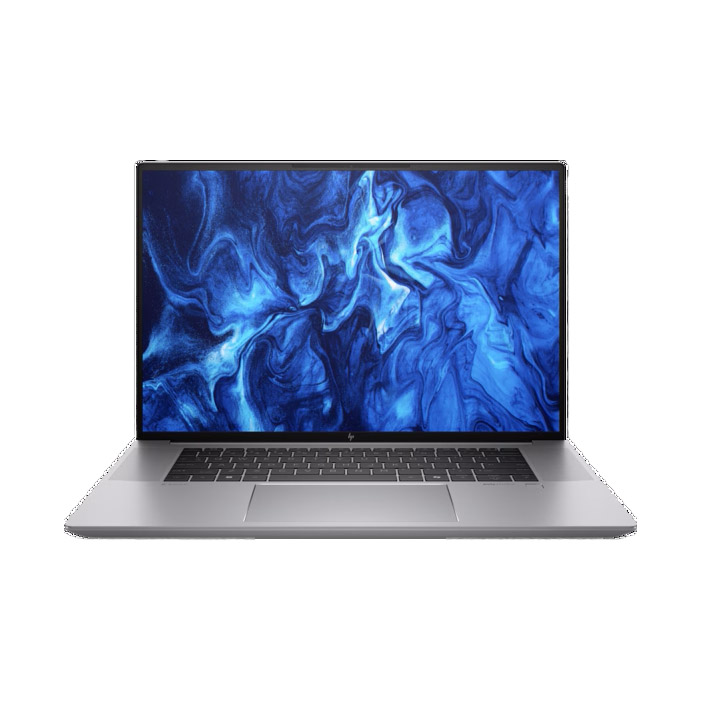
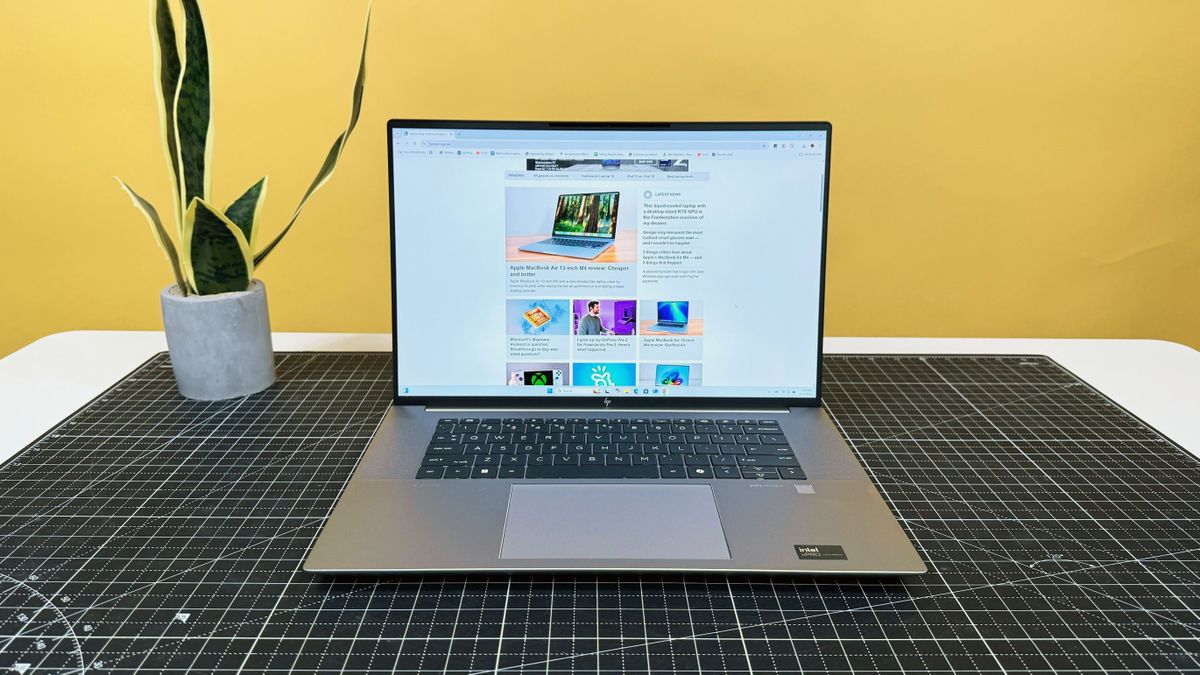
However, users must balance their specific needs with the physical constraints of these devices. Heat management remains a critical concern; workstations like the HP ZBook Studio 16 G11 can reach temperatures exceeding 107 degrees Fahrenheit under heavy load, necessitating dedicated cooling setups. Conversely, those prioritizing mobility must often sacrifice raw GPU performance or choose between the vibrancy of OLED and the brightness of Mini-LED.
How to Select the Right Hardware
When evaluating a potential purchase, users should look beyond the "4K" label. The following criteria are essential for making an informed decision:
- Aspect Ratio: 16:10 is currently preferred for productivity as it provides more vertical space for timelines and document editing, whereas 16:9 remains the standard for media consumption.
- Color Space Calibration: For professionals, a device with a Delta-E color accuracy score below 0.3 is optimal. This ensures that what is seen on screen corresponds accurately to the final output.
- Connectivity: Given the high bandwidth required for 4K video editing, look for laptops featuring Thunderbolt 4 or USB4 ports to support external storage and high-speed data peripherals.
- Thermal Throttling: Reviewers consistently monitor for heat-induced performance drops. A laptop that performs well in a synthetic benchmark but throttles after ten minutes of rendering is unsuitable for professional use.
Conclusion: A Maturing Market
The 4K laptop market in 2025 is no longer a niche for elite users; it is a vital segment of the computing industry. Whether through the color-rich OLED panels found in the MSI Prestige line or the high-brightness, high-performance capabilities of the MacBook Pro and MSI Raider series, manufacturers have successfully addressed the demands of a diverse user base.
For the freelance video editor, the graphic artist, or the data scientist, the hardware choices are more robust than ever. As we look toward the remainder of the year, the focus will likely shift further toward optimizing power consumption for these high-resolution panels, ensuring that the visual experience does not come at the expense of mobile reliability. By prioritizing color gamut coverage, thermal stability, and specific processor needs, users can secure a device that will remain relevant for several years of professional service.