The Growing Pains of Apple Intelligence: Early Adoption of Siri AI in iOS 27 Reveals Significant Hurdles for Users

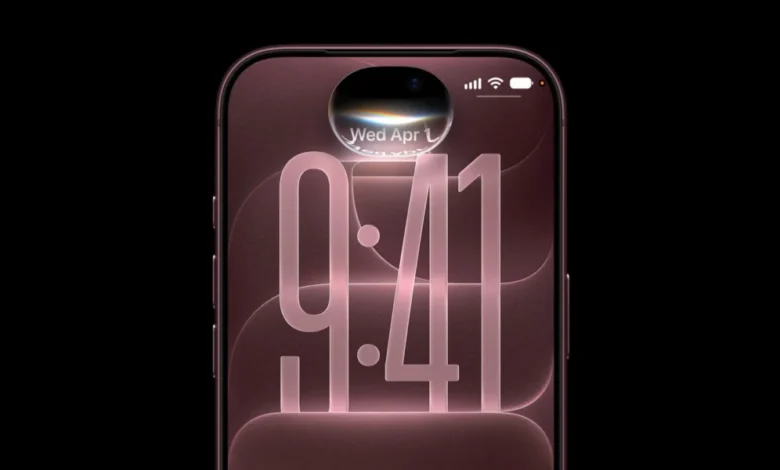
The rollout of the revamped, AI-powered iteration of Siri, launched as a cornerstone feature of iOS 27, marks a pivotal shift in Apple’s approach to human-computer interaction. While the integration of generative AI promised a more conversational, context-aware assistant capable of complex reasoning and on-screen awareness, the initial beta phase has been met with a wave of user frustration. As the software makes its way to millions of devices, the disparity between the promised "Siri AI" experience and the current functional reality has become a focal point of debate within the Apple ecosystem.
A New Era of Personal Computing
The introduction of Siri AI represents the culmination of Apple’s multi-year investment in Large Language Models (LLMs) and Private Cloud Compute. During the initial announcement, Apple positioned the update as a fundamental reimagining of the assistant, emphasizing that it could now bridge the gap between static voice commands and dynamic, multi-step actions. The vision was clear: a system that could parse personal data across messages, photos, and calendar events to provide proactive assistance, all while maintaining the stringent privacy standards synonymous with the brand.
However, the transition from legacy Siri to this new architecture has proven more turbulent than anticipated. The gradual rollout, facilitated by a tiered waitlist system, suggests that Apple was aware of the potential for server-side instability. Despite these precautions, early adopters are reporting a spectrum of issues ranging from connectivity errors to a degradation in basic task execution, forcing many to weigh the benefits of advanced AI against the reliability of the traditional assistant.

Chronology of the Rollout
The launch of Siri AI follows a deliberate roadmap that began with the initial developer previews earlier this year.
- Early 2026: Apple announces the development of "Project Neural Voice," the foundation for what would become Siri AI, during internal briefings.
- June 2026 (WWDC): The first public demonstrations of Siri AI take place, highlighting "on-screen awareness" and "personal context indexing."
- September 2026: iOS 27 is released to the public, featuring the beta version of Siri AI.
- Late September 2026: User reports regarding reliability and indexing bugs begin to proliferate across social media and support forums.
- October 2026: Apple schedules the next phase of the rollout, including language expansion, amidst ongoing maintenance updates to the Private Cloud Compute infrastructure.
Categorizing the User Experience Gap
Data collected from user feedback channels reveals five primary categories of failure that have defined the early days of the Siri AI beta.
Network Connectivity and Server Instability
The most prevalent complaint involves the "Something went wrong" error message. Unlike the legacy version, which relied heavily on local processing for basic tasks, the new Siri requires a robust connection to Apple’s Private Cloud Compute. When the handshake between the user’s device and the data center fails, the interface lacks the diagnostic feedback to explain the issue. This creates an opaque user experience, leaving customers to troubleshoot by toggling VPNs or resetting network configurations, often to no avail. Analysts suggest that the intermittent downtime is a symptom of the immense computational load placed on Apple’s server farms as they handle thousands of simultaneous, complex natural language queries.
The Indexing Deficit
A core promise of Siri AI was its ability to serve as a "personal librarian," indexing emails, notes, and messages to retrieve specific data points. In practice, however, users report that the system often fails to locate items that were previously easily searchable. Common requests, such as adding items to a grocery list or clearing alarms, frequently return errors claiming the data does not exist or that the necessary application is missing. This suggests a disconnect between the AI’s semantic model and the underlying file system, a significant regression that hinders the utility of the assistant for daily organizational tasks.

The Authentication Paradox
Security has always been a cornerstone of the iOS experience, but the implementation of security protocols in Siri AI has created friction. Users are finding that the assistant frequently mandates that the iPhone be unlocked, even when "Siri when locked" is enabled. This restriction is particularly disruptive for users relying on AirPods or CarPlay, where physical access to the device is impossible. The requirement appears to stem from the AI’s need to access the "semantic index"—a repository of personal data—which Apple has locked behind biometric authentication for privacy reasons. However, the inability to distinguish between benign, non-private requests (like setting a timer) and sensitive ones (like reading an email) has rendered the assistant far less "hands-free" than its predecessor.
Performance Latency
The processing time required for a Siri AI response is significantly higher than that of classic Siri. Even on high-performance hardware like the iPhone 18 Pro, requests often hang for several seconds. This latency is exacerbated on the Apple Watch, where the combination of limited hardware resources and a reliance on cloud-side processing creates a sluggish experience. For a tool designed to provide instantaneous assistance, the current delay is perceived by many users as a loss of efficiency.
Feature Parity and Command Ambiguity
Finally, the transition has resulted in the loss of several legacy capabilities. The removal of the direct "Use ChatGPT" voice command syntax has alienated power users who relied on specific integrations. Furthermore, the new model’s sophisticated, LLM-based approach to language processing occasionally struggles with the rigid, specific phrasing that users had spent years perfecting with the older system. Because the new Siri interprets intent rather than just keywords, it sometimes misinterprets commands that were previously unambiguous, leading to a "learning curve" that many users find frustrating.
Broader Implications and Corporate Response
While Apple has yet to issue a formal press release addressing the specific bugs, the "beta" designation provides the company with the necessary cover to iterate rapidly. Internally, the engineering teams are reportedly focused on refining the indexing algorithms and optimizing the Private Cloud Compute latency.

From an industry perspective, this launch underscores the inherent difficulty of moving from a deterministic, rule-based AI to a probabilistic, generative model. The industry is watching closely; Apple’s struggle highlights that even with superior hardware and vertical integration, the leap to generative AI is fraught with operational challenges. For Apple, the stakes are high—the brand has built its reputation on "it just works," and the current state of Siri AI challenges that narrative.
Navigating the Transition: Restoring Functionality
For users who find the current state of the beta unacceptable, Apple has provided a path to return to the legacy experience. By navigating to Settings > Screen Time > Content & Privacy Restrictions > Siri, users can switch their default assistant from "Siri AI (Beta)" back to "Siri Classic."
This option acts as a safety valve, acknowledging that for many, the utility of a reliable, albeit "less smart," assistant outweighs the potential of a sophisticated but currently unstable AI. As the company moves toward the October language expansion and subsequent stability patches, it is expected that the gap between the two versions will close. Until then, the experience serves as a stark reminder that the frontier of AI integration is a work in progress, requiring patience from the user base and relentless refinement from the developers.