Apple’s iPhone Duo launch reveals a strategic shift that creates a divide between innovation and imaging performance


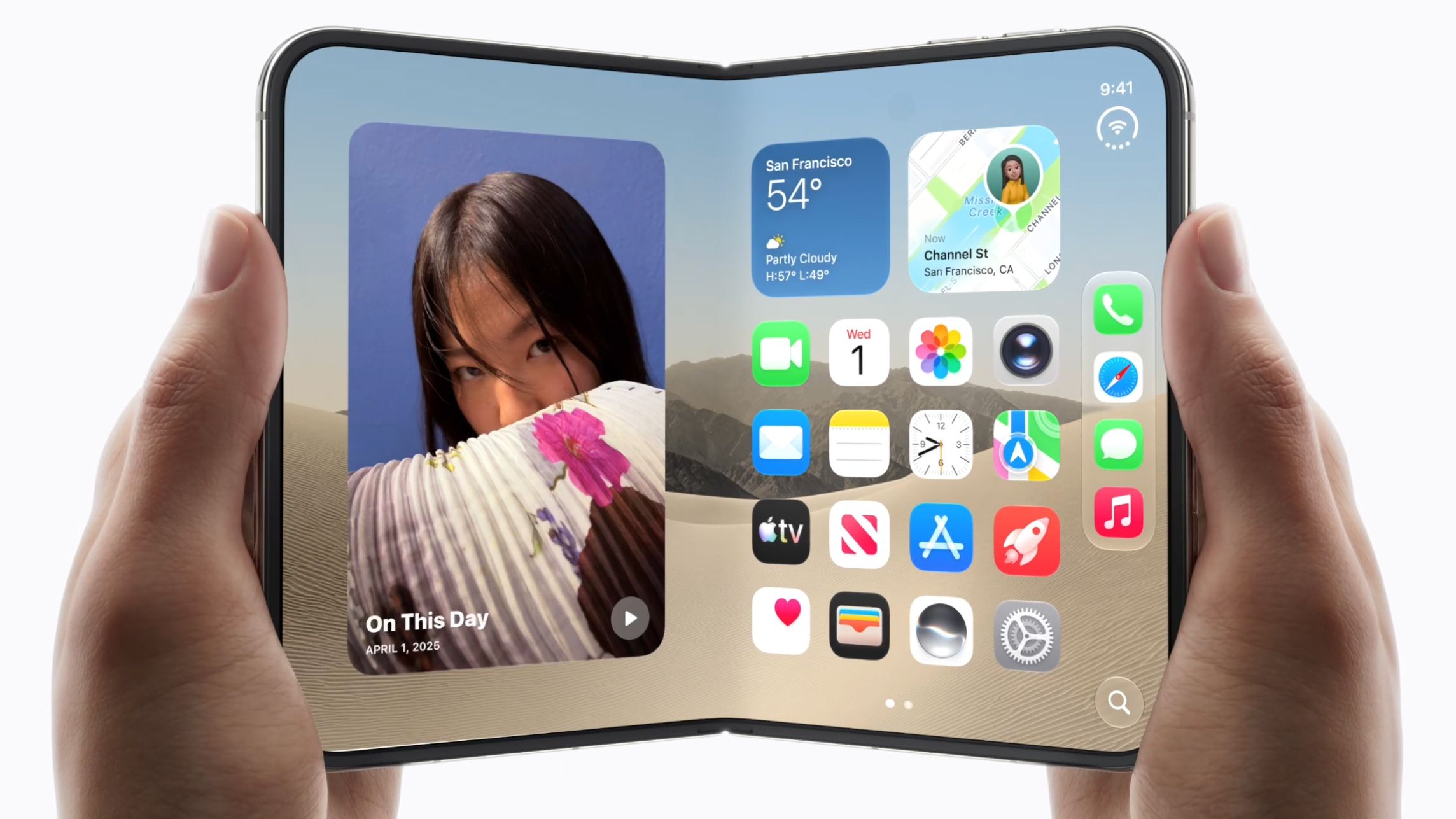
Apple’s highly anticipated September 9, 2026, product event marked a significant departure from the company’s traditional release cadence, introducing the iPhone Duo—a folding device that sits alongside the flagship iPhone 18 Pro. While the debut of a foldable handset represents a long-awaited entry into a new form factor for the Cupertino-based tech giant, it also presents consumers with a paradoxical choice. By introducing a premium-priced folding device that lacks the advanced camera array found in the standard Pro models, Apple has fundamentally altered the value proposition of its top-tier lineup.
The iPhone 18 Pro and Pro Max retain their status as the gold standard for mobile photography, featuring the sophisticated "48MP Fusion" main camera equipped with a six-blade variable aperture (f/1.48 – f/4). In contrast, the iPhone Duo, while innovative in its folding design, utilizes a more conventional f/1.6 fixed-aperture lens and lacks the dedicated telephoto capabilities that have defined the "Pro" experience for years. This bifurcation in the product catalog forces a difficult decision for the consumer: choose the cutting-edge form factor and larger internal screen of the Duo, or prioritize the photographic excellence and technical superiority of the 18 Pro series.
A Chronology of the Apple Ecosystem Strategy
For over a decade, Apple has cultivated a closed ecosystem where the iPhone serves as the primary gateway. Financial disclosures from the previous fiscal year highlight the magnitude of this reliance; of Apple’s $416 billion in total revenue, approximately 50% was derived directly from iPhone sales. This ecosystem is anchored by the "Pro" branding, which has consistently signified the best available hardware across all categories, including display technology, processing power, and optics.
The launch of the iPhone 18 Pro series continues this trend of iterative improvement, powered by the A20 Pro chip. This processor, featuring a 6-core CPU, 7-core GPU, and an advanced 32-core Neural Engine, represents a significant leap in computational photography and multitasking efficiency. The 18 Pro also introduces refined thermal management systems, addressing long-standing concerns regarding device overheating during intensive operations—a noted issue in previous generations like the 17 Pro Max.
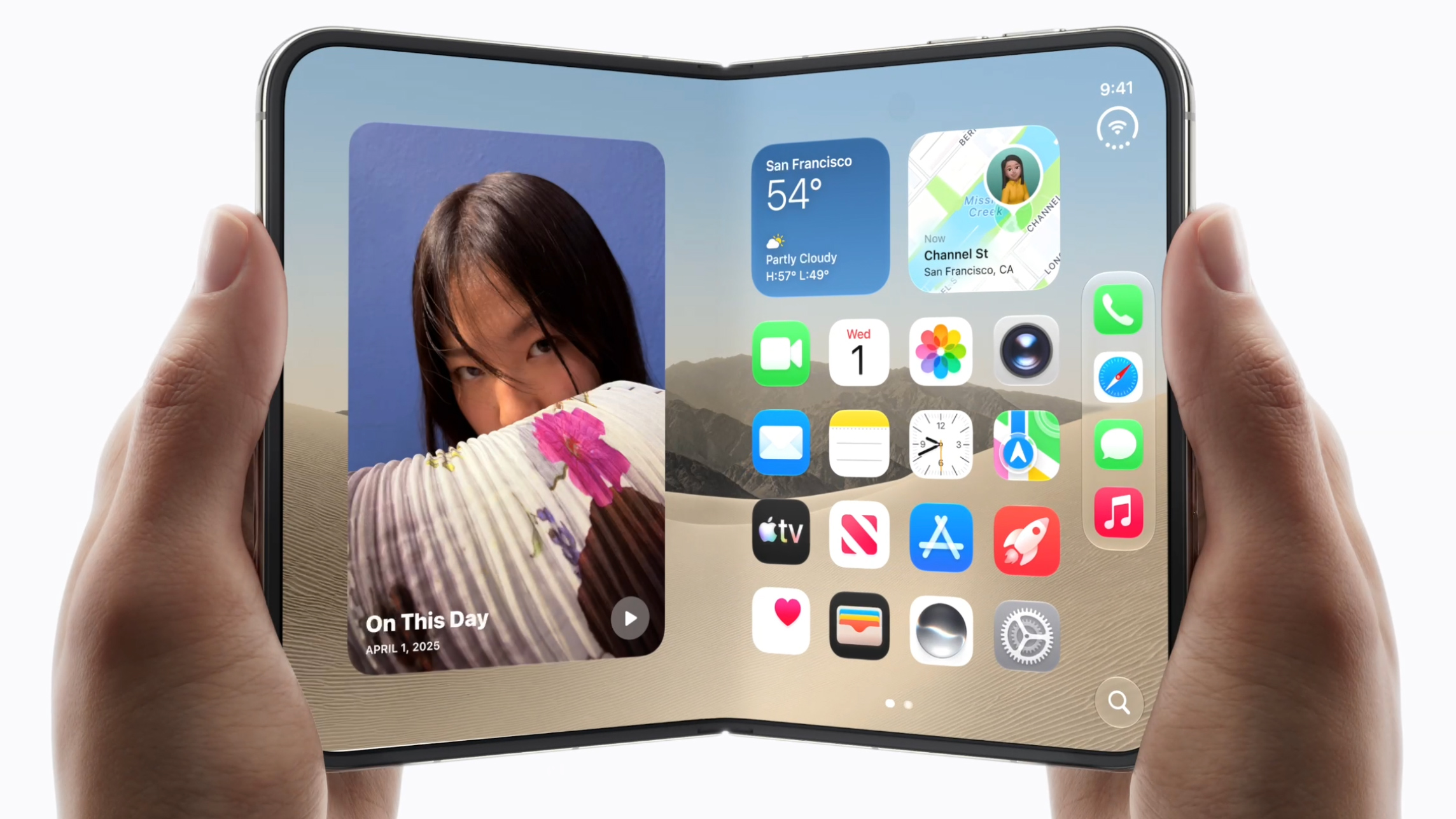
Conversely, the iPhone Duo arrives as a premium entry priced at $1,999, significantly higher than the $1,199 starting price for the 256GB iPhone 18 Pro. Despite the higher cost, technical specifications indicate that the Duo falls short in key performance metrics, including battery endurance and specific camera features. The trade-off is clear: the Duo offers a 50% larger display area compared to the Pro Max, yet it replaces the secure Face ID authentication with Touch ID, a move that has sparked debate among long-term Apple users accustomed to the biometric convenience of the TrueDepth camera system.
Technical Disparities and Photographic Implications
The primary point of contention among industry analysts and photography enthusiasts is the omission of a telephoto lens on the iPhone Duo. In the world of mobile photography, the telephoto lens has become an essential tool for portraiture and capturing distant subjects. By excluding this hardware, Apple is effectively segmenting its user base: the "content creators" who require maximum optical versatility and the "content consumers" who prioritize screen real estate.
The iPhone 18 Pro’s variable aperture system is a technical milestone for the industry. The six-blade mechanism allows for precise control over depth of field, enabling a more natural bokeh effect that mimics traditional DSLR lenses. Coupled with the new Pro interface and support for Dolby Vision HDR 4K timelapse, the 18 Pro is clearly positioned for the professional market. The Duo, however, lacks these hardware-level aperture adjustments, relying instead on software-assisted processing.
Furthermore, the battery performance gap remains a hurdle. While both devices support fast charging, the efficiency profiles differ. The 18 Pro utilizes its internal space to optimize thermal dissipation and power management, whereas the Duo, hampered by the complexities of its folding chassis, sees slightly shorter playback times. This suggests that the current generation of folding technology at Apple is still maturing, requiring a trade-off in battery capacity to accommodate the hinge and flexible display components.

Market Analysis and Broader Industry Impact
Historical sales data in the foldable smartphone market—dominated largely by competitors like Samsung—has shown that consumer interest remains niche. High prices and concerns over display durability have historically kept adoption rates lower than traditional glass-and-metal slab phones. Apple’s entry into this space, however, has the potential to normalize the form factor, provided the hardware justifies the premium.
The decision to force a choice between "best screen" and "best camera" is an unconventional strategy for Apple, a company that usually prides itself on vertical integration where the user doesn’t have to compromise. This shift may be a calculated risk. By introducing "Handoff" capabilities that allow two iPhones to share a single phone number, Apple might be testing the market’s appetite for a multi-device strategy. This could potentially drive sales of both an 18 Pro for the photographer and a Duo for the productivity-focused user.
However, from a retail perspective, the decision complicates the sales process. Apple Store employees will now be tasked with explaining why the most expensive phone in the store is not the most capable in all categories. This deviates from the company’s simplified marketing approach, which has historically centered on "The Best iPhone" being the most recent, most expensive model.

Future Projections and Consumer Response
Industry observers are already questioning whether a "Duo Pro" model is in development. Given that competitors, such as the Samsung Galaxy Z Fold 7, have successfully integrated triple-camera arrays into folding designs, the argument that space constraints prevent a full camera suite on the iPhone Duo is becoming less convincing to the public.
If Apple follows its historical pattern, the first-generation Duo may be viewed as a "proof of concept" release, designed to gauge demand and refine manufacturing processes before a more capable, full-featured version arrives in future product cycles. This creates a difficult position for early adopters who may find their $1,999 investment rendered obsolete by a more balanced iteration in the near future.
The broader impact on the tech sector is profound. Apple’s influence often dictates market standards. By entering the foldable space with a design that acknowledges the necessity of compromise, Apple may be signaling that the industry is not yet ready for a truly "perfect" folding device. As consumers weigh the prestige of the latest technology against the utility of a proven, professional-grade camera system, the success of the iPhone Duo will serve as a critical case study for the future of mobile design.
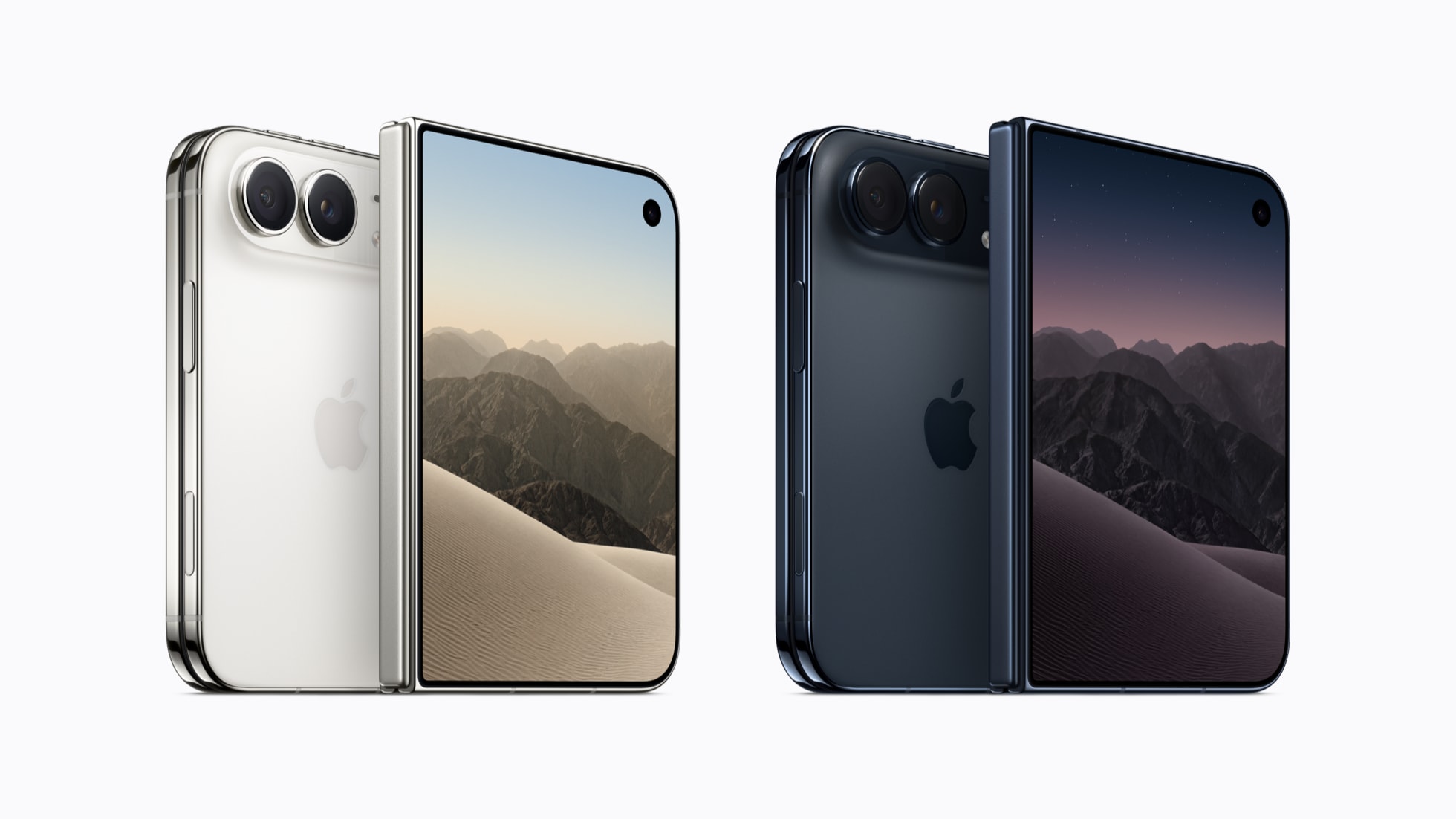
Ultimately, the launch of the iPhone 18 Pro and the iPhone Duo establishes a new dichotomy within the Apple catalog. The company has moved away from the monolithic "best of everything" approach toward a more segmented, use-case-driven strategy. Whether this serves to broaden the appeal of the iPhone ecosystem or creates a fragmented experience that alienates the brand’s core professional users remains to be seen. For now, the choice is no longer simple; it is a calculation of priorities between the allure of a folding, expansive display and the reliability of a high-performance optical system. As pre-orders for the iPhone 18 Pro begin this Saturday, followed by the October arrival of the Duo, the market’s reaction will define the next chapter of Apple’s mobile strategy.