Peak Design Everyday Sling Review: A Masterclass in Versatile Photographic Carry Solutions

The evolution of professional camera accessories has seen a dramatic shift toward products that prioritize both technical utility and aesthetic versatility. Among the companies leading this charge is Peak Design, a California-based organization established in 2010. Since its inception, the brand has operated on a foundational mandate to improve the quality of life for its workforce while simultaneously engineering products that provide tangible benefits to photographers and travelers. Their latest iteration of the Everyday Sling continues this trajectory, positioning itself as a benchmark for high-performance, compact carrying solutions.
Design Philosophy and Material Engineering
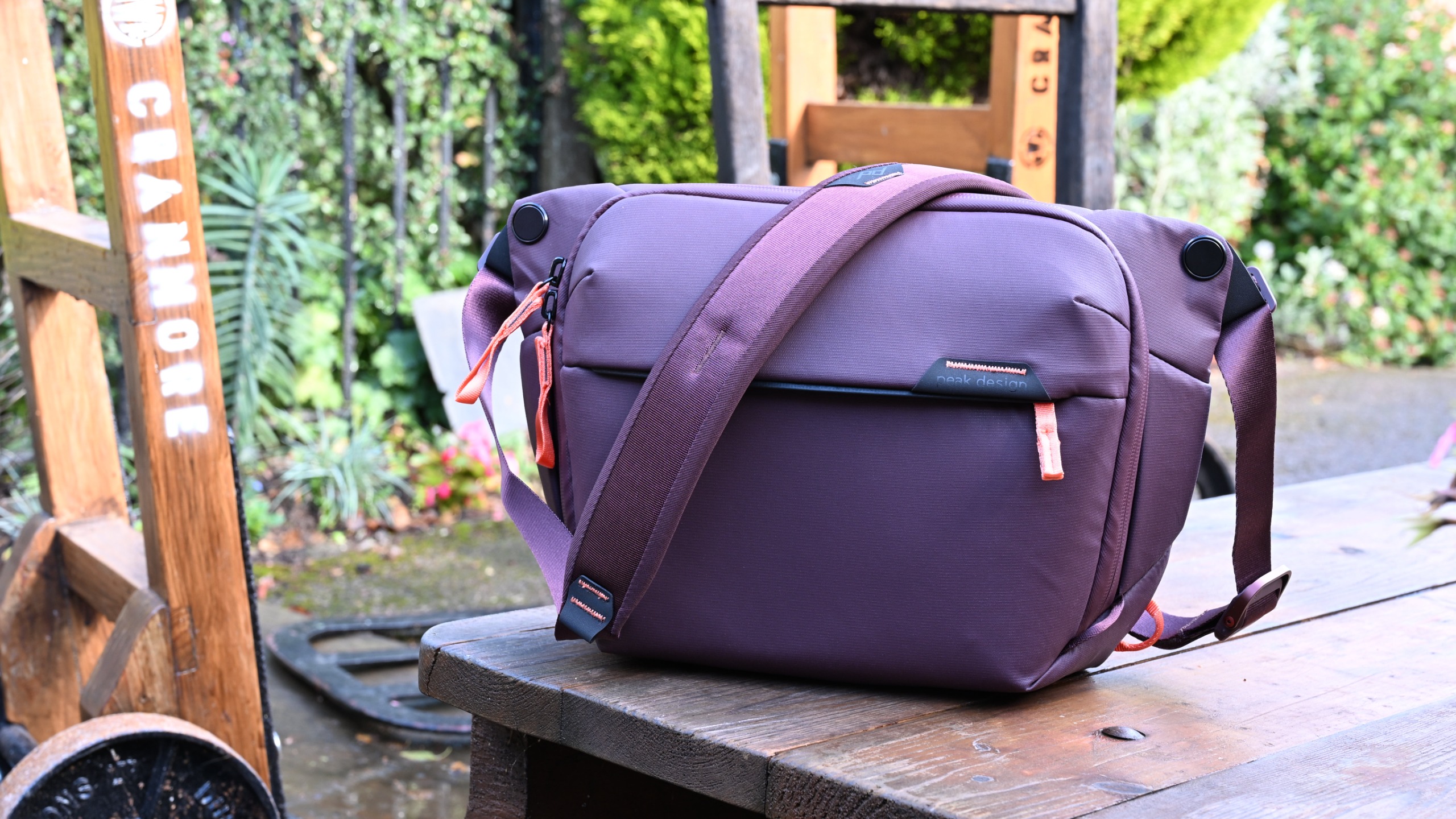
At the heart of the Peak Design Everyday Sling lies a commitment to material integrity and environmental responsibility. The product line, which includes 3-liter, 6-liter, and 10-liter variations, is constructed from a 400D double-poly-coated, DWR-impregnated nylon canvas shell. Notably, this material is 100% recycled from post-consumer sources, aligning with the company’s Climate Neutral and Fair Trade certifications.
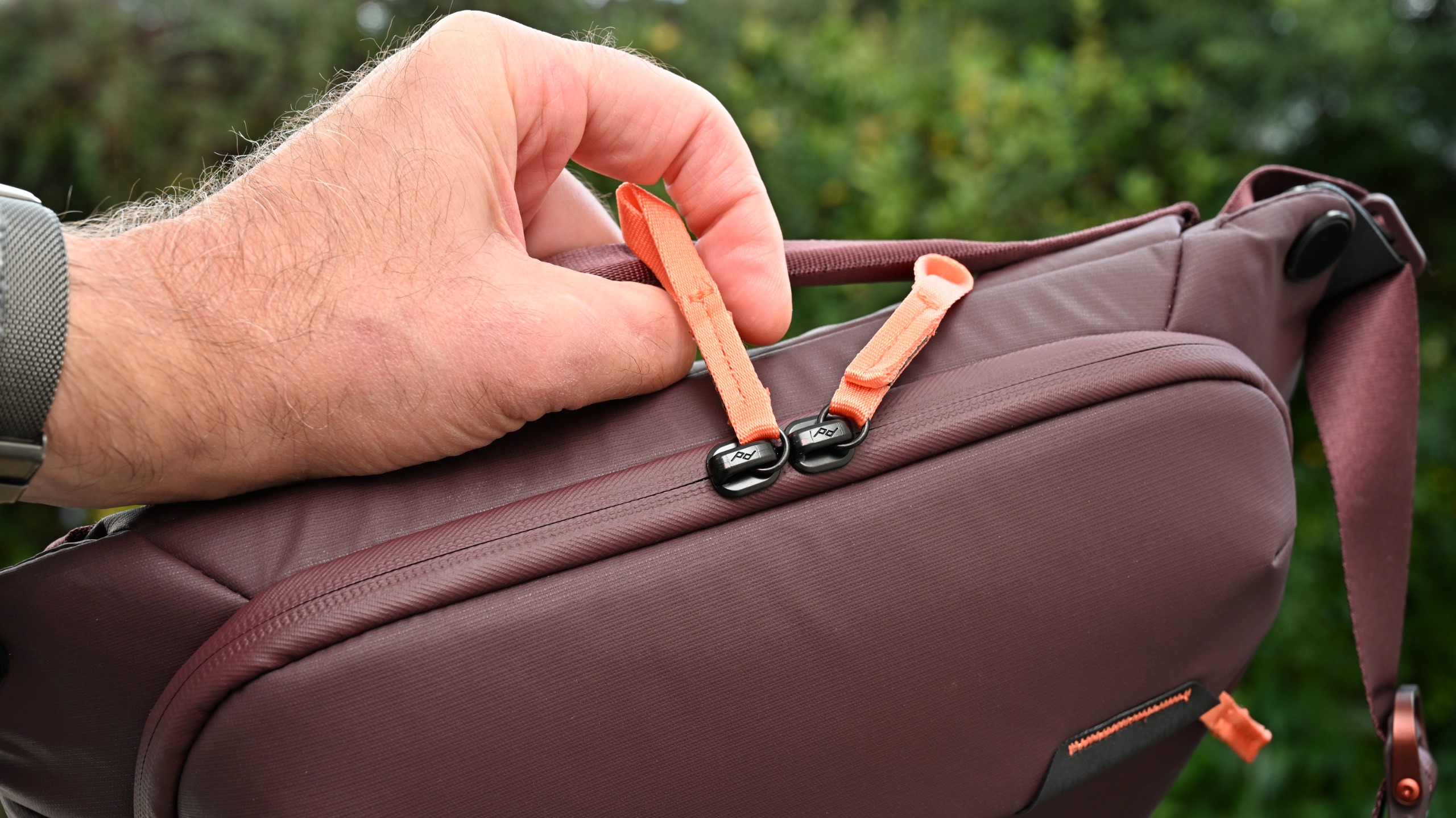
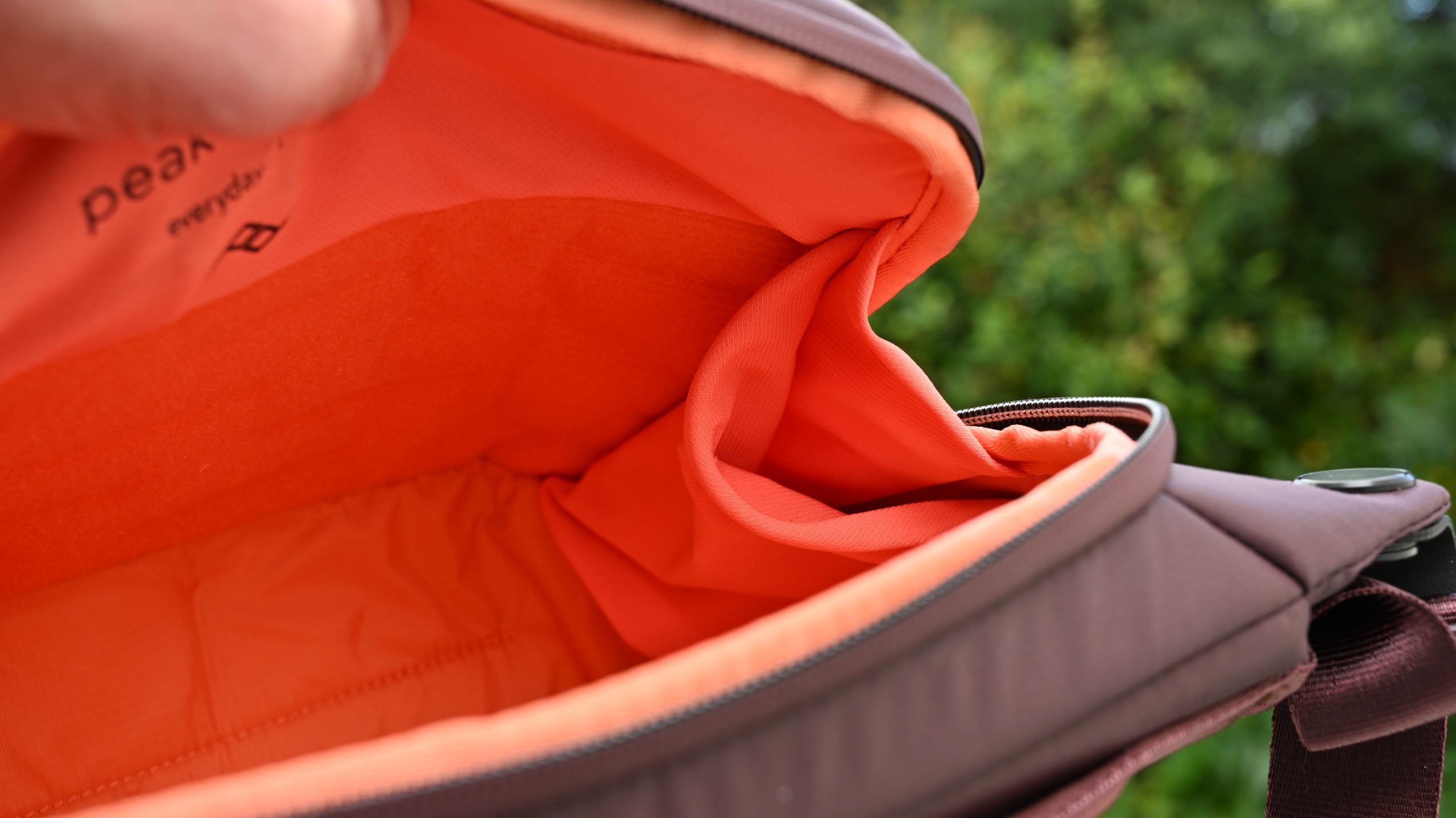
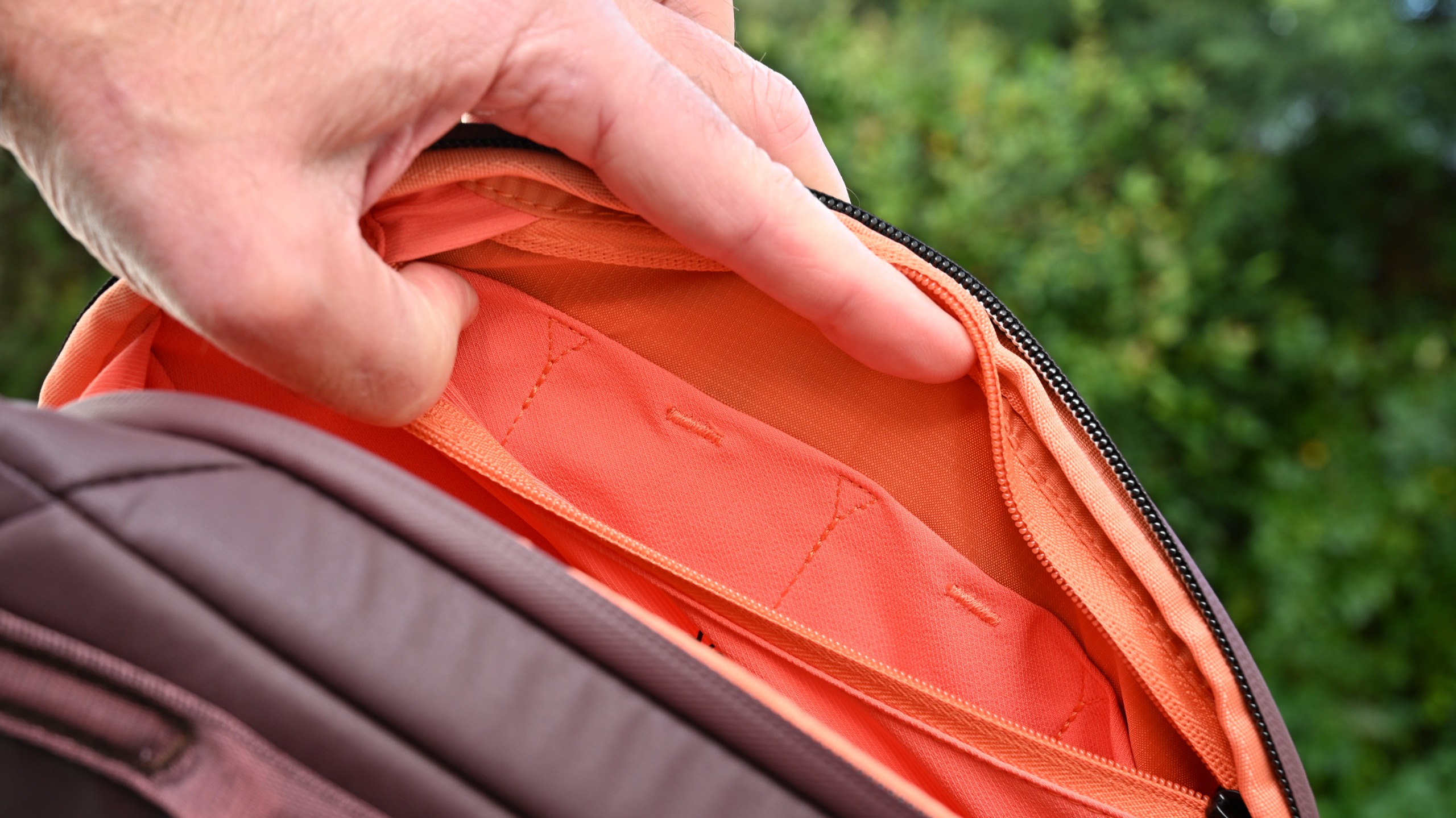
The engineering behind the bag extends to its hardware. Peak Design has utilized anodized aluminum and glass-reinforced nylon, materials chosen for their durability under rigorous field conditions. The integration of "UltraZips"—a proprietary zipper technology featuring abrasion-resistant UHMPE (Ultra-High-Molecular-Weight Polyethylene) thread—ensures that the bag remains functional even in challenging weather or temperatures that would cause standard zippers to seize.
Chronology of the Product Line
Peak Design first gained significant market traction through successful crowdfunding campaigns, which established a community-driven development model. The "Everyday" series was introduced to bridge the gap between dedicated camera equipment storage and the demands of modern urban commuting. The Sling, specifically, was developed to address the needs of photographers who required a minimalist carry option that did not sacrifice the organizational capabilities of a larger backpack.
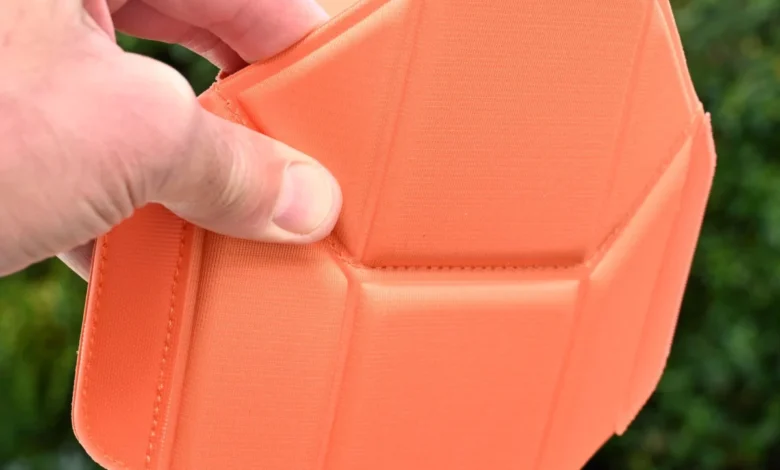
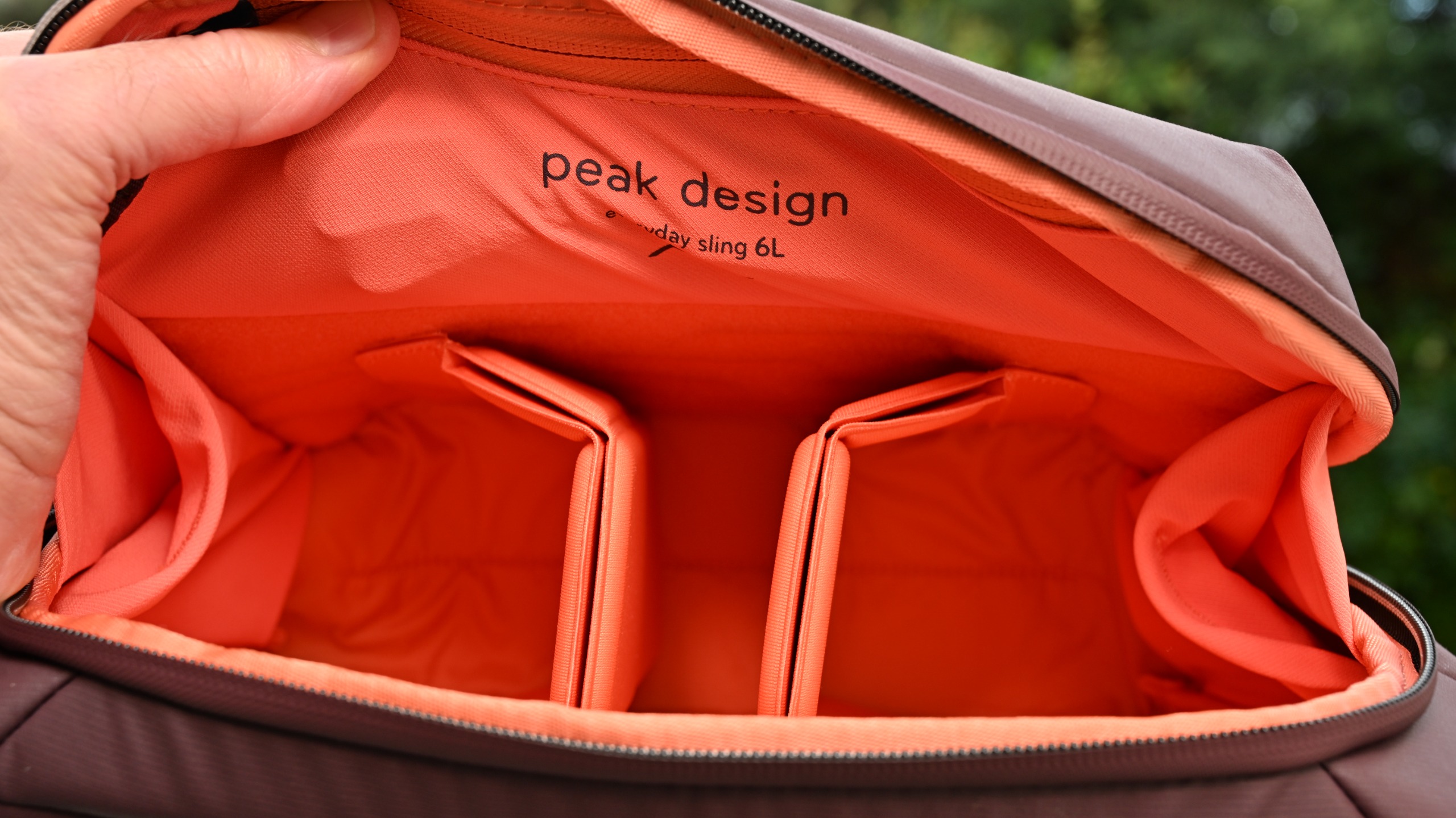
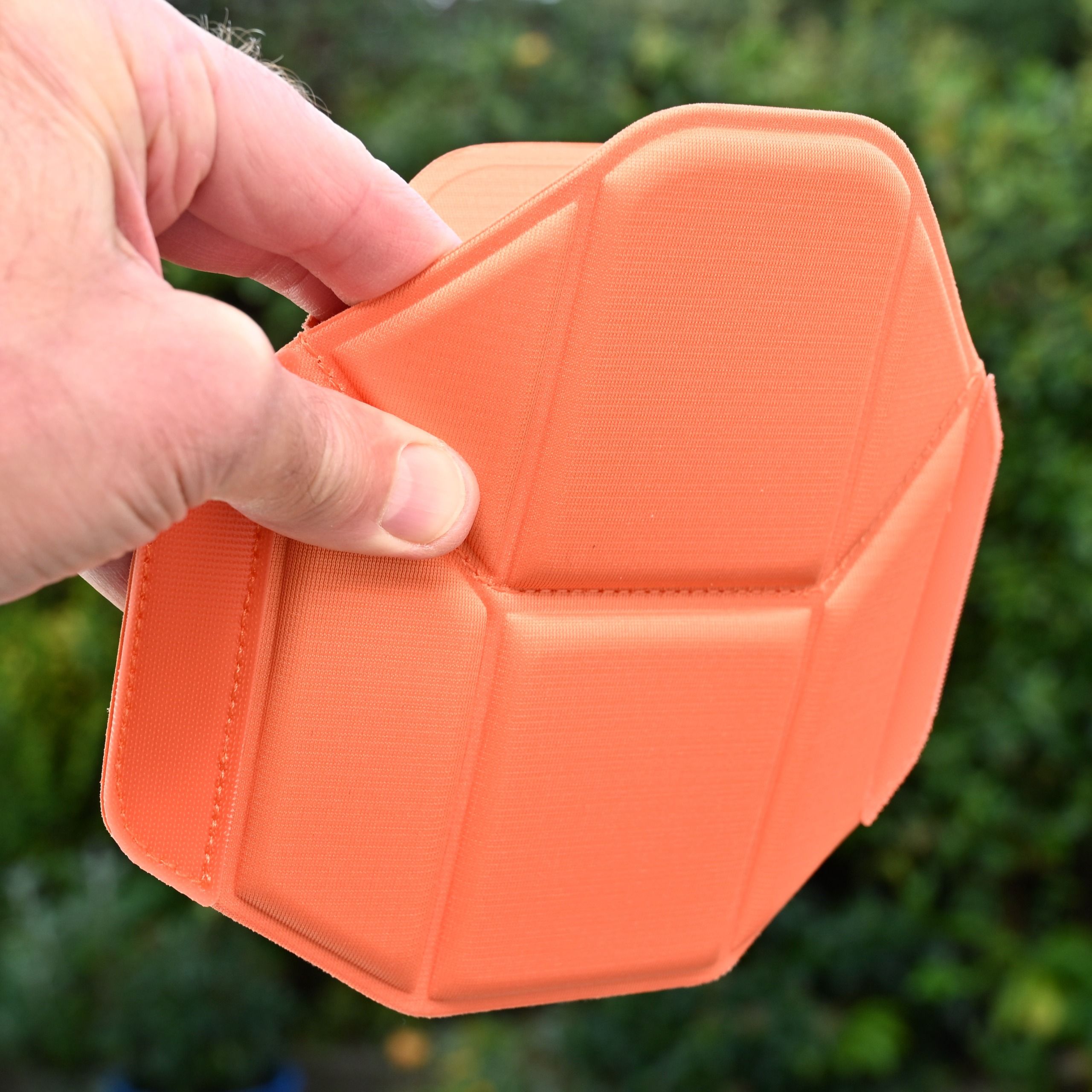
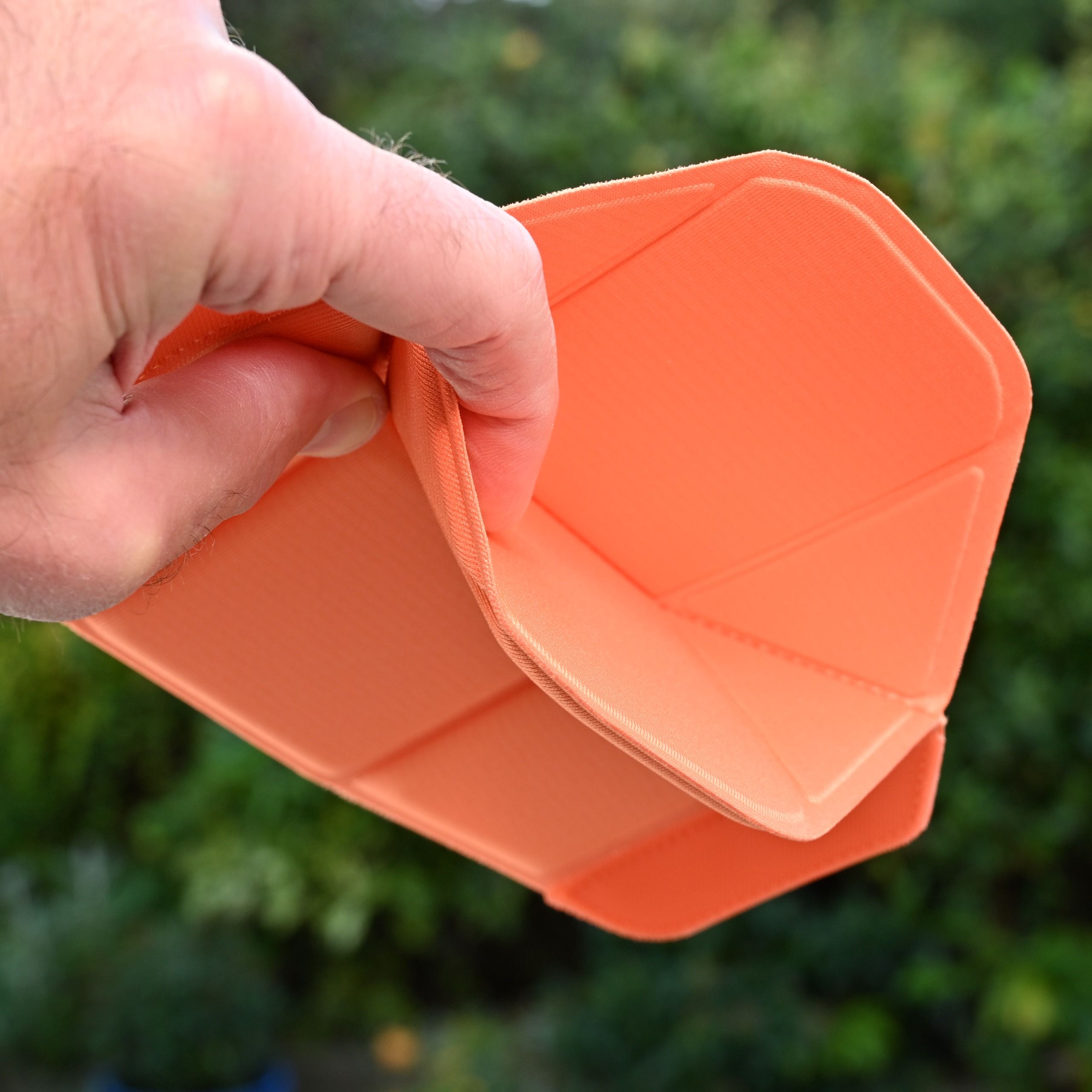
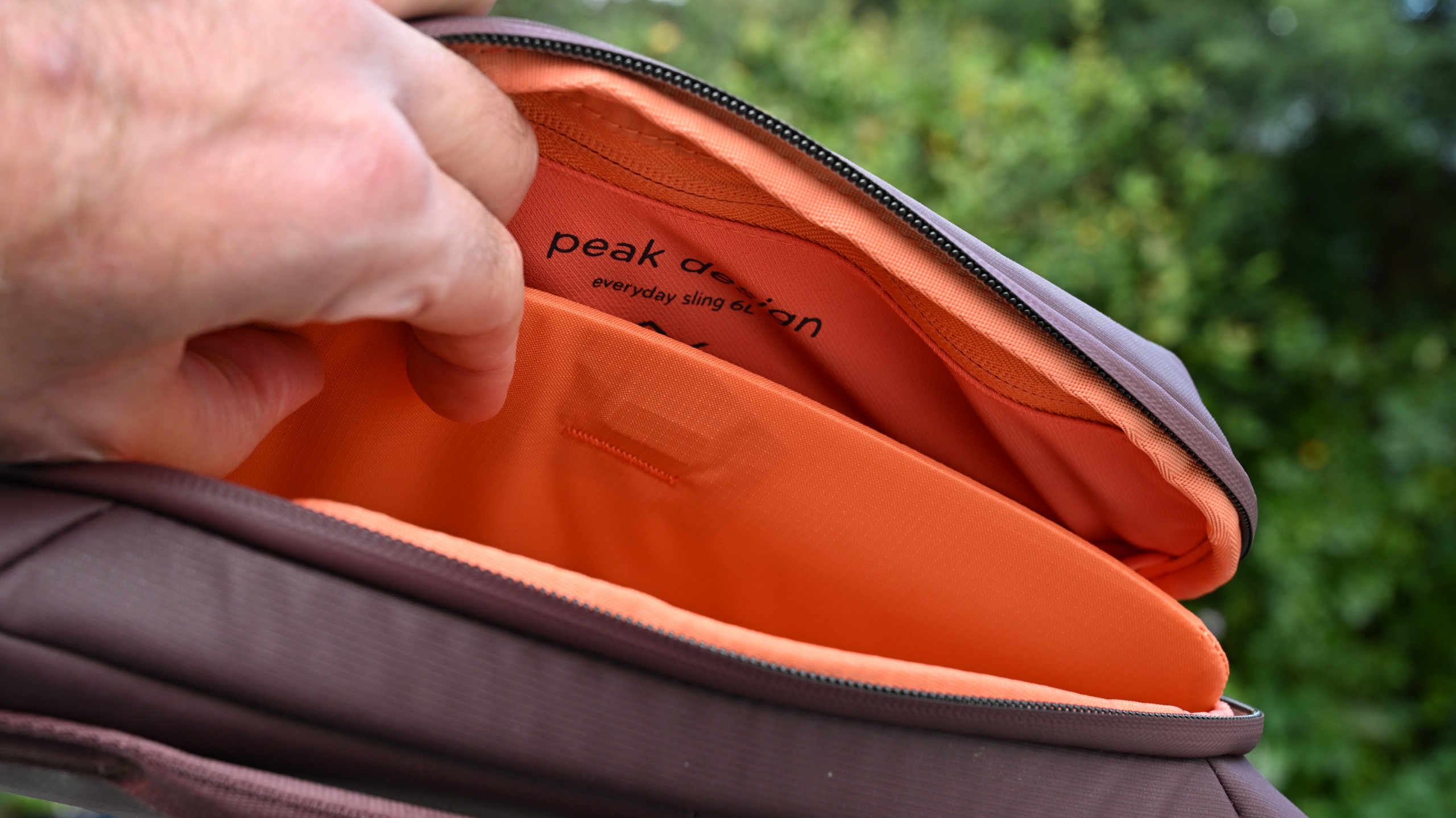
Over the past several years, the company has refined the Sling through successive versions, adjusting internal configurations and strap ergonomics based on user feedback. The current model represents the culmination of this iterative process, featuring modular "origami-inspired" dividers that allow for custom internal layouts. These dividers are designed to fold and bend, creating tiered storage options that effectively double the usable vertical space within the bag.
Performance Specifications and Capacity Analysis
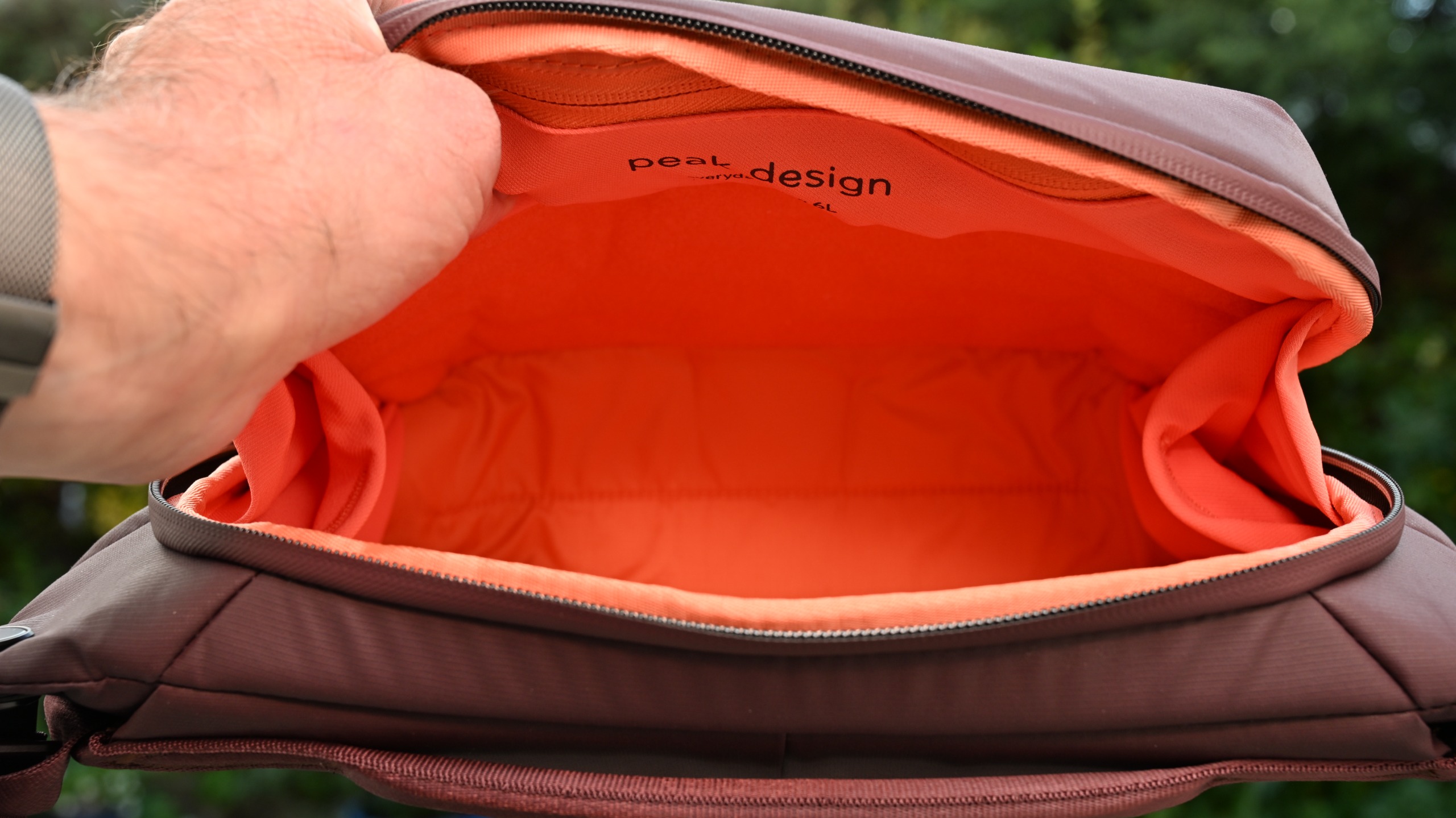
The versatility of the Everyday Sling is best illustrated by its modular capacity. While the 3L model is tailored for mirrorless camera bodies with a prime lens, the 6L and 10L versions accommodate more complex setups.
- The 3L model serves as an ultralight carry for a single camera body.
- The 6L model introduces an internal sleeve for an 11-inch tablet and is the most popular choice for professionals requiring a "grab-and-go" solution.
- The 10L model expands the internal dimensions to house both an 11-inch tablet and a 14-inch laptop, catering to digital nomads who require on-site editing capabilities.
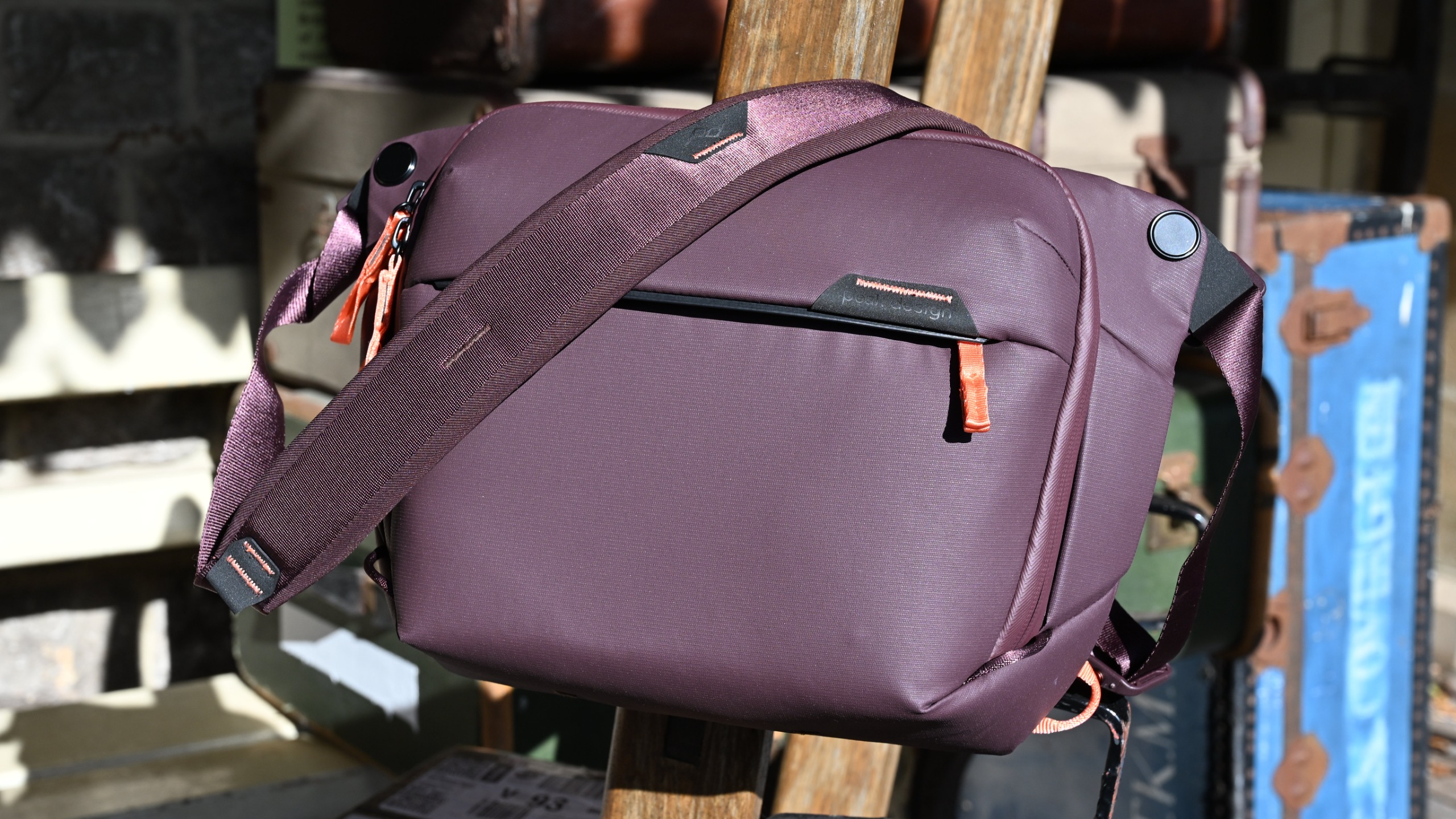
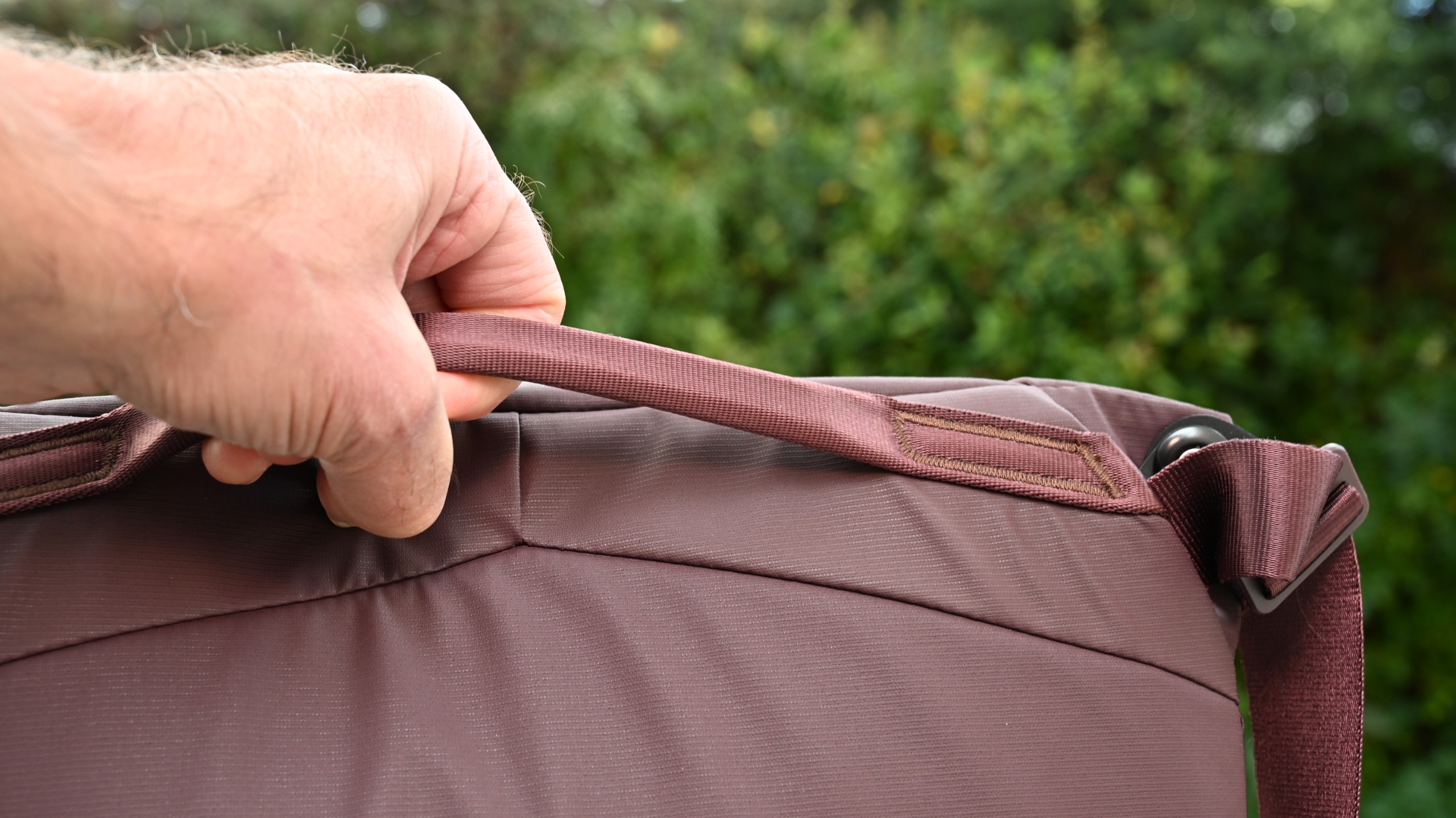
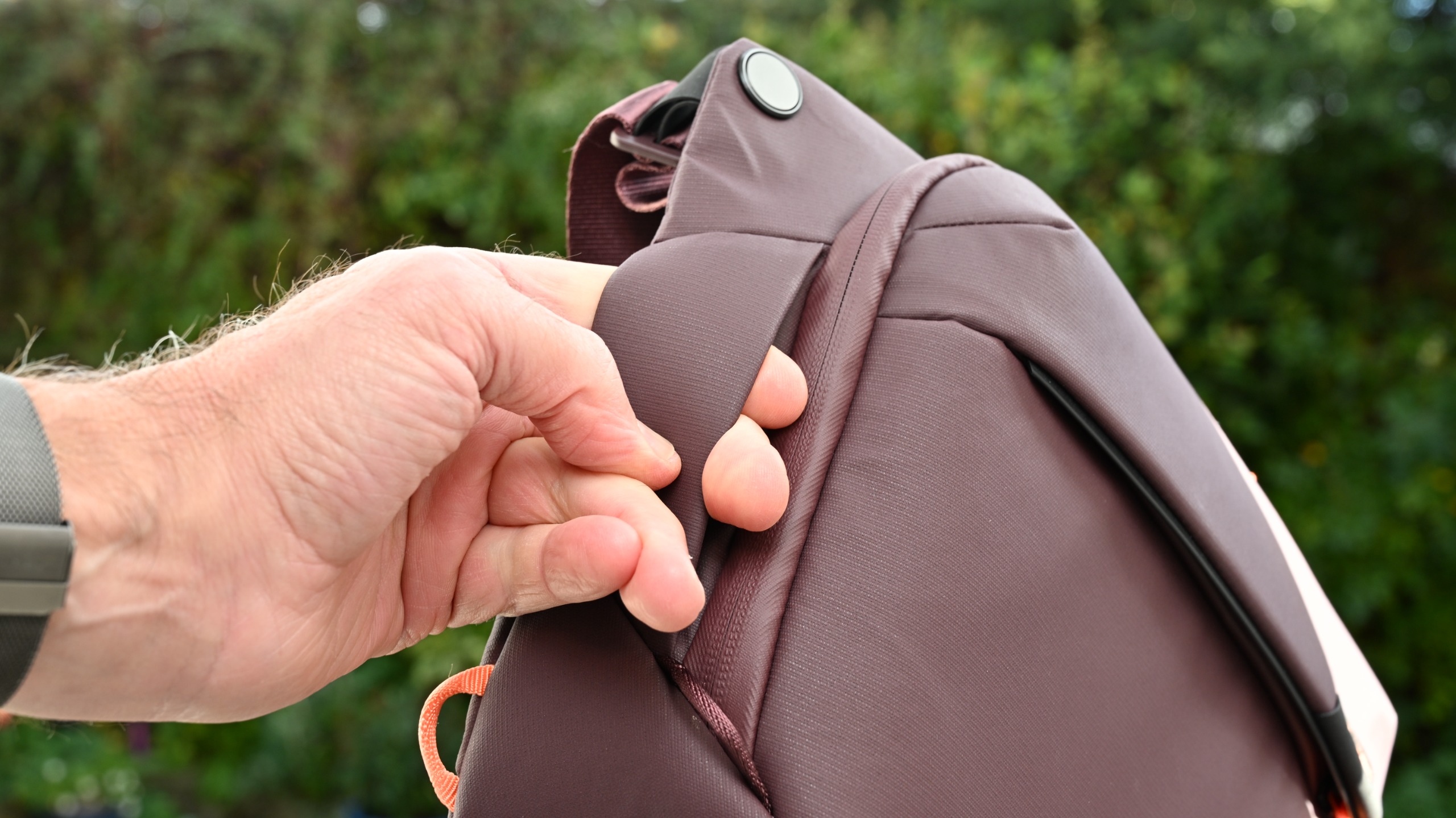
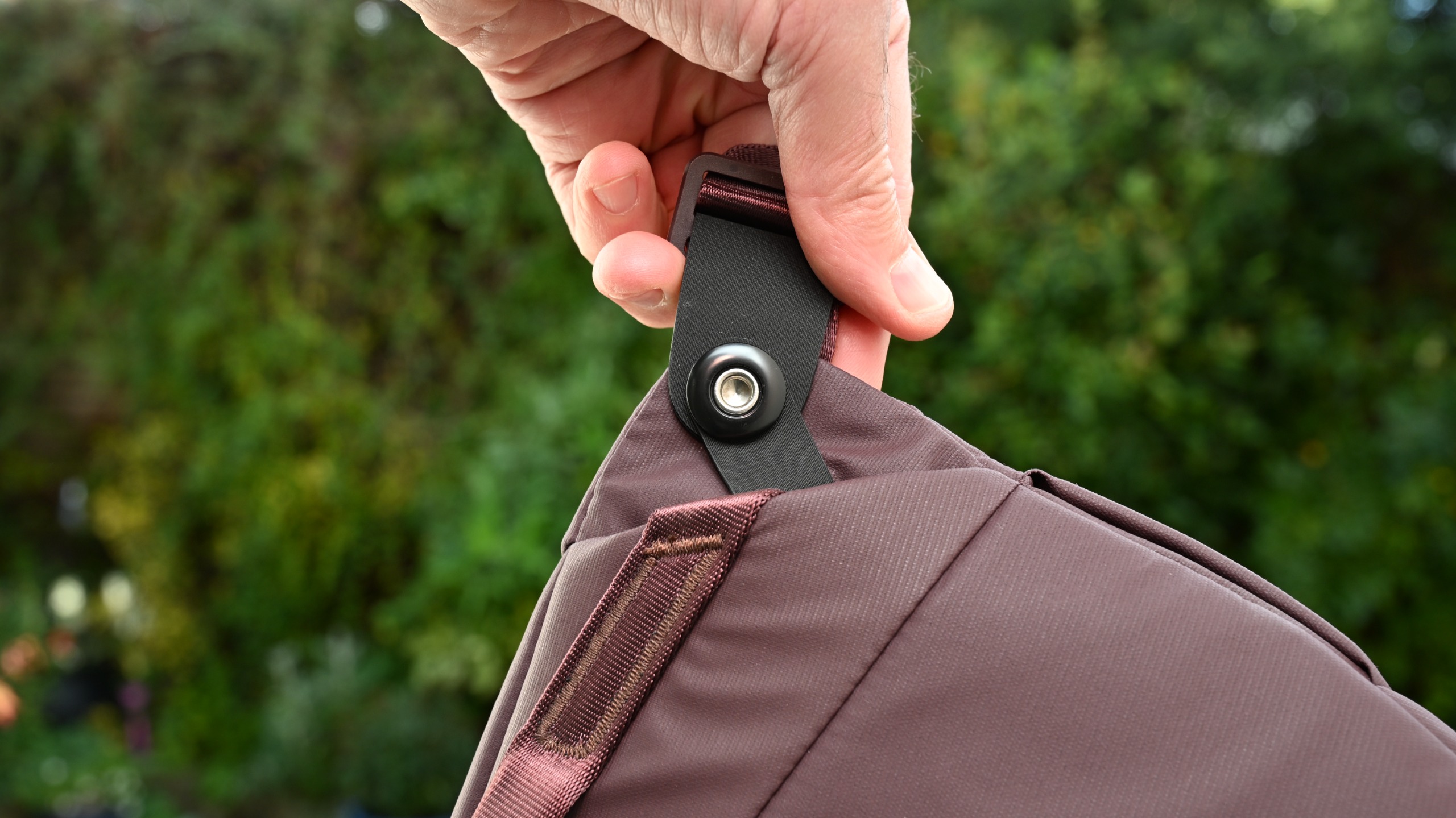
A key performance metric is the bag’s ability to maintain a low profile while fully loaded. The strap system utilizes axial pivot points, which allow the bag to sit flush against the body, regardless of whether it is carried as a shoulder bag, a cross-body messenger, or a waist pack. This ergonomic adjustment is facilitated by a quick-release clasp, allowing for one-handed length modifications—a feature that provides significant utility in fast-paced shooting environments.
Data-Driven Assessment of Utility
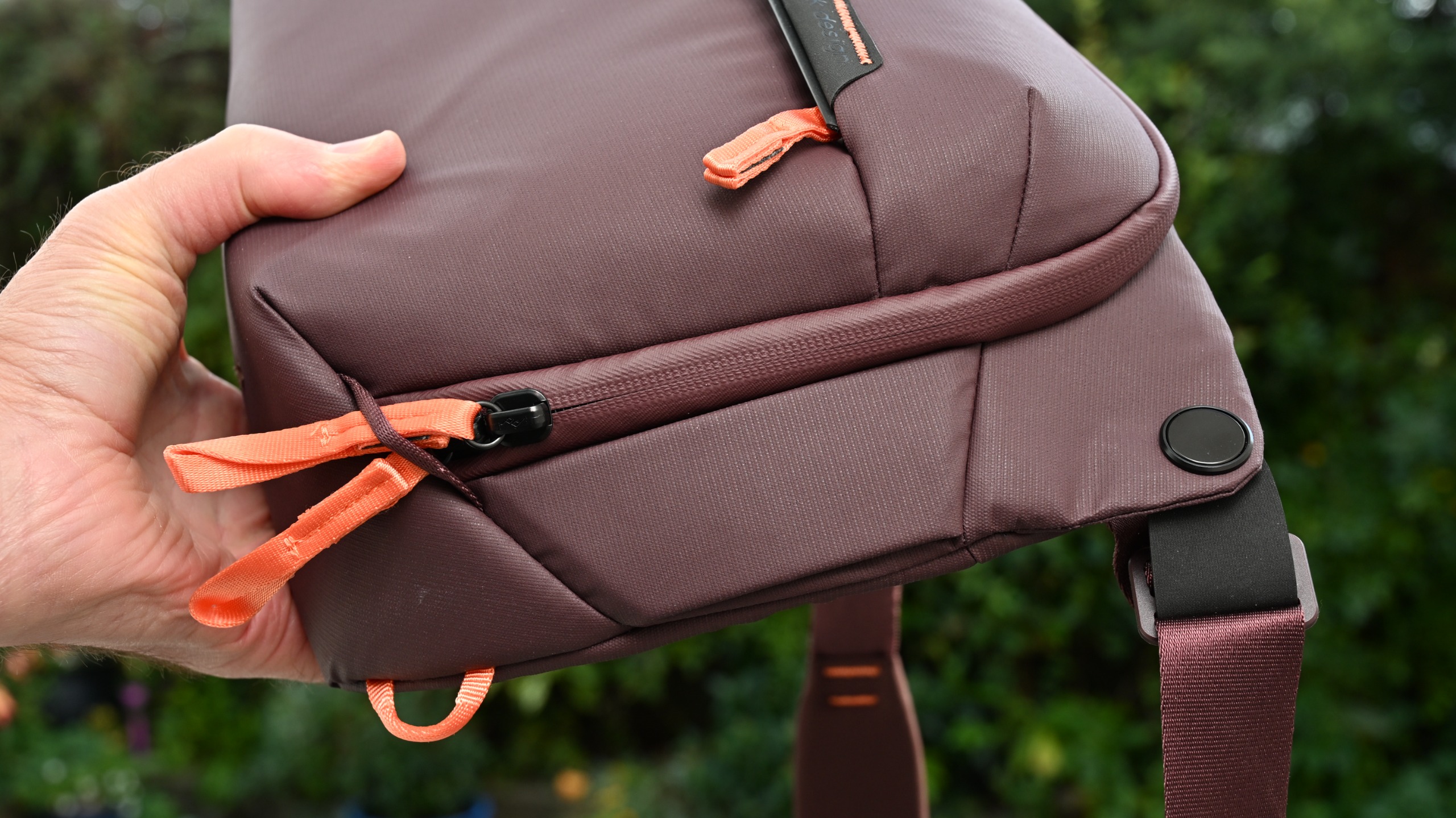
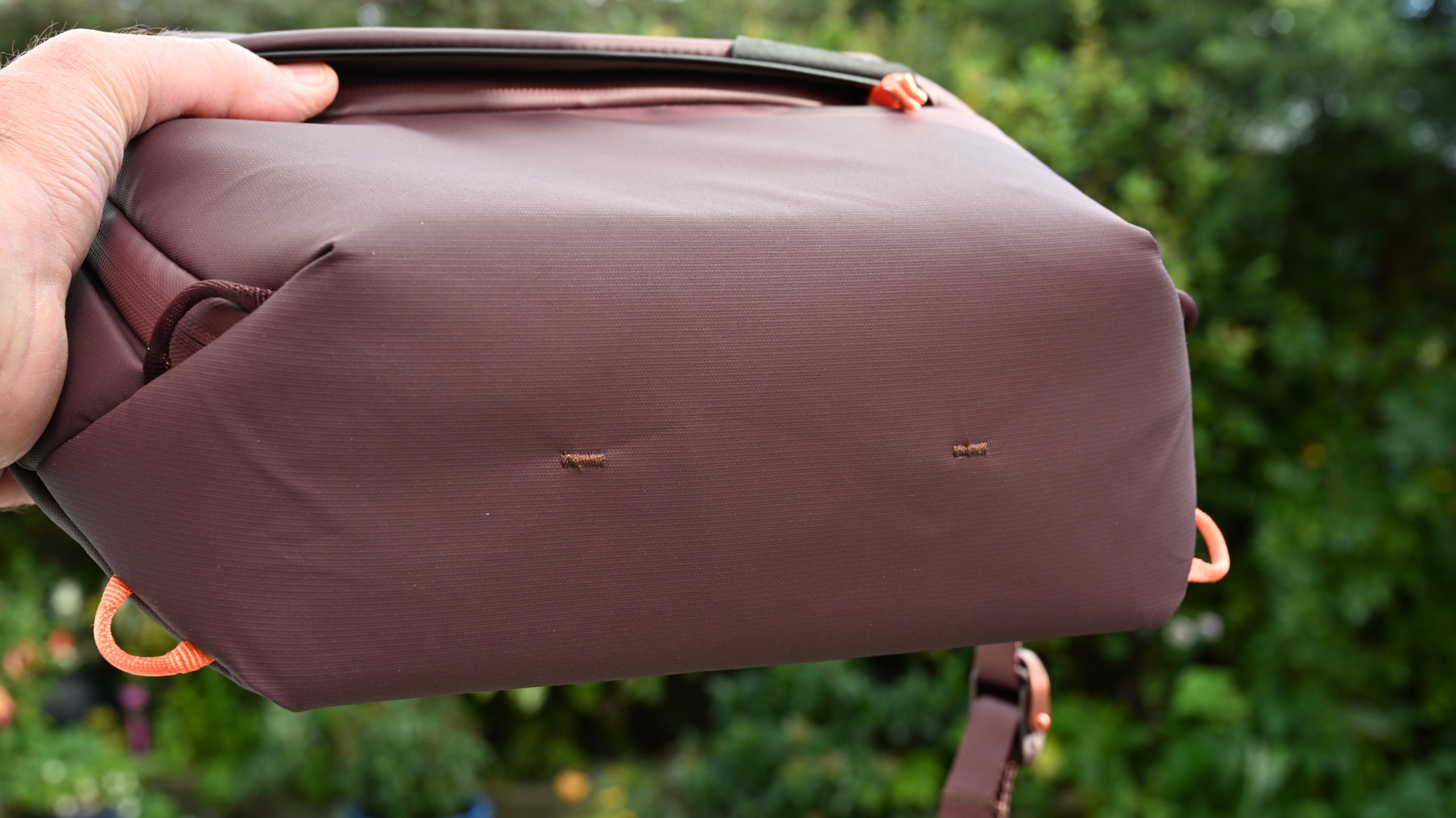
The inclusion of external carry points significantly elevates the utility of the Sling. By utilizing four attachment loops at the base of the bag, users can secure external items such as tripods, umbrellas, or rolled blankets using the provided Cord Hook straps. This effectively shifts the burden of bulkier gear from the internal compartment to the exterior, preserving the primary storage area for sensitive optics and electronics.
Furthermore, the integration of Capture Clip points on the sides of the bag allows photographers to mount their camera directly to the exterior of the sling. This feature is a direct response to the industry-wide demand for rapid deployment, allowing the photographer to secure their gear between shots without the need to zip and unzip the main compartment.
Environmental and Ethical Standards
Peak Design’s commitment to sustainability is not merely a marketing footnote; it is a core operational pillar. The company’s Climate Neutral certification requires rigorous third-party auditing of their carbon footprint, from raw material extraction to final delivery. By ensuring their manufacturing partners adhere to Fair Trade guidelines, Peak Design attempts to mitigate the social costs often associated with mass-produced consumer electronics accessories.
This approach has set a standard within the photography equipment industry, compelling competitors to reconsider their own supply chain transparency. While the price point—ranging from approximately $99 to $135 depending on the model—sits at the premium end of the market, the longevity of the materials and the ethical manufacturing practices provide a strong justification for the investment.
Comparative Analysis and Market Position
When analyzed against industry peers, the Everyday Sling occupies a unique segment. Competitors such as the Vanguard Veo City series offer similar weather-resistant designs and tripod attachment capabilities. However, Peak Design’s advantage lies in the ecosystem of compatible accessories, such as the aforementioned Capture Clip, which integrates seamlessly across their entire product line, from backpacks to straps.
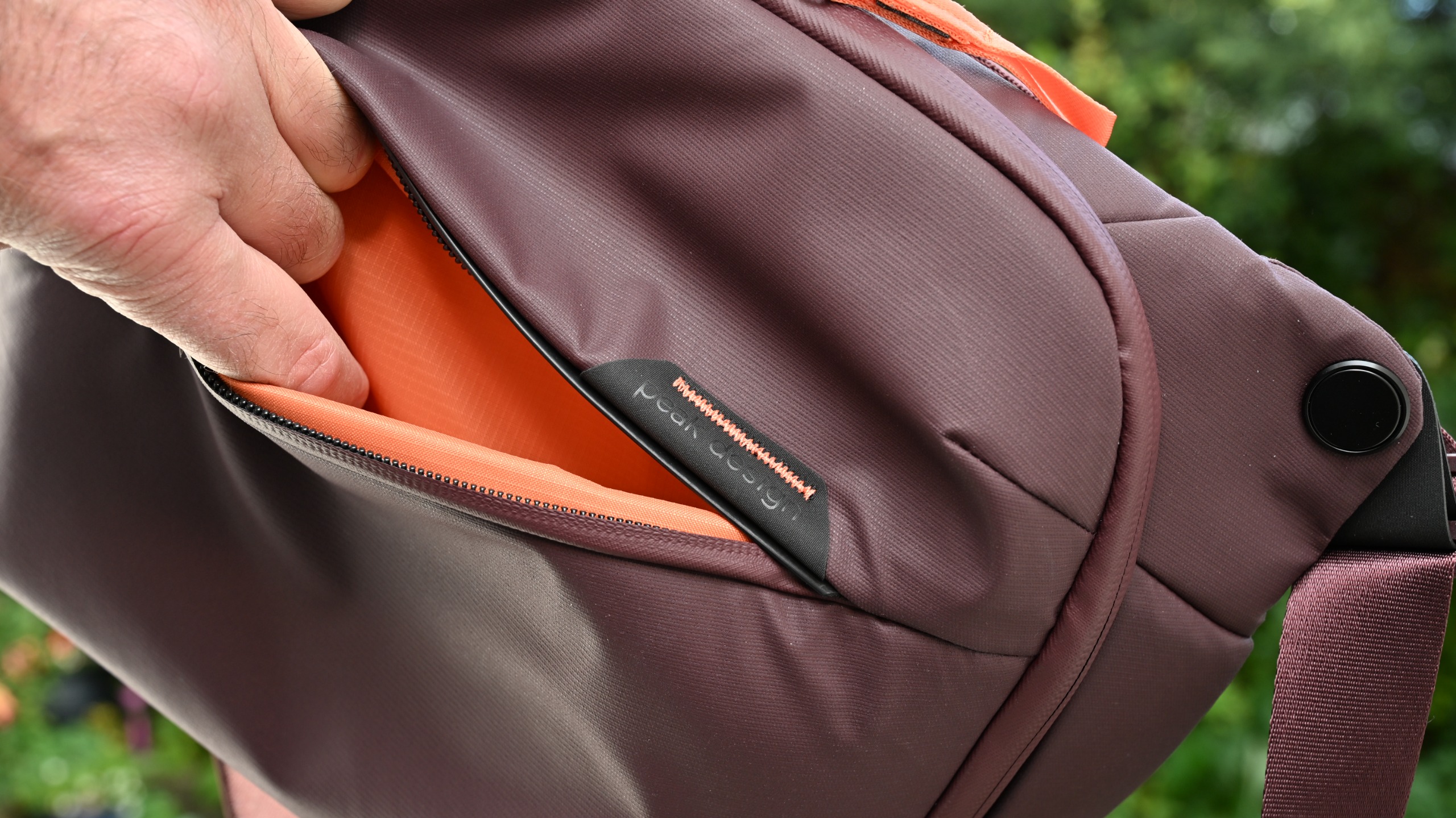
The primary limitation of the Everyday Sling is its lack of a fully waterproof rating or an included rain cover. While the 900D waterproof bottom liner and DWR-impregnated fabric provide sufficient protection during moderate rainfall, extreme conditions may necessitate additional precautions. However, in field testing, the hardware and fabric have demonstrated a high level of resilience, often outperforming bags with traditional, less durable synthetic coatings.
Implications for the Professional Workflow
The implications of using a well-engineered carry system extend beyond simple convenience; they impact the photographer’s ability to remain mobile and responsive. In professional fields such as photojournalism or street photography, the ability to switch between carrying modes—waist for stability during movement, cross-body for quick access—is critical.
The design of the Sling reflects an understanding of these workflows. By providing a secure, stable, and highly organized environment for high-end gear (such as the Nikon Z6 III or similar professional mirrorless systems), the bag minimizes the cognitive load on the photographer. When the equipment is organized and easily accessible, the photographer can focus entirely on the subject matter, effectively rendering the bag an invisible but essential part of the creative process.
Final Assessment
The Peak Design Everyday Sling represents a balanced marriage of form and function. By emphasizing modularity, the manufacturer has created a product that remains relevant whether the user is carrying a full camera kit or simply daily essentials. The choice of high-quality materials and the dedication to sustainable manufacturing further solidify its position as a long-term investment.
While it lacks the absolute protection of a hard-shell case, it offers a level of refinement and adaptability that is difficult to find in current market offerings. For the professional photographer or the enthusiast who values both equipment security and environmental responsibility, the Everyday Sling provides a compelling case for being the "bag for life." As photography continues to evolve toward more compact and powerful systems, the demand for carry solutions that mirror this evolution will only increase, and Peak Design is well-positioned to remain at the forefront of that demand.