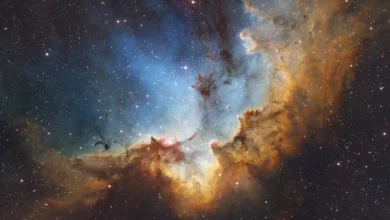
The Cosmic Feline: NASA Reveals Stunning New Imagery of the Cat’s Head Nebula Captured by Hubble and Webb

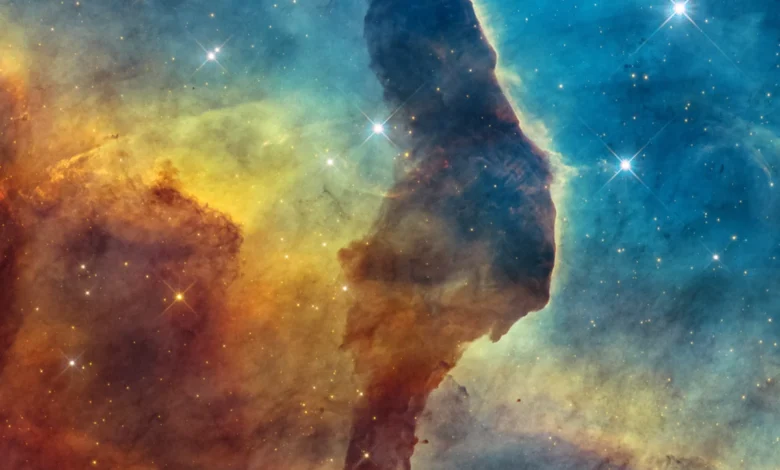
The vast, intricate tapestry of the Carina Nebula has long served as a primary laboratory for astrophysicists studying the violent and beautiful processes of stellar birth. Located approximately 7,500 light-years from Earth in the constellation Carina, this stellar nursery is one of the largest and most luminous nebulae in our galaxy. Recently, NASA unveiled a series of striking new images that have captured the public imagination, highlighting a specific region within the nebula that bears a remarkable resemblance to the silhouette of a cat. Appropriately dubbed the "Cat’s Head Nebula," this formation provides more than just a whimsical optical illusion; it serves as a high-resolution window into the complex mechanisms of star formation, dust interaction, and light emission.
A Multimodal Perspective on Stellar Evolution
The release of these images represents a collaborative success between two of humanity’s most powerful astronomical tools: the Hubble Space Telescope and the James Webb Space Telescope (JWST). By combining data from these two observatories, researchers have been able to view the nebula through different segments of the electromagnetic spectrum.
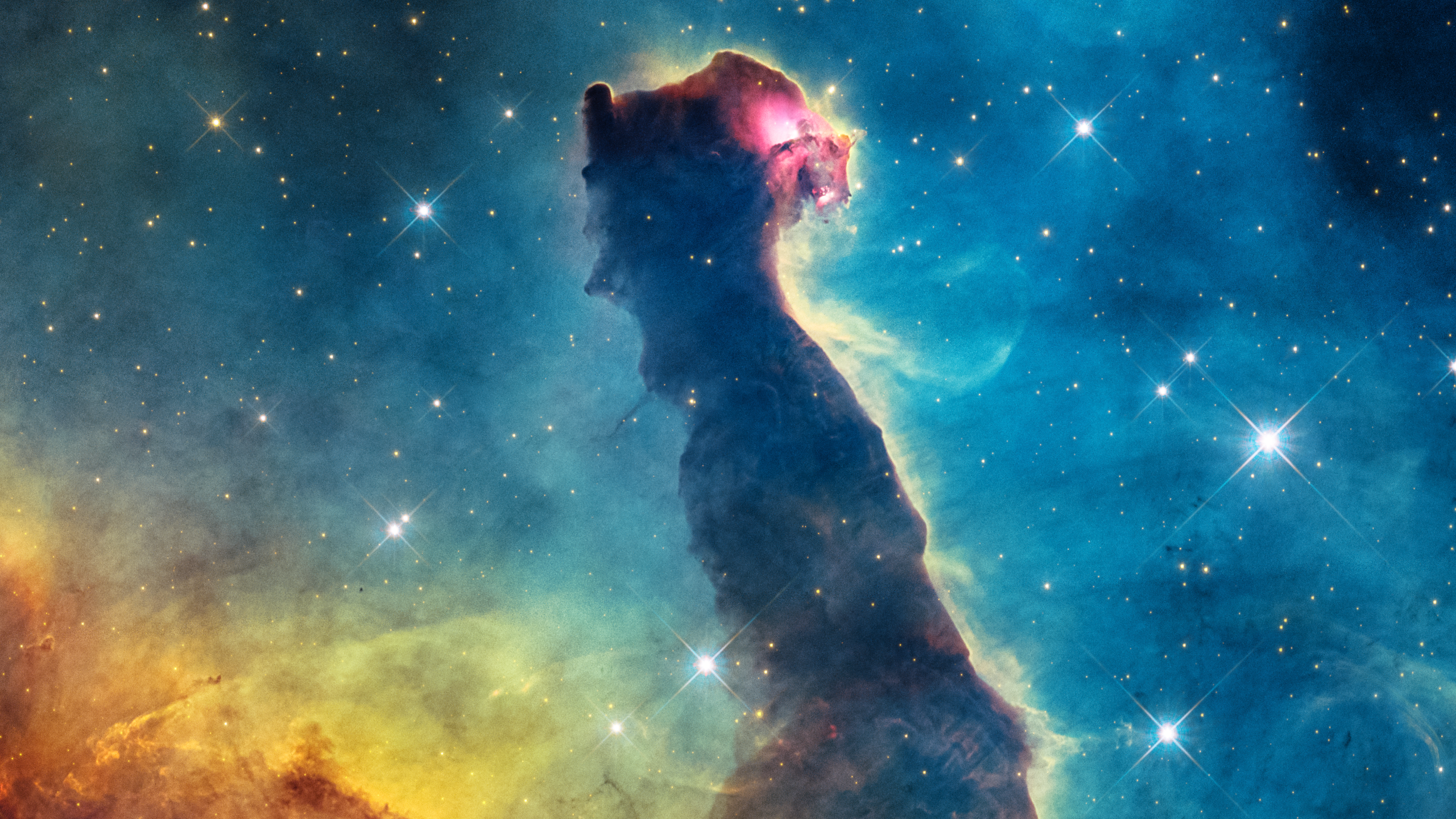
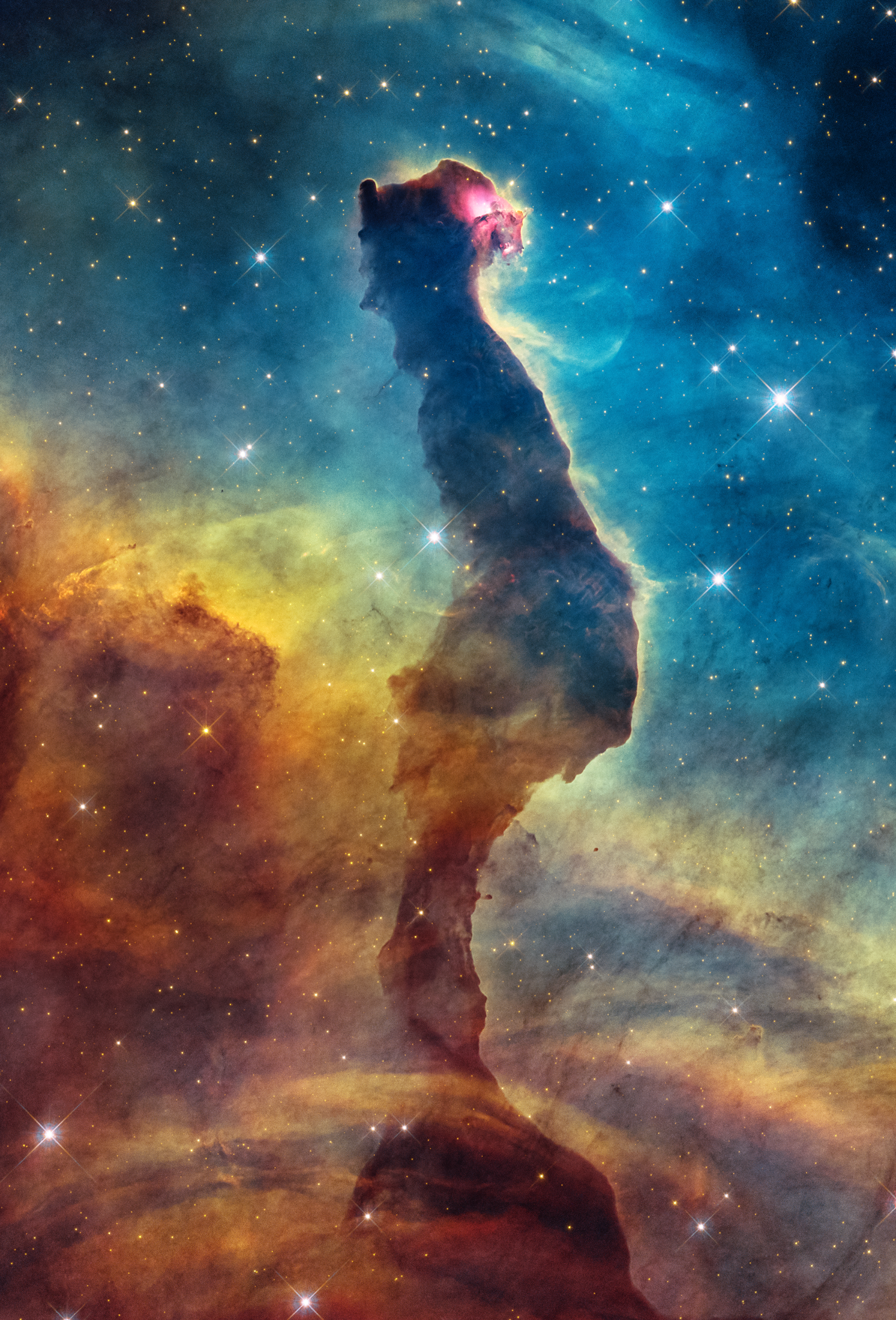
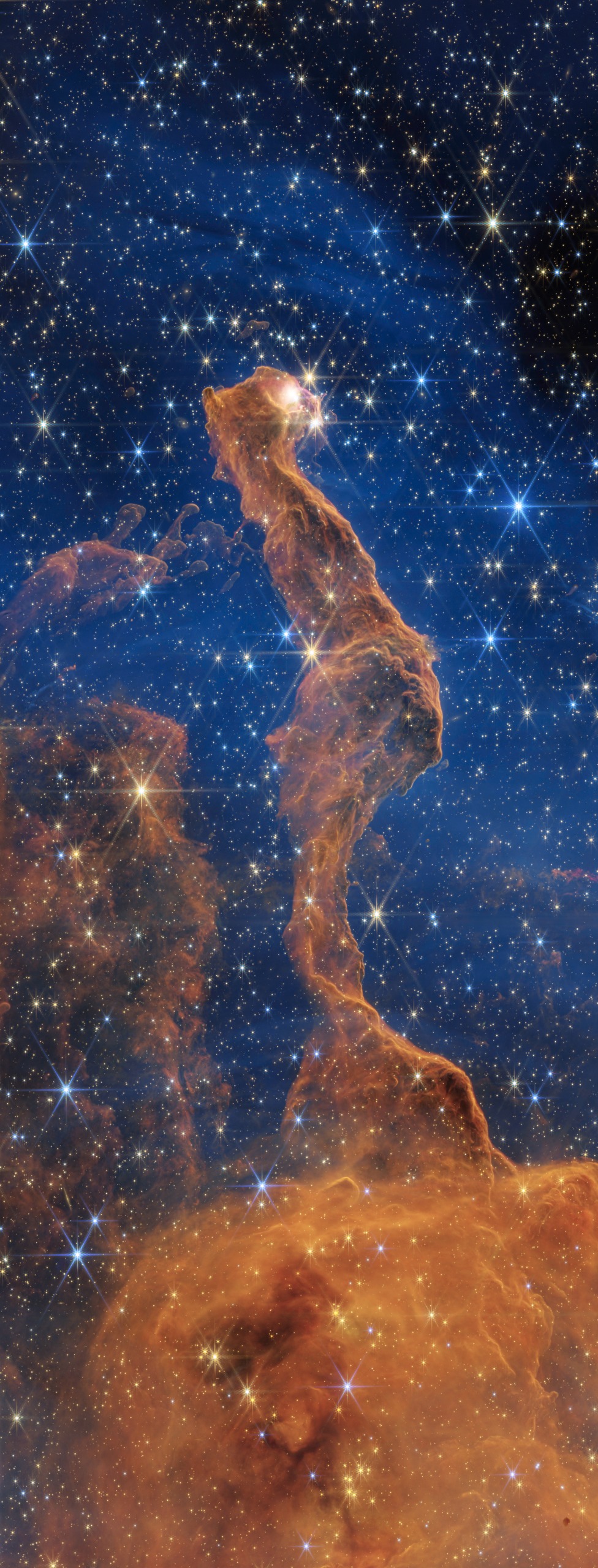
Hubble, which primarily observes in visible and ultraviolet light, has provided a view of the Cat’s Head that emphasizes the interaction between ionized gases and starlight. The resulting images reveal a vibrant, rainbow-like structure where oxygen, hydrogen, and sulfur emissions create a canvas of color. Conversely, the James Webb Space Telescope, designed to peer through dense cosmic dust using near-infrared and mid-infrared cameras, has stripped away the opaque veils of gas to reveal the skeletal structure of the nebula and the nascent stars hidden deep within its core.
Decoding the Cosmic Cat
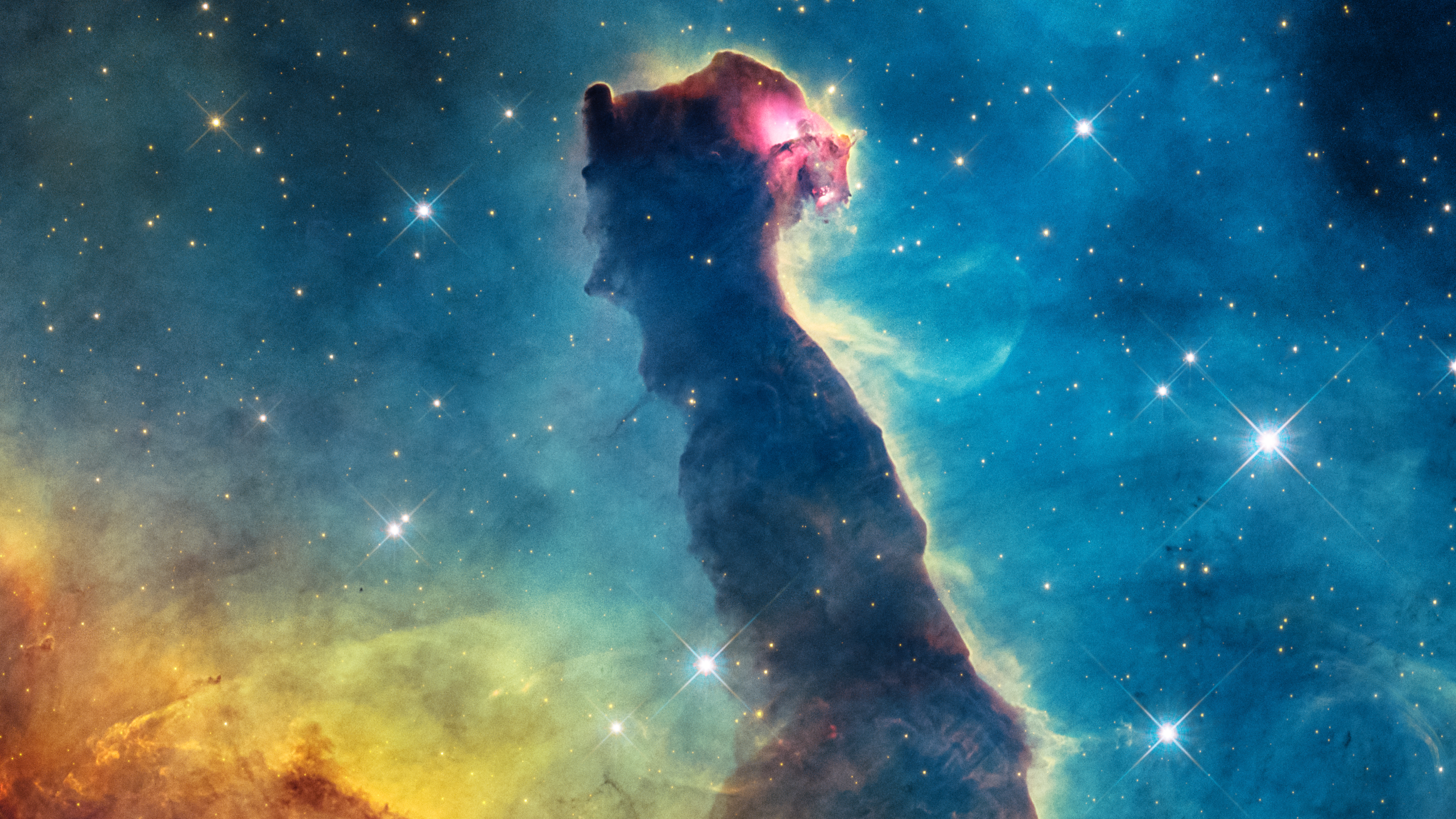
The "cat" shape itself is a product of dense pillars of interstellar dust and gas—the raw materials required for star birth. The "eye" of the cat, a feature that glows with a distinct, piercing intensity, is believed by astronomers to be a young, protostellar object. This infant star is still in the process of accreting matter from its surrounding environment. The dust that masks this star also obscures the light it emits, shifting its color toward the red and yellow spectrums as observed by the telescopes.
This phenomenon of "seeing" through dust is critical to modern astrophysics. Dust grains in space are excellent at absorbing visible light, which prevents ground-based optical telescopes from seeing the heart of these star-forming regions. By utilizing the infrared capabilities of the JWST, scientists can bypass this interference, effectively turning the nebula transparent to witness the gravitational collapse of gas clouds that eventually ignite into fusion-powered stars.
The Chronology of Discovery
The Carina Nebula was first documented in the 18th century by French astronomer Nicolas-Louis de Lacaille. Since then, it has been the subject of countless deep-space surveys. However, the modern era of high-resolution imaging began with Hubble’s deployment in 1990. Throughout the 2000s and 2010s, Hubble provided the foundational data for understanding the Carina Nebula’s "Mystic Mountain" and other iconic formations.
The introduction of the James Webb Space Telescope in 2021 marked a paradigm shift. While Hubble provided the color and texture of the nebula’s outer edges, Webb’s mid-infrared instrument (MIRI) has allowed researchers to map the thermal signature of the region. The comparison of these datasets over the last three years has allowed astronomers to construct a more accurate, three-dimensional model of how these nebulae evolve over time.
Scientific Implications of the Nebula’s Evolution
It is important to note that the image captured today is a temporal snapshot of a highly dynamic system. Because the nebula is 7,500 light-years away, we are viewing the region as it existed 7,500 years ago. Furthermore, the Cat’s Head is not a static sculpture; it is a temporary formation. As the massive, newborn stars within the nebula begin to emit powerful stellar winds and intense ultraviolet radiation, they will slowly erode the surrounding dust pillars.
This process, known as photoevaporation, will eventually disperse the "cat" shape entirely. The implication for researchers is that the nebula is in a constant state of flux. By studying the rate of this dispersal, scientists can better calibrate their models for the life cycle of stars. These insights are not limited to our own galaxy; they inform our understanding of how star-forming regions in the distant, early universe functioned billions of years ago.
Data Analysis and Composition
The data released by the Space Telescope Science Institute (STScI) highlights the differences in light excitation. In the Hubble imagery, the bright blue regions are indicative of ionized gas, where high-energy radiation from nearby stars has stripped electrons from hydrogen and oxygen atoms. The dark, opaque regions represent "cool" dust, which remains dense enough to block light entirely.
The Webb imagery, by contrast, shows the mid-infrared emission from carbon-based molecules—specifically polycyclic aromatic hydrocarbons (PAHs). These molecules glow brightly in the mid-infrared, tracing the boundaries where the intense radiation from the star-forming center meets the cold, dark molecular cloud. This transition zone is where the most active star formation is currently occurring, making it a "hotspot" for astrophysical interest.
Official Perspectives and Future Research
NASA officials and associated researchers at the STScI have emphasized that while the "cat" nickname is a matter of pareidolia—the psychological tendency to perceive meaningful shapes in random patterns—the underlying scientific data is far from random. Joseph DePasquale, who led the image processing for this release, noted that the objective is to balance scientific accuracy with visual clarity to help the public grasp the scale and composition of the region.
The scientific community is already planning follow-up observations. While these images focus on the visual and infrared structure, future missions might employ X-ray observatories, such as the Chandra X-ray Observatory, to map the high-energy environments surrounding the young stars. Combining X-ray data with the existing infrared and visible light data would provide a comprehensive, multi-wavelength map of the nebula, showing how heat, light, and high-energy particles interact in a single, localized space.
Broader Context: Why the Carina Nebula Matters
The Carina Nebula is a laboratory for understanding the "Feedback Loop" of star formation. When stars are born, they do not just appear; they fundamentally change the environment that created them. The heat and light they emit push away the remaining gas, which can either halt the formation of neighboring stars or trigger it by compressing gas in adjacent clouds.
By studying the Cat’s Head, astronomers are essentially looking at the "feedback" process in action. This is the same process that formed our own Sun and its planetary system roughly 4.6 billion years ago. Consequently, the Cat’s Head Nebula is a window into our own origins, helping us understand the conditions that were necessary for the formation of the solar system and, ultimately, the conditions that allowed for the development of life on Earth.
Conclusion
The release of the Cat’s Head Nebula imagery serves as a dual-purpose milestone. It provides the public with a visually arresting reminder of the artistic beauty present in the cosmos, while simultaneously providing professionals with high-fidelity data on the energetics of star formation. As technology advances, the clarity of these images will only improve, revealing even finer details within the dust. For now, the Cat’s Head remains a testament to the power of human engineering—using mirrors and sensors floating in the vacuum of space to turn invisible cosmic processes into something we can not only see but also understand. Whether through the lens of Hubble’s visible light or the piercing infrared gaze of the James Webb, the Carina Nebula continues to be one of the most vital regions of the sky, guarding the secrets of how stars are born, how they evolve, and how they eventually scatter their elements back into the cosmos to seed the next generation of celestial bodies.