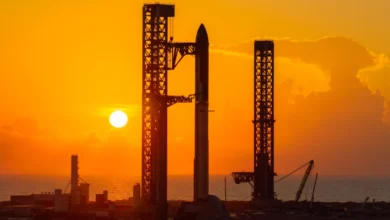
SpaceX Raptor 4 engine development marks a major leap in heavy-lift propulsion performance for the Super Heavy booster


The evolution of SpaceX’s Raptor engine program has reached a critical juncture, as the company shifts its focus toward the next iteration of its methalox-fueled propulsion system. Raptor 4, the latest evolution in this high-performance engine family, is projected to achieve 300 metric tons of sea-level thrust while maintaining a mass profile nearly identical to its predecessor, the Raptor 3. This advancement underscores an aggressive engineering strategy aimed at maximizing the payload capacity and operational efficiency of the Starship launch vehicle. By continuously refining the thrust-to-weight ratio, SpaceX is fundamentally altering the economics and capabilities of orbital launch operations, setting the stage for more ambitious deep-space missions.
A Chronology of Raptor Evolution
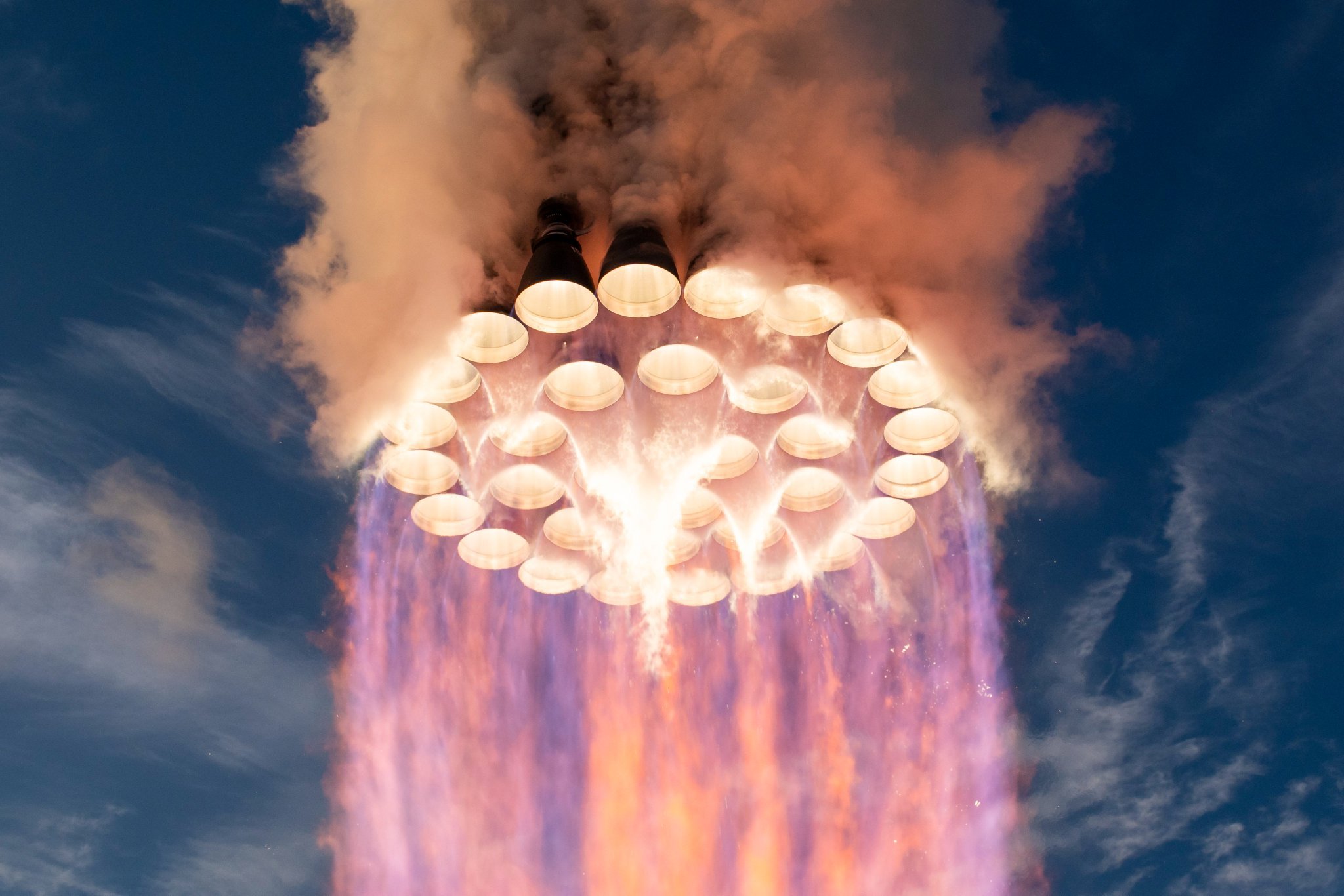
The development of the Raptor engine has been characterized by rapid, iterative design cycles. The original Raptor 1 engine established the foundation for the Starship architecture, delivering 185 metric tons of thrust with a dry mass of approximately 2,080 kilograms. As SpaceX moved to Raptor 2, engineers focused on increasing power while simultaneously shedding dead weight. Raptor 2 successfully boosted thrust to 230 metric tons while reducing the mass to roughly 1,630 kilograms, a significant improvement in efficiency.
The transition to Raptor 3 marked a further refinement, targeting 280 metric tons of thrust at a mass of 1,525 kilograms, with operational flight ratings often cited near 250 tons. With the announcement of Raptor 4, SpaceX aims to push the performance envelope to 300 metric tons of thrust at sea level. This trajectory represents a cumulative thrust increase of more than 60 percent since the inception of the program, achieved even as the engine hardware has become lighter and more compact. This upward trend in performance is a direct result of SpaceX’s "fail-fast, learn-faster" approach to hardware manufacturing, which emphasizes incremental improvements over multi-year, static design phases.

Engineering Impact and Thrust-to-Weight Dynamics
The significance of the Raptor 4 upgrade extends well beyond simple data sheet metrics. In the context of the Super Heavy booster, which relies on a cluster of 33 engines, the move to a 300-ton engine architecture implies a total liftoff thrust of approximately 9,900 metric tons. For comparative context, the Saturn V, which remains the gold standard of heavy-lift rockets, generated roughly 3,400 metric tons of thrust from its five F-1 engines. The Super Heavy booster will soon command nearly three times the raw power of the vehicle that carried humanity to the moon, despite the modern system’s focus on full and rapid reusability.
Sea-level thrust is the most critical factor during the initial seconds of a launch. At the moment of ignition, the vehicle is at its maximum weight, laden with its full propellant load, and must overcome both Earth’s gravity and the density of the lower atmosphere. Higher thrust-to-weight ratios allow the rocket to accelerate more rapidly off the pad. This acceleration is essential for minimizing "gravity losses"—the energy spent fighting Earth’s gravitational pull rather than gaining orbital velocity. By reducing the time spent in the dense lower atmosphere, SpaceX can preserve a greater fraction of the vehicle’s delta-v, effectively increasing the amount of payload that can be delivered to low Earth orbit (LEO).

Furthermore, the design goal of keeping the Raptor 4 mass consistent with Raptor 3 is a strategic choice. By increasing the force generated without adding mass, the engine’s internal efficiency—and the vehicle’s overall structural efficiency—is optimized. Less structural mass dedicated to supporting the engine cluster allows for a higher propellant mass fraction, which is the holy grail of rocket science.
Compounding Gains and Vehicle Integration
SpaceX’s design philosophy has consistently favored the simplification of vehicle-side hardware. Previous iterations of the Raptor engine saw the integration of components that allowed for the removal of complex external shielding and cooling systems. These gains compound: as individual engines become more reliable and capable, the necessity for auxiliary support structures diminishes.

With the constraint of the Super Heavy’s physical diameter limiting the number of engines that can be packed at the base, increasing the thrust per engine is the only viable path to significantly boosting launch performance without a total redesign of the booster structure. The jump to 300-ton engines provides the necessary overhead to support heavier starships, larger propellant loads, and more robust payload configurations. This is essential for the company’s long-term targets, which include delivering over 100 metric tons of payload to orbit in a fully reusable capacity. Such capability is the prerequisite for the high-frequency orbital refueling missions required for lunar landings and, eventually, crewed missions to Mars.
Implications for the Artemis Program
The push for higher thrust engines directly influences the debate surrounding mission profiles for NASA’s Artemis program. There has been a notable discrepancy between NASA’s safety panel estimates and SpaceX’s own projections regarding the number of launches required to refuel a lunar-bound Starship. NASA’s Aerospace Safety Advisory Panel has previously suggested that as many as 22 flights might be necessary to support a single lunar landing, largely due to concerns regarding orbital propellant transfer and boil-off rates.

Elon Musk has publicly disputed these figures, suggesting that with more capable hardware—including the performance improvements offered by engines like Raptor 4—the actual number could be as low as six to eight launches. The higher performance of the engine reduces the amount of "tanker" trips needed, as each launch can carry a higher net mass of propellant to orbit. If SpaceX can reach its target of increased sea-level thrust and improved refueling efficiency, it will drastically shorten the mission timelines currently being debated by government oversight committees.
Broader Industry Context and Future Outlook
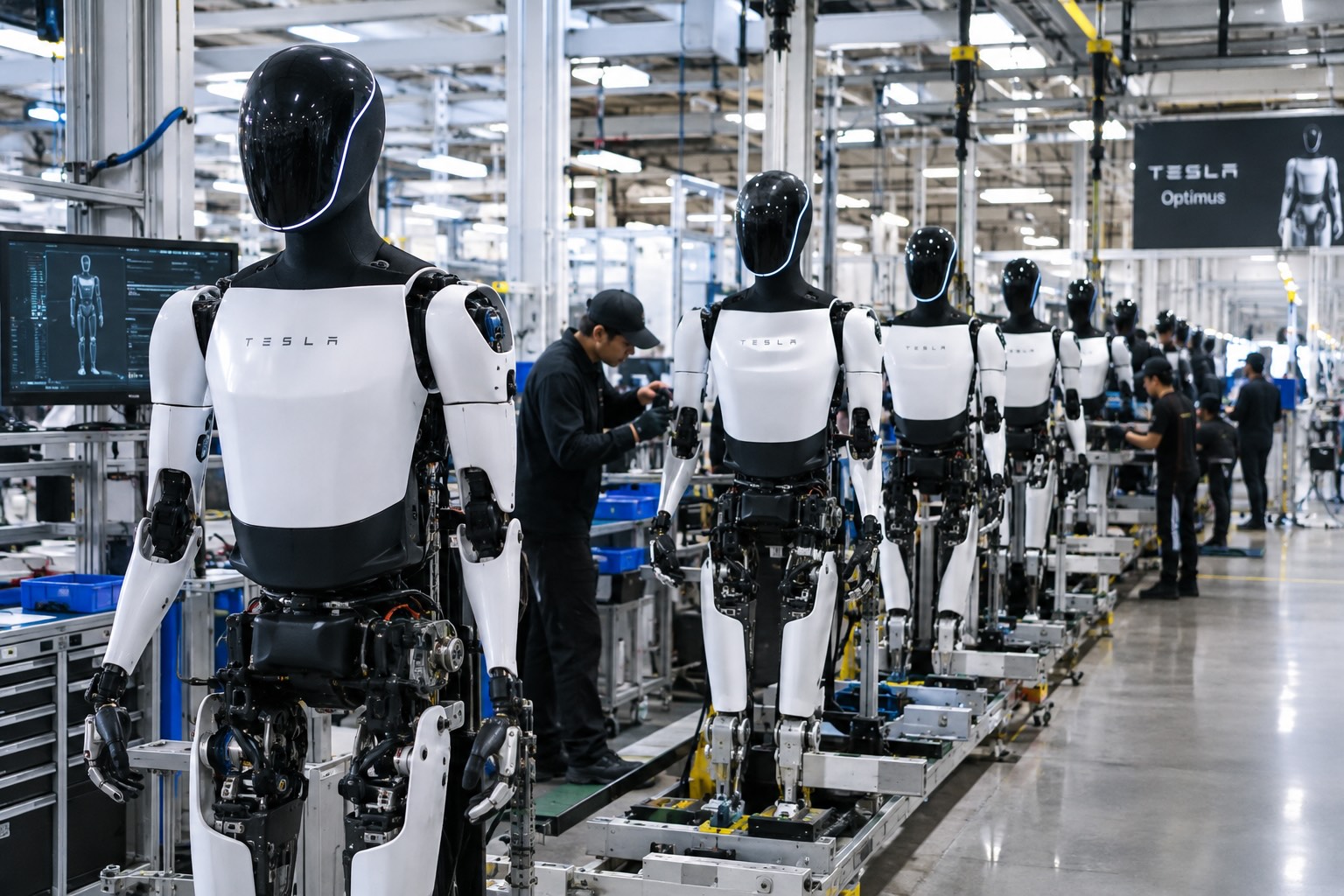
The rapid advancement of the Raptor engine family is part of a larger ecosystem of innovation at SpaceX. The company is simultaneously refining its autonomous, mass-produced robots at the "Optimus Academy" to assist with manufacturing efficiency, and is developing the next generation of the Tesla Roadster, which features high-pressure cold-gas thrusters—technologies that demonstrate a cross-pollination of fluid dynamics and materials science expertise.
As the Raptor 4 moves from the testing stand to the production line, the broader impact on the aerospace industry will be profound. The ability to launch, recover, and rapidly reuse a vehicle with 9,900 metric tons of thrust is a capability that no other entity currently possesses. By narrowing the gap between theoretical performance and operational reality, SpaceX is effectively democratizing access to space. The increase in thrust per engine is not just an engineering milestone; it is the catalyst for the next era of commercial spaceflight, where the cost of lifting heavy mass into orbit continues to plummet, opening the door to orbital stations, lunar bases, and beyond.
As the company continues to refine its propulsion technology, observers will be watching the upcoming test flights for evidence of these performance gains in action. If the 300-ton Raptor 4 achieves the expected benchmarks, the Super Heavy booster will solidify its position as the most powerful launch vehicle in human history, further cementing the shift toward a future defined by high-cadence, high-payload orbital logistics. The path forward for SpaceX remains clear: continue to iterate, continue to increase power-to-weight efficiency, and continue to challenge the established limits of what a rocket is capable of achieving.