Samsung Galaxy S26 FE Review: A Streamlined Flagship Experience or a Compromised Value Proposition?

The release of Samsung’s Fan Edition smartphones has traditionally represented a predictable rhythm in the consumer electronics calendar. Arriving just ahead of the late-summer market shift, these devices are designed to capture the essence of Samsung’s primary Galaxy S flagships while trimming down the price tag to appeal to a broader demographic. However, the introduction of the Samsung Galaxy S26 FE—launched on September 4, 2026, starting at $699 / £699 / AU$1,149—arrives at a complex crossroads of rising production costs, shifting feature parity, and tightening consumer budgets.
While the device successfully delivers a large-screen multimedia experience alongside respectable battery longevity and gaming capabilities, a notable price increase compared to its predecessor complicates its market positioning. As consumers weigh the value of an entry-level flagship against fully featured alternatives within Samsung’s own ecosystem, the S26 FE prompts critical questions regarding where the line is drawn between affordability and compromise.
Pricing, Configurations, and Market Positioning
The Samsung Galaxy S26 FE enters the market at a starting price of $699 / £699 / AU$1,149 for the base 128GB model. This represents a $50 / £50 / AU$50 price hike over the launch price of the preceding Galaxy S25 FE. Higher storage tiers are also available, with the 256GB variant priced at $799 / £799 / AU$1,299, and a 512GB option restricted to select international markets, such as the UK (£949) and Australia (AU$1,599).
This pricing strategy creates an intriguing internal dynamic within Samsung’s catalog. The price gap between the S26 FE and the standard, fully featured Samsung Galaxy S26 sits at $200 / £180 / AU$400, while the gap widens to $400 / £400 / AU$700 when compared to the similarly sized Galaxy S26 Plus. Analysts note, however, that direct cost comparisons require nuance, as standard Galaxy S26 models offer double the default storage capacity out of the box.
To sweeten the proposition, Samsung is bundling six free months of Google AI Pro—valued at approximately $120 / £114 / AU$200—with every S26 FE purchase. This incentive provides users with 5TB of cloud storage and advanced Gemini capabilities, adding tangible short-term value for early adopters navigating the device’s increased retail cost.
Hardware Specifications and Design Evolution
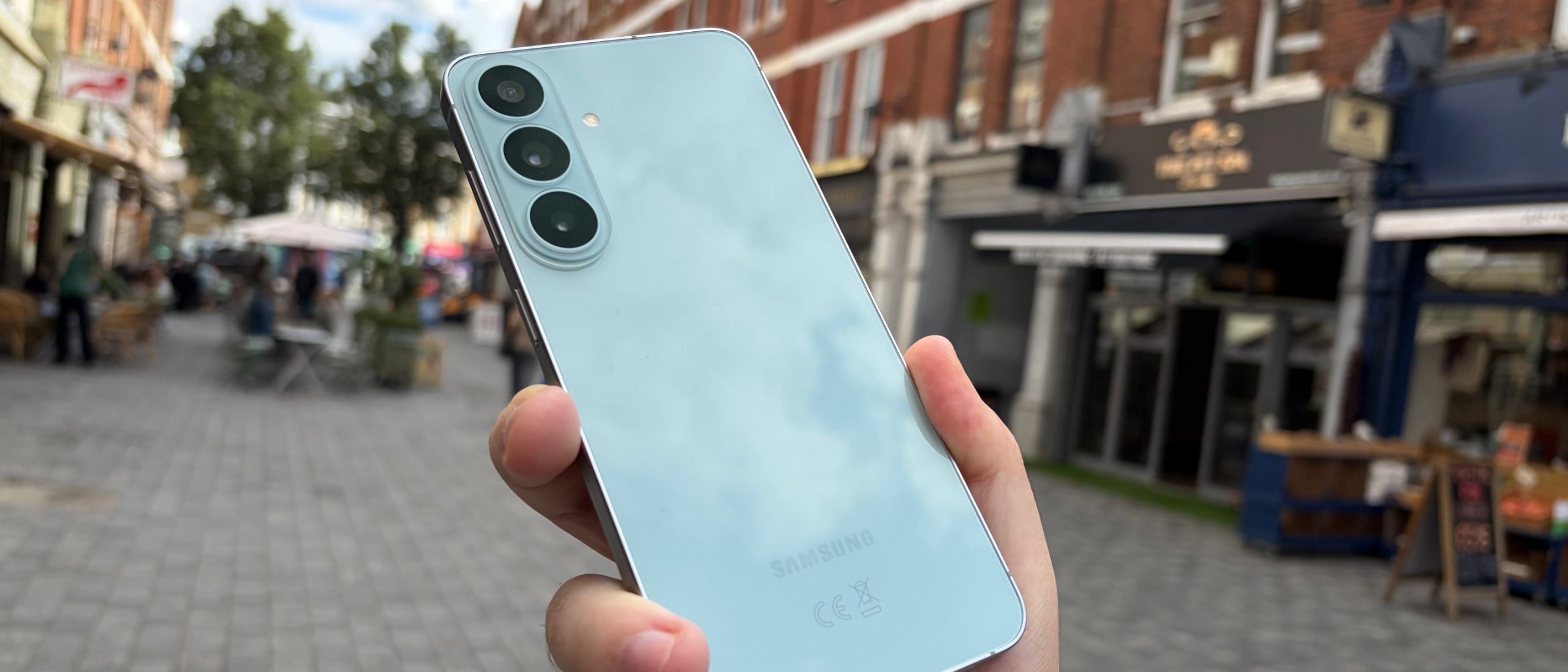
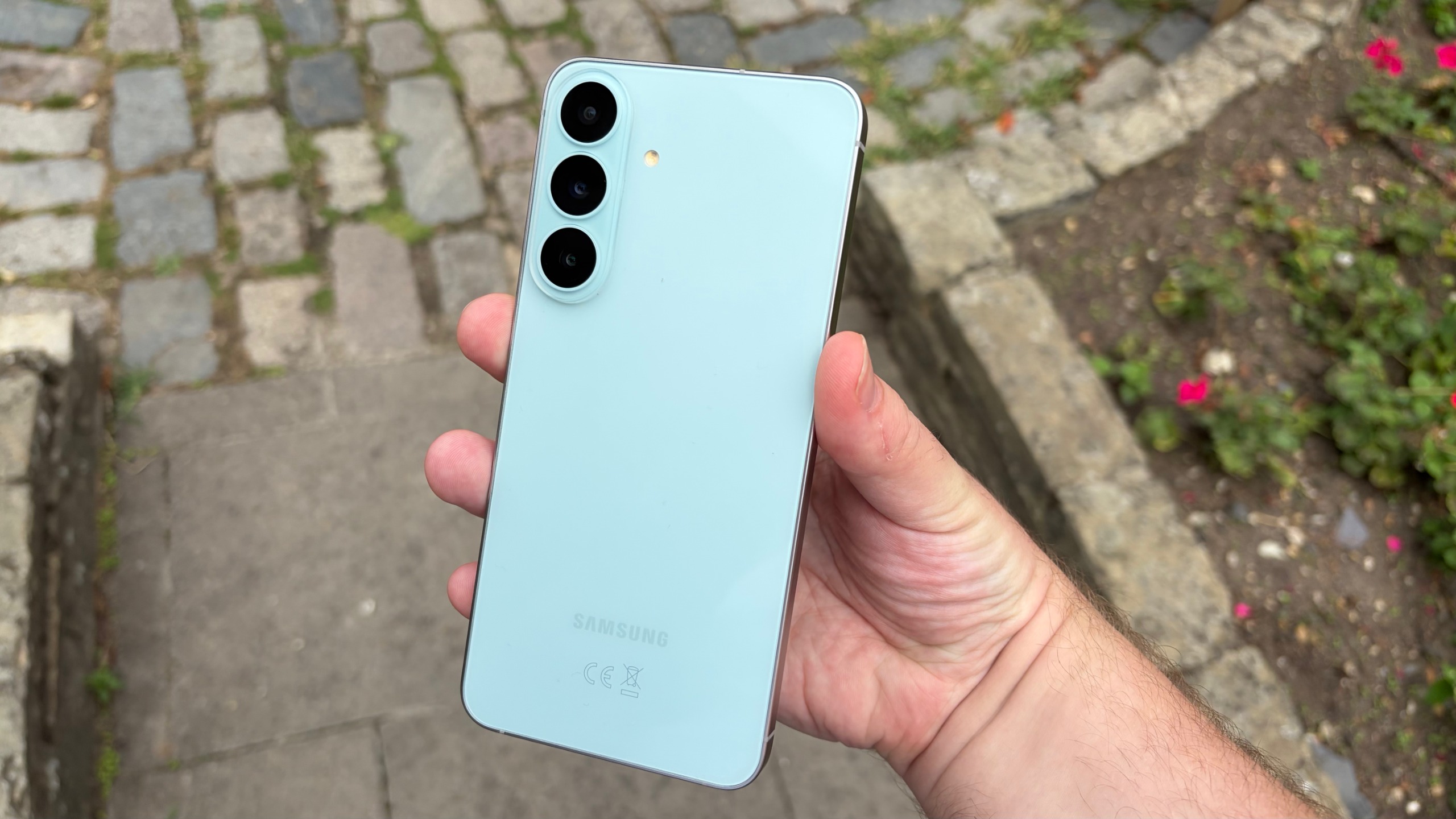
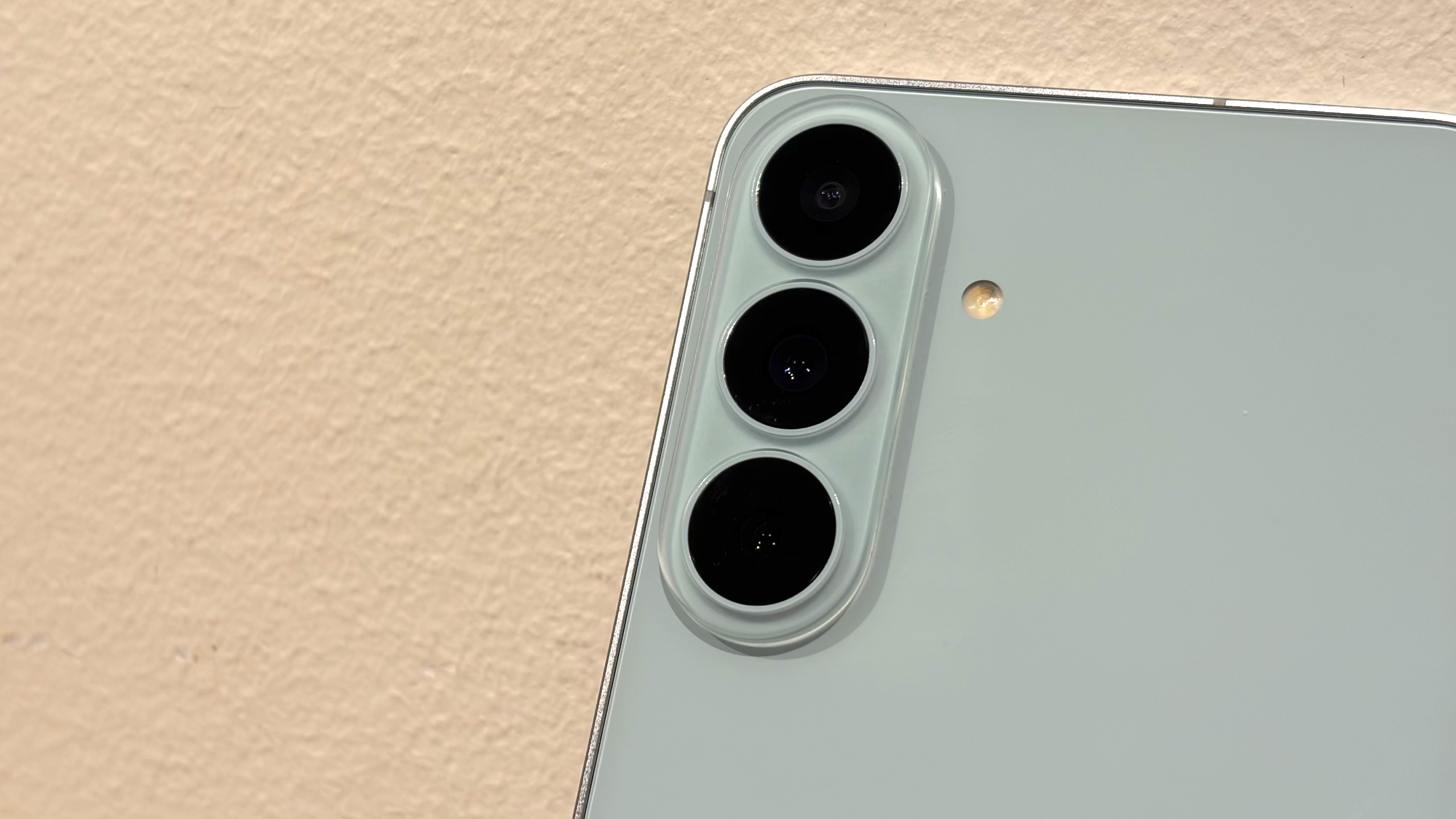
From an aesthetic and structural standpoint, the Galaxy S26 FE closely mirrors the design language established by the S25 FE. The device features three discrete camera lenses embedded directly into a glossy rear panel, flat side rails with gently rounded corners, and a large display interrupted only by a centered hole-punch selfie camera.
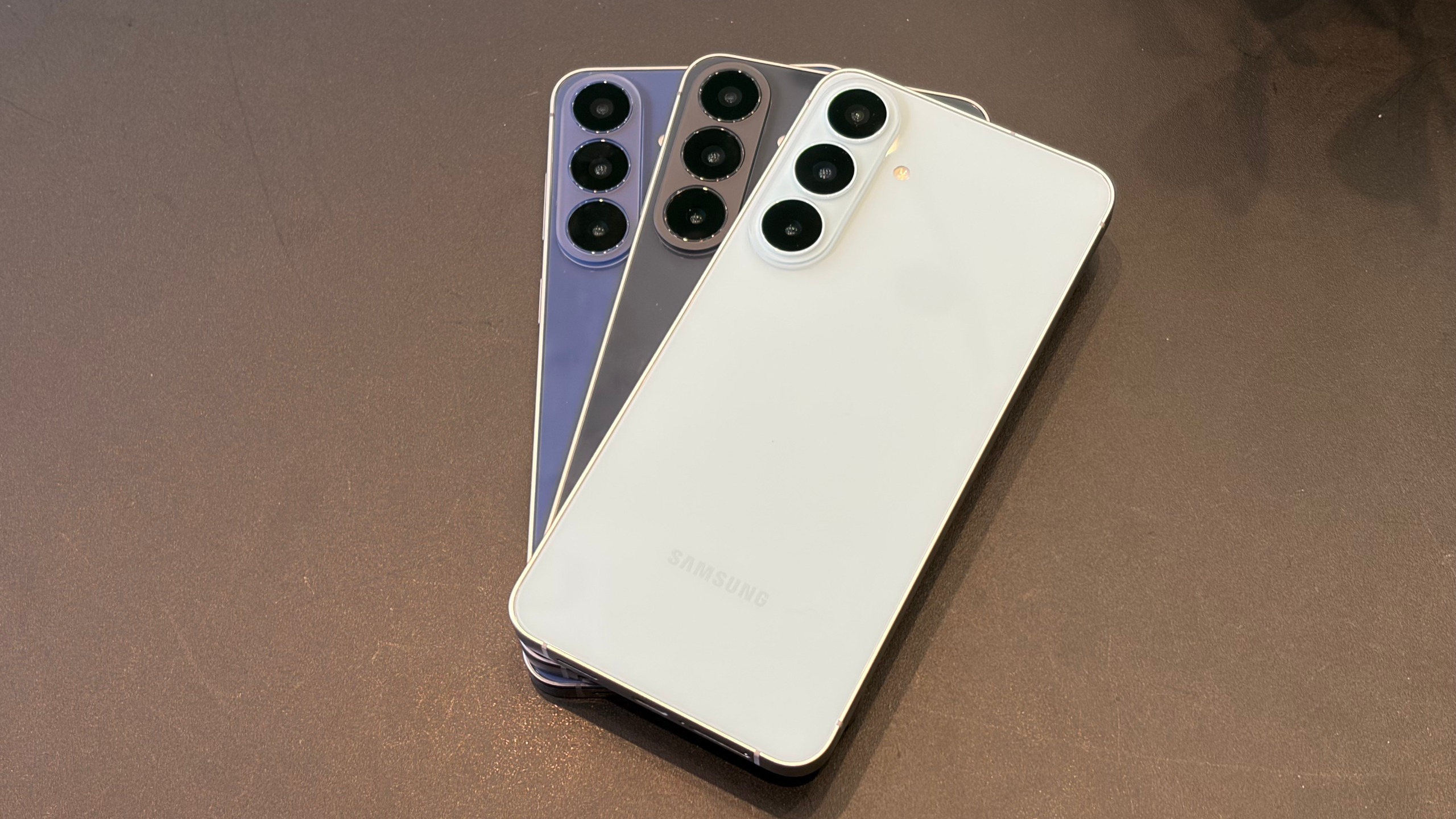
Distinguishing the FE from its more expensive siblings requires a keen eye. Key visual indicators include the glossy finish of the back glass—contrasting with the matte textures of the standard S26 lineup—and a slightly thicker "chin" bezel beneath the display. Available in three colorways—Graphite, Blueberry, and Pistachio—the device caters to both conservative buyers and those seeking a more vibrant aesthetic.
Durability metrics present a minor point of divergence from top-tier flagships. While the S26 FE retains an IP68 rating for dust and water resistance, it utilizes Gorilla Glass Victus Plus for both front and rear protection. This places the glass technology one generation behind the advanced materials guarding the standard S26 and S26 Plus models.
Display Performance and Media Consumption
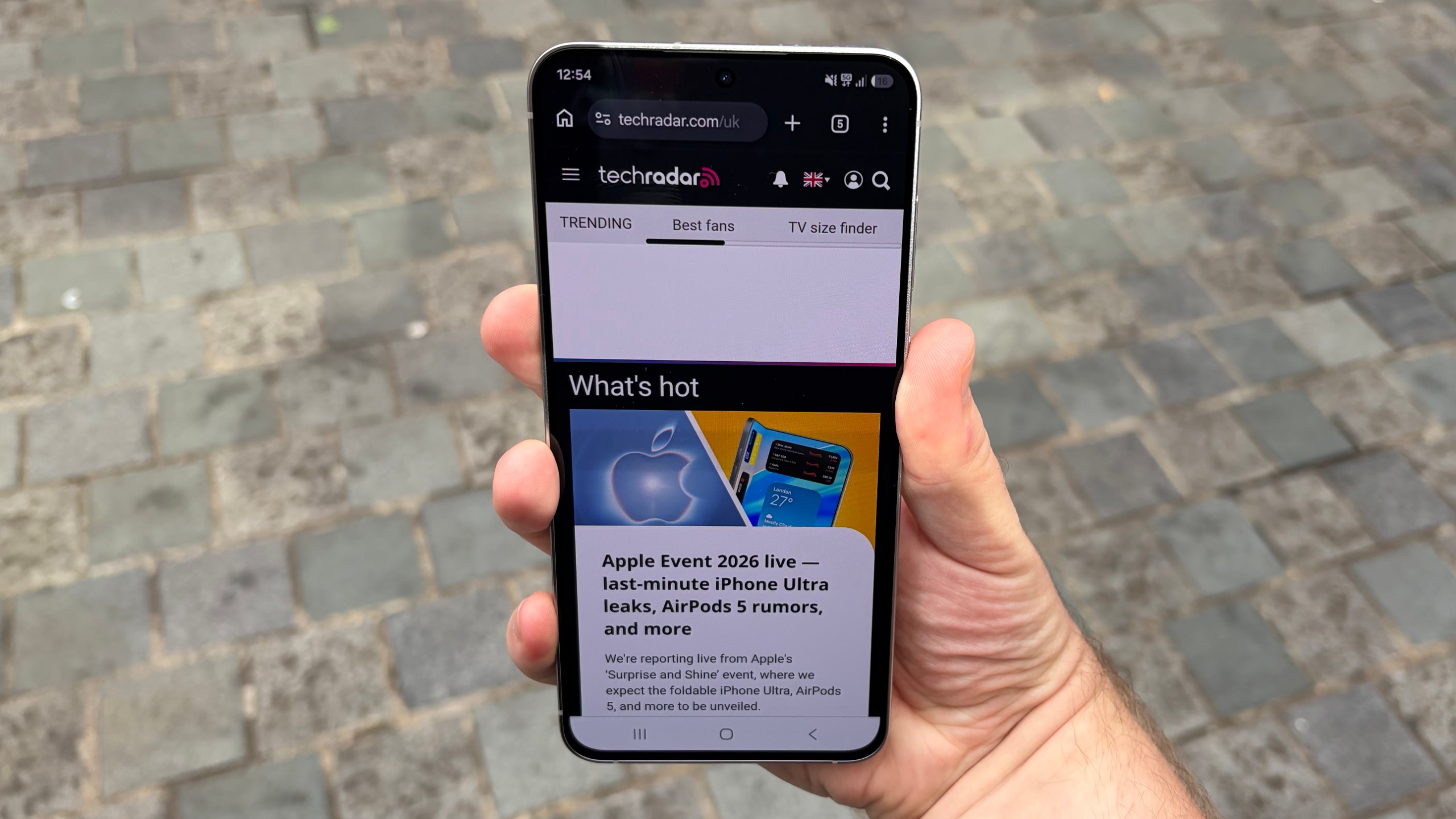
The Galaxy S26 FE is built around a expansive 6.7-inch Dynamic AMOLED 2X display, matching the screen dimensions of the higher-end Galaxy S26 Plus. However, technical compromises are apparent upon closer inspection. The panel is restricted to a Full HD+ resolution (1080 x 2340) rather than the sharper Quad HD resolution found on the Plus model, and it achieves a peak brightness of 1,900 nits compared to the 2,600-nit ceiling of its pricier stablemates.
Despite these lower specifications, the display delivers vibrant color reproduction, deep contrast levels, and sufficient legibility under bright ambient lighting. While the thicker bezels are an expected concession for a mid-tier flagship, they do not detract significantly from media consumption, web browsing, or casual gaming.
Software Support and Ecosystem Integration
One of the standout attributes of the Galaxy S26 FE is its software environment. Out of the box, the device runs One UI 9, based on Android 17. Notably, this gives the S26 FE software precedence over the standard Galaxy S26 models, which at launch rely on beta iterations of the same operating system.
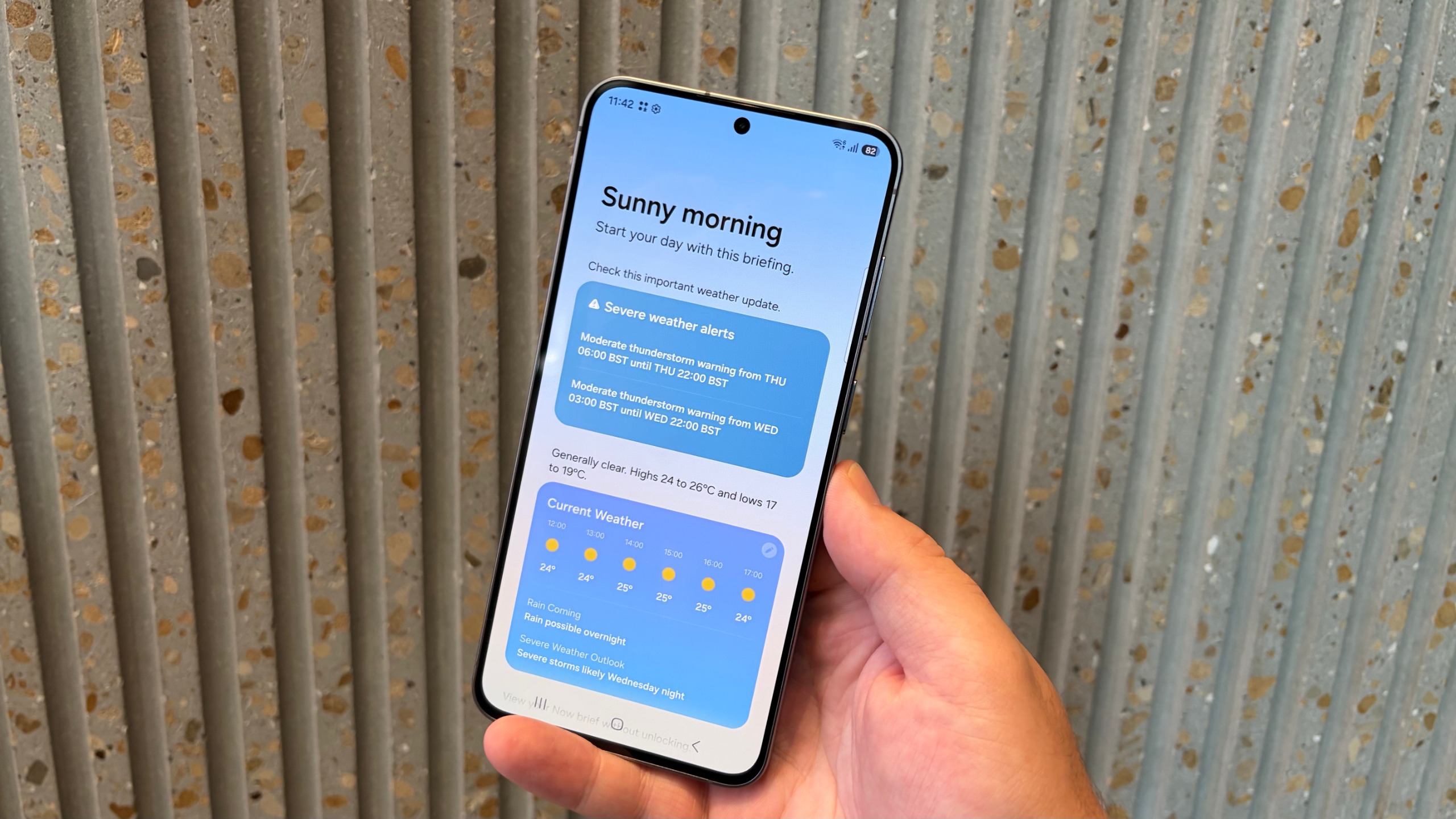
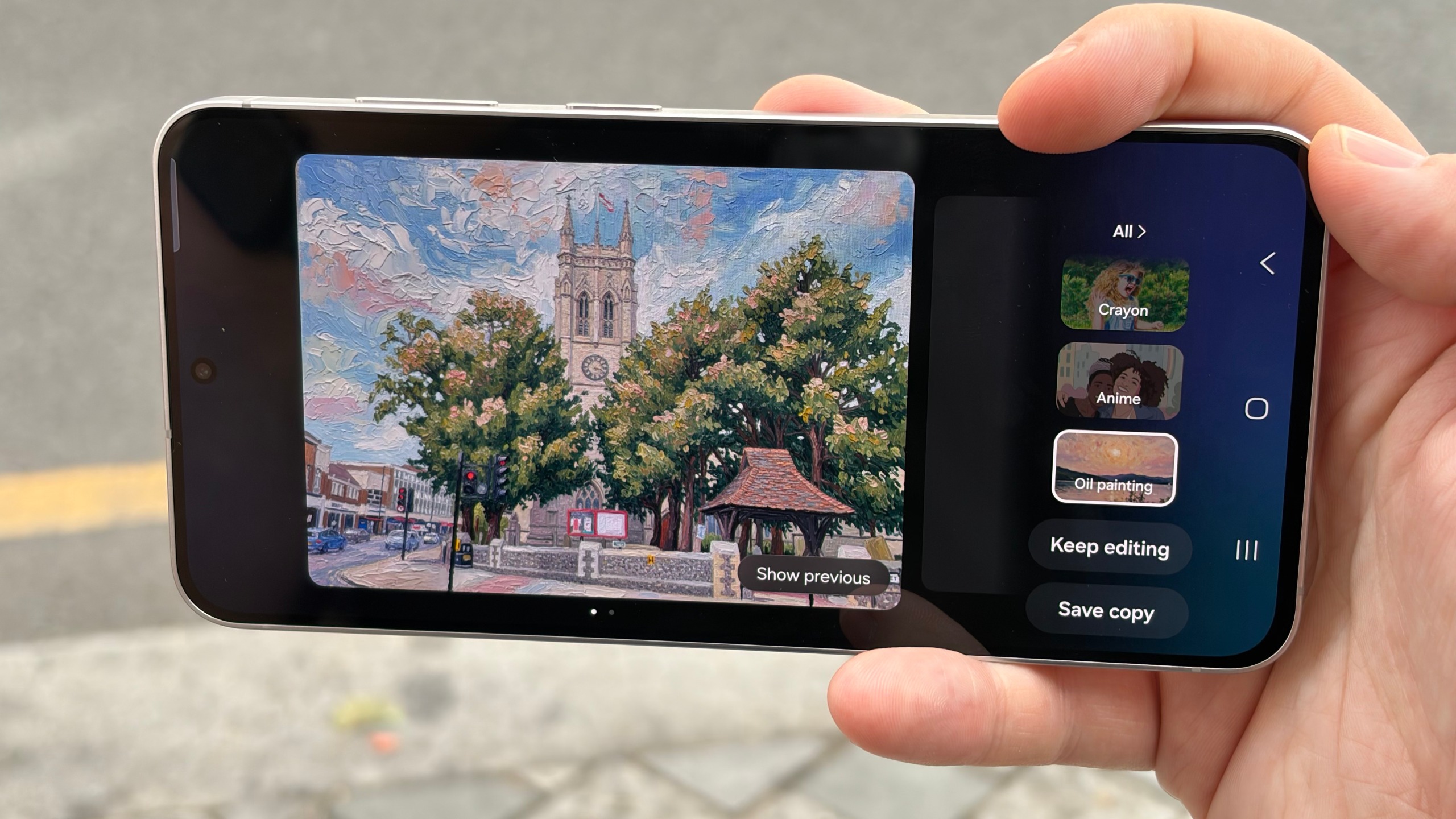
One UI 9 introduces a suite of advanced features, including FanCam—Samsung’s video subject tracking tool originally debuted on the premium Galaxy Z Fold 8 and Z Flip 8 series. Additional AI-driven enhancements include Photo Assist, Audio Eraser, and expanded productivity utilities such as custom Now Brief cards and enriched Now Nudge capabilities.
Crucially, Samsung maintains its industry-leading software support commitment for the S26 FE, promising seven generations of Android upgrades and seven years of security patches. This extended lifecycle matches the flagship S-series policy and outpaces the five-year support window provided for the more affordable Galaxy A57, significantly bolstering the S26 FE’s long-term value proposition.
Camera Capabilities: A Mixed Photographic Suite
The camera array on the Galaxy S26 FE centers around a 50MP primary wide sensor (f/1.8), complemented by a 12MP ultra-wide lens (f/2.2), an 8MP telephoto lens offering 3x optical zoom (f/2.4), and a 12MP front-facing selfie camera.
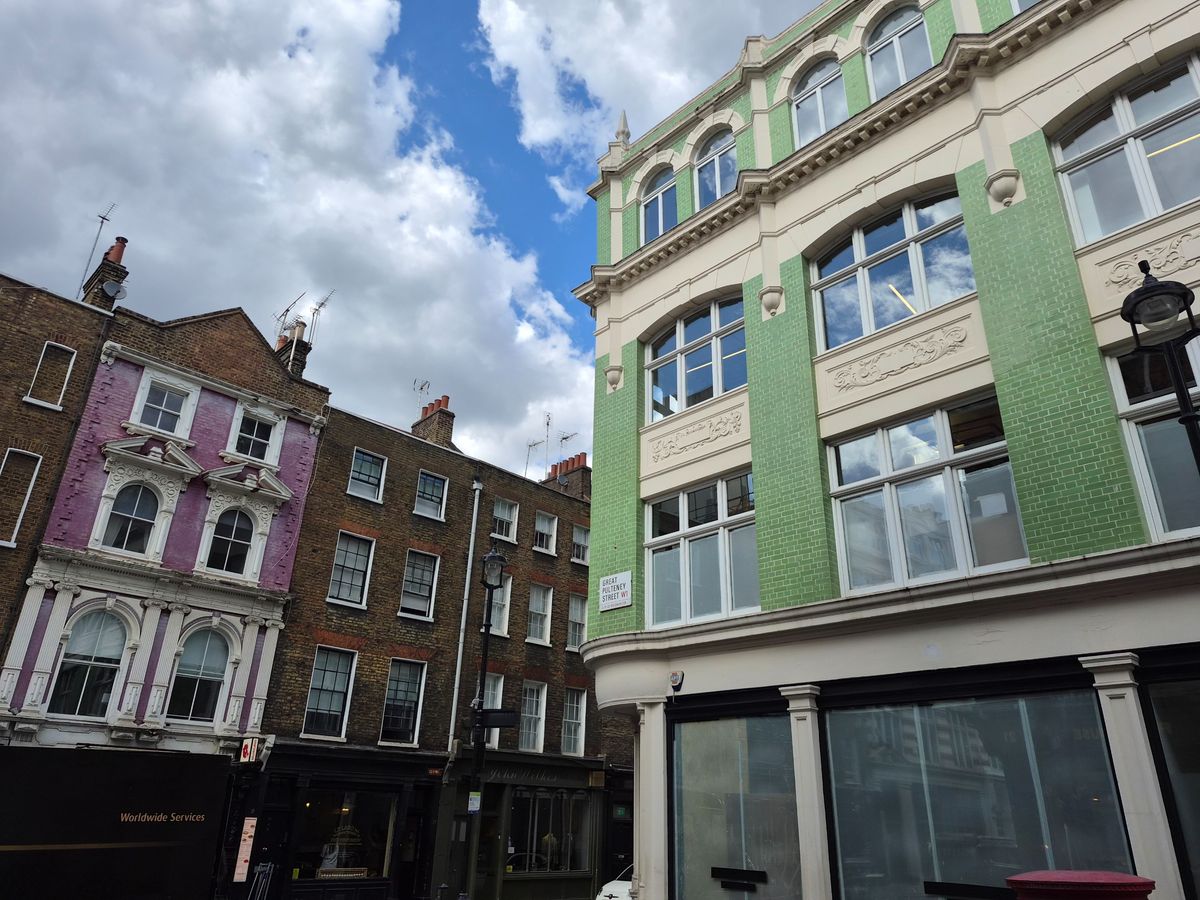
Real-world testing reveals varied performance across the different lenses. The 50MP main sensor delivers sharp, color-accurate images with commendable dynamic range, successfully handling challenging lighting conditions such as shadowed architectural details contrasted against bright skies. Additionally, due to the high pixel count of the primary sensor, in-sensor 2x digital zoom yields impressive clarity, preserving fine textures and color fidelity.
Conversely, auxiliary lenses expose some limitations. The 8MP telephoto lens produces images that can appear flat and underexposed, while the ultra-wide camera occasionally suffers from drab color grading in overcast conditions. While selfie performance benefits from Samsung’s refined portrait algorithms and accurate subject isolation, the overall camera experience feels somewhat uneven for a device bearing a flagship moniker.
Processing Performance and Thermal Efficiency
Under the hood, the global variant of the Galaxy S26 FE utilizes Samsung’s proprietary Exynos 2500 chipset, diverging from the Snapdragon 8 Elite Gen 5 processor powering other regional S26 flagships. Paired with 8GB of RAM, the hardware configuration generates respectable benchmark scores.
While single-core CPU metrics trail behind the Snapdragon-equipped models, multi-core performance remains competitive. Furthermore, graphics benchmarks highlight the robust capabilities of the Exynos GPU, particularly in ray-tracing evaluations such as the 3DMark Solar Bay test, where the device posts leading scores.
For everyday tasks, web browsing, and media streaming, the S26 FE operates fluidly. However, the inclusion of 8GB of RAM—compared to the 12GB standard on other premium S26 models—can introduce bottlenecks during heavy multitasking or sustained high-performance operations, though casual gaming remains smooth and responsive.
Battery Life and Charging Speeds
Equipped with a 4,900mAh battery—matching the capacity of the larger Galaxy S26 Plus—the S26 FE delivers dependable endurance. Official testing estimates up to 29 hours of continuous video playback, slightly trailing the S26 Plus due to minor hardware efficiency differences.
In practical daily use, the device easily clears a full day of mixed workloads, encompassing messaging, browsing, photography, and streaming, with approximately 60% of the battery remaining by evening. Under typical usage patterns, the S26 FE is capable of stretching comfortably into a second day before requiring a recharge.
Charging infrastructure supports 45W wired input and 15W wireless charging, though the device lacks compatibility with the newer Qi2 wireless standard. Using a compatible 45W charger, the phone achieves a zero-to-43% charge in 15 minutes, reaching a full 100% capacity in approximately 58 minutes.
Fact-Based Analysis and Implications
The Samsung Galaxy S26 FE occupies a difficult middle ground in the current smartphone landscape. By increasing the retail price while maintaining certain hardware compromises—such as lower display brightness, older protective glass, and an 8GB RAM ceiling—Samsung has narrowed the financial gap between the Fan Edition and its own flagship devices.
For consumers strictly prioritizing screen size and battery endurance at the lowest possible entry point within the Galaxy ecosystem, the S26 FE remains a viable option. However, for buyers seeking uncompromising camera versatility and long-term hardware longevity, the marginal additional investment required to purchase a standard Galaxy S26 or S26 Plus may represent a more prudent allocation of resources.