Apple Watch Series 12 and Ultra 4 Introduce Advanced Health Sensing and Continuous Heart Rate Monitoring

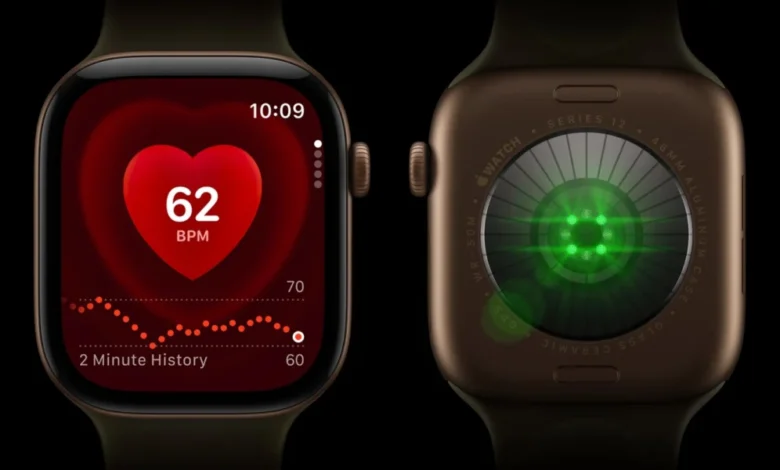
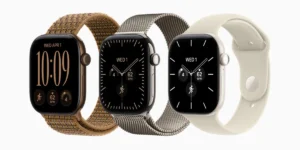
The launch of the Apple Watch Series 12 and the Apple Watch Ultra 4 marks a significant milestone in consumer wearable technology, headlined by the introduction of an advanced Health Sensing System. Designed to bridge the gap between consumer fitness tracking and medical-grade data collection, the new hardware architecture transforms how the device monitors cardiovascular metrics. Central to this update is a dramatic increase in heart rate sampling frequency, which shifts from the historical interval of every five minutes down to a continuous reading every five seconds. While this leap in data density offers unprecedented insight into user health and physical exertion, it also introduces new design and software considerations regarding battery optimization, hardware behavior, and user customization.
Evolution of Apple Watch Health Tracking
Since the introduction of the original Apple Watch, continuous health monitoring has been a core pillar of Apple’s product strategy. Early iterations relied heavily on intermittent photoplethysmography (PPG)—using green and infrared light sensors to measure blood flow volume in the wrist at discrete intervals. Over successive generations, Apple expanded these capabilities to include electrocardiogram (ECG) measurements, blood oxygen saturation monitoring, and wrist temperature sensing.
However, the traditional five-minute sampling interval for background heart rate was long recognized as a compromise between data granularity and power efficiency. While active workout modes triggered high-frequency monitoring, daily resting and low-activity data remained generalized. The integration of the new Health Sensing System in the Series 12 and Ultra 4 eliminates this compromise during normal daily wear. By capturing heart rate data every five seconds, the devices can now construct a far more precise timeline of cardiovascular response, stress fluctuations, and recovery metrics throughout the day.
Hardware Implications: The Constant Green Light
The technological catalyst behind this high-frequency monitoring is an intensified utilization of optical sensors on the rear crystal of the watch. With the device sampling heart rate every five seconds, the green light emitting diodes (LEDs) housed within the sensor array remain illuminated and flashing almost continuously.

Under normal circumstances—such as when the watch band is securely fastened—this flashing light is entirely obscured by the user’s skin, remaining invisible during everyday wear. However, users who prefer a looser fit or those engaged in activities that cause the watch to shift on the wrist may occasionally notice the subtle, rhythmic green illumination, particularly in dim environments. This minor optical artifact prompted Apple to introduce automated safeguards within the watch’s software operating system to manage sensor activity during specific user states.
Software Interventions: Theater Mode and Sleep Mode Integration
To balance the demands of continuous health sensing with user comfort and battery preservation, Apple has programmed the Series 12 and Ultra 4 to dynamically adjust sensor intervals based on active operating modes. Specifically, the devices automatically revert from the five-second continuous sampling rate back to the traditional five-minute interval when either Sleep Mode or Theater Mode is enabled.
Sleep Mode integration serves a dual purpose. By dropping the sampling frequency while the user is resting, the watch conserves battery life during a period when high-density active monitoring is unnecessary. Furthermore, because sleep tracking utilizes distinct algorithms focused on physiological recovery rather than immediate physical exertion, the five-minute interval provides sufficient data points for sleep stage analysis.
Theater Mode, conversely, was originally designed to prevent the watch display from inadvertently illuminating in dark environments, such as movie theaters or concert halls. In the Apple Watch Series 12 and Ultra 4, Theater Mode assumes a secondary function: muting the continuous green optical sensor. By default, activating Theater Mode throttles heart rate monitoring back to five-minute intervals, ensuring that stray optical flashes do not cause a distraction in dark settings.
Granular Customization and User Control
Recognizing that user preferences vary, Apple has introduced a granular override setting within watchOS to give users explicit control over their hardware behavior. For individuals who operate in dark environments but still desire the highest possible fidelity in their cardiovascular data, the software allows for the customization of Theater Mode parameters.

By navigating to the Settings application on the watch, selecting the Heart menu, and locating the Allow Continuous Measurements subsection, users can toggle on the specific option labeled In Theater Mode. Activating this toggle commands the hardware to maintain the five-second heart rate sampling rate even when Theater Mode is engaged. This ensures that data continuity is preserved without requiring users to sacrifice environmental display and lighting preferences.
This level of user control reflects a broader trend in consumer health technology, where software flexibility accommodates diverse user lifestyles. While default settings prioritize battery longevity and discretion, advanced users are empowered to prioritize data density at the expense of potential optical visibility or marginal battery drain.
Broader Health Implications and Ecosystem Synergy
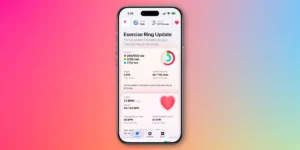
The introduction of continuous five-second heart rate monitoring does not exist in a vacuum; it directly feeds into the broader ecosystem of health applications introduced alongside the Series 12 and Ultra 4. Among these is the newly debuted Readiness app, which synthesizes metrics such as overnight recovery, resting heart rate, heart rate variability, and wrist temperature to provide a comprehensive daily score of physical preparedness.
By increasing the volume and frequency of baseline heart rate data, the underlying algorithms driving the Readiness app and related health analytics can achieve higher statistical significance. A continuous stream of data points allows the system to detect subtle anomalies, transient stress spikes, and recovery trends that might otherwise be masked by intermittent five-minute sampling.
Industry analysts note that as consumer smartwatches increasingly function as proactive health monitors, the boundary between consumer electronics and medical devices continues to blur. Continuous sensing architectures position Apple to gather richer datasets that could eventually facilitate more advanced predictive health alerts, pending regulatory clearances in various global markets.

Battery Life and Power Management Analysis
A primary concern accompanying any hardware upgrade that increases sensor activity is the potential impact on battery longevity. Both the Apple Watch Series 12 and the Apple Watch Ultra 4 feature newly optimized internal processors and energy-efficient display drivers designed to offset the power draw of the continuous Health Sensing System.
While continuous optical sensing naturally increases energy consumption compared to intermittent sampling, Apple’s intelligent power management algorithms dynamically scale resource allocation. When the device detects periods of stillness, sleep, or specific user-configured modes like Theater Mode, it reduces the computational and optical load to preserve battery reserves. Early field tests indicate that the Series 12 and Ultra 4 successfully maintain their respective multi-day and all-day battery life ratings despite the constant background sampling, satisfying the core performance expectations established by previous generations.
Availability and Market Reception
The Apple Watch Series 12 and Apple Watch Ultra 4 are currently available for purchase through retail and online channels globally. Initial reviews highlight the Health Sensing System and its five-second heart rate tracking as one of the most substantial hardware refinements in recent watch history, moving beyond incremental cosmetic changes to deliver tangible functional upgrades.
As consumers and technology critics continue to evaluate the new devices, the nuanced interplay between hardware capabilities, software modes like Theater Mode, and user-configurable settings demonstrates Apple’s ongoing commitment to refining the user experience. By providing transparent controls over sensor behavior, Apple ensures that the pursuit of advanced health metrics remains adaptable to individual user preferences and daily routines.
Related posts: