Xiaomi 18 Pro Confirmed to Feature Advanced Smart Privacy Display to Combat Visual Hacking

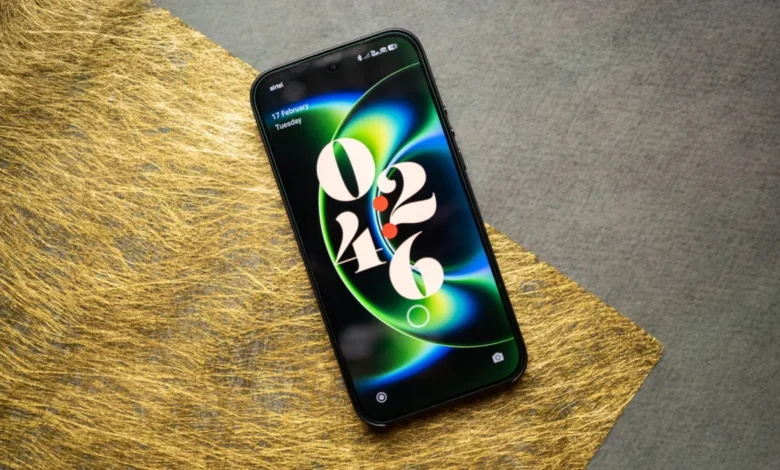
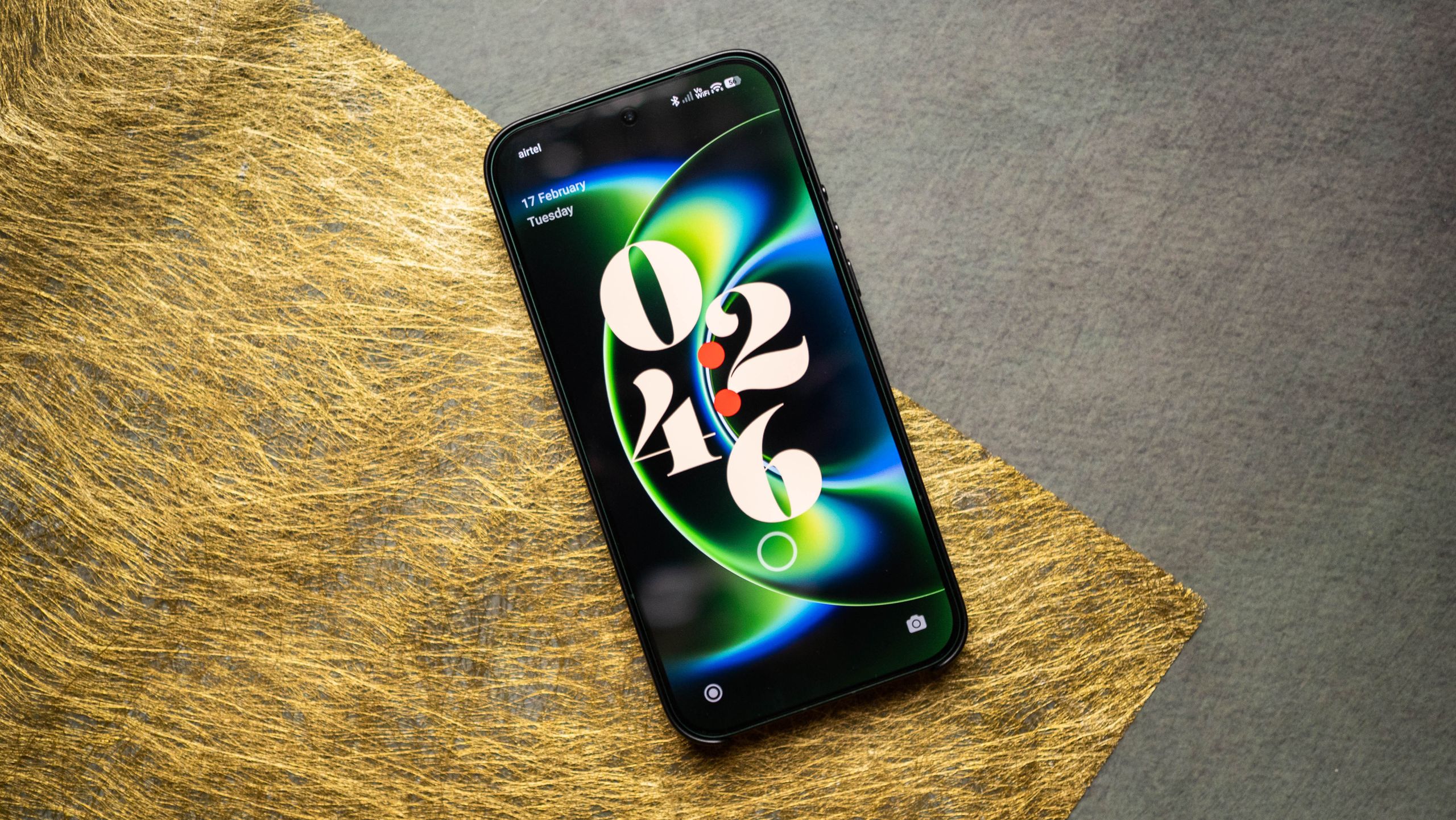
The smartphone industry is shifting rapidly toward hardware-level privacy features, and Xiaomi has officially positioned itself at the forefront of this evolution. Following earlier leaks and official confirmations regarding an innovative rear display, the Chinese consumer electronics giant has announced that its upcoming Xiaomi 18 Pro flagship will incorporate a proprietary smart privacy display. This hardware-integrated technology is designed to obscure on-screen content from prying eyes at acute viewing angles, directly challenging similar features introduced recently by rival manufacturers such as Samsung with its Galaxy S26 Ultra.
As mobile devices increasingly become the primary repositories for sensitive personal data, corporate communications, banking information, and private messaging, the vulnerability of public screen viewing—often referred to as "shoulder surfing"—has emerged as a prominent security concern. Traditional remedies have relied heavily on aftermarket accessory screen protectors, which frequently degrade display brightness, impair touch sensitivity, or alter color accuracy. By baking privacy features directly into the display hardware and marrying them with intelligent software controls, manufacturers are moving toward an integrated paradigm where privacy is managed dynamically on demand.
The Technological Leap: Hardware-Level Visual Shielding
According to official teasers published on Weibo by Xiaomi executives, the smart privacy display on the Xiaomi 18 Pro operates through advanced liquid crystal or OLED sub-pixel manipulation engineered directly into the panel manufacturing process. Rather than forcing users to rely on external filters, the phone’s native display can alter its light distribution characteristics when privacy mode is activated.
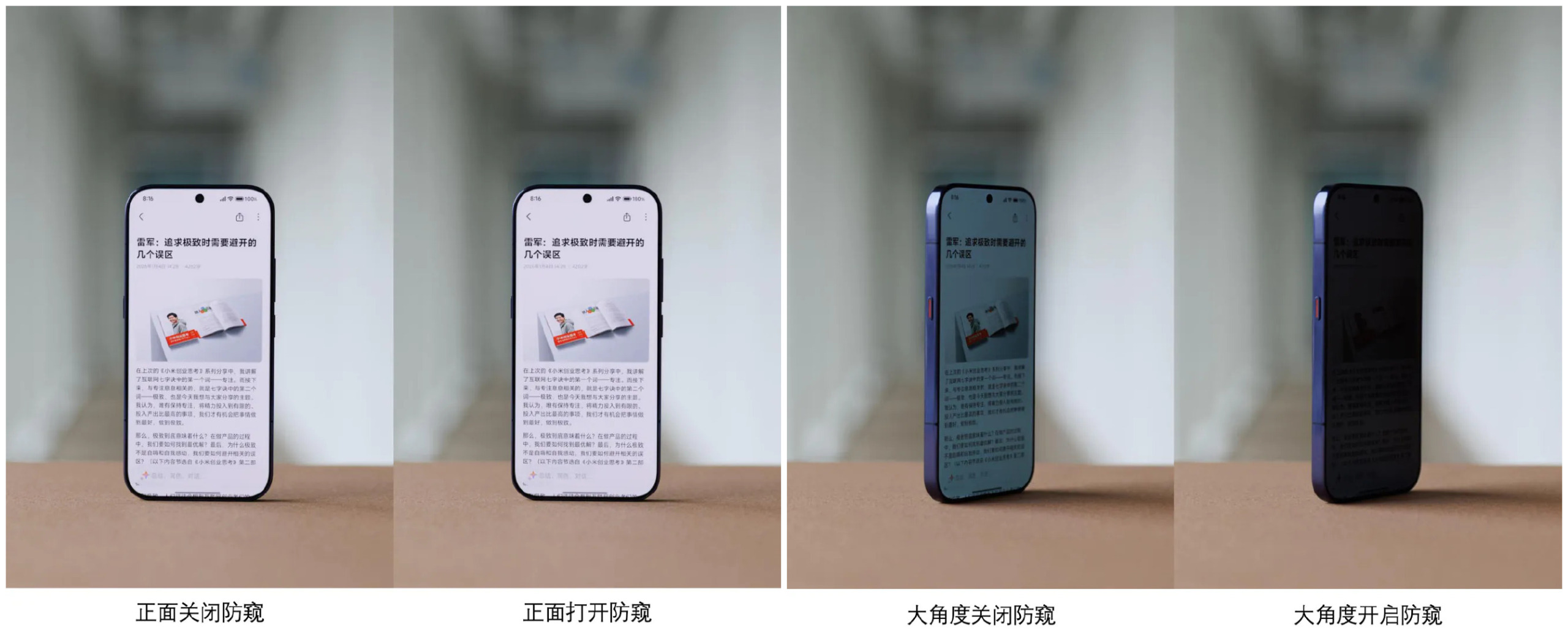
When a user looks at the smartphone head-on within normal viewing parameters, the photons pass through the panel uniformly, ensuring that clarity, contrast, and color fidelity remain uncompromised. However, for anyone attempting to observe the screen from an adjacent angle beyond a 60-degree threshold, the optical output drops precipitously. Xiaomi’s internal data claims that side-angle brightness plummets to roughly 1 percent under these conditions, rendering the display virtually pitch black to unauthorized observers.
This development follows the precedent set by Samsung, which integrated a similar proprietary hardware privacy mechanism into the Galaxy S26 Ultra. Yet, Xiaomi’s engineering division asserts that its iteration solves a critical drawback observed in early iterations of the technology. While Samsung’s privacy mode has been criticized for dimming the overall display even for the primary user, Xiaomi explicitly claims that its implementation preserves standard front-on brightness levels. The display dynamically adjusts its light containment fields without requiring a general reduction in panel luminescence for the user directly in front of the device.
Integration with Intelligent Software and UI Controls
Hardware capability is only part of the equation; seamless user experience requires sophisticated software integration. Xiaomi has structured its user interface to automate privacy enforcement across multiple system layers, ensuring that users do not have to manually toggle settings every time they open a sensitive application.
According to preview demonstrations, the Xiaomi 18 Pro’s smart privacy mode can interface directly with the operating system’s notification pipeline. When enabled, sensitive push notifications arriving on the lock screen can automatically trigger localized privacy shielding, hiding message previews from bystanders while keeping non-sensitive status icons visible. Furthermore, the technology extends its protective parameters to floating windows and split-screen multitasking environments. If a user is concurrently running a banking application alongside a public messaging tool, the privacy filter can be selectively applied to designated window boundaries, striking a balance between multitasking productivity and absolute data security.
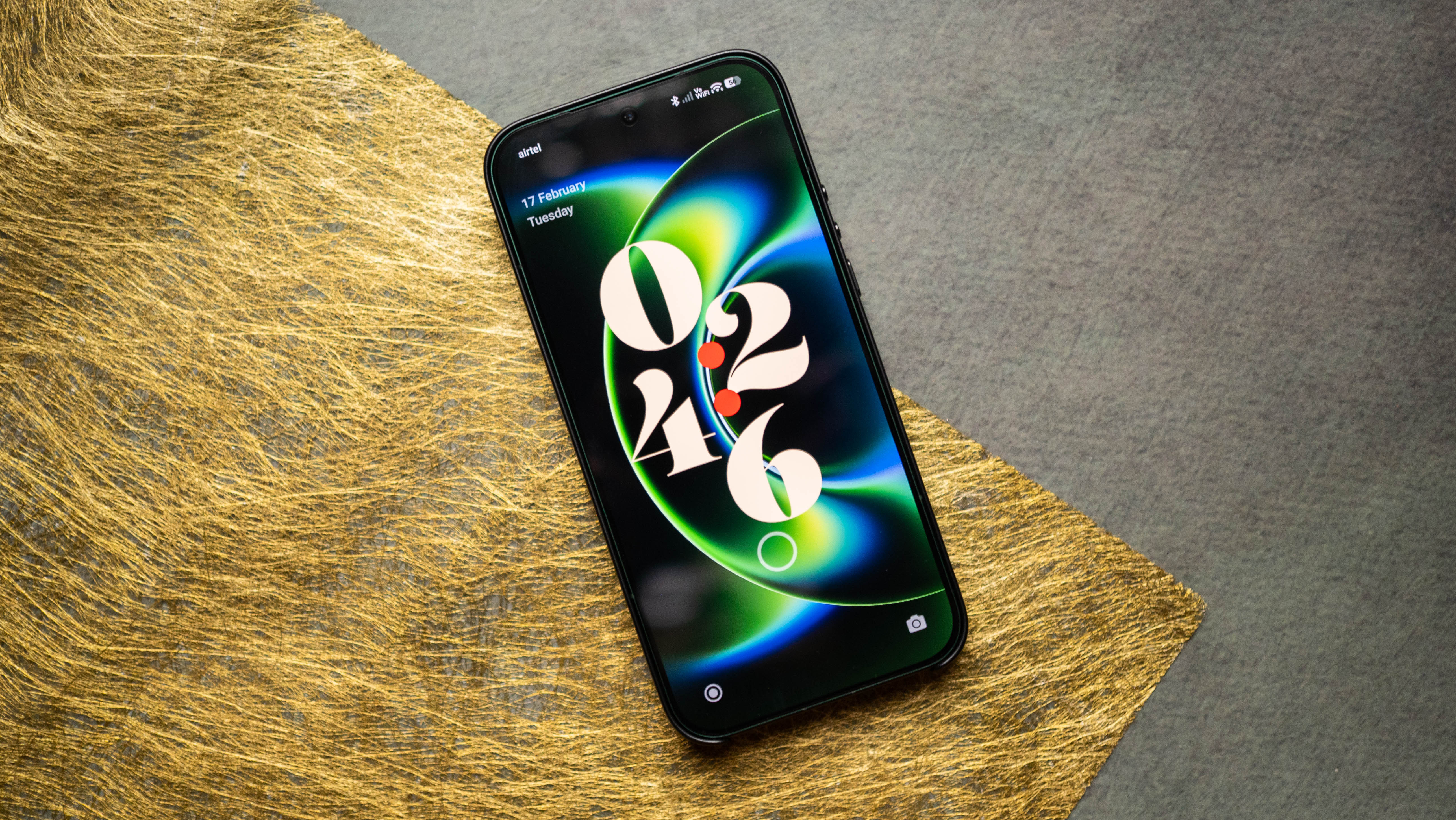
This software-hardware synergy reflects a broader industry trend where OEMs (Original Equipment Manufacturers) leverage on-device artificial intelligence and contextual awareness to automate security protocols. While the exact machine learning models driving Xiaomi’s automated privacy triggers remain under wraps until the official hardware launch event, industry analysts anticipate deep integration with the company’s proprietary operating system ecosystem.
Market Context and Competitive Dynamics
The introduction of the smart privacy display on the Xiaomi 18 Pro underscores an intensifying battleground among premium smartphone vendors. For years, hardware differentiation centered predominantly on raw compute benchmarks, camera sensor megapixels, fast-charging wattage, and display refresh rates. However, as mobile silicon has matured to a point where generational performance gains are increasingly incremental, manufacturers are pivoting toward quality-of-life enhancements, durability milestones, and advanced security architectures.
Samsung’s introduction of hardware-based privacy features on the Galaxy S26 Ultra established a new benchmark for flagship devices, signaling to the market that consumer demand for visual data protection has reached critical mass. By responding swiftly with the Xiaomi 18 series, Xiaomi is signaling its intent to match and potentially outpace its primary competitors in display innovation.
The competitive pressure is particularly acute in Asian markets, where dense urban commuting environments—such as crowded subway systems and buses—make shoulder surfing an everyday hazard for millions of commuters. Features that safeguard personal finance applications, enterprise communications, and social interactions from casual observation carry substantial consumer appeal in these densely populated metropolitan areas.
Broader Implications and Industry Outlook
The mainstream adoption of built-in privacy displays could have profound long-term implications for the mobile accessory ecosystem. For decades, manufacturers of privacy screen protectors—such as 3D-curved tempered glass filters with narrow viewing angles—have enjoyed robust revenues. As OEMs internalize these capabilities directly into factory-installed OLED and AMOLED panels, the market for aftermarket privacy films may face significant contraction, particularly in the ultra-premium tier.
Furthermore, enterprise adoption of smartphones could be positively impacted by this technology. Corporate IT security departments frequently mandate stringent policies regarding the viewing of proprietary documents and internal communications in public spaces. A native, toggleable privacy screen that does not permanently degrade visual quality could satisfy regulatory compliance standards without requiring employees to install cumbersome physical filters that interfere with biometric under-display fingerprint sensors.
As the official launch date for the Xiaomi 18 series approaches, attention will inevitably turn to real-world stress tests. Reviewers and industry analysts will closely examine whether Xiaomi’s claims regarding uncompromised front-on brightness hold up under varied lighting conditions, outdoor glare, and extended usage periods.
With the announcement window narrowing to mere days, consumers and tech enthusiasts will soon have definitive answers regarding how this next generation of visual security performs in practice. If Xiaomi successfully delivers on its technical promises, the smart privacy display may quickly transition from a novelty feature of ultra-premium flagships to an expected baseline requirement for all high-end mobile devices moving forward.