Flock Safety Offers Generous Voluntary Buyouts to Staff Amid Plummeting Morale and Mounting Privacy Scandals

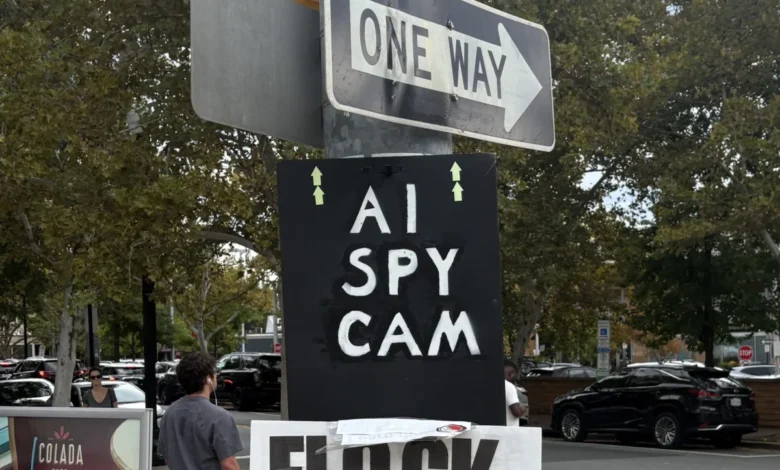
Flock Safety, the embattled automated license plate recognition (ALPR) and surveillance technology company, has introduced a substantial voluntary buyout program for its approximately 1,500 employees. According to internal communications reviewed by industry media, the company has characterized these severance packages as the most lucrative it has ever offered. Management has indicated that it anticipates widespread interest from its workforce and intends to approve a majority of the departure requests. This strategic move allows the firm to streamline its operations and alleviate internal friction caused by a compounding wave of public backlash, regulatory rebuffs, and municipal contract cancellations. Without this voluntary reduction scheme, company insiders note that conventional, involuntary layoffs would have been nearly inevitable to adjust for shrinking corporate revenue and diminished market demand.
The genesis of Flock Safety’s current corporate crisis can be traced back through a rapid accumulation of investigative journalism reports, public safety concerns, and swift political countermeasures. Founded with the mission of eliminating crime through widespread community and law enforcement camera networks, the startup experienced rapid growth over the past several years, supplying hardware and software to thousands of neighborhoods, private entities, and police departments across the United States. However, the expansive nature of its surveillance apparatus soon drew intense scrutiny from civil liberties organizations, privacy advocates, and lawmakers alike.
The tipping point for the company arrived in the late summer of 2026. In August, a landmark investigation published by The Washington Post exposed systemic vulnerabilities and alarming abuses within the law enforcement agencies utilizing Flock’s technology. The report identified at least 46 distinct instances where police officers allegedly misused the expansive network of cameras to spy on personal acquaintances, including estranged wives, girlfriends, and ex-partners. This revelation transformed an ongoing simmering debate over mass surveillance into a full-scale public relations and political disaster.
The fallout was swift and catastrophic for the startup’s business model. Throughout August, state and local governments began severing ties with the company at an unprecedented velocity. Anti-surveillance advocacy groups tracking municipal procurement data recorded that approximately 90 cities officially terminated their contracts with Flock Safety within the span of a single month—representing a staggering fourfold increase compared to the previous month’s cancellation rate. Major states also moved decisively to distance themselves from the controversy; both Florida and Texas announced formal state-level blocks on the implementation and usage of Flock cameras, citing severe privacy and civil liberty concerns.

These mounting pressures have placed immense strain on the company’s internal culture. Garrett Langley, the chief executive officer and co-founder of Flock Safety, recently addressed the crisis during an appearance on the All-In podcast. During the interview, Langley acknowledged that the primary and most damaging casualty of the relentless public scrutiny has not merely been external contracts, but rather the internal morale of the company’s workforce. Employees have found themselves navigating a hostile public environment, facing protests outside corporate and regional offices—such as recent demonstrations documented in Arlington, Virginia—and grappling with the ethical implications of the technology they develop and maintain.
By rolling out an aggressive voluntary buyout program, Flock Safety aims to provide a dignified and financially cushioned exit for workers who feel disillusioned, burned out, or ethically conflicted by the direction of the company. In doing so, executive leadership hopes to stabilize the remaining core team, curtail the necessity of disruptive, non-voluntary mass layoffs, and recalibrate the organization’s operational capacity to match a suddenly restricted market footprint. Despite these efforts, industry analysts remain skeptical about whether financial restructuring alone can salvage the startup’s tarnished reputation in an increasingly hostile regulatory landscape.
The broader implications of Flock Safety’s current predicament extend far beyond the fortunes of a single Silicon Valley startup. The crisis serves as a watershed moment for the broader law enforcement technology and smart city sectors. For years, the proliferation of automated surveillance infrastructure—ranging from automated license plate readers and gunshot detection systems to facial recognition software—has expanded with minimal federal oversight or standardized privacy guardrails. The rapid municipal rejection of Flock’s technology signals a potential paradigm shift, wherein local governments and state legislatures are becoming acutely sensitive to the political and legal liabilities of deploying unaccountable corporate surveillance tools.
As civil rights groups continue to press for stricter regulations, federal inquiries, and outright bans on predictive policing and dragnet data collection, companies operating in the public safety tech space face a newly rigorous operating environment. For Flock Safety, the path forward requires not only navigating immediate financial and personnel adjustments, but fundamentally rebuilding public trust—a challenge vastly more complex than engineering software or deploying hardware. Whether the company can successfully pivot its business model to incorporate stringent privacy safeguards and regain the confidence of jittery municipal partners remains one of the most closely watched narratives in the modern intersection of technology, law enforcement, and civil liberties.