Apple is taking a little bit of a gamble with iPhone Duo software: Will it pay off?

The Technical Foundation of the iPhone Duo
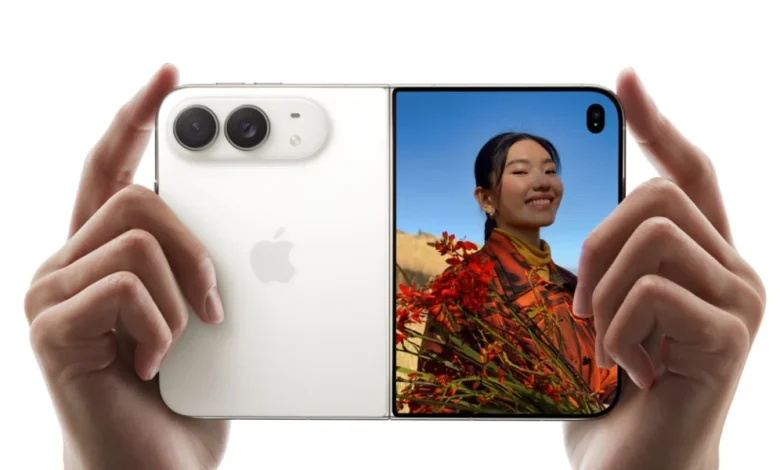
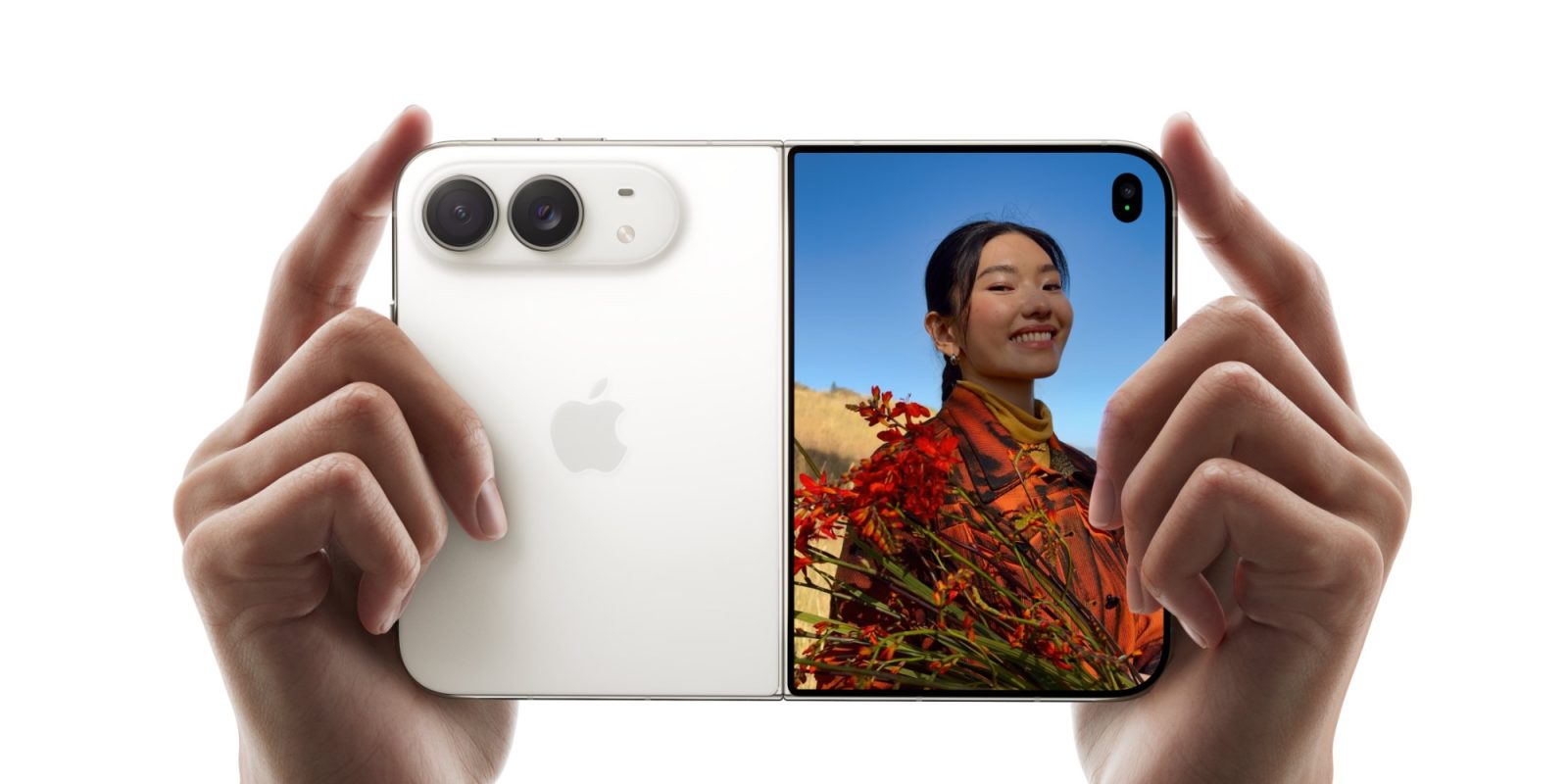
The hardware architecture of the iPhone Duo represents a departure from the traditional smartphone form factor Apple has championed since 2007. To leverage the device’s unique folding capabilities, Apple has mandated that developers utilize the latest SDKs. Specifically, applications must be recompiled for iOS 27.0 as a baseline requirement to access the larger canvas of the inner display. Furthermore, access to the Duo’s specialized interface components—such as the novel tab bar and adaptive layout toolkits—is gated behind the iOS 27.1 update.
This requirement creates a significant barrier to entry for developers who have not yet updated their workflows. Without these specific updates, applications will default to a constrained mode, often resulting in the appearance of “black bars” around the content. This visual limitation serves as a stark reminder of the transition period Apple is forcing upon the ecosystem, mirroring the historical shifts seen during the introduction of the iPad and the adoption of the iPhone X’s notched display.
Chronology of the Software Rollout
The road to the iPhone Duo was paved by several key milestones in Apple’s software development strategy throughout 2026:
- February 2026: Apple officially updated its minimum SDK requirements for all App Store submissions, signaling an industry-wide shift toward newer hardware compatibility. This move began the forced migration of developers away from legacy support for older, non-Liquid Glass interfaces.
- September 9, 2026: The official launch of the iPhone Duo hardware provided the first concrete look at how the device handles unoptimized applications. Initial reports confirmed that without specific recompilation, apps remain confined to standard smartphone dimensions.
- September 18, 2026: Apple released Xcode 27.1 beta, a crucial development tool that finally enabled the full suite of iPhone Duo interface features. This release serves as the primary gateway for developers to optimize their portfolios for the new hardware.
Why Compatibility Modes Were Rejected
Industry analysts have noted that Apple could have opted for a "compatibility layer"—a solution that would have allowed existing iPad binaries to run on the iPhone Duo. By enabling iPad applications to scale and resize, Apple could have theoretically solved the issue of sparse content on the larger display immediately upon launch.
However, historical analysis of Apple’s design philosophy suggests that such a move would have undermined the premium nature of the Duo. Compatibility layers often result in “janky” performance, inconsistent touch targets, and a lack of fluid transitions—traits that would have drawn unfavorable comparisons to existing Android foldable devices. By refusing to adopt a "quick fix," Apple is betting that the long-term benefit of a high-quality, native experience outweighs the short-term inconvenience of a limited app library. This reflects a "quality-first" approach that has defined the company’s product strategy for decades.
Implications for Developers and the App Store
The pressure on developers is twofold. Beyond the technical requirements of the iPhone Duo, Apple is simultaneously enforcing a mandatory shift toward "Liquid Glass" support. Developers who fail to meet these new standards will find their ability to opt-out of newer display technologies effectively removed.
For many smaller development shops, this creates a difficult dilemma. Updating an application to support both the iPhone Duo and Liquid Glass requires significant engineering resources. If a developer chooses to prioritize one over the other, or delays both, their application may suffer from reduced discoverability in the App Store, as Apple’s editorial and search algorithms typically favor apps that utilize the latest platform features.

The financial implications are equally significant. Increased development cycles for iOS 27.x compliance represent a direct increase in overhead. While enterprise-level applications may absorb these costs, independent developers may struggle, potentially leading to a temporary contraction in the number of high-quality apps optimized for the new hardware.
The Gaming Sector: A Critical Test Case
Perhaps the most scrutinized use case for the iPhone Duo is mobile gaming. The foldable inner display offers a landscape that is ideal for immersive gaming, yet these titles are the most sensitive to interface issues. If a game fails to render in full screen, the utility of the hardware is effectively negated.
Market data suggests that users are significantly less tolerant of poor optimization in gaming than in productivity or utility applications. If the gaming experience on the Duo remains subpar due to lack of optimization, the device could face a branding crisis among the core demographic that Apple is targeting with its premium hardware. The ability to use split-screen functionality—whereby an app might run on one side of the fold while another task occupies the other—will be a critical feature, provided that Apple enables this functionality for non-native applications.
Official Stance and Future Outlook
Apple has remained characteristically tight-lipped regarding specific adoption metrics, focusing instead on the long-term vision of the "Duo" interface. However, industry insiders suggest that Apple is providing extensive support through its Developer Relations teams, offering private workshops and sandbox environments to help major developers bridge the gap.

Should the initial wave of support fall short of expectations, analysts point to a potential "iOS 28" pivot. In this scenario, Apple could introduce a refined iPad app compatibility mode as a stop-gap measure. This would provide the necessary boost to the app ecosystem while giving developers more time to finalize native implementations. It is a classic Apple move: maintain a high bar for native quality while holding a "break-glass-in-case-of-emergency" software update in reserve to protect the user experience.
Broad Market Implications
The launch of the iPhone Duo is more than just a new hardware release; it is an assertion of control over the mobile development lifecycle. By forcing a rebuild of the app ecosystem, Apple is effectively resetting the standard for what a "premium" foldable experience looks like.
If this strategy succeeds, Apple will have successfully avoided the fragmentation that has plagued its competitors in the foldable space. If it fails, the company risks alienating its most important asset: the developer community. As we move into the final quarter of 2026, the industry will be watching closely to see if the "Duo" promise can be realized through software, or if the burden on developers will prove too heavy to bear.
For the average consumer, the choice is clear: early adoption comes with the risk of a "growing pains" phase, where the full potential of the device is unlocked only as developers catch up to Apple’s stringent requirements. The iPhone Duo is a bold, uncompromising product, and its success will depend entirely on whether the world’s best developers can meet the challenge of the new, foldable reality.