New leaked renders reveal every color option for the Pixel 11 lineup

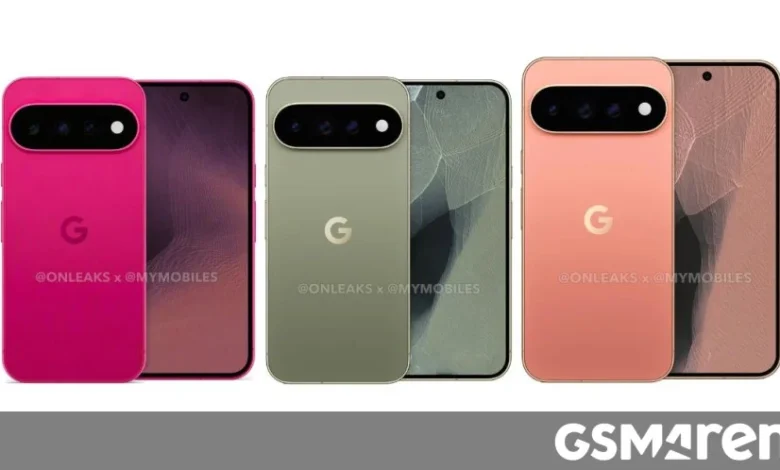
The highly anticipated launch of Google’s Pixel 11 series is mere weeks away, scheduled for the "Made by Google" event on August 12, and the typical pre-release information deluge has intensified, culminating in a comprehensive leak detailing the complete color lineup for the Pixel 11, Pixel 11 Pro, and Pixel 11 Pro XL. This latest revelation, sourced from MyMobiles in collaboration with the reputable leaker OnLeaks, provides a vivid glimpse into the aesthetic choices Google has made for its next generation of flagship smartphones, further enriching the already substantial body of leaked specifications and features surrounding the devices. The strategic unveiling of distinct color palettes for the standard and professional-tier models underscores a deliberate effort by Google to cater to varied consumer preferences and segment its offerings effectively within the fiercely competitive premium smartphone market.
Detailed Breakdown of the Pixel 11 Series Colorways
The leaked renders indicate that both the standard Pixel 11 and the Pixel 11 Pro will each be offered in four distinct color options, with the Pixel 11 Pro XL sharing the same palette as its Pro sibling. This differentiation in color offerings between the base model and the higher-end variants is a common tactic in the smartphone industry, allowing manufacturers to imbue each tier with a unique identity while maintaining a sense of brand consistency.
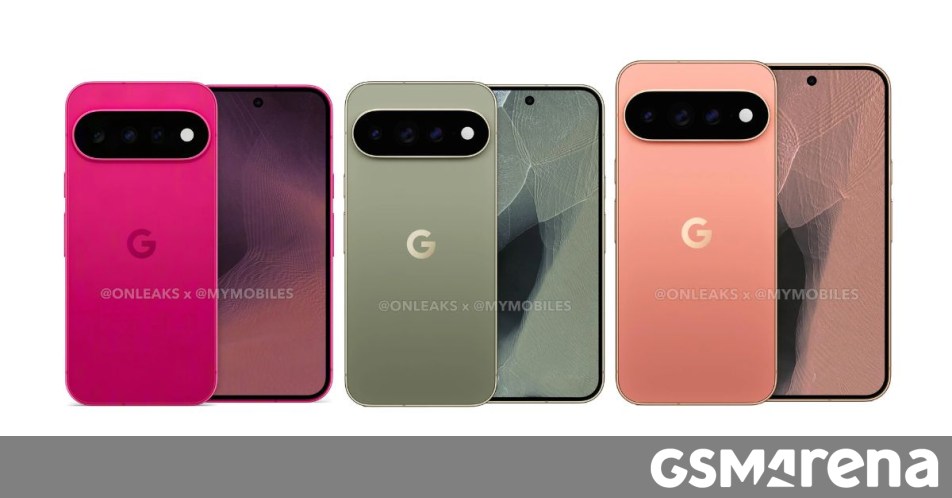
For the standard Pixel 11, the reported color options are Fuchsia, Light Sterling, Moss, and Midnight Haze. Fuchsia is described as a vibrant pink finish, standing out as the boldest and most audacious choice in the lineup. This particular hue suggests Google might be targeting a younger demographic or those who prefer expressive and distinctive devices. Light Sterling, on the other hand, likely represents a more subdued, perhaps silver or light grey, option, appealing to users who favor classic and understated elegance. Moss points towards an earthy, possibly muted green or greenish-grey, tone, aligning with current trends for natural and sophisticated aesthetics. Midnight Haze, a recurring name across the lineup, is almost certainly a deep, dark shade, offering a timeless and professional look. The inclusion of a vibrant option like Fuchsia alongside more traditional and earthy tones indicates a broad appeal strategy for the entry-level flagship.
Transitioning to the more premium Pixel 11 Pro and Pixel 11 Pro XL, the color palette shifts to Dune, Light Fog, Midnight Haze, and Pine. These names evoke a sense of refined sophistication and perhaps a connection to natural elements, aligning with the premium positioning of these models. Dune suggests a warm, sandy, or beige-like hue, offering a luxurious and unique alternative to standard metallic finishes. Light Fog implies a delicate, perhaps off-white or very light grey, color, conveying minimalism and elegance. Midnight Haze reappears here, solidifying its role as a core, perhaps default, dark option for the high-end devices. Pine hints at a deep green, a color that has seen increasing popularity in premium smartphones for its rich and sophisticated appearance.
A notable detail emerging from the leaks regarding the Pixel 11 Pro and Pixel 11 Pro XL is the treatment of their frames. The Dune variant is reportedly paired with a champagne-finished frame, adding an extra layer of luxury and visual coherence. Similarly, the Pine variant is tipped to feature a polished gold frame, further accentuating its premium appeal. This attention to detail in the frame’s finish, matching or complementing the device’s main body color, is often a hallmark of high-end design, contributing significantly to the overall perceived quality and aesthetics of the smartphone. Such specific design elements suggest Google is investing heavily in the tactile and visual experience of its Pro models, aiming to compete directly with other premium offerings on design merit.
Beyond Aesthetics: A Look at Leaked Specifications and Features

While colors are a significant aspect of a smartphone’s appeal, the leaks have also painted a broader picture of the Pixel 11 series’ technical capabilities, underscoring Google’s ambitions in hardware and artificial intelligence.
The Tensor G6 Chipset: A cornerstone of Google’s Pixel strategy since the Pixel 6, the custom-designed Tensor chipset is set for an upgrade with the Tensor G6. The leaks suggest this new chip will be manufactured using a cutting-edge 2nm process. This is a crucial detail, as a smaller manufacturing process typically translates to significant improvements in power efficiency and raw performance. For users, this means better battery life, faster app loading times, smoother multitasking, and enhanced capabilities for demanding tasks like gaming and AI processing. The Tensor chip family has been central to Google’s efforts to differentiate Pixels through on-device AI and machine learning, enabling features like advanced voice processing, real-time language translation, and sophisticated computational photography. The Tensor G6 is expected to push these capabilities further, cementing the Pixel’s identity as an "AI-first" smartphone. Its development reflects Google’s strategic pivot away from relying solely on third-party chip manufacturers, granting it greater control over hardware-software integration and optimization, akin to Apple’s A-series chips.
Triple Rear Cameras: The Pixel 11 series is expected to feature a triple rear camera setup. Google’s Pixel phones have historically been lauded for their exceptional computational photography, often achieving stellar results with fewer lenses than competitors. The addition of a third camera, likely a dedicated telephoto lens or an enhanced ultrawide sensor, suggests Google aims to bolster its optical zoom capabilities or improve landscape and architectural photography, addressing areas where previous Pixels, while strong, sometimes lagged behind rivals with more versatile hardware arrays. Combined with Google’s renowned software processing, this triple camera system could set new benchmarks for smartphone photography, offering users greater flexibility and creative control.
Pixel Glow LED Notification System: A particularly intriguing leak is the introduction of a new "Pixel Glow LED notification system" on the back of the phone. This feature could serve multiple purposes, from subtle visual alerts for incoming calls, messages, or app notifications, to indicating charging status, or even functioning as a unique aesthetic element. Such an innovation could provide a distinctive visual identity for the Pixel 11 series, offering a more ambient and less intrusive way for users to stay informed compared to traditional screen-based notifications. It echoes design philosophies seen in other devices that use rear LEDs for functionality or flair, but with Google’s touch, it could be integrated with AI to offer smart, context-aware alerts.

Display Specifications: The leaks also provide insight into the display sizes for the new lineup. The standard Pixel 11 and Pixel 11 Pro are tipped to sport 6.3-inch displays, offering a comfortable balance between screen real estate and single-handed usability. The Pixel 11 Pro XL, catering to users who prefer larger screens for media consumption and productivity, is expected to feature a more expansive 6.8-inch display. While specific details like refresh rates (likely 120Hz for Pro models), panel technology (almost certainly OLED), and peak brightness were not explicitly part of this particular leak, Google typically equips its flagship Pixels with high-quality displays that offer vibrant colors, deep blacks, and excellent outdoor visibility.
The Pixel 11 Pro Fold: Adding another layer of excitement, the leaks mention the Pixel 11 Pro Fold, indicating Google’s continued commitment to the nascent but growing foldable smartphone market. While details on this specific model are sparse in the current color leak, its mere mention suggests a potential parallel flagship launch or a significant refresh to Google’s foldable offering. This positions Google as a key player in shaping the future of mobile form factors, alongside established competitors.
The "Made by Google" Event: Context and Significance
The "Made by Google" event, scheduled for August 12, is Google’s annual showcase where the company unveils its latest hardware innovations across various product categories. Historically, these events have been platforms for Google to articulate its vision for ambient computing, artificial intelligence, and the seamless integration of its software and services into everyday life. Beyond smartphones, these events often feature new Pixel Watch models, Nest smart home devices, Pixel Buds, and updates to ChromeOS or Android. The Pixel series, however, remains the centerpiece, embodying Google’s philosophy for the Android ecosystem and serving as a reference device for the operating system’s capabilities.

For Google, the Made by Google event is more than just a product launch; it’s a statement about its direction in consumer electronics. It’s an opportunity to highlight advancements in AI, machine learning, and sustainability, often showcasing how these technologies are embedded directly into the hardware and software experience. The meticulous rollout of new devices, from their internal chipsets to their external finishes, reflects Google’s increasing maturity and strategic intent in the hardware space.
The Phenomenon of Tech Leaks: A Double-Edged Sword
The pervasive nature of tech leaks, especially those involving major flagships like the Pixel 11 series, has become a defining characteristic of the modern product launch cycle. Collaborations between reputable leakers like OnLeaks and tech publications such as MyMobiles often provide an accurate preview of upcoming devices, sometimes months in advance.
The origins of these leaks are varied, ranging from supply chain indiscretions and manufacturer slips to controlled marketing strategies designed to build hype. While Google, like most tech giants, maintains official silence on leaks, their impact is undeniable. They generate significant media buzz, fuel discussions among tech enthusiasts, and allow consumers to form preliminary opinions. This pre-launch discourse can be beneficial, building anticipation and brand awareness, but it can also diminish the impact of the official unveiling, leaving fewer surprises for the keynote address.
From a journalistic perspective, these leaks provide valuable early insights, allowing for deeper analysis and context even before official announcements. They often serve as a check on manufacturers, ensuring transparency and providing consumers with a more complete picture of what to expect.
Google’s Pixel Strategy and Market Implications
Google’s journey in the smartphone market, from the Nexus program to the Pixel line, has been characterized by a distinct focus on software-hardware integration, AI capabilities, and a "pure Android" experience. Unlike competitors who often prioritize raw specifications or extensive hardware variations, Google has consistently aimed to deliver a cohesive user experience driven by its vast AI and software prowess.
Despite critical acclaim for its cameras and software features, Pixel phones have historically captured a relatively small segment of the global smartphone market compared to giants like Samsung and Apple. However, Google’s strategy isn’t solely about market share; it’s also about setting a benchmark for Android, showcasing the potential of its ecosystem, and driving innovation in mobile computing.

The Pixel 11 series, with its custom Tensor G6 chip, advanced camera system, and thoughtful design choices (including the diverse color palettes and premium frame finishes), represents Google’s continued commitment to carving out a unique niche. The introduction of distinct color options for the standard and Pro models is a clear market segmentation strategy. The vibrant Fuchsia on the Pixel 11 could attract a younger, more style-conscious demographic, while the sophisticated Dune and Pine with their metallic frames on the Pro models aim to appeal to users seeking a premium, executive-level device. These aesthetic choices, combined with powerful internal specifications, are crucial in a market where design and personal expression are increasingly important differentiators.
The implications for consumers are significant. A broader choice of colors allows for greater personalization, making the device feel more tailored to individual style. For Google, a diverse aesthetic offering, coupled with cutting-edge technology, could help expand its appeal beyond its traditional enthusiast base and attract new customers who prioritize both performance and design. The Pixel Glow LED notification system, if implemented effectively, could become a signature Pixel feature, enhancing user interaction and setting the phones apart visually.
Conclusion: Building Anticipation for the Official Reveal
As the August 12 "Made by Google" event approaches, the extensive leaks surrounding the Pixel 11 series have painted a compelling picture of Google’s next-generation smartphones. From the nuanced color palettes that differentiate the standard and Pro models, to the powerful 2nm Tensor G6 chipset, the enhanced triple camera system, and the innovative Pixel Glow LED notification system, every detail points towards a meticulously designed and technologically advanced lineup.

These revelations not only build immense anticipation for the official unveiling but also offer a glimpse into Google’s strategic approach to the fiercely competitive smartphone market. By focusing on deep hardware-software integration, leveraging its AI expertise, and paying close attention to design aesthetics and user experience, Google aims to solidify the Pixel’s position as a distinctive and compelling choice for discerning consumers. The "Made by Google" event will serve as the ultimate platform to confirm these leaks, showcase additional features, and articulate Google’s broader vision for the future of mobile technology. The industry and consumers alike will be keenly watching to see how the Pixel 11 series will ultimately shape the smartphone landscape.