Zurich Airport Deploys Driverless Electric Shuttles in Landmark European Autonomous Transit Trial

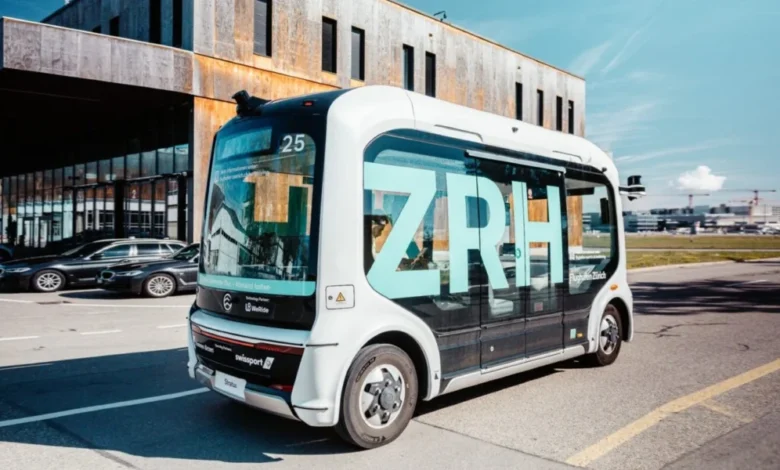
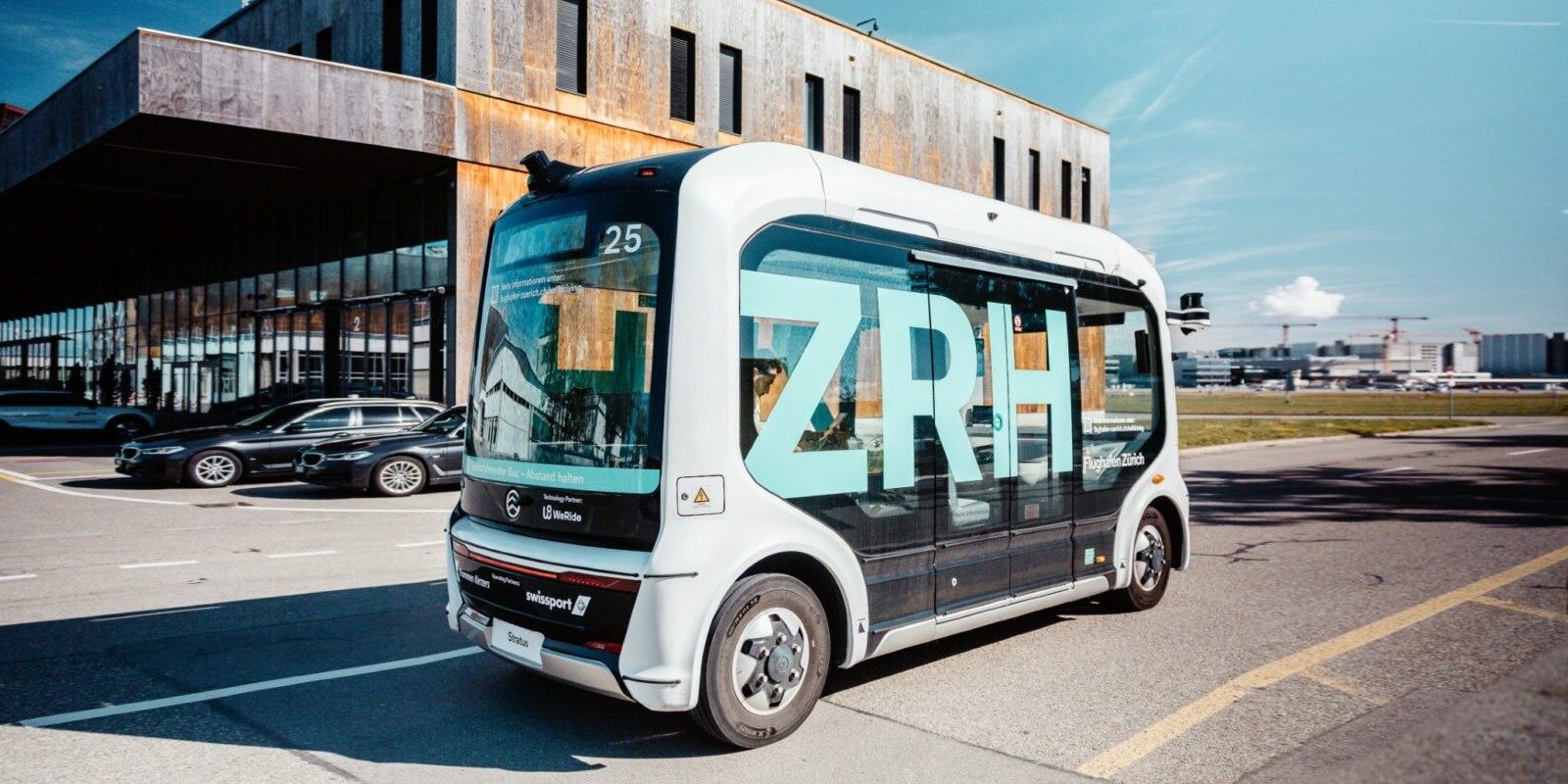
Zurich Airport has reached a major operational milestone by introducing two fully automated electric shuttle buses to its active ground infrastructure, operating entirely without on-board safety drivers. This development positions the Swiss transit hub at the vanguard of European aviation innovation, establishing a live testing ground for Level 4 (L4) autonomous vehicle technology in a complex, high-security environment.
The deployment, which commenced its initial driverless runs at the beginning of September, represents the culmination of a rigorous, multi-year validation process designed to satisfy stringent European Union regulatory frameworks. Co-developed in partnership with the globally recognized autonomous vehicle technology provider WeRide, the project underscores a broader industry pivot toward smart, decarbonized ground operations within the aviation sector.
The Evolution of the Zurich Airport Autonomous Pilot
The genesis of Zurich Airport’s autonomous shuttle initiative dates back to March 2025. Recognizing the potential for artificial intelligence and advanced sensor suites to optimize internal logistics, airport authorities collaborated with WeRide to introduce electric shuttles to the facility’s grounds. However, the path from concept to driverless deployment required a phased, highly cautious rollout.
During the initial phases, the vehicles were subjected to intensive testing regimens to evaluate their sensor performance, mapping accuracy, obstacle detection capabilities, and fail-safe protocols. These trials were mandatory to ensure compliance with the technical and legal stipulations governing L4 autonomy—a classification defined by the Society of Automotive Engineers (SAE) as vehicles capable of driving themselves under specific conditions without human intervention.
Raphaël Glaesener, Senior Innovation Manager at Zurich Airport Ltd., emphasized that safety remained the non-negotiable cornerstone of the project throughout its development lifecycle. "Safety was and remains our top priority at all times," Glaesener stated, explaining the deliberate pacing of the rollout. To mitigate initial risks, the first phase of Level 4 public-area trials is being conducted strictly without passengers. Following an expected four-week validation window of empty test loops, the program will expand to permit airport and partner company employees to utilize the shuttles for daily transit across the facility.
Navigating Complex Airport Logistics Safely
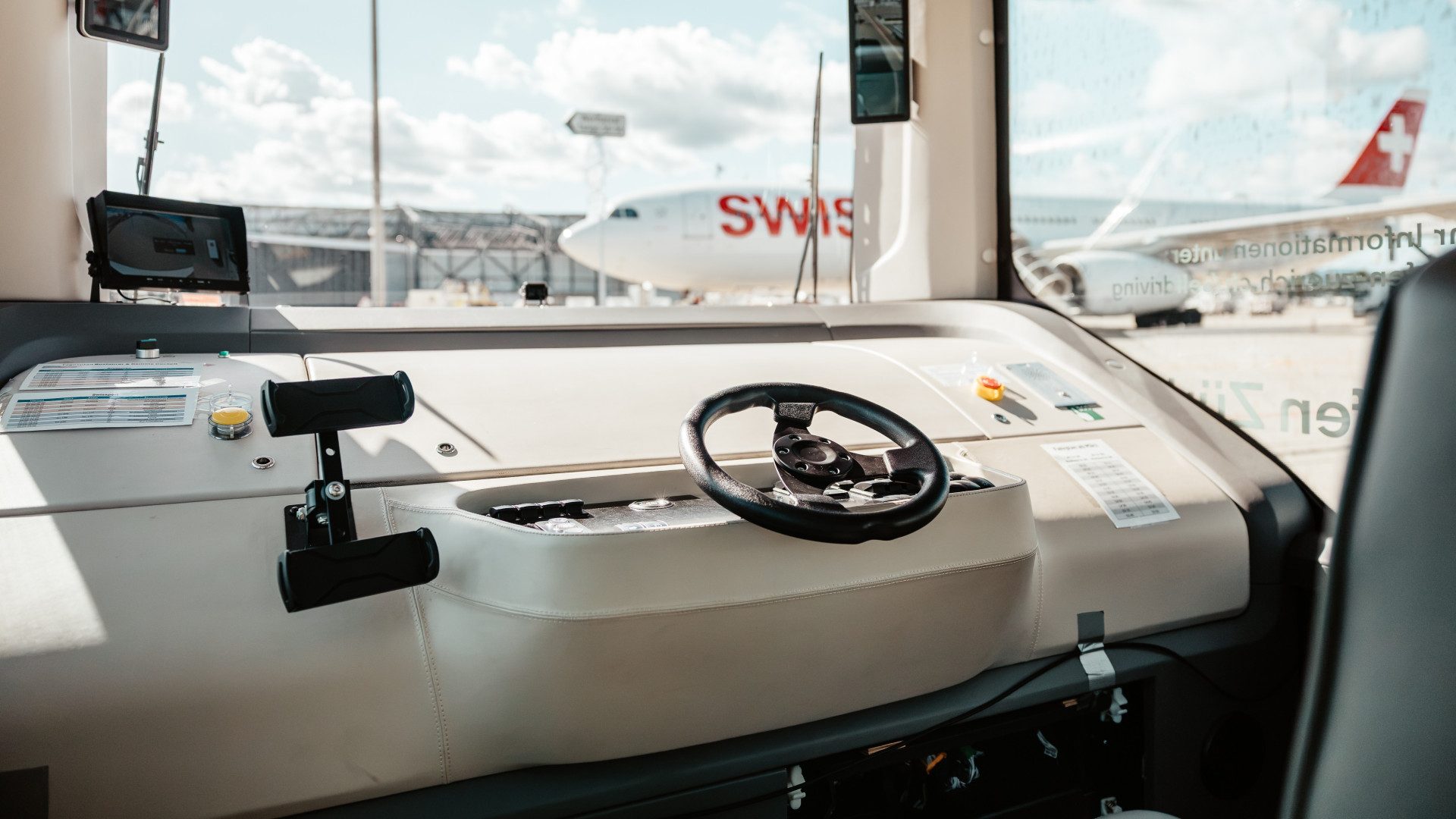
Operating heavy passenger-carrying machinery without a human safety driver or on-board monitor demands an extraordinary level of technological reliability. While the vehicles operate independently, they are not entirely disconnected from human oversight. Zurich Airport has implemented a remote-monitoring command center—often referred to as a remote cockpit—where operators can monitor the real-time telemetry, camera feeds, and operational status of both shuttles. If a vehicle encounters an unexpected obstruction or complex scenario outside its pre-mapped parameters, remote teleoperation systems can assist in guiding the vehicle or authorizing safe bypass maneuvers.
The deployment area has been strategically selected to balance operational utility with safety. The electric shuttles are assigned to a clearly defined, dedicated route that services specific operational areas of the airport grounds. Crucially, this route has been designed to avoid crossing active aircraft taxiways and runways, thereby eliminating any potential conflict between ground transit shuttles and commercial aviation traffic.
Partner companies operating within the airport ecosystem, including major aviation ground services provider Swissport and logistics firm Krummen Kerzers, are actively involved in the pilot program. Personnel from these participating organizations are contributing to the operational oversight, providing dedicated remote-monitoring staff to supervise the vehicles during their active shifts.

Technical and Environmental Implications for Global Aviation
The integration of autonomous electric shuttles at Zurich Airport aligns with a wider industry-wide push toward sustainable ground operations. Modern airports are immense consumers of energy and significant contributors to local emissions through fleets of service vehicles, baggage tractors, and employee transport buses. By replacing conventional combustion-engine transport with battery-electric, autonomous alternatives, airports can simultaneously lower their carbon footprint, reduce operational overhead, and improve schedule predictability.
The choice of WeRide as a technology partner highlights the increasing globalization of autonomous driving technology. WeRide has accumulated extensive deployment experience across various international markets, scaling its L4 vehicle fleets across multiple urban and semi-closed environments. Adapting this technology to the specialized perimeter of an international airport requires fine-tuning localization algorithms, as traditional GPS signals can occasionally be obstructed by large terminal architecture or aircraft hangers, necessitating robust sensor fusion relying on LiDAR, radar, and high-definition optical cameras.
Furthermore, Zurich’s project serves as a regulatory testbed for European aviation authorities. As airports across the continent look for solutions to labor shortages, rising operational costs, and aggressive net-zero emissions targets, successful pilot programs like the one at Zurich Airport provide a blueprint for legal compliance and technical integration. The European Union’s evolving framework for automated mobility requires rigorous documentation of safety metrics, fallback performance, and cybersecurity protocols—standards that Zurich Airport and WeRide have had to systematically satisfy to secure clearance for driverless operations.

Looking Ahead: The Future of Autonomous Airport Transit
As the four-week passenger-free testing phase concludes, the transition of the shuttles to regular employee transit service will provide a critical real-world stress test. Passenger feedback, boarding and alighting efficiencies, and system reliability metrics gathered during this phase will inform future scaling decisions.
If the pilot continues to meet its performance benchmarks, Zurich Airport is expected to explore expanding the autonomous shuttle network to cover additional routes across its sprawling campus. Beyond mere employee transportation, the success of this project could pave the way for broader automation applications across airport logistics, including baggage transport, cargo movement, and passenger transit between remote terminal gates.
The milestone achieved at Zurich Airport signifies a pivotal step forward for commercial autonomy in Europe. By demonstrating that high-level driverless technology can be safely integrated into a regulated, high-security environment without on-board human intervention, Zurich Airport is helping to shape the future of smart, sustainable, and autonomous transportation infrastructure worldwide.